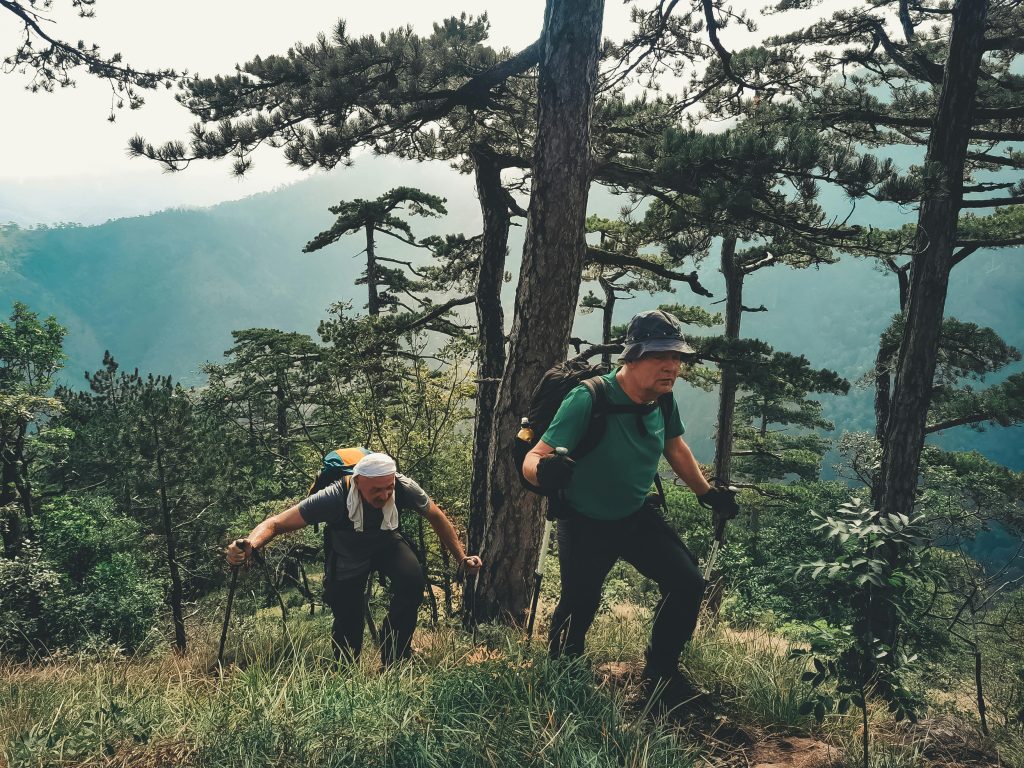
Imagine your health as a bank account. In our younger years, we are “rich” with energy and strength, often spending it without a second thought. But as the years pass, many older adults find that their balance is running low. This biological “savings account” is what we call your physiological reserve. It is the extra capacity your body keeps in storage for emergencies. Without a healthy reserve, a simple cold or a minor trip can quickly escalate into a life-altering event. The good news? You can start making “deposits” back into this account today. In this guide, we will explore the science of building resilience and how you can protect your independence for years to come.
1. The Biological “Savings Account”
In the field of geriatric rehabilitation, your capacity to recover is tied directly to your physiological reserve. It is the redundant capacity of our organs and systems to respond to stressors beyond what is needed for daily rest. For the audience at geriatricrehab.es, understanding that this reserve is not a fixed amount but a fund that can be actively replenished is the first step toward “Optimal Aging.”
According to the principles in Geriatric Physical Therapy (2020), this reserve is what allows an older adult to recover from a minor fall or surgery without losing their independence. When we talk about building this reserve, we aren’t just talking about “getting fit”; we are talking about creating a biological safety net. This article will explore how we can invest in our physical bank account to ensure that when life throws a “withdrawal” in the form of illness, we don’t end up in biological bankruptcy.
2. The Clinical Definition: Understanding Homeostenosis
To build a reserve, we must first understand homeostasis. This is the physiological narrowing of the body’s internal stability as we age. In a young person, the body can easily adjust to extreme heat, cold, or infection. In an older adult, the “thermostat” becomes less responsive.
Clinically, physiological reserve is the difference between an individual’s maximal functional capacity and the minimum level of function required for a given task. As we age, our “peak capacity” naturally declines, but if we remain sedentary, that decline is accelerated. Disuse is the primary thief of our biological savings. By applying geriatric science, we aim to maintain a “buffer zone.” This buffer ensures that even if a senior loses 10% of their strength during a week of bed rest, they remain above the threshold required to stand up from a chair independently.
3. The ‘Why it Matters’ Section: The Buffer Against the Slippery Slope
The concept of reserve is best visualized through the “Slippery Slope of Aging.” This framework categorizes older adults into four stages:
- Fun: You have a massive physiological reserve. You can walk 5 miles and still have the energy for recreation.
- Function: You can do what you need (ADLs), but your reserve is lower. You are exhausted after simple errands.
- Frailty: You have just enough reserve to survive a normal day. A minor stressor, like a UTI, will push you over the edge into dependence.
- Failure: The reserve is gone. You require total assistance for basic survival.
Building your reserve is the only way to stay in the “Fun” and “Function” zones. Resilience means that when an injury occurs, your body has the structural and metabolic “backup” to heal without sliding down into frailty.
Caregiver Corner: Spotting the “Dip”
Pay close attention to “Exertional Cost.” If your loved one can no longer hold a conversation while walking, or if they need a long nap after a simple trip to the grocery store, their physiological reserve is running thin. In the medical world, this is a clinical red flag. Engaging a physical therapist at this stage can help “refill the account” before a health crisis occurs.
4. Assessing Your Current Status: The PT Perspective
In the clinical setting, we don’t guess about your physiological reserve; we measure it. As an allied health professional, I look for the gap between your “peak capacity” and your “functional demand.” If a senior uses 90% of their available strength just to stand up from a toilet, they have a reserve of only 10%. This is a high-risk situation.
The Professional Perspective: Clinical Markers of Reserve
To quantify this, we use standardized geriatric assessments:
- Gait Speed: Often called the “sixth vital sign.” A walking speed of less than 0.8 meters per second is a strong clinical indicator of low physiological reserve and increased mortality risk.
- Grip Strength: Using a dynamometer, we measure the force of a patient’s handgrip. Low grip strength is a validated proxy for systemic muscle wasting and a predictor of poor recovery after surgery.
- The 30-Second Chair Stand: This test measures how many times a person can stand up from a chair without using their arms. It provides a direct look at lower-body power, the very muscle fibers you need to “buffer” against a fall.
By identifying these numbers, we can create a “baseline” for your biological bank account. If we see that your exertional cost for daily tasks is too high, we know it is time to start aggressive “reinvestment” strategies.
5. Exercise as Medicine: Strengthening the Cardiovascular Reserve
One of the most critical components of your physiological reserve is your cardiovascular and pulmonary “backup.” In medical terms, this is often measured as VO2 max, the maximum amount of oxygen your body can utilize during intense exercise. As we age, our heart’s maximum rate decreases and our lungs become less elastic, which naturally lowers our ceiling.
However, the “Exercise as Medicine” philosophy teaches us that this decline can be significantly blunted. Improving your cardiovascular reserve involves:
- Aerobic Conditioning: Engaging in activities like brisk walking, swimming, or cycling that keep the heart rate elevated for at least 150 minutes per week.
- High-Intensity Interval Training (HIIT) for Seniors: Modified HIIT has shown remarkable results in older adults. By pushing the heart rate into higher zones for very short bursts (e.g., 30 seconds of faster walking followed by 2 minutes of slow walking), we can actually increase heart volume and mitochondrial efficiency.
When you improve your cardiovascular reserve, you are making it easier for your body to handle systemic stress. Whether you are fighting an infection or recovering from a major surgery, a strong heart provides the oxygenated fuel your cells need to repair tissue and maintain homeostasis.
6. The Musculoskeletal Anchor: Expanding Your Physiological Reserve Through Strength
While the heart is the engine, the muscles are the chassis of your physiological reserve. Muscle tissue is more than just a tool for movement; it is a metabolic organ that stores amino acids and regulates glucose. When we face a health crisis, the body “borrows” from these muscle stores to fuel the immune system. If you have low muscle mass (sarcopenia), you have no “collateral” to borrow from.
To expand this anchor, we focus on Type II (fast-twitch) muscle fibers. These are the fibers that provide power and speed, the ability to react quickly to a trip or a loss of balance.
- Progressive Resistance Training: To build reserve, the “load” must be challenging. We utilize the principle of “Progressive Overload,” where the weight or resistance is increased as the patient gets stronger.
- Bone Density Buffer: Weight-bearing exercise doesn’t just build muscle; it builds the mineral density of your bones. This is your “Fracture Reserve.” A senior with high bone density can survive a fall that would cause a hip fracture in a peer with lower reserve.
By focusing on these musculoskeletal gains, we ensure that the “functional demand” of gravity never exceeds the “peak capacity” of the body.
Caregiver Corner: The “Talk Test”
A simple way to check if your loved one is working on their cardiovascular reserve: during their daily walk, they should be able to talk but not sing. If they can sing, they aren’t working hard enough to build a “buffer.” If they can’t speak at all, the intensity is too high. Aim for that “middle ground” where they are slightly out of breath but still comfortable.
7. Nutrition and Sleep: The Often-Ignored Pillars of Reserve
Building a “buffer” is not just about the output of energy; it is heavily dependent on the quality of the input. To maintain a high physiological reserve, the body needs the raw materials to repair tissue and the time to process metabolic waste.
- Protein: The Building Block of Resilience: Muscle is the primary storage site for your reserve. For older adults, protein needs actually increase to overcome “anabolic resistance.” We recommend high-quality protein (leucine-rich) at every meal to stimulate muscle protein synthesis. Without adequate protein, the body will “cannibalize” its own muscle during periods of illness, rapidly depleting your reserve.
- The Power of Sleep Hygiene: Sleep is when the “Biological Savings Account” is reconciled. During deep sleep, growth hormones are released, and the brain’s glymphatic system flushes out toxins. Chronic sleep deprivation leads to “low-grade systemic inflammation,” which acts like a slow leak in your bank account, constantly draining your energy reserves and leaving you vulnerable to acute injury.
8. The Caregiver Corner: Recognizing the “Dipping” Reserve
As a caregiver, you are the first line of defense. Because changes in physiological reserve can be subtle, you may notice a “dip” long before a medical professional does. This is often seen as a shift in “functional threshold.”
Actionable Tips for Supporting Autonomy:
- Encourage “Positive Stress”: It is tempting to do everything for a senior to “save their energy.” However, by carrying the groceries or opening the heavy door for them, you are inadvertently preventing them from making “deposits” into their strength reserve. Allow them to do the task safely.
- Monitor Fatigue Recovery: How long does it take for your loved one to bounce back from an outing? If a trip to the doctor requires two days of bed rest to recover, their reserve is dangerously low.
- Hydration Awareness: Dehydration is a “reserve thief.” It causes immediate drops in blood pressure and cognitive clarity. Ensure they are drinking fluids consistently, as the “thirst mechanism” weakens with age.
9. Clinical Barriers: Managing Chronic Disease While Protecting Physiological Reserve
Even with the best exercise and diet, certain clinical factors can “overdraw” your account. Managing these is essential for maintaining an optimal trajectory. One of the most significant drains on reserve is polypharmacy (taking multiple medications). While necessary for managing chronic conditions, medications can have a “cumulative cost.”
- Adverse Drug Reactions (ADRs): Drugs like sedatives or certain blood pressure medications can cause orthostatic hypotension (dizziness when standing). This makes the “functional demand” of walking much higher, effectively eating away at the patient’s reserve.
- Systemic Inflammation: Chronic conditions like diabetes or heart disease create a state of constant metabolic stress. A geriatric physical therapist works with the medical team to ensure that the patient’s exercise program is intense enough to build reserve but not so overwhelming that it triggers a “systemic crash.”
By managing these barriers, we stop the “unauthorized withdrawals” from the biological bank account, allowing the senior to build a surplus that will protect them during a crisis.
10. Conclusion: Investing in Your Future Self
Maintaining your physiological reserve is the most significant investment you can make in your long-term health. It is the difference between a minor setback and a permanent life change. As we have explored, this reserve is not a static number determined by your birth certificate; it is a dynamic, living “account” that responds to how you treat your body every day. By shifting from a reactive mindset to a proactive one, you ensure that you aren’t just living longer but living better.
Ultimately, building a reserve is about resilience. It is the peace of mind that comes from knowing your body has the “extra” capacity to handle whatever life throws your way. Whether your goal is to travel the world, garden in your backyard, or simply stay independent in your own home, your physiological reserve is the engine that will get you there. Don’t wait for a “withdrawal” in the form of an illness or injury to start thinking about your balance. Start building your buffer today.
Are you concerned that your “biological savings account” is running low? Whether you are noticing increased fatigue or want to prepare for an upcoming surgery, our expert team can help you build the resilience you need. Consult a physical therapist today at geriatricrehab.es to receive a personalized assessment and start building your physiological reserve for a more secure, independent future.