July 2026

Ankle vs. Hip Strategies: How the Body Recovers

In the lexicon of geriatric rehabilitation, we often talk about “balance” as if it were a static quality, something you either have or you don’t. At geriatricrehab.es, we view balance as a dynamic conversation between your nervous system and gravity. Balance Recovery Strategies are the “words” in that conversation. When you stumble on a rug

Ankle vs. Hip Strategies: How the Body Recovers Read Post »

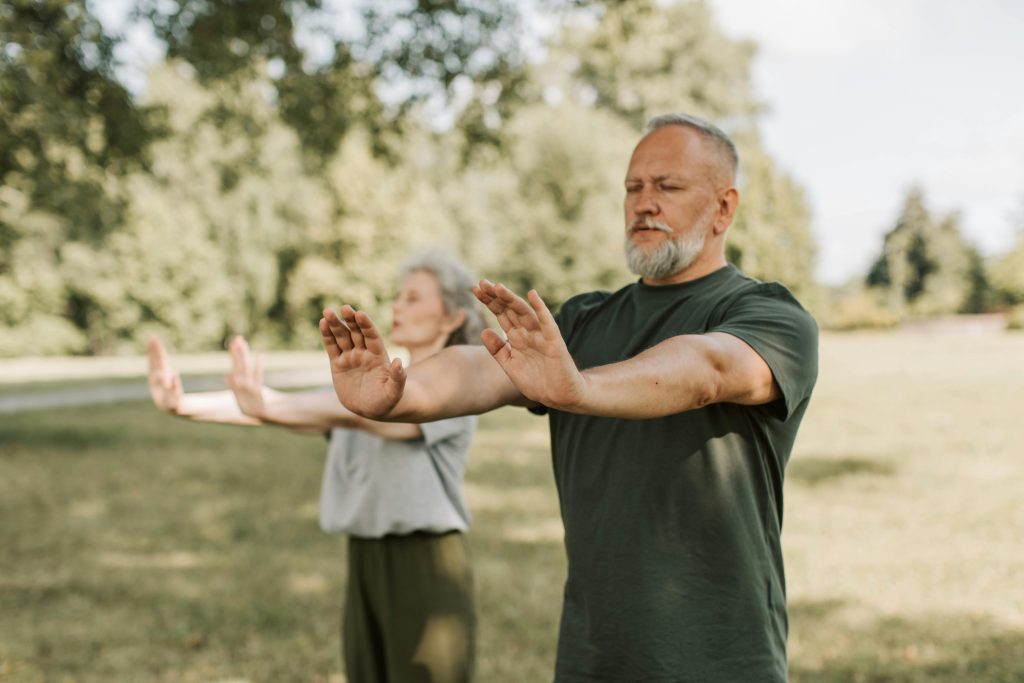
Elderly couple engaged in outdoor Tai Chi, promoting wellness and fitness in a park setting.

Static vs. Dynamic Balance: Understanding Sway

To the untrained eye, standing still looks like a passive state of rest. However, at geriatricrehab.es, we recognize that standing is an incredibly active, sophisticated biological feat. Every second you are upright, your brain is processing a mountain of data to keep your body from toppling over. This micro-movement is known as “postural sway.” Understanding

Static vs. Dynamic Balance: Understanding Sway Read Post »

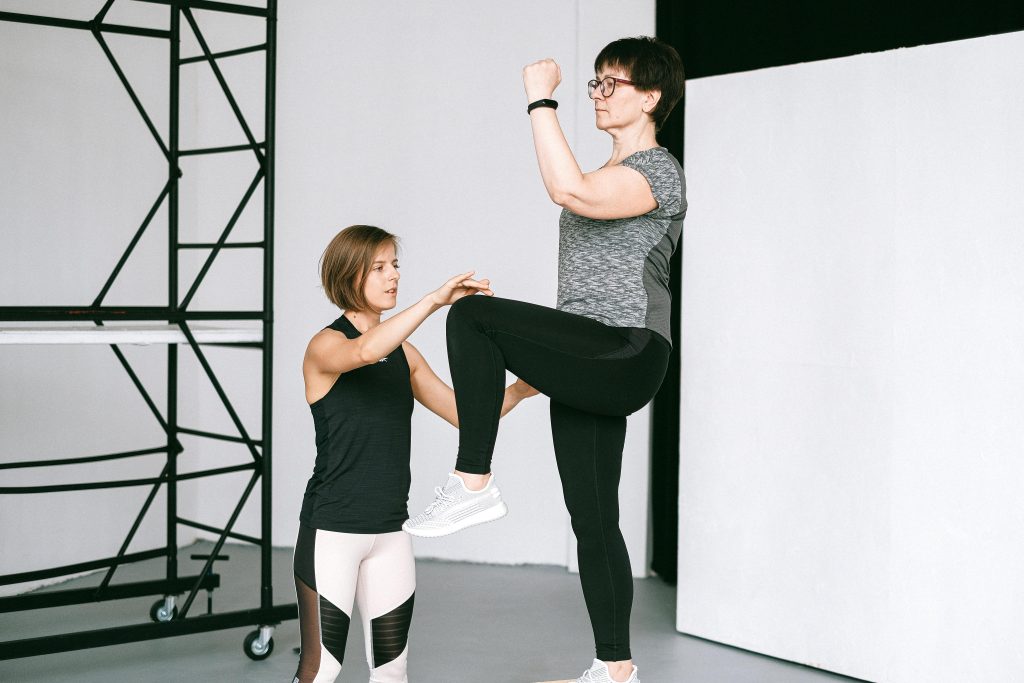
Preventing the Fracture: Hip Health and Safety

In the field of geriatric medicine, a hip fracture is often the “tipping point” that accelerates a senior’s descent down the Slippery Slope of Aging. According to Geriatric Physical Therapy (2020), maintaining bone quality and reactive balance is not just a health goal—it is a survival strategy. Effective Hip Fracture Prevention requires a multifaceted approach

Preventing the Fracture: Hip Health and Safety Read Post »

An elderly woman performs exercises with a fitness coach, focusing on a healthy lifestyle and wellness indoors.

Proprioception: The “Sixth Sense” of Balance

In the clinical framework of Geriatric Physical Therapy (2020), balance is described as a complex interaction between three primary systems: the visual, the vestibular, and the somatosensory. While we often rely on our eyes to navigate, the “sixth sense” that truly keeps us upright is proprioception, the ability of the brain to perceive the position

Proprioception: The “Sixth Sense” of Balance Read Post »

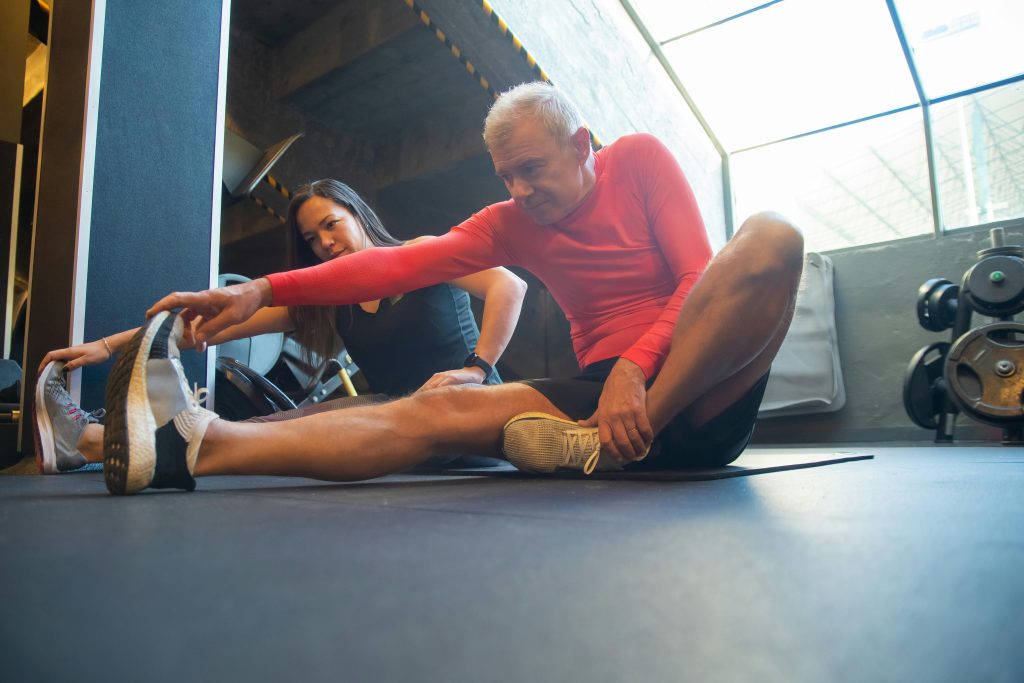
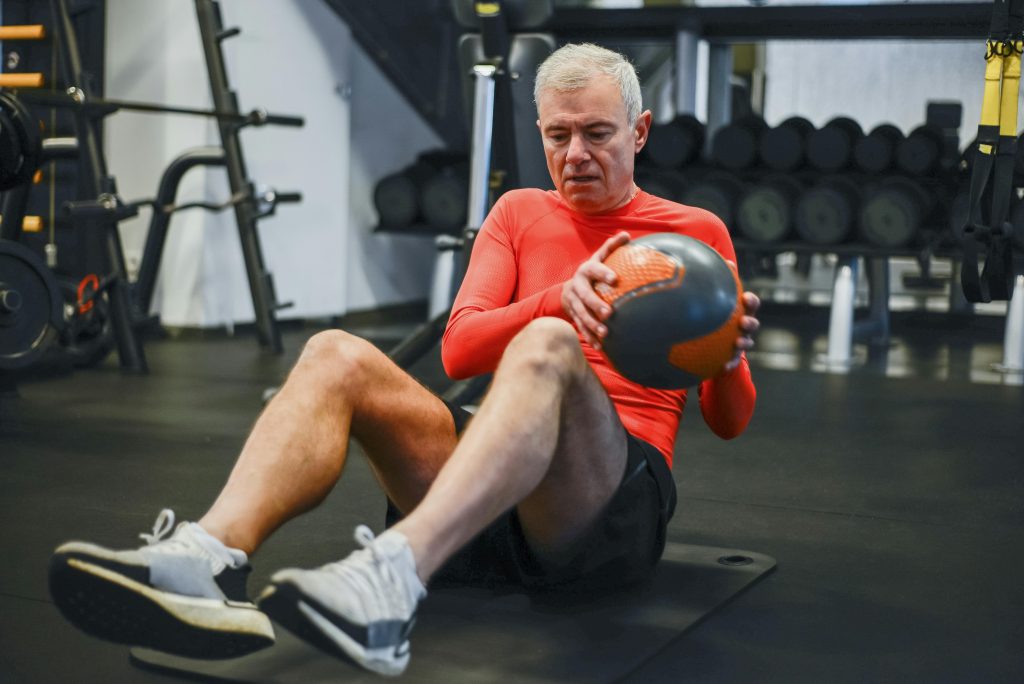
Elderly man in activewear performing medicine ball exercise at gym. Promotes healthy lifestyle.

Best Shoes for Balance: A Podiatry Perspective

In the world of geriatric rehabilitation, your feet are your primary interface with the earth. According to Geriatric Physical Therapy (2020), the somatosensory input from the soles of your feet is a critical “vital sign” for balance. However, many seniors unknowingly sabotage their stability by wearing shoes that mute this vital information. Choosing the right

Best Shoes for Balance: A Podiatry Perspective Read Post »

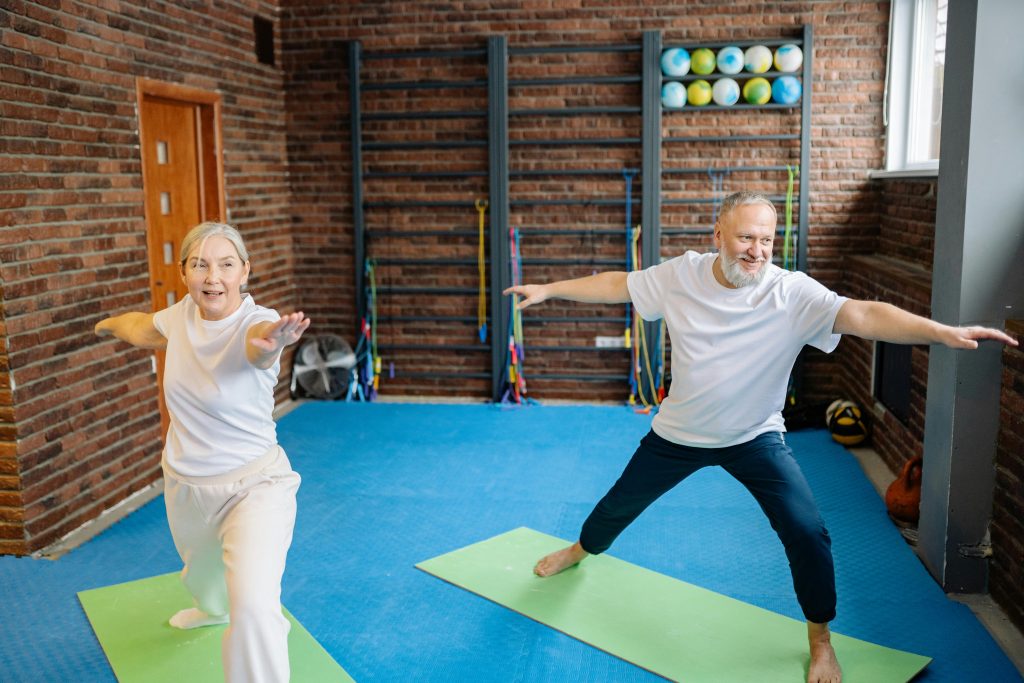
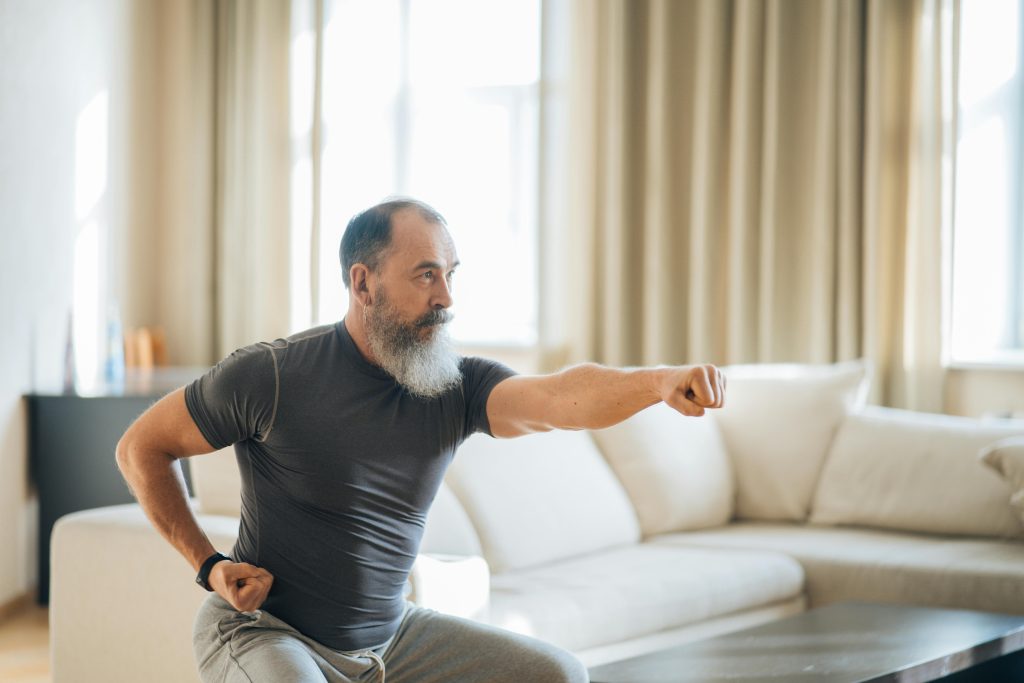
Elderly man with a beard performing yoga poses indoors, promoting health and wellness.

The 30-Minute Home Safety Audit: Making Your Space Secure

In the clinical practice of Geriatric Physical Therapy (2020), the environment is often considered the “invisible therapist.” While exercise builds strength, Home Fall Prevention strategies ensure that the environment doesn’t sabotage your hard-earned progress. For a senior climbing back up the Slippery Slope of Aging, a single loose rug or a dimly lit hallway can

The 30-Minute Home Safety Audit: Making Your Space Secure Read Post »

zumba, marathon, sport, exercise, dance, women, dancers, girls, performance, movement, dancing, freedom, female, zumba, exercise, exercise, exercise, exercise, exercise

Fear of Falling: The Psychological Trap

In the clinical landscape of geriatric rehabilitation, few obstacles are as formidable as the mind itself. While physical impairments like muscle atrophy or vestibular dysfunction are measurable, the Fear of Falling is a psychological shadow that often precedes physical decline. According to Geriatric Physical Therapy (2020), this anxiety creates a self-fulfilling prophecy. When a senior

Fear of Falling: The Psychological Trap Read Post »

Contemporary indoor staircase featuring stainless steel railings and modern lighting.

Seeing the Way to Safety: Vision and Balance

In the clinical framework of geriatric rehabilitation, stability is often described as a three-legged stool supported by the vestibular, somatosensory, and visual systems. However, for many seniors, the visual “leg” becomes the primary anchor for mobility. According to Geriatric Physical Therapy (2020), as other senses dull, the brain relies more heavily on the eyes to

Seeing the Way to Safety: Vision and Balance Read Post »

Elderly woman and caregiver in conversation inside a room in Karviná, Česko.

The Impact of Kyphosis: Posture and Balance

In the clinical framework of geriatric rehabilitation, we often describe the body’s alignment as the foundation of its stability. When the spine begins to curve excessively, a condition known as hyperkyphosis, the structural integrity of the entire “vessel” is compromised. According to Geriatric Physical Therapy (2020), Senior Posture Changes are not merely aesthetic concerns; they

The Impact of Kyphosis: Posture and Balance Read Post »

A senior couple practicing meditation outdoors, embracing wellness and tranquility.

Intrinsic vs. Extrinsic: Where is the Danger?

In the clinical framework of geriatric rehabilitation, a fall is rarely a random “accident.” It is the result of a complex interplay between the person and their environment. According to Geriatric Physical Therapy (2020), effectively managing safety requires us to categorize Fall Risk Factors into two distinct groups: intrinsic (internal to the body) and extrinsic

Intrinsic vs. Extrinsic: Where is the Danger? Read Post »

An elderly couple doing yoga in a serene park setting, promoting a healthy lifestyle.

Why We Fall: The Multidimensional Risk

In the clinical framework of geriatric rehabilitation, a fall is rarely a single “accident.” Instead, it is the result of a complex interplay between a person’s internal physiology and their external world. According to Geriatric Physical Therapy (2020), understanding the multidimensional nature of balance is the cornerstone of effective Fall Prevention in Seniors. By identifying

Why We Fall: The Multidimensional Risk Read Post »

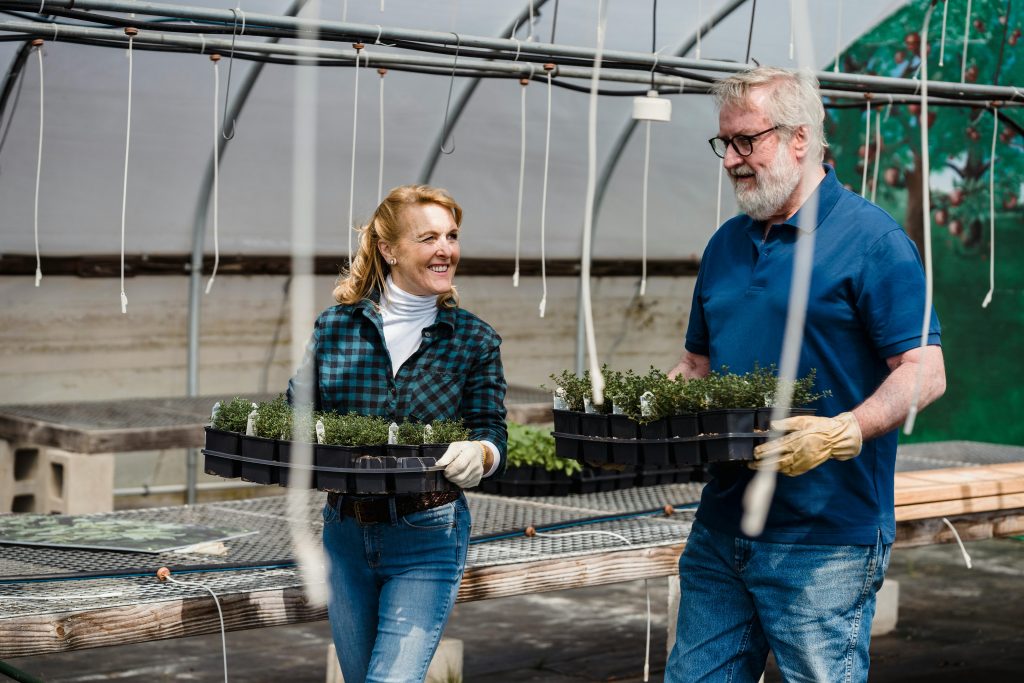
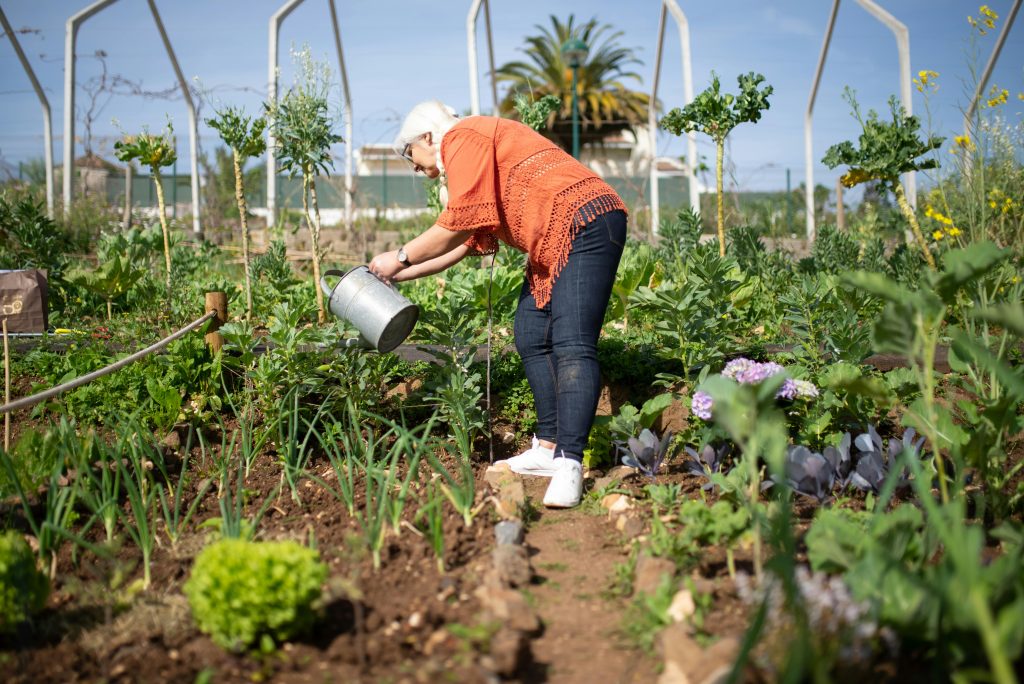
Senior woman tending to garden in Portugal, watering plants on a sunny day.

Lifestyle Integration: Making Every Move Count

In the clinical framework of Geriatric Physical Therapy (2020), exercise is not something that only happens within the four walls of a clinic. True rehabilitation occurs when movement becomes a seamless part of your daily existence. Embracing a philosophy of Active Living allows seniors to reclaim their Vigor by transforming mundane chores into therapeutic “doses”

Lifestyle Integration: Making Every Move Count Read Post »

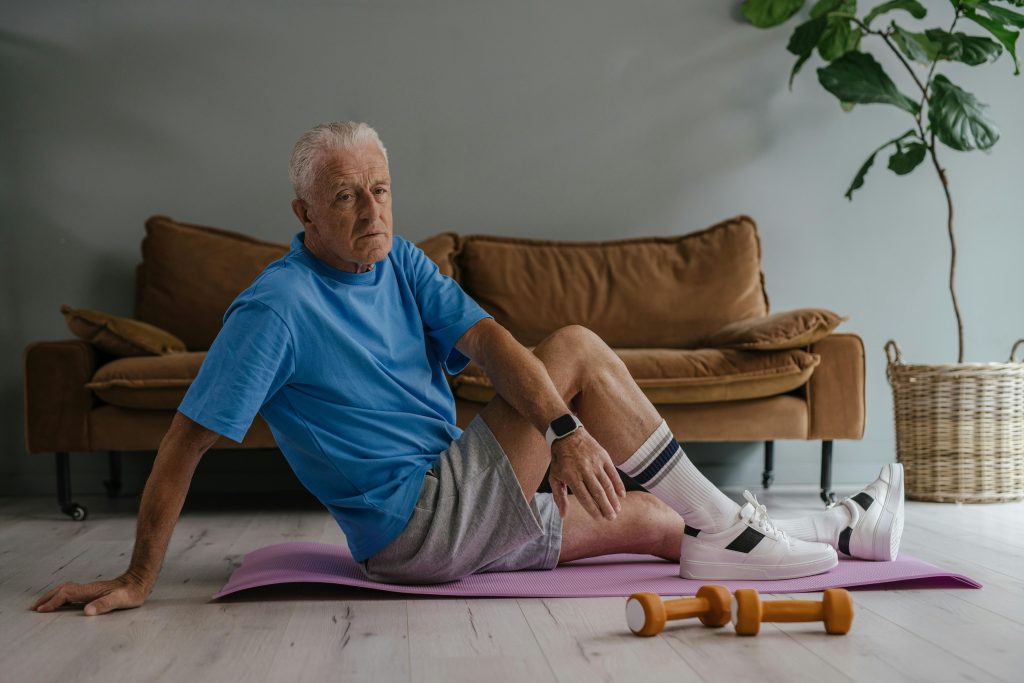
Wearables and Apps: Tech for the Modern Senior

In the era of modern geriatric care, the “Exercise is Medicine” philosophy has been revolutionized by digital data. In the clinical framework of Geriatric Physical Therapy (2020), we emphasize that what gets measured gets managed. Integrating Senior Fitness Technology into a daily routine allows us to visualize the Slippery Slope of Aging in real-time, transforming

Wearables and Apps: Tech for the Modern Senior Read Post »

Scroll to Top