
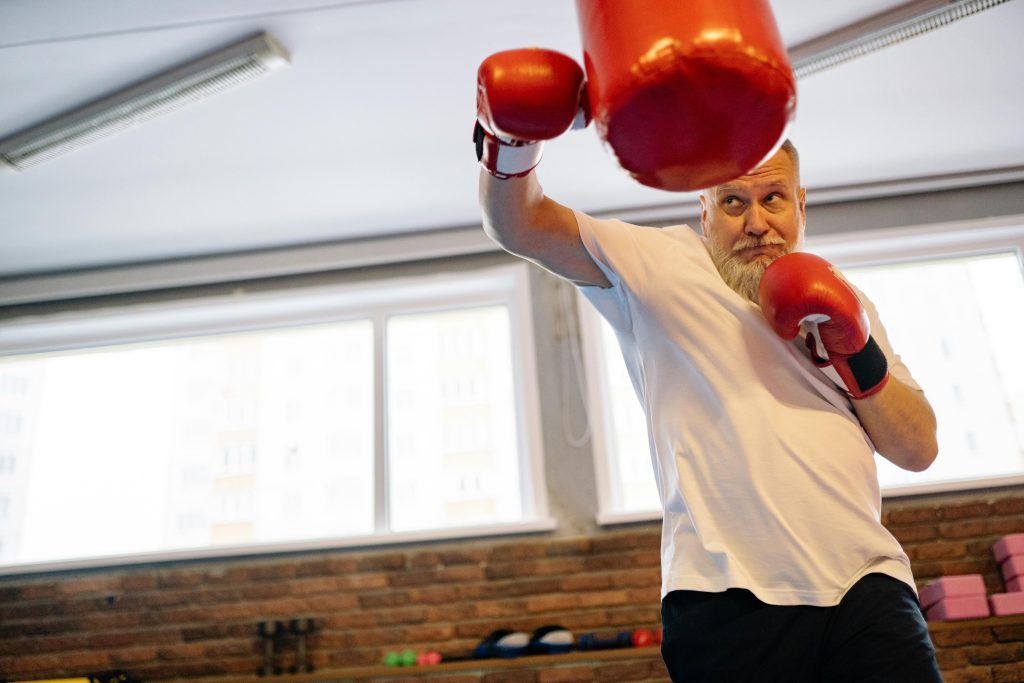
As we conclude this pivotal chapter of our rehabilitation journey, we reflect on the transformative power of purposeful movement. In the clinical framework of Geriatric Physical Therapy (2020), we have transitioned from basic mobility to the sophisticated integration of sensory and motor systems. This Exercise as Medicine Wrap-Up serves as both a milestone and a bridge; we have spent the last four weeks refilling your Physiological Reserve and widening your Safety Buffer. By mastering the foundational “doses” of functional training, you are no longer just surviving the Slippery Slope of Aging—you are climbing back up with Vigor.
1. The Month 5 Milestone
In the clinical framework of Geriatric Physical Therapy (2020), Month 5 represents a critical threshold. We have moved beyond the “acute” phase of healing and entered the world of Functional Vigor. This is where the Slippery Slope of Aging is actively contested. No longer are we merely preventing a fall; we are training for life.
For the senior reader, this month has been about reclaiming the “little wins” that define a big life. Whether it is standing up from a low sofa without using your hands or navigating the uneven grass of a backyard, you have successfully widened your Safety Buffer. This month’s work was the “down payment” on your future independence, ensuring that you have the Physiological Reserve to handle the unexpected bumps in the road. Exercise is the fuel that adds years to your life and, more importantly, life to your years.
2. Clinical Review: The Exercise as Medicine Wrap-Up
From a Professional Perspective, we must treat movement with the same precision as pharmacology. This Exercise as Medicine Wrap-Up highlights the successful application of the SAID Principle. Over the past 30 days, we have moved from low-load “safety” exercises to high-velocity, multi-planar movements.
- Dose-Response: By increasing the “dose” of resistance and balance challenge, we have seen a direct “response” in neuroplasticity.
- Force Production: Our focus on the “anti-gravity” muscles (glutes, quads, and calves) has refilled the metabolic tank, allowing for a more efficient gait.
- Take-Home Tip for Caregivers: “Dose” matters. If the exercises feel “easy” for the senior, the medicine is no longer working. To maintain the Physiological Reserve, we must safely increase the challenge—either by adding a few seconds to a balance hold or reducing hand-support during a sit-to-stand.
3. The Three Pillars of Stability
A core theme of our Exercise as Medicine Wrap-Up has been the “Sensory Re-Weighting” process. Balance is not a single sense; it is a conversation between three distinct systems.
- Somatosensory (The Feet): We have trained the brain to trust the signals coming from the soles of the feet, even on compliant surfaces like foam.
- Visual (The Eyes): We have challenged the “Visual Anchor” by introducing head turns and gaze stabilization drills, preventing the senior from becoming “visually dependent” on the floor.
- Vestibular (The Inner Ear): We have pushed the inner ear to act as the “tie-breaker” when the eyes and feet are confused.
By strengthening these three pillars, we have created a more resilient “postural set.” The senior is now better equipped to navigate “visually noisy” environments, like a busy supermarket or a dimly lit hallway, with significantly less risk of a “communication breakdown” in the nervous system.
4. Functional Training: The Month 5 Performance Audit
In the “Exercise is Medicine” framework, we use a Functional Audit to bridge the gap between clinical drills and real-world Vigor. By mapping daily struggles to specific “doses” of movement, we use the SAID Principle to plug the leaks in your Physiological Reserve and expand your Safety Buffer.
- Retrieving Items from High Shelves: Reaching upward often destabilizes the center of mass. We use Wall Angels for scapular stability and Power Heel Raises to strengthen the “ankle strategy.” This ensures you can reach high without the risk of tipping backward.
- Stepping Over Bathtub Thresholds: Negotiating curbs requires single-leg stability. We prescribe High Marching with a 3-Second Pause to force the brain to maintain balance while the base of support is halved, ensuring the trailing foot clears obstacles safely.
- Recovering Dropped Items: Reaching for the floor requires “braking” strength in the legs. We use Staggered Stance Squats to simulate uneven weight distribution, building the eccentric quad control needed to descend and ascend without “furniture walking.”
- Carrying Groceries or Laundry: Carrying objects obscures the feet and shifts your gravity. We master the Farmer’s Carry to rebuild the core stability and grip strength required to navigate your home while your hands are occupied.
- Navigating Dimly Lit Hallways: To reduce “visual dependency,” we use the Tandem Stance (Eyes Closed). This forces the inner ear and the soles of the feet to provide balance data, allowing you to walk confidently even in low-light environments.
5. Professional Deep-Dive: Sensory Organization Testing (SOT)
For the Allied Health Professional, Month 5 is the time to reassess the Sensory Organization Test (SOT). This clinical “stress test” reveals how effectively the patient’s brain is “weighting” sensory inputs. As we conclude this phase, we look for a significant shift in Condition 5 and Condition 6.
- Condition 5 (The Vestibular Isolation): The platform sways with the patient, and their eyes are closed. This forces the patient to rely 100% on their inner ear. A success here indicates that we have successfully “unlocked” the vestibular system, which is the ultimate insurance policy against falls.
- The Progress Marker: In Month 1, a patient might have relied heavily on “Visual Dependency” (Condition 3). By Month 5, through the SAID Principle, the patient should demonstrate “Sensory Re-weighting”—the ability to ignore “lying” data from a moving floor or busy visual field and trust their internal gyroscopes.
6. Dose-Response: Integrating Exercise as Medicine Wrap-Up
To wrap up this month, we must discuss the physiological “Why” behind our intensity. In geriatric rehab, “under-dosing” is a common mistake. According to Geriatric Physical Therapy (2020), the transition from 40% to 85% of Heart Rate Reserve (HRR) is where the magic of Functional Vigor happens.
- The 40% Zone (Maintenance): This is basic “active range of motion.” It keeps joints lubricated but does little to refill the Physiological Reserve.
- The 85% Zone (The Vigor Zone): High-intensity functional training (HIFT) triggers hormonal responses—like the release of Brain-Derived Neurotrophic Factor (BDNF)—that actually repair and build neural pathways.
When we push a senior to 85% of their HRR during a rapid sit-to-stand or a weighted carry, we aren’t being “tough”—we are providing the exact biological signal the body needs to combat the Slippery Slope of Aging.
Professional Pearl: Always monitor the “Rate of Perceived Exertion” (RPE). A Month 5 senior should be working at a “7 or 8 out of 10” during their peak sets to ensure the adaptation is truly “medicine.”
7. Assistive Devices: Transitioning and Graduating
A key component of our Exercise as Medicine Wrap-Up is reassessing the tools we use for mobility. In the early stages of the Slippery Slope, a walker may have been a necessary “external reserve.” However, as your Physiological Reserve grows, the goal often shifts toward “graduating” to a less restrictive device.
- The Graduation Criteria: We look for “Gait Symmetry” and “Dynamic Balance.” If you can perform a 30-second Chair Stand with Vigor and maintain a steady Tandem Stance, you may be ready to move from a 2-wheeled walker to a cane.
- The “Psychology of the Cane”: For many, a cane feels like a badge of frailty. We reframe this: a cane is a “sensory antenna.” It isn’t just for leaning on; it provides your brain with a constant stream of data about the ground’s texture and slope, widening your Safety Buffer.
- When to Stay Put: Graduation isn’t mandatory. If a 4-wheeled rollator allows you to walk 20 minutes in the park versus 5 minutes with a cane, the rollator is the better “medicine” for your heart and soul.
8. Case Study: The Road to Month 6
Meet “Robert,” a 74-year-old who entered Month 1 struggling to walk to his mailbox without shortness of breath. By applying the SAID Principle, we didn’t just give him “walking homework.” We gave him “stair intervals” and “weighted carries” (Exercise as Medicine).
The Month 5 Breakthrough: Robert’s daughter planned a trip to a mountain cabin. In Month 2, Robert would have stayed home. In Month 5, he performed his own Functional Audit. He practiced “stepping over a 4-inch block” to simulate cabin thresholds and “side-stepping” to navigate tight hallways.
The Result: Robert didn’t just survive the trip; he led the family on a short nature walk. By pushing his intensity to 80% of his heart rate reserve, he built the Vigor necessary to enjoy his life, not just manage his age. He is now entering Month 6 (Fall Prevention), not as a “patient,” but as an athlete of aging.
9. Caregiver’s Tool: The Month 5 Environmental Check
As the senior’s mobility improves, the home environment must evolve. An environment that was “safe” for someone who barely moved can become a “hazard” for someone moving with new Vigor and speed.
The “New Vigor” Home Audit:
- Lighting Velocity: As gait speed increases, lighting must be more responsive. Ensure motion-sensor lights in hallways trigger early enough to account for a faster walking pace.
- Threshold Contrast: Use high-contrast tape on the edges of steps or transitions. A senior with more Vigor often looks further ahead than their feet; visual cues help prevent a “toe-catch.”
- The “Pivot Space”: Ensure there is enough room for the senior to practice the “stepping strategy” we’ve been training. Clear out small side tables that might block an emergency recovery step.
- Footwear Check: With higher-intensity exercise comes the need for better equipment. Ensure the seniors’ “indoor shoes” have firm soles and a secure heel—no more loose slippers for our Month 5 graduates!
10. Conclusion: Reclaiming Vigor and the Exercise as Medicine Wrap-Up
As we close this Exercise as Medicine Wrap-Up, remember that every repetition has been an investment in your independence. We have utilized the SAID Principle to turn “movement” into “medicine,” successfully shifting your position on the Slippery Slope of Aging. You have refilled your Physiological Reserve, not just to prevent a fall, but to ensure that your daily life is defined by Vigor rather than limitation.
As we look toward Month 6, our focus will shift specifically to advanced Fall Prevention. We will take the strength and sensory integration you’ve built this month and apply it to “perturbation training”—teaching your body to react instinctively to the unpredictable.
Caregiver Focus: The Safety Spotter’s Guide
As exercises reach the “85% HRR” intensity zone, the caregiver’s role transitions from a passive observer to an active safety partner. Use these techniques to support high-intensity movements without risking your own musculoskeletal health:
- The “Power Stance” Spot: When your loved one is performing rapid sit-to-stands or weighted carries, stand slightly behind and to the side. Keep your own feet wide and knees slightly bent. This lowers your center of gravity, allowing you to provide a steadying “anchor” if they lose balance.
- The “Hips, Not Hands” Rule: If the senior begins to sway, provide tactile cues at the hips or the pelvis. Avoid grabbing their hands or arms, as this can pull them off-center and strain your shoulders. A gait belt is the gold standard for providing a safe “handle” for the spotter.
- The “Nose Over Toes” Cue: During the eccentric (lowering) phase of a squat or sit-to-stand, remind them to keep their “nose over toes.” This keeps their weight centered over their base of support and prevents a “plopping” fall backward into the chair.
By following these principles, you aren’t just a helper; you are a vital part of the clinical team. You are helping to ensure the “medicine” is delivered safely and effectively.
Are you ready to take the next step in your journey? Month 6 is all about the “Emergency Brake”—mastering the reactions that stop a trip from becoming a fall. Join us at geriatricrehab.es as we kick off our Fall Prevention month and turn your new strength into ultimate stability!













