March 2026

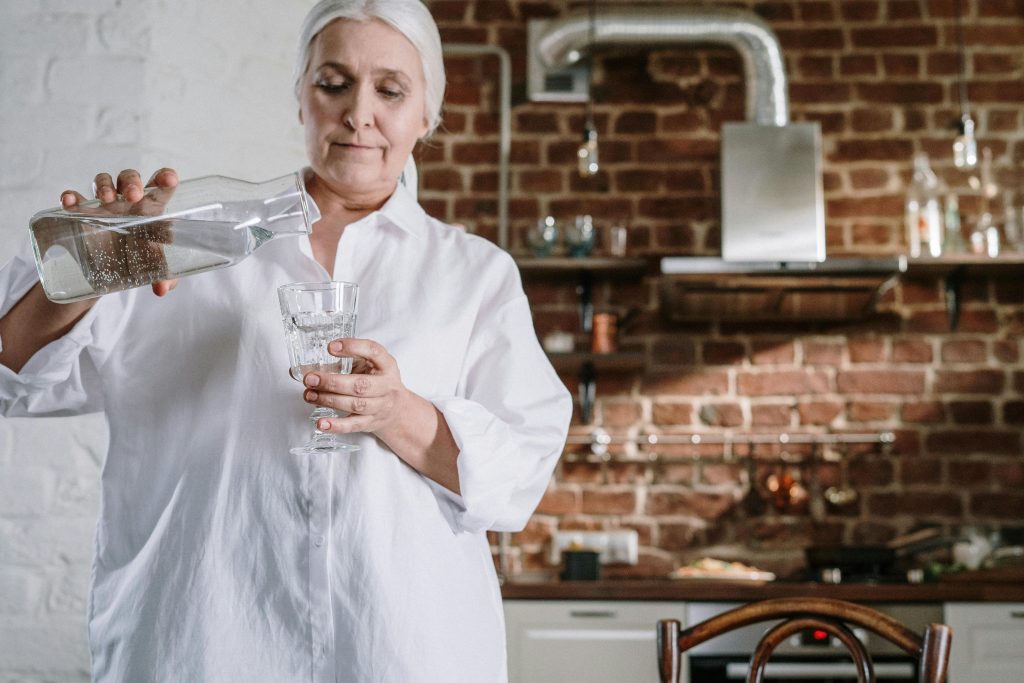
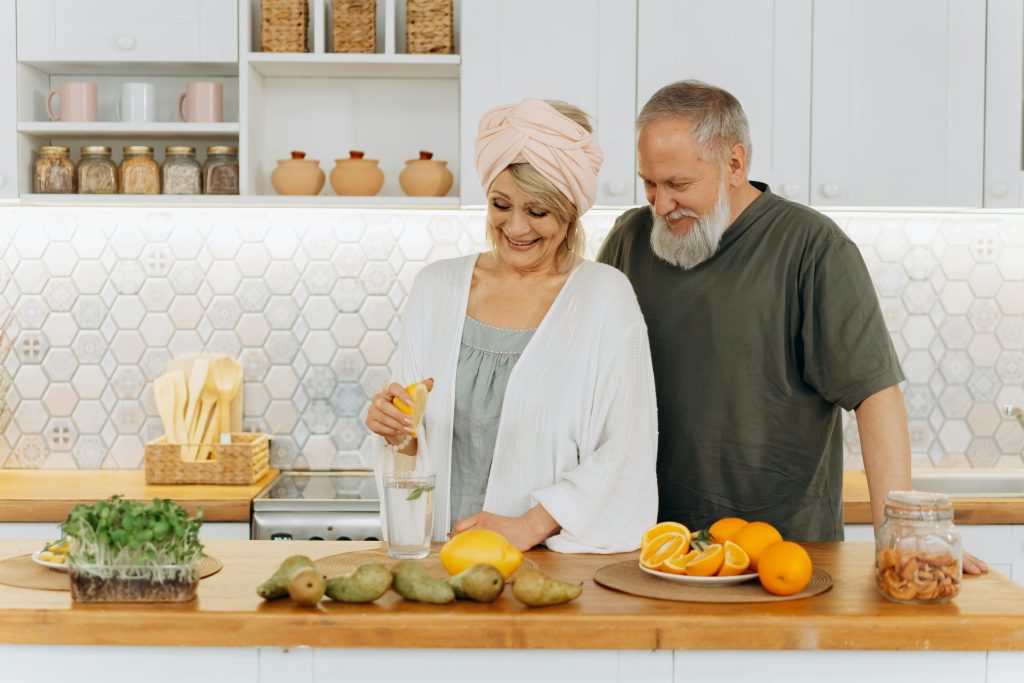
Elderly woman with grey hair pouring water into a glass in a cozy brick kitchen.

Dehydration Risks: The Thirst Mechanism in Seniors

As a geriatric physical therapist, I often encounter patients who arrive for their sessions feeling fatigued, dizzy, or cognitively “foggy.” While we often look for complex neurological or cardiovascular causes, the culprit is frequently much simpler: Senior Dehydration. Maintaining fluid balance is a cornerstone of geriatric health, yet it is one of the most difficult

Dehydration Risks: The Thirst Mechanism in Seniors Read Post »
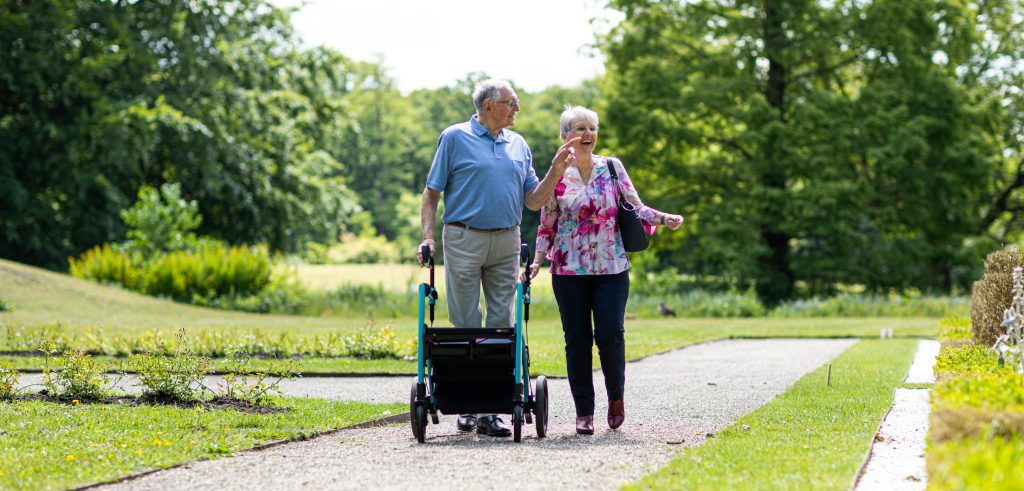
Senior couple walking in a park with a walker, enjoying a sunny day outdoors.

Gut Health: Changes in Digestion and Absorption

When we discuss geriatric rehabilitation, the conversation usually centers on joint mobility and muscle strength. However, as an expert in geriatric physical therapy, I know that the success of any exercise program is fundamentally limited by the fuel available to the body. This brings us to the critical, yet often overlooked, field of Geriatric GI

Gut Health: Changes in Digestion and Absorption Read Post »

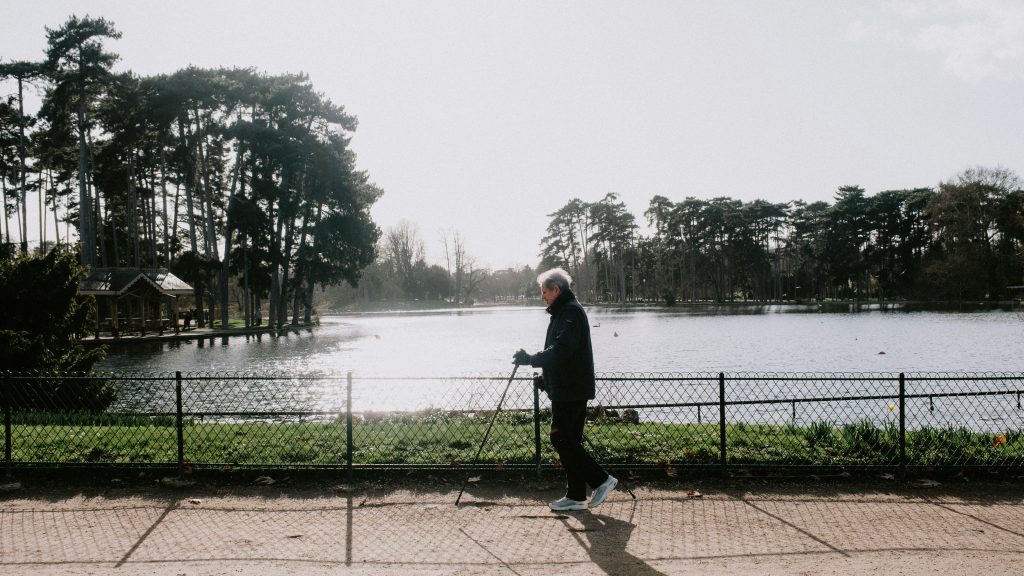
Elderly woman enjoying a stroll by the lakeside in a sunlit park with trees.

Sleep and the Aging Brain: Why Rest Patterns Shift

For many older adults, the once-reliable ability to sleep through the night becomes an elusive luxury. While society often dismisses these changes as a natural byproduct of “getting old,” the underlying physiological shifts in Senior Sleep Patterns are deeply rooted in the neurobiology of the aging brain. As a geriatric physical therapist, I witness firsthand

Sleep and the Aging Brain: Why Rest Patterns Shift Read Post »
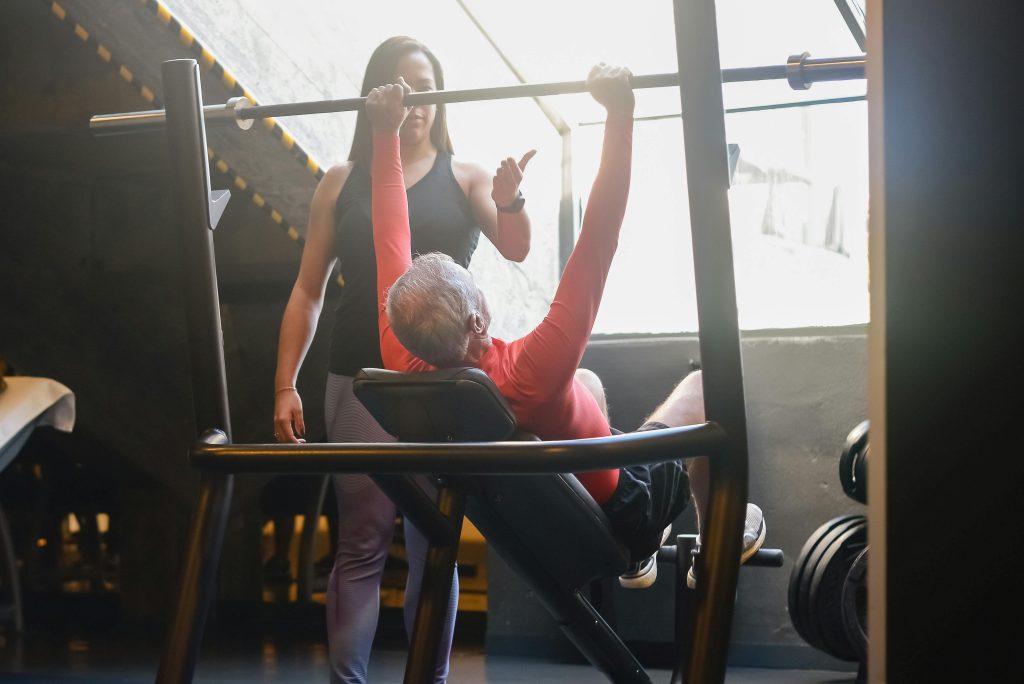
Senior man lifting weights in a gym with guidance from a female trainer, promoting fitness and a healthy lifestyle.

Hormones and Aging: The Impact on Muscle and Bone

The human body is governed by a sophisticated chemical messaging system that dictates how we grow, heal, and maintain our structural integrity. As we move through the lifespan, the efficiency of this system shifts—a process known as endocrine aging. This transition isn’t just about “getting older”; it is a systemic recalibration of how our bodies

Hormones and Aging: The Impact on Muscle and Bone Read Post »

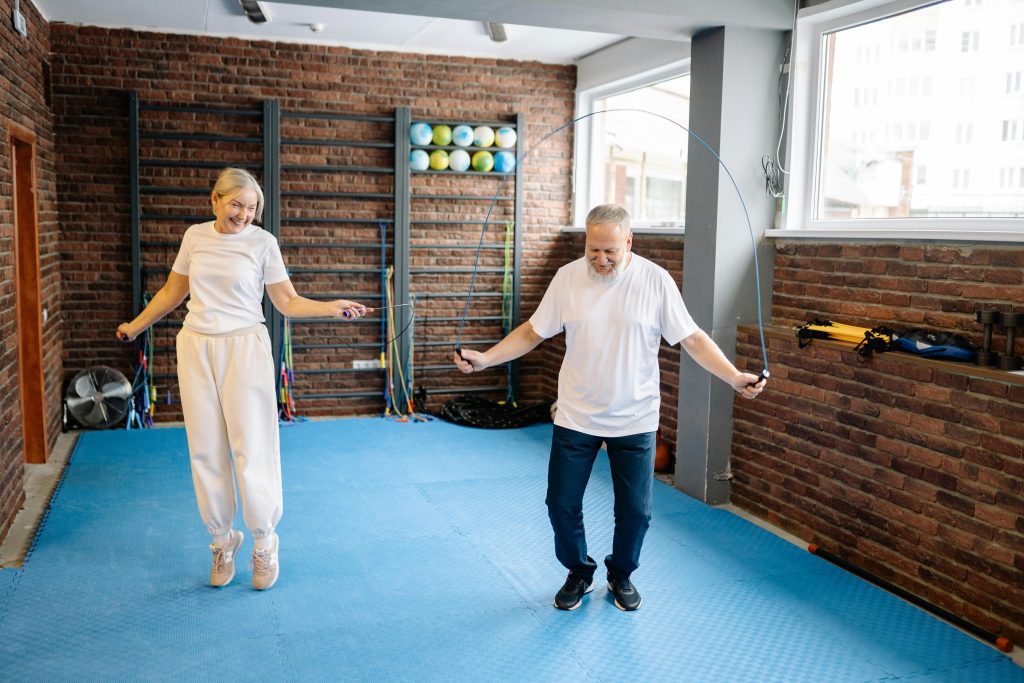
Elderly man and woman joyfully jump rope in a bright gym promoting a healthy lifestyle.

Why Seniors Are More Vulnerable to Infection

As we age, our bodies undergo a profound biological transformation that extends far beyond visible wrinkles or graying hair. One of the most critical, yet invisible, changes occurs within our internal defense network. This process, known as immunosenescence, refers to the gradual deterioration of the immune system associated with advancing age. For seniors, immunosenescence is

Why Seniors Are More Vulnerable to Infection Read Post »

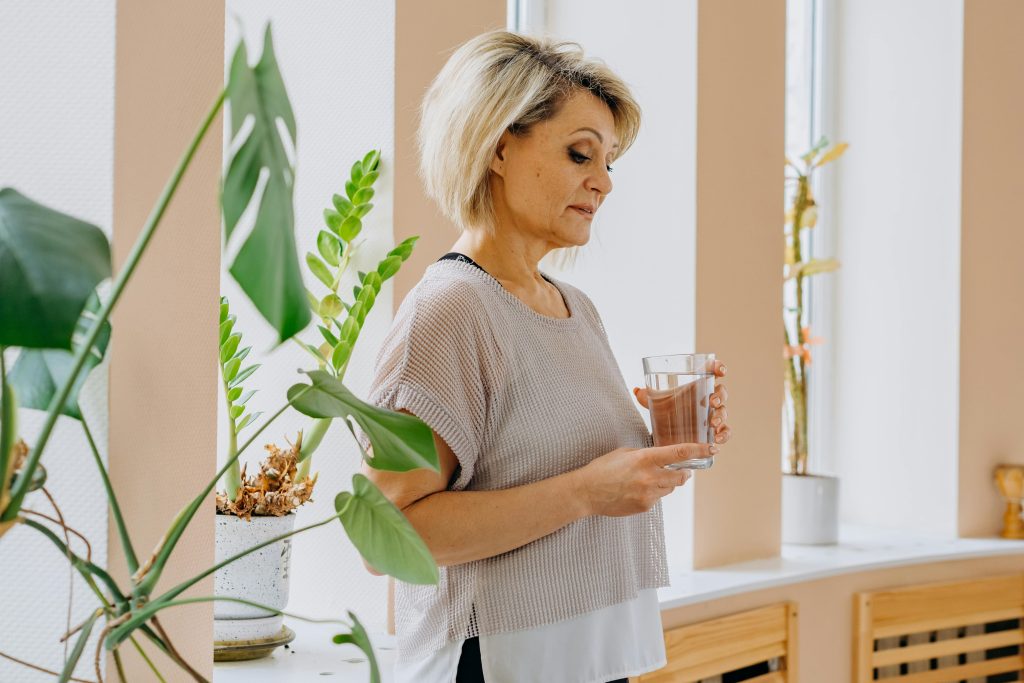
Senior woman in a bright room holding a glass of water surrounded by indoor plants.

Kidney Health: Fluid and Electrolyte Balance

The human body is an intricate biological machine, and the kidneys serve as its master chemists. As we age, however, the efficiency of these organs undergoes a natural transition. Understanding geriatric renal function is not just a matter of clinical interest; it is a fundamental requirement for maintaining independence and longevity. For seniors and their

Kidney Health: Fluid and Electrolyte Balance Read Post »

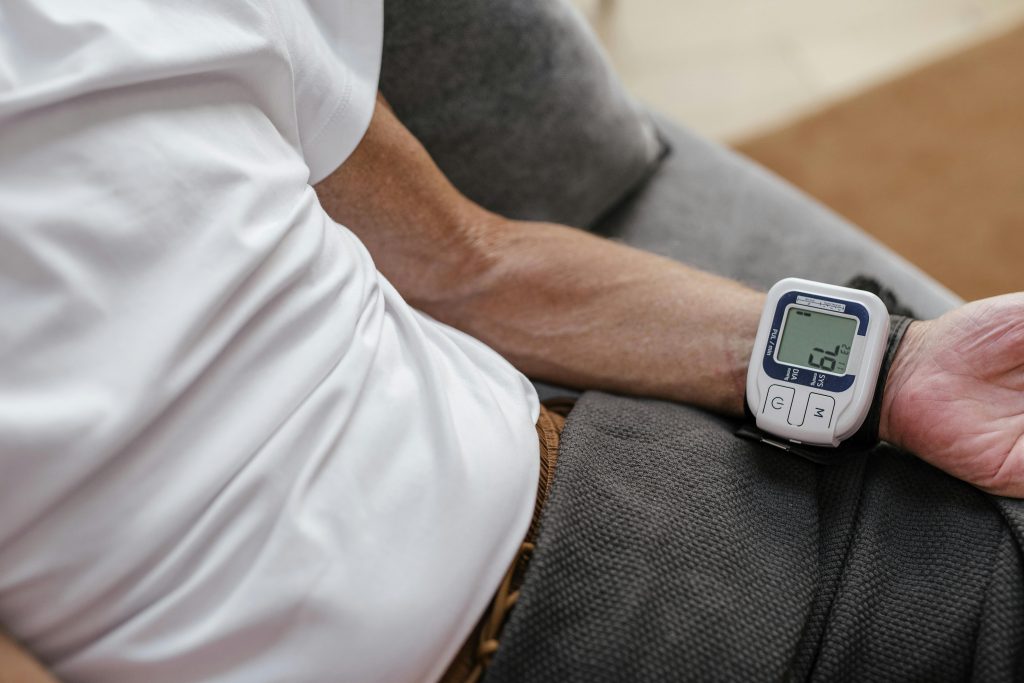
Adult man using a wrist blood pressure monitor to measure blood pressure at home.

The 220-Age Rule: Heart Rate Changes in Aging

While aging is often viewed as a process of inevitable decline, the science of cardiovascular physiology reveals a story of significant adaptability. By understanding the “why” behind lowering the heart rate ceiling, we can transition from clinical guesswork to physiological precision. This article examines how managing physical stress functions as a biological signal, instructing the

The 220-Age Rule: Heart Rate Changes in Aging Read Post »

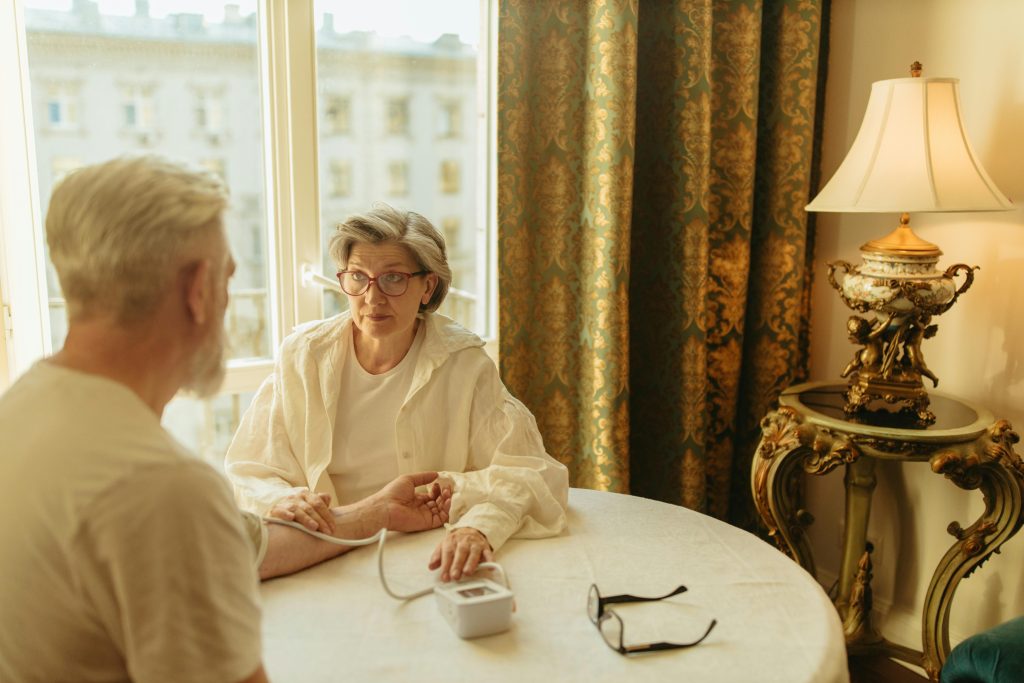
Senior woman checks man's blood pressure at home. Warm light, caring interaction.

Aging and the Heart: Understanding Vascular Stiffening

Most people think of heart health as a simple matter of the “pump” the heart itself. If the heart is beating, everything must be fine. However, in geriatric health, we must look at the “pipes.” At geriatricrehab.es, we focus on a critical, often invisible process: Cardiovascular Aging. This is the structural change in our arteries

Aging and the Heart: Understanding Vascular Stiffening Read Post »

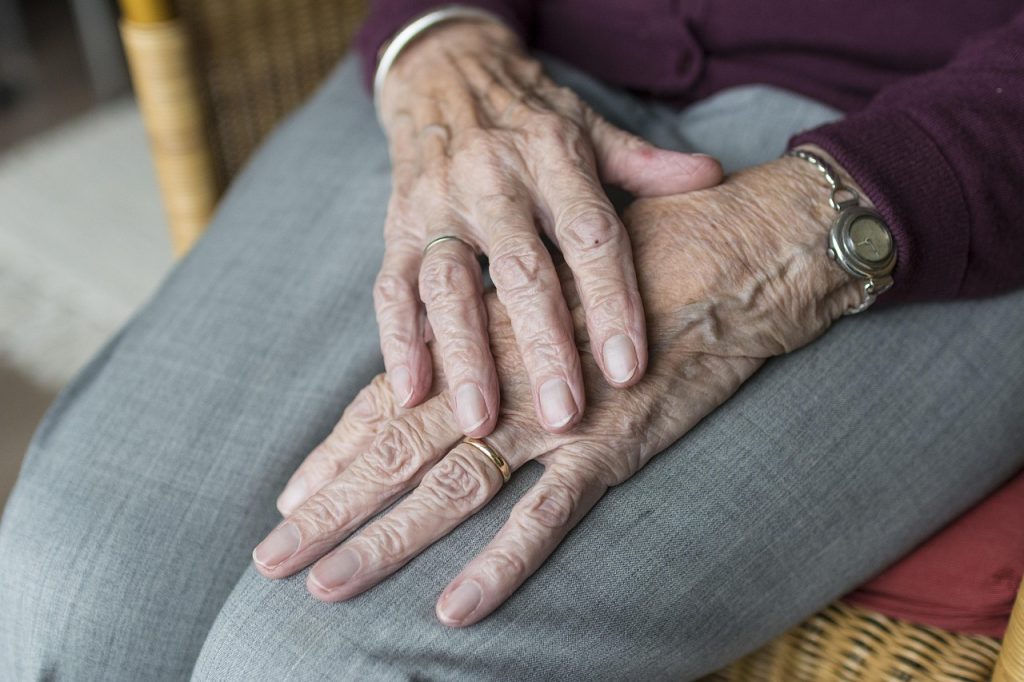
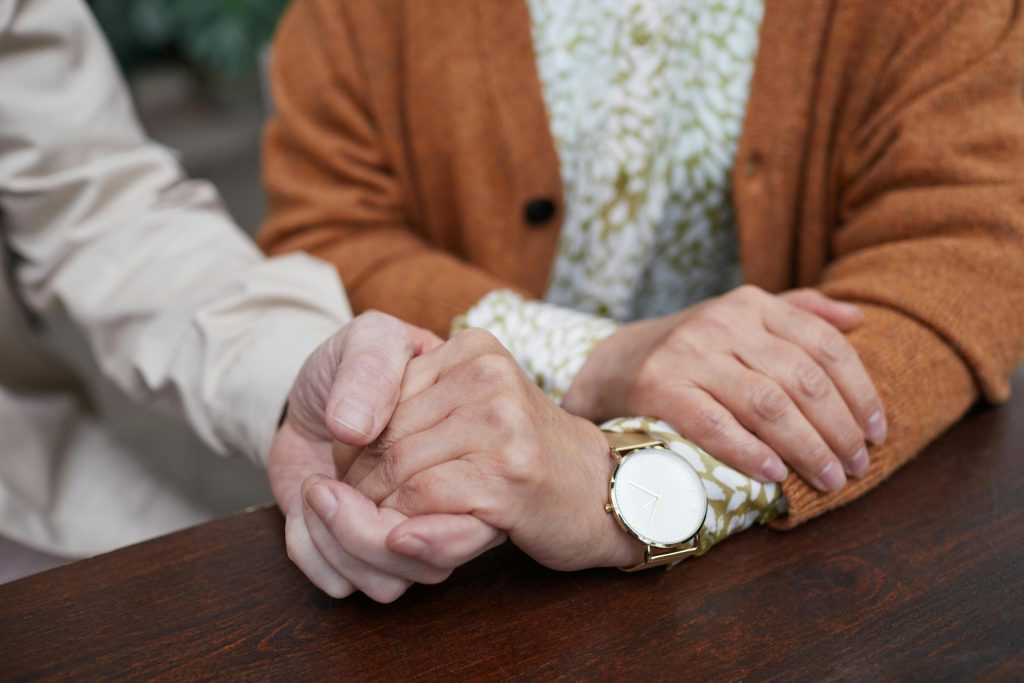
Close-up of senior couple's hands showing love, support, and togetherness.

Skin Integrity: Why Senior Skin Becomes Fragile

The human skin is a dynamic, living organ, not a static wrapping. While aging is often equated with inevitable decay, the science of mechanobiology shows that skin remains capable of adaptation. By understanding the “why” behind dermal thinning, we can shift from reactive care to proactive preservation. This article explores how managing physical stress serves

Skin Integrity: Why Senior Skin Becomes Fragile Read Post »

Hands holding dumbbells against motivational text "Whatever It Takes" in a gym setting.

The Physical Stress Theory: The Science of “Overload”

The pursuit of “Optimal Aging” is often misunderstood as a quest for comfort and the avoidance of strain. However, the biological reality of the human body is governed by a fundamental law: change only occurs in response to challenge. In the world of geriatric rehabilitation, this concept is codified as the Physical Stress Theory. To

The Physical Stress Theory: The Science of “Overload” Read Post »

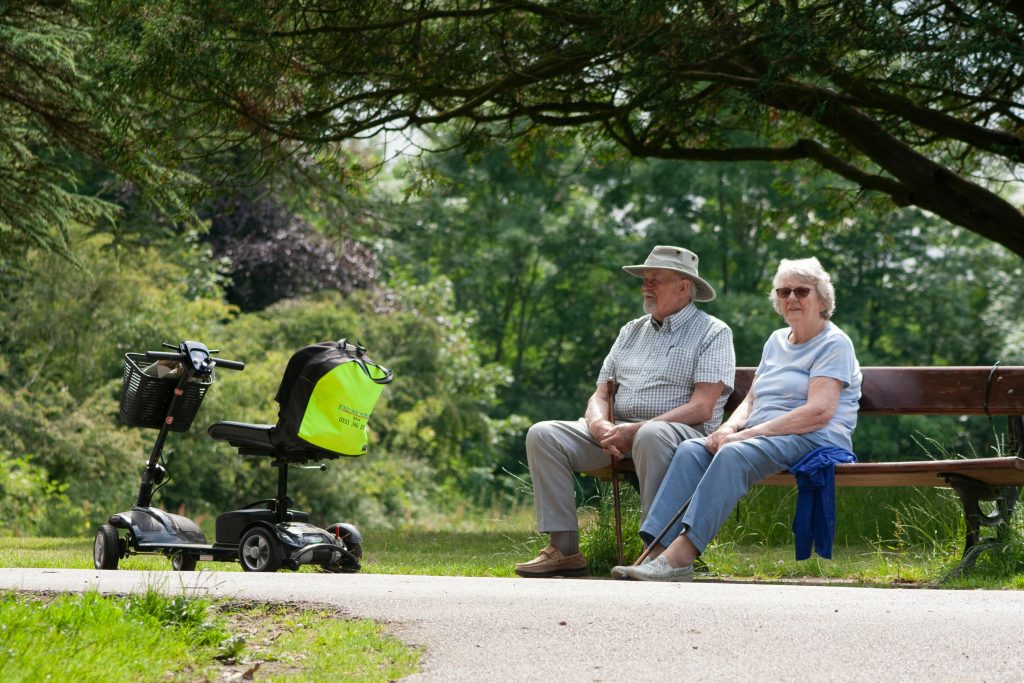
Elderly couple sitting on a park bench with a mobility scooter nearby, enjoying a peaceful moment.

Understanding Homeostenosis: Why Resilience Fades

Have you ever noticed how a minor cold or a particularly warm afternoon can cause a senior to experience a sudden, disproportionate decline in health? At geriatricrehab.es, we recognize that this isn’t just “bad luck”; it is a physiological signal that their internal safety margin has become dangerously thin. Understanding the “why” behind this fragility

Understanding Homeostenosis: Why Resilience Fades Read Post »

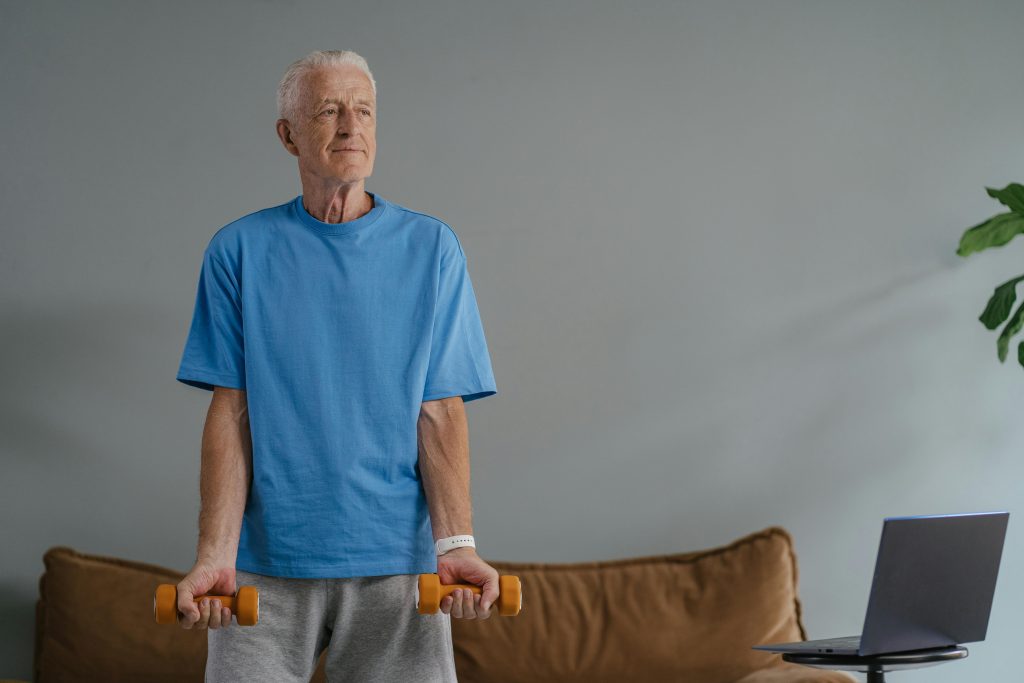
Elderly man in blue shirt lifting dumbbells near laptop, embracing home fitness.

Building Your Foundation for a Year of Rehab

In the past, rehabilitation for the older adult was often viewed through a lens of “maintenance” or “palliative care” simply keeping the patient comfortable as they naturally declined. However, contemporary science has moved toward a more aggressive, evidence-based model. Mastering geriatric rehab basics means understanding that the aging body is still capable of remarkable adaptation

Building Your Foundation for a Year of Rehab Read Post »

Scroll to Top