
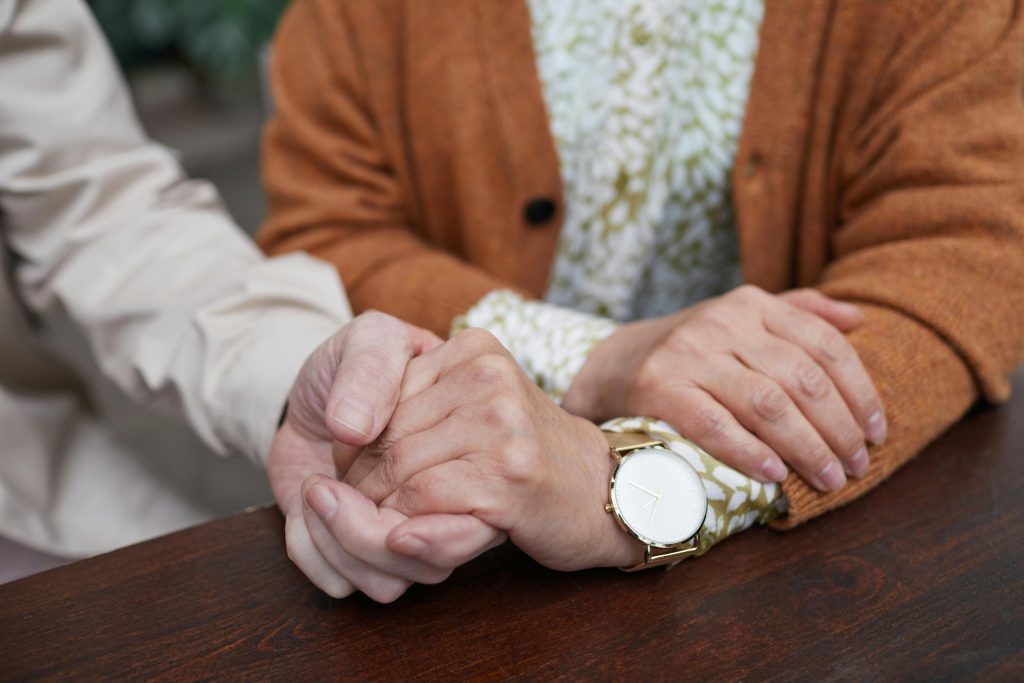
The human skin is a dynamic, living organ, not a static wrapping. While aging is often equated with inevitable decay, the science of mechanobiology shows that skin remains capable of adaptation. By understanding the “why” behind dermal thinning, we can shift from reactive care to proactive preservation. This article explores how managing physical stress serves as a biological signal, instructing the body to reinforce its “biological envelope” and maintain a resilient first line of defense. Establishing a rigorous routine for senior skin care is not merely a cosmetic choice; it is a clinical necessity for preserving independence and preventing systemic complications.
1. The Biological Envelope: Foundations of Senior Skin Care
The integumentary system is far more than an aesthetic covering; it is a complex, multi-layered biological envelope that serves as our primary defense against infection, dehydration, and mechanical injury. In the context of geriatric rehabilitation, skin integrity is often a bellwether for systemic health. As we age, the skin undergoes a profound physiological transformation that necessitates a specialized approach to senior skin care.
Understanding the “why” behind skin fragility is critical for both the clinician and the family member. It is not merely that the skin becomes “old,” but rather that its internal architecture, the collagen scaffolding, and the vascular supply undergo a process of atrophy. This reduces the body’s physiological reserve, making even minor stressors potentially catastrophic. Within the first few steps of any senior skin care plan, we must acknowledge that maintaining this barrier is as vital to independence as muscle strength or bone density. Without an intact envelope, safe movement and intensive rehab become impossible due to the looming risk of infection and chronic wounding.
2. Anatomy of the Aging Dermis: Why the “Velcro” Fails
To appreciate the fragility of senior skin, we must examine the microscopic interface between the top layer (epidermis) and the support layer (dermis). In youthful skin, this interface is characterized by rete pegs finger-like projections that interlock the layers like a high-strength Velcro.
As we age, these rete pegs flatten out. This “flattening of the dermal-epidermal junction” significantly reduces the surface area connecting the two layers. Consequently, the mechanical bond that prevents the skin from sliding off the underlying tissue is compromised. Furthermore, the dermis loses approximately 20% of its thickness, primarily due to a reduction in Type I and Type III collagen.
For the caregiver, this explains why a senior can suffer a “skin tear” from a simple grab or a slide across a bedsheet. In a younger person, the Velcro holds; in a senior, the layers “shear” apart. This anatomical reality is the primary reason why Senior Skin Care must focus on reducing “friction” and “shear” above all else. When the internal Velcro fails, the skin becomes as vulnerable as wet tissue paper.
3. The Physical Stress Theory (PST) and Skin Adaptation
In accordance with the principles found in Geriatric Physical Therapy (2020), we apply the Physical Stress Theory to the integumentary system to determine the safe “dosage” of pressure and friction. Skin, like any biological tissue, has five distinct responses to stress:
- Death (Necrosis): This occurs when external pressure exceeds capillary closing pressure (roughly 32 mmHg). If a senior sits on a hard surface for too long, blood flow is cut off, and the tissue dies from the inside out, creating a pressure injury.
- Injury: This manifests as skin tears or blisters. The stress (usually shear or friction) exceeds the skin’s immediate structural limits but hasn’t yet caused full tissue death.
- Increased Tolerance (Training): While senior skin is thin, it can still adapt. Gradual, controlled weight-bearing can “toughen” the skin, though this threshold is much lower than in younger adults.
- Maintenance: This is our “Safety Zone.” It involves enough movement to keep the skin healthy without crossing into injury.
- Decreased Tolerance (Atrophy): Paradoxically, total lack of stress (like being completely immobile in a specialized air bed without any repositioning) can make the skin even more fragile over time.
Take-Home Tip for Caregivers
The 2-Hour Rule. Because the “Death” threshold for senior skin is so low, you must reset the “stress clock” every two hours. If your loved one is in bed, they need a position change at least every 120 minutes. If they are in a chair, they should perform a “weight shift” (leaning side to side or a seated push-up) every 15 to 30 minutes to move the skin back into the Maintenance zone.
4. Professional Perspective: Vascular Health and Senior Skin Care
For the allied health professional, skin fragility is rarely an isolated integumentary issue; it is a clinical window into the patient’s vascular compliance. As the cardiovascular system ages, the aorta and peripheral arteries lose their elasticity, becoming like “stiff garden hoses.” This loss of compliance increases afterload, requiring the heart to pump against higher resistance, which can eventually lead to left ventricular hypertrophy.
In the lower extremities, this “stiffness” manifests as poor micro-circulation. When a patient presents with chronic venous insufficiency or peripheral edema, the skin is stretched beyond its elastic limit. This chronic stretching further reduces the skin’s compliance, making it “shiny,” thin, and prone to splitting under the slightest mechanical load.
Professionals must recognize that managing the cardiovascular system is a form of indirect Senior Skin Care. By utilizing compression therapy (when indicated) and elevating the limbs, we reduce the interstitial pressure that “pre-stresses” the skin. Reducing this internal tension moves the skin out of the Injury threshold and back into a state where the physical stress theory can be applied for safe mobilization and gait training.
5. The Caregiver Corner: “Stiff Hoses” and “Elastic Bands”
When we talk about senior skin care with families, it helps to use the “stiff hose” analogy. In youth, our skin and blood vessels are like flexible elastic bands they can be pulled, twisted, and stretched, and they simply snap back into place. Years of sun exposure and physiological changes turn those elastic bands into stiff garden hoses.
If you pull on a stiff, old garden hose, it doesn’t stretch; it cracks. This is exactly what happens to senior skin. If it is dry and “stiff,” it cannot handle the movement required for getting out of bed or a chair. This is why “moisturization” is not a luxury; it is a mechanical requirement to keep the “hose” flexible enough to move without snapping.
Take-Home Tip for Caregivers
Imagine the skin on your loved one’s forearm is a piece of wet tissue paper sitting on a wooden table. If you try to slide that tissue, it will shred. To move it safely, you have to lift it. When helping a senior move in bed, never “slide” their skin against the sheets. Use a draw-sheet (a folded sheet under their torso) to lift and shift their weight. This protects the “velcro” between the skin layers.
6. Mechanobiology of Shear: The “Silent” Risk of Bed Mobility
Shear is the “silent killer” of skin integrity. Unlike direct pressure, which pushes down, shear force happens when two layers move in opposite directions. For a senior in a hospital bed, this occurs most often when the head of the bed is elevated.
As gravity pulls the skeleton and deep muscle layers down toward the foot of the bed, the skin remains “stuck” to the linens due to friction. This stretches the blood vessels at the interface, often kinking or tearing the small capillaries that nourish the dermis. Under the Physical Stress Theory, this is a high-magnitude stress that causes injury even if the patient is only in that position for a short time.
To mitigate this, senior skin care protocols recommend keeping the head of the bed at or below 30 degrees whenever possible. If the head must be higher (for eating or breathing), the knees should be slightly bent (the “Fowler” position) to “lock” the hips in place and prevent the downward slide that generates shear.
7. Nutrition: The Biochemistry of the Dermal Matrix
In geriatric rehabilitation, we often say that you cannot build a house without bricks, and you cannot repair skin without protein. The dermis is essentially a dense matrix of connective tissue, and its resilience depends entirely on the “bricks and mortar” provided by a patient’s diet. For effective senior skin care, nutritional status is the most significant internal predictor of whether a tissue will stay in the maintenance zone or slide into death (necrosis).
- The Bricks (Protein): Collagen and elastin are proteins. If a senior is in a catabolic state—where the body breaks down its own tissues for energy the “construction crew” (fibroblasts) cannot find the amino acids (like proline and arginine) needed to reinforce the dermal lattice.
- The Mortar (Vitamin C and Zinc): These are essential cofactors. Vitamin C acts as the “glue” that allows collagen strands to cross-link and become strong. Without it, the “bricks” simply fall apart under mechanical stress.
- Hydration: Water is the “biological softener.” Dehydrated skin loses its turgor (fullness) and becomes like dry leather. When leather is dry, it cracks; when it is hydrated, it bends.
When a senior has a “protein-calorie malnutrition” deficit, their physiological reserve is depleted. Even a minor bump that would normally cause a small bruise instead leads to a full-thickness skin tear or a non-healing wound because the body lacks the “bricks” to close the gap.
8. Neuropathy and the Loss of the “Pain Sentinel”
One of the most dangerous aspects of aging skin is the “silent” nature of its failure. In a healthy system, pain acts as a sentinel, a warning signal that tells the brain to shift weight when pressure becomes too high. However, many seniors suffer from peripheral neuropathy or a general decrease in “proprioception” (the sense of body position).
Because the “why” behind the pain signal is muted or broken, a senior may sit in a single position long enough to cross from maintenance into the death (necrosis) zone of the physical stress theory without ever feeling a moment of discomfort. By the time a caregiver notices a “red spot,” the damage to the underlying deep tissue may already be irreversible.
Take-Home Tip for Caregivers:
If your loved one has diabetes or known numbness in their feet or backside, do not rely on them to tell you if they are uncomfortable. Implement a “Sensation Check” every 15 minutes while they are sitting. Have them perform a “seated push-up” or lean completely to one side for 60 seconds. This restores the “biological softener” of blood flow to the area, resetting the clock on tissue injury.
9. Complexity Management: Polypharmacy and the “Paper Skin” Effect
For the medically complex patient, Senior Skin Care is often complicated by the very medications intended to save their lives. This is a classic example of an Adverse Drug Reaction (ADR) impacting the integumentary system.
- Corticosteroids: Long-term use of steroids (for COPD or RA) is the leading cause of “parchment skin.” These drugs inhibit collagen synthesis so effectively that the dermis thins to a fraction of its normal width. Under the PST, these patients have a significantly lowered injury threshold.
- Anticoagulants (Blood Thinners): While these medications prevent strokes, they turn a simple “friction stress” into a massive internal hematoma. When blood pools under fragile skin, it creates “dead space” that can lead to skin necrosis from the inside out.
Allied health professionals must treat the skin of a patient on steroids or anticoagulants with the same caution they would use for a surgical wound. In these cases, the “Flexible Elastic Band” has been replaced by “Tissue Paper,” and every transfer or bed mobility task must be performed with zero friction.
10. Conclusion: Executing a 12-Month Senior Skin Care Strategy
As we conclude this exploration into the aging integumentary system, the message for seniors, caregivers, and professionals is clear: skin integrity is a foundational pillar of “optimal aging.” By applying the physical stress theory, we recognize that we must protect the skin from the “death” zone of excessive pressure and the “injury” zone of shear force.
We must move away from reactive wound care and toward proactive skin reinforcement. This means maintaining internal “compliance” through nutrition, using analogies like the “Stiff Garden Hose” to teach safe handling, and respecting the vascular links between the heart and the heels. Fragile skin is a physiological reality, but it does not have to result in a loss of independence. With a vigilant, 12-month vision for senior skin care, we can turn “wet tissue paper” back into a resilient, biological shield.
Is your skincare routine stuck in the “atrophy” zone? Consult a board-certified geriatric physical therapist at geriatricrehab.es to develop a comprehensive pressure-relief and skin-integrity plan tailored for your mobility goals today.













