
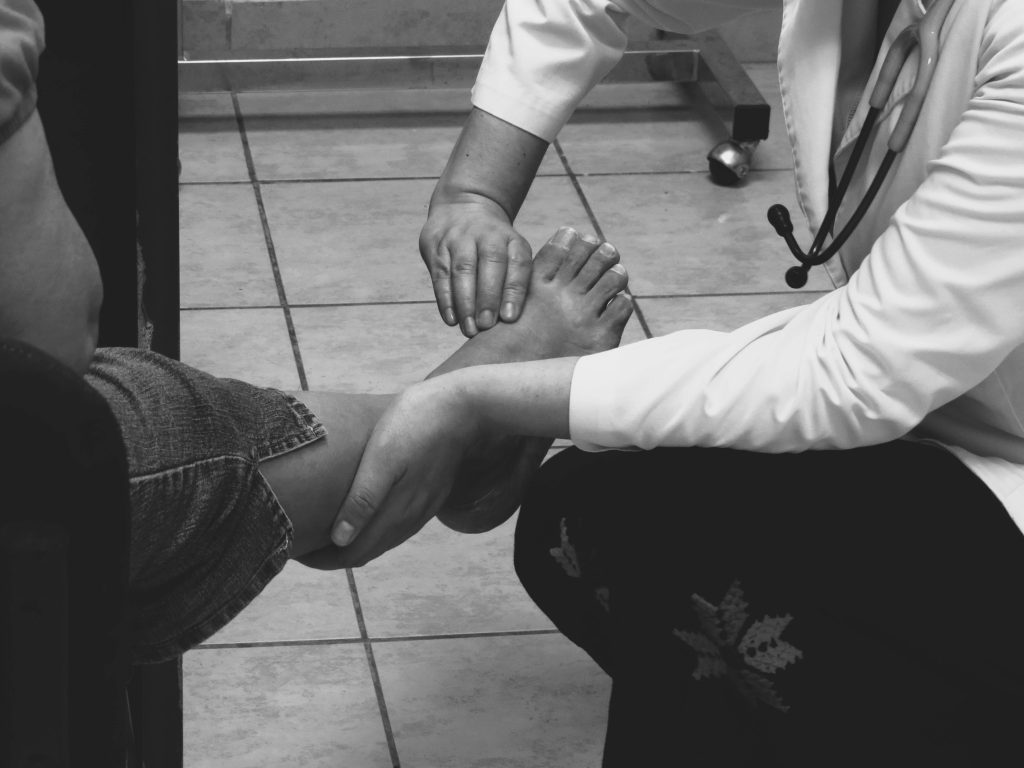
In geriatric care, we often witness a frustrating phenomenon: a minor scratch or a small blister that would have vanished in days for a younger person lingers for weeks or even months in an older adult. This is not just a matter of “getting older”; it is a clinical manifestation of Geriatric Wound Healing. At geriatricrehab.es, we recognize that skin repair is a systemic, energy-intensive process that relies on a robust biological “bank account”. By understanding the “Why” behind this physiological slowdown, we can better implement strategies to protect the skin and accelerate the body’s natural repair mechanisms.
1. The Invisible Delay
To understand why healing slows down, we must first recognize that the skin is our largest organ and our primary line of defense. In a young adult, the wound healing process is a high-speed, highly coordinated symphony of cellular activity. When an injury occurs, the body immediately triggers a series of chemical alarms that summon a “construction crew” of cells to seal the breach and rebuild the tissue.
However, Geriatric Wound Healing is characterized by a “quieting” of these biological alarms. Aging causes a systemic reduction in the speed and efficiency of cellular communication. According to principles in Geriatric Physical Therapy (2020), this is not a failure of the body to recognize the wound but a depletion of the Physiological Reserve needed to power the repair. Our goal at geriatricrehab.es is to help you realize that while the timeline of healing changes with age, we can use clinical evidence to optimize the environment for repair and prevent minor injuries from becoming chronic health crises.
2. The ‘Why It Matters’ Section: The Risk of Chronic Non-Healing
Why should seniors and caregivers be concerned about a “slow” wound? It matters because delayed healing is a major driver of the Slippery Slope of Aging. When a wound fails to close quickly, it remains an open door for infection, which can quickly drain the body’s remaining energy and push an individual from the “Function” zone into “Frailty”.
This delay in healing represents an erosion of the body’s Physiological Reserve. In a younger person, the “metabolic cost” of healing a small cut is negligible. For a senior, that same cut demands a significant portion of their available resources. If the wound stalls, the body enters a state of chronic inflammation, which further damages the surrounding healthy tissue. In geriatric rehabilitation, we see this manifest as a loss of mobility a senior may stop walking because of a persistent foot ulcer, leading to a rapid decline in cardiovascular and muscular health. Understanding this “Why” is essential because it shifts our focus from “just a cut” to a “systemic priority.”
3. Understanding Geriatric Wound Healing through the Phases of Repair
The primary biological reason for slow healing in seniors lies in the disruption of the first two critical stages: the inflammatory phase and the proliferative phase.
For Professionals: In older adults, the inflammatory response is often “blunted” yet prolonged. There is a delay in the signaling of cytokines, which are the chemical messengers that call white blood cells to the area. Furthermore, macrophage efficiency the cells responsible for cleaning up debris and bacteria is significantly reduced. As a result, the wound stays in a “dirty” state longer. This is followed by a sluggish proliferative phase, where fibroblast migration (the cells that create new collagen) is slowed down, meaning the “scaffold” for new skin takes much longer to build.
For Seniors and Caregivers: The “Delayed Construction Crew” Analogy
Think of your body’s healing process as a construction crew tasked with fixing a broken road. In a young person, the alarm goes off the second the road breaks, and the workers arrive in minutes with all their tools.
In Geriatric Wound Healing, it’s as if the alarm goes off late. When the construction crew finally hears it, they move a bit slower than they used to, and sometimes they forget their best tools at the shop. The “Inflammatory Phase” is the crew arriving and cleaning up the rubble, while the “Proliferative Phase” is the crew laying down new pavement. Because the workers are delayed and moving slowly, the road (your skin) stays “under construction” for a much longer time. At geriatricrehab.es, we provide the “extra fuel” and support that the crew needs to get the job done efficiently.
4. How Physical Stress Theory Influences Wound Recovery
At geriatricrehab.es, we use the Physical Stress Theory (PST) to determine the “why” behind tissue repair and breakdown. This theory explains that skin and underlying tissues respond to mechanical stress in five distinct ways, which is crucial for managing geriatric wound healing.
- Death: In seniors, the threshold for tissue death is significantly lower. Prolonged pressure even the weight of a limb against a mattress can cut off blood flow, leading to necrosis and the formation of pressure ulcers.
- Injury: Aging skin is thinner and lacks the elastic “give” of younger skin. A minor stressor that would only cause a bruise in a younger person can lead to a significant skin tear or “Injury” in an older adult.
- Increased Tolerance (Training): This is where rehabilitation plays a vital role. Controlled, low-level stress such as gentle compression or weight-shifting can actually “train” the skin and vessels to handle more load and trigger the healing cascade.
- Maintenance: In a sedentary senior, the “Maintenance” zone is often too low to keep tissues healthy. Without the stress of movement, skin integrity slowly degrades.
- Decreased Tolerance (Atrophy): Total bed rest causes rapid atrophy of the dermis and a loss of collagen. This makes the skin even more vulnerable to the next stressor, creating a dangerous cycle of non-healing.
5. The Biological Mechanism: Microvascular Decline and Nutrient Delivery
The “why” behind slow healing often boils down to a “delivery problem.” To rebuild skin, the body needs oxygen, amino acids, and immune cells, all of which are delivered via the blood.
For Professionals: Seniors often experience a decline in angiogenesis (the growth of new blood vessels) and significant endothelial dysfunction. This results in reduced oxygen tension at the wound site, which is necessary for the proliferative phase of healing. Without adequate perfusion, the metabolic “building blocks” cannot reach the site, stalling the repair process.
For Seniors and Caregivers: The “Blocked Delivery Route” Analogy
Imagine that your wound is a construction site that needs a shipment of bricks and cement to fix a wall. In a younger person, the roads are wide and clear.
In Geriatric Wound Healing, the “repair materials” are in the truck, but the delivery routes (your blood vessels) are blocked or narrowed. The roads might be under repair themselves, or they might be too small for the trucks to get through. If the materials can’t reach the site, the workers can’t build the wall. At geriatricrehab.es, we focus on “clearing the roads” through movement and vascular support to get those supplies moving.
6. Geriatric Wound Healing and the Cardiovascular Connection
Healing requires more than just local care; it requires a strong “pump” to move the blood to the furthest extremities. The stiffening of the aorta is a physiological reality in aging that directly impacts the body’s ability to heal wounds in the feet and lower legs.
For Professionals: This structural stiffening leads to a decrease in vascular compliance and an increase in afterload. When the system is rigid, the heart must work harder (leading to left ventricular hypertrophy), yet it struggles to maintain the peripheral perfusion pressure needed to drive nutrients into the small capillaries surrounding a wound.
For Seniors and Caregivers: The “Stiff Garden Hose” Analogy
Think of your cardiovascular system like a brand-new garden hose. It is a “flexible elastic band” it expands easily to let water through. But as we age, it becomes like a “stiff garden hose” that has been left in the sun for years. It is brittle and rigid. Because the hose won’t expand, the water (blood) has a hard time reaching the very end of the line, where the wound is located. Aerobic exercise acts as a “biological softener,” helping that hose stay flexible so the “water” can reach your wound and help it heal.
7. The Professional Perspective: The ICF Framework and Wound Management
At geriatricrehab.es, we approach Geriatric Wound Healing using the International Classification of Functioning, Disability, and Health (ICF) Framework. For a wound to heal, we cannot look at the skin in isolation; we must look at how the wound affects the whole person.
- Body Structures and Functions: We address the impaired integumentary system and the underlying cardiovascular stiffness. We recognize that reduced vascular compliance is a structural barrier to healing.
- Activities: A slow-healing wound often limits mobility. If a senior cannot walk due to a pressure ulcer, they lose muscle mass, which further slows their metabolism and healing capacity.
- Participation: Chronic wounds often lead to social isolation. A senior may avoid community gatherings because of wound dressings or the pain associated with movement, leading to a decline in mental well-being.
By using this framework, we ensure that our treatment plan doesn’t just “patch the hole” but restores the patient’s ability to participate in life.
8. The Caregiver Corner: Monitoring the “Bounce Back” of the Skin
Caregivers are the first line of defense in identifying when the healing process has stalled. Because seniors have a diminished Physiological Reserve, a wound can transition from “under control” to “crisis” very quickly.
Actionable Tips for Caregivers:
- The “Bounce Back” Factor: Keep a “Wound Diary.” Note how long it takes for a simple bruise or skin tear to change color or close. If there is no visible improvement within 72 hours, the “Construction Crew” is likely stuck.
- The Temperature Check: While some warmth is normal during the inflammatory phase, heat that spreads or lingers too long is a sign of a “stalled” inflammatory response.
- Nutritional Support: Since healing is a “delivery problem,” ensure the senior is getting enough protein and hydration. Think of this as sending extra materials down the “Blocked Delivery Route” we discussed earlier.
9. Therapeutic Intervention: Movement as a “Biological Softener” for Circulation
One of the most common misconceptions is that a senior with a wound should remain perfectly still. While we must protect the wound site, systemic movement is a clinical necessity. We must emphasize the “Why”: movement acts as a “biological softener” for the entire vascular system.
For Professionals: Aerobic exercise and active range of motion increase shear stress on the vessel walls, which triggers the release of nitric oxide. This improves vascular compliance and lowers the afterload on the heart. By “softening” the arterial walls, we improve the perfusion pressure needed to drive oxygen into the capillary beds surrounding the wound.
For Seniors and Caregivers: The “Flexible Elastic Band” Goal
At geriatricrehab.es, we use gentle movement to turn your “stiff garden hose” blood vessels back into “flexible elastic bands.” When your vessels are flexible, they can deliver the blood, oxygen, and “construction materials” your wound needs to finally close. We aren’t just asking you to move; we are asking you to help your heart “pump” the medicine (your own blood) to where it is needed most.
10. Conclusion: Reclaiming the Ability to Heal
Aging undoubtedly changes the biological timeline of recovery, but it does not have to mean the end of effective healing. Throughout this guide, we have explored the “Why” behind the invisible delays from the “delayed construction crew” of the inflammatory phase to the “blocked delivery routes” caused by microvascular decline. By recognizing that the stiffening of the aorta and peripheral vessels is a physiological reality, we can proactively use exercise as a “biological softener” to maintain the vascular compliance necessary for tissue repair.
Understanding your body through the Physical Stress Theory allows us to move away from the dangerous “atrophy” of total rest and toward a controlled “training” zone that triggers the body’s innate repair mechanisms. We cannot reclaim the speed of a twenty-year-old’s metabolism, but by protecting our Physiological Reserve and supporting our cardiovascular “pump,” we can ensure that our skin remains a strong, resilient barrier. At geriatricrehab.es, we believe that every senior has the capacity to heal; it simply requires the right clinical environment and a systemic approach to circulation.
The Checklist for Faster Repair
To ensure the best outcomes for skin health, focus on these three systemic pillars:
- Vascular Flexibility: Turn the “stiff garden hose” vessels back into “flexible elastic bands” through aerobic movement.
- Active Monitoring: Use the “Bounce Back” Factor to catch stalled healing before it becomes a chronic crisis.
- Load Management: Use PST principles to avoid the “death” of tissues from pressure while providing enough “stress” to stimulate new collagen.
Don’t wait for a minor skin tear to become a major health obstacle. If you or a loved one is experiencing slow recovery or persistent skin issues, it is time for a systemic vascular and resilience check. Schedule a Comprehensive Circulation and Healing Audit at geriatricrehab.es today. Our expert team will help you “clear the delivery routes,” reduce your afterload, and create a personalized plan to get your healing process back on track. Consult a specialist today at geriatricrehab.es and let’s help your body finish the construction work it started.













