Uncategorized

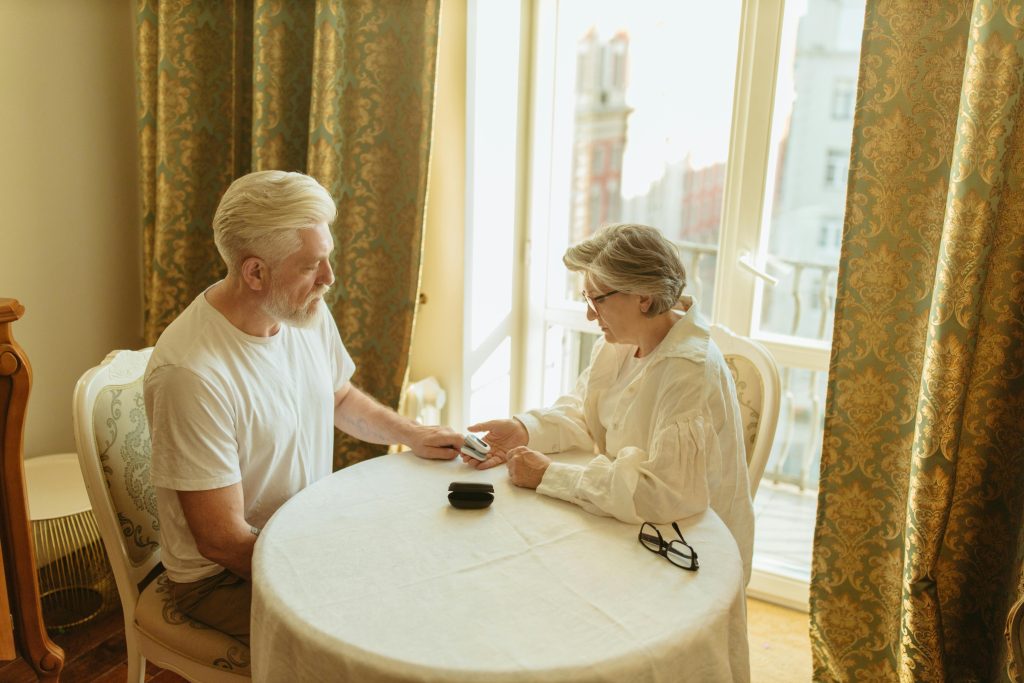
A senior couple checks their health with a finger pulse oximeter at a table in a warmly lit room.

Living Well with COPD: A Rehab Perspective

In the clinical framework of Geriatric Physical Therapy (2020), maintaining functional independence is the primary goal of any respiratory intervention. For those navigating COPD in Seniors, the sensation of breathlessness can often lead to a “fear-avoidance” cycle, where the fear of running out of air leads to a sedentary lifestyle. However, Chronic Obstructive Pulmonary Disease

Living Well with COPD: A Rehab Perspective Read Post »
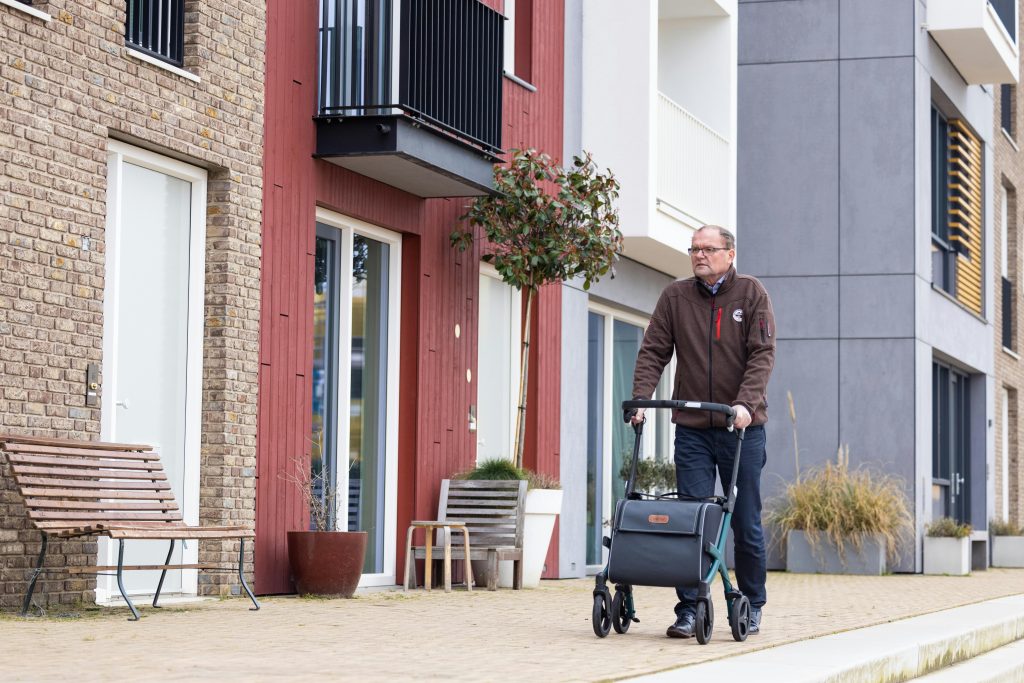
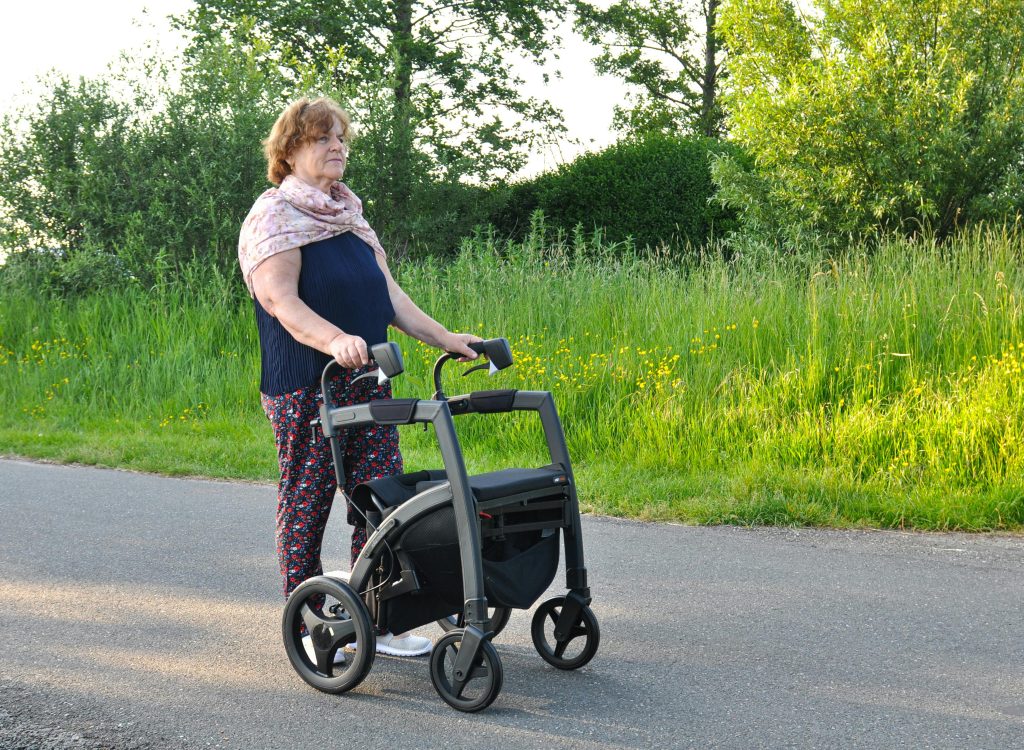
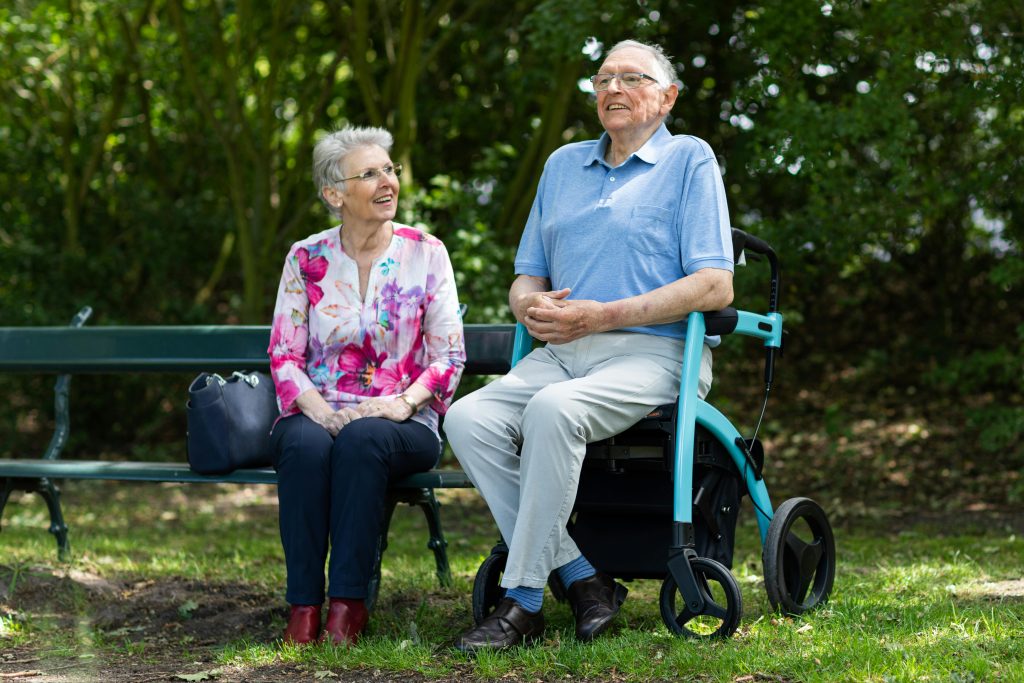
An elderly man pushes a rollator along a modern city sidewalk, showcasing urban living.

Understanding Dyspnea: Why Am I Out of Breath?

In the clinical framework of Geriatric Physical Therapy (2020), breathing is the primary regulator of the Physiological Reserve. While it is normal to breathe harder during exercise, many older adults experience a distressing sensation of “air hunger” that limits their daily life. Identifying the root cause of Shortness of Breath in Seniors is critical for

Understanding Dyspnea: Why Am I Out of Breath? Read Post »

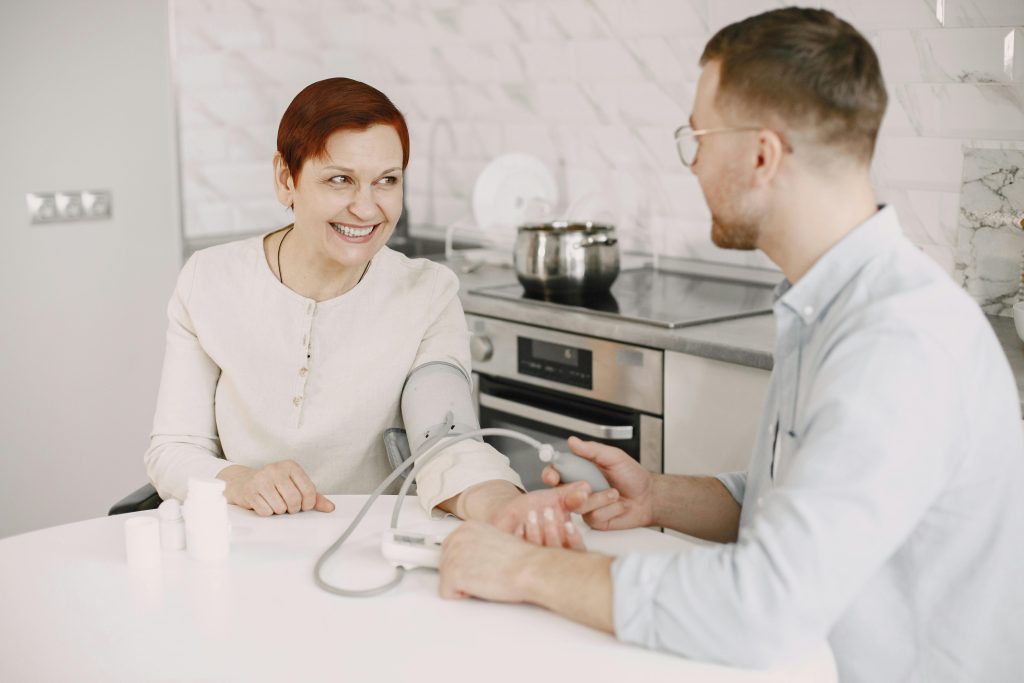
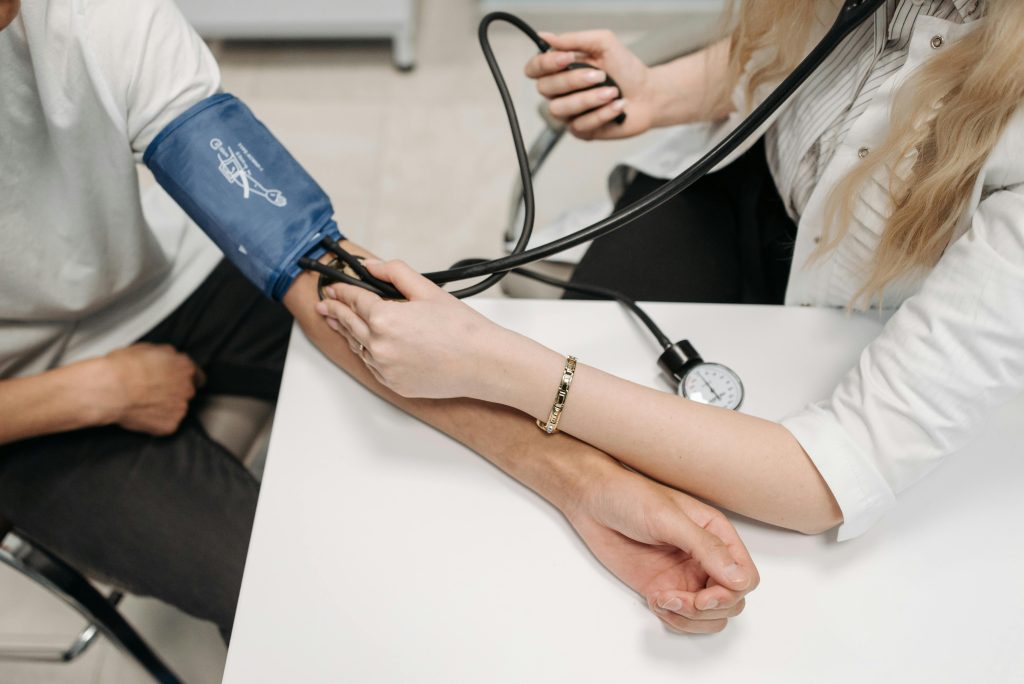
A healthcare professional checks a patient's blood pressure indoors, showcasing a friendly and caring interaction.

Blood Pressure in Seniors: What is the New Normal?

In the clinical landscape of Geriatric Physical Therapy (2020), cardiovascular health is the engine that drives functional independence. For years, the medical community adhered to a “lower is better” philosophy for hypertension. However, modern evidence suggests that Senior Blood Pressure Norms require a more nuanced, individualized approach. Maintaining the Safety Buffer for an 85-year-old involves

Blood Pressure in Seniors: What is the New Normal? Read Post »

Staying Upright: A Month of Balance Wisdom

In the journey of geriatric rehabilitation, Month 6 has been dedicated to the science of stability. Achieving true Balance and Fall Prevention requires more than just “watching your step”; it demands a coordinated effort between your cellular health, your neurological processing, and your physical environment. By widening your biological Safety Buffer, we have moved beyond

Staying Upright: A Month of Balance Wisdom Read Post »

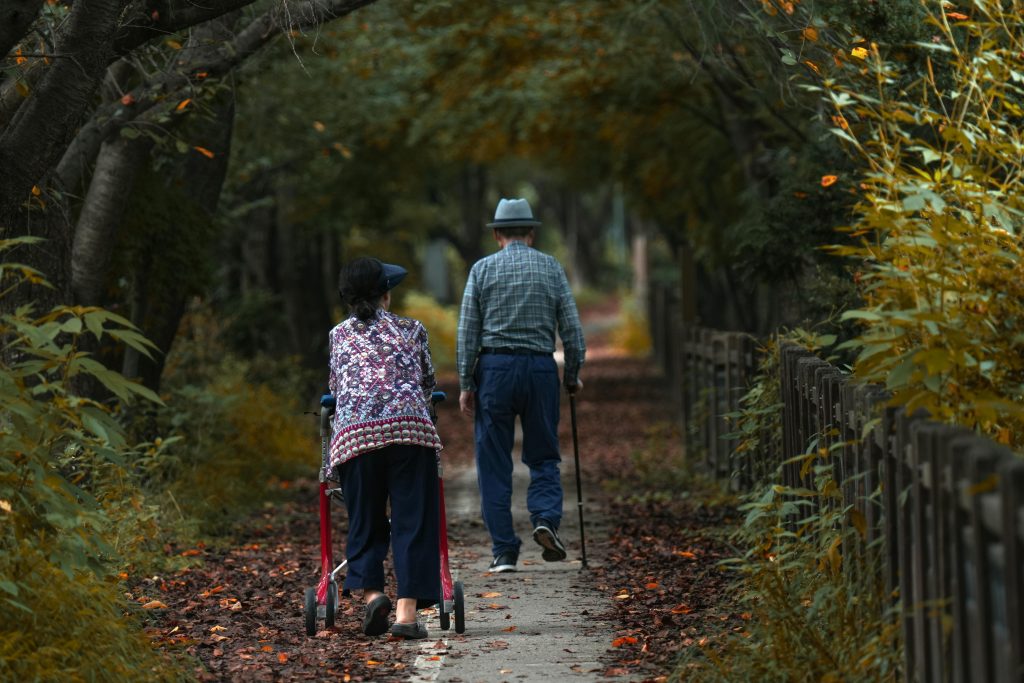
Asian elderly couple strolling through a serene autumn forest path, enjoying nature's beauty.

Why an Uneven Walk Matters: Gait Variability

In the practice of geriatric rehabilitation, we often say that walking is a “controlled fall.” When we move, our brain coordinates hundreds of data points every second to maintain stability. However, when that rhythm becomes irregular, it signals a breakdown in neurological and muscular coordination. Performing a Senior Gait Analysis allows us to measure “Gait

Why an Uneven Walk Matters: Gait Variability Read Post »

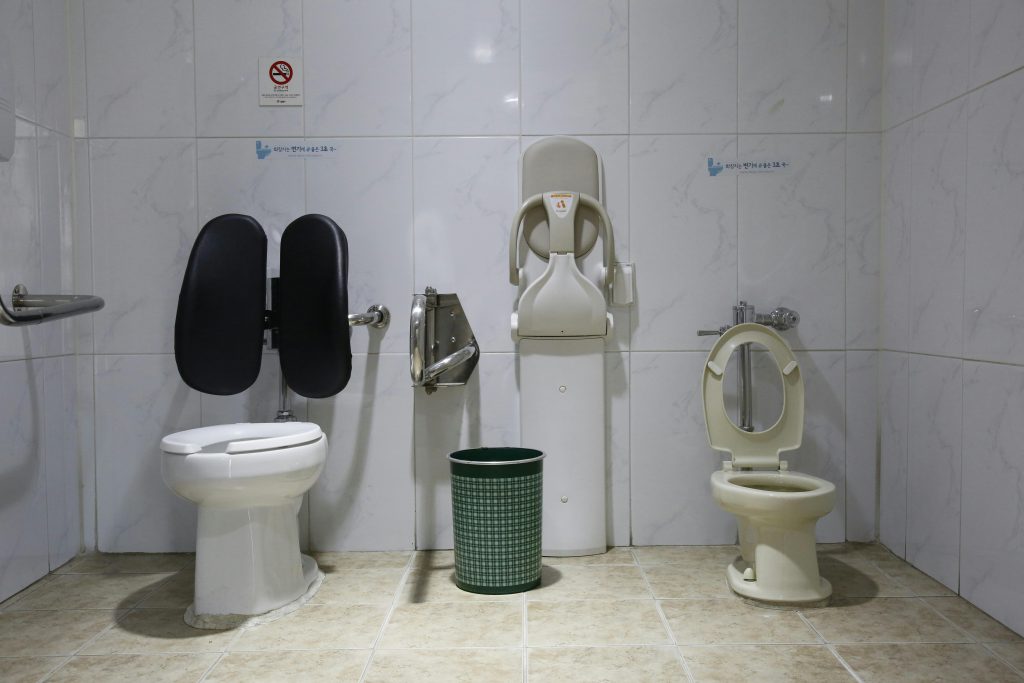
Image of a public restroom with accessible toilet facilities and a baby changing station.

Bathroom Hazards: The #1 Fall Zone

In the field of geriatric rehabilitation, we identify the bathroom as the most statistically significant “Danger Zone” in the home. Achieving true Bathroom Safety for Seniors requires more than just removing a rug; it involves a clinical understanding of how moisture, lighting, and low-seated surfaces challenge a person’s balance strategies. By widening your biological “Safety

Bathroom Hazards: The #1 Fall Zone Read Post »

The Functional Reach Test: How Far Can You Lean?

In the world of geriatric rehabilitation, we often look for simple, reliable ways to measure a senior’s safety. One of the most effective tools in our clinical arsenal is the Functional Reach Test. This assessment provides a snapshot of your “Safety Buffer”—the physical space you can navigate without losing your balance. Whether you are reaching

The Functional Reach Test: How Far Can You Lean? Read Post »

Vitamin D and Fall Prevention: The Clinical Link

When we discuss balance, we often focus on strength training or home safety. However, a critical biological component often goes unnoticed: your nutritional foundation. There is a profound connection between Vitamin D and Falls that extends far beyond simple bone health. In geriatric rehabilitation, we view Vitamin D not just as a supplement, but as

Vitamin D and Fall Prevention: The Clinical Link Read Post »

Virtual Balance Checks: Does Telehealth Work?

The landscape of senior care is shifting from the clinic to the living room. As we embrace the digital age, many are asking if Telehealth Geriatric Rehab can truly replicate the hands-on precision of a physical therapist. In geriatric rehabilitation, balance isn’t just a physical trait—it’s a “Safety Buffer” that protects independence. Remote monitoring and

Virtual Balance Checks: Does Telehealth Work? Read Post »

Getting Up After a Fall: The “Backward Roll”

Finding yourself on the floor after a trip or slip is one of the most physically and psychologically challenging moments an older adult can face. However, the fear of “being stuck” often causes more long-term harm than the fall itself. In geriatric rehabilitation, we focus on the skill of floor transfers—specifically getting up from a

Getting Up After a Fall: The “Backward Roll” Read Post »

When a Fall Becomes a Fracture: Bone Health and Resilience

In the world of geriatric care, we often talk about “fall prevention” as if it is a defensive battle—a series of “don’ts” that restrict an older adult’s life. However, true health isn’t the absence of movement; it’s the presence of capability. For those living with bone density loss, the primary goal of physical therapy is

When a Fall Becomes a Fracture: Bone Health and Resilience Read Post »

Lighting for Longevity: High Contrast for Safety

In the clinical framework of Geriatric Physical Therapy (2020), balance is a multisensory equation. As we age, the “Visual System” slider often loses its precision, forcing the brain to work harder to interpret the world. Effective Senior Home Lighting is not just about aesthetics; it is a critical medical intervention that expands the Safety Buffer.

Lighting for Longevity: High Contrast for Safety Read Post »

Ankle vs. Hip Strategies: How the Body Recovers

In the lexicon of geriatric rehabilitation, we often talk about “balance” as if it were a static quality, something you either have or you don’t. At geriatricrehab.es, we view balance as a dynamic conversation between your nervous system and gravity. Balance Recovery Strategies are the “words” in that conversation. When you stumble on a rug

Ankle vs. Hip Strategies: How the Body Recovers Read Post »

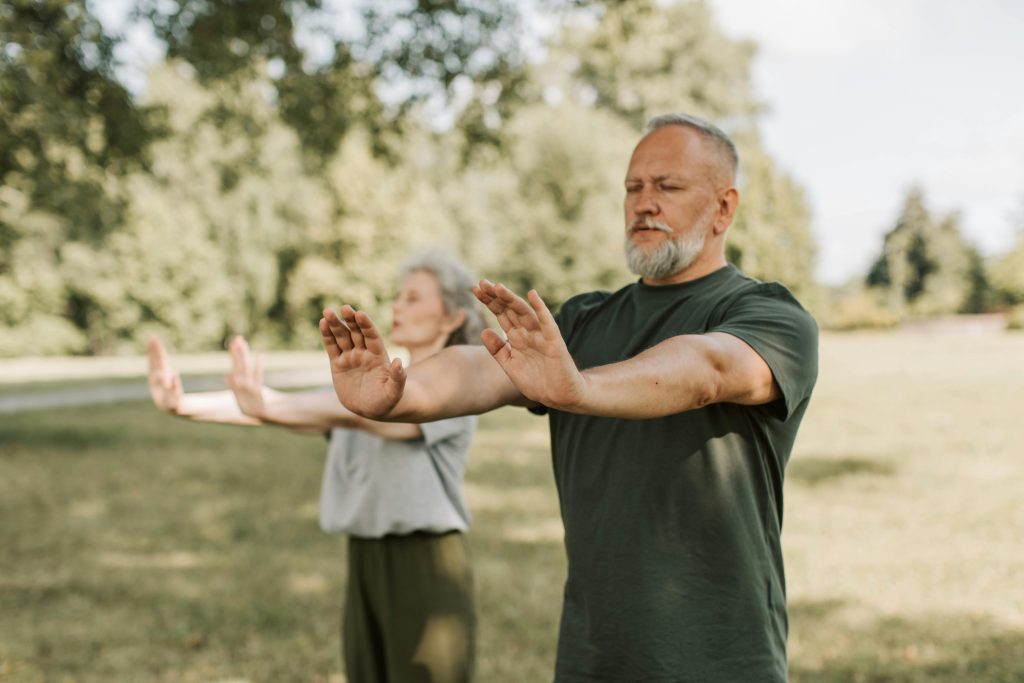
Elderly couple engaged in outdoor Tai Chi, promoting wellness and fitness in a park setting.

Static vs. Dynamic Balance: Understanding Sway

To the untrained eye, standing still looks like a passive state of rest. However, at geriatricrehab.es, we recognize that standing is an incredibly active, sophisticated biological feat. Every second you are upright, your brain is processing a mountain of data to keep your body from toppling over. This micro-movement is known as “postural sway.” Understanding

Static vs. Dynamic Balance: Understanding Sway Read Post »

Preventing the Fracture: Hip Health and Safety

In the field of geriatric medicine, a hip fracture is often the “tipping point” that accelerates a senior’s descent down the Slippery Slope of Aging. According to Geriatric Physical Therapy (2020), maintaining bone quality and reactive balance is not just a health goal—it is a survival strategy. Effective Hip Fracture Prevention requires a multifaceted approach

Preventing the Fracture: Hip Health and Safety Read Post »

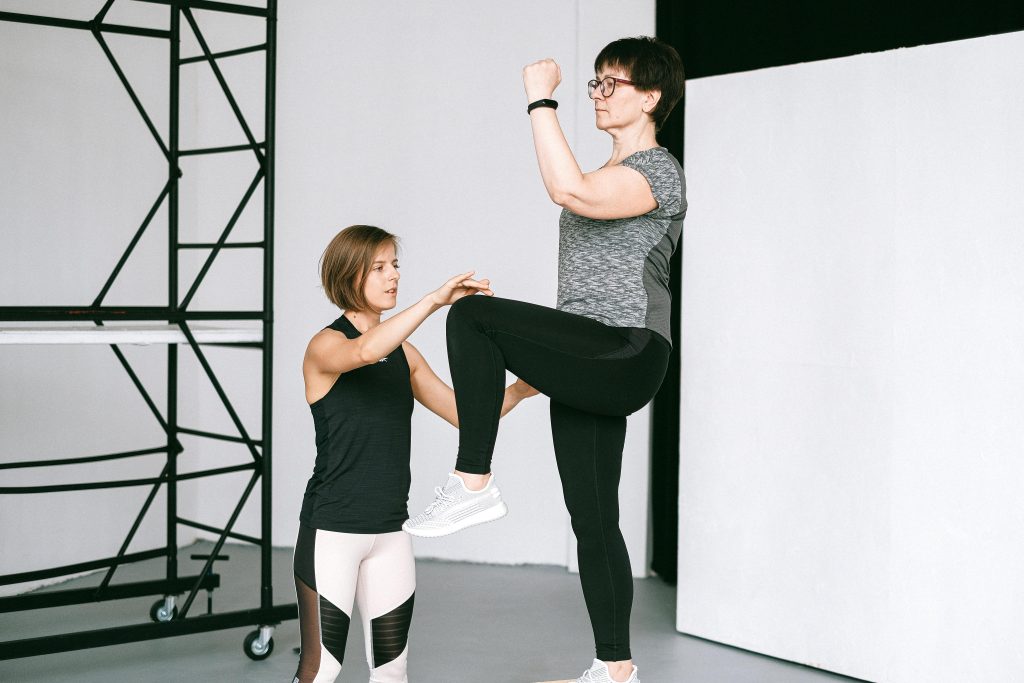
An elderly woman performs exercises with a fitness coach, focusing on a healthy lifestyle and wellness indoors.

Proprioception: The “Sixth Sense” of Balance

In the clinical framework of Geriatric Physical Therapy (2020), balance is described as a complex interaction between three primary systems: the visual, the vestibular, and the somatosensory. While we often rely on our eyes to navigate, the “sixth sense” that truly keeps us upright is proprioception, the ability of the brain to perceive the position

Proprioception: The “Sixth Sense” of Balance Read Post »

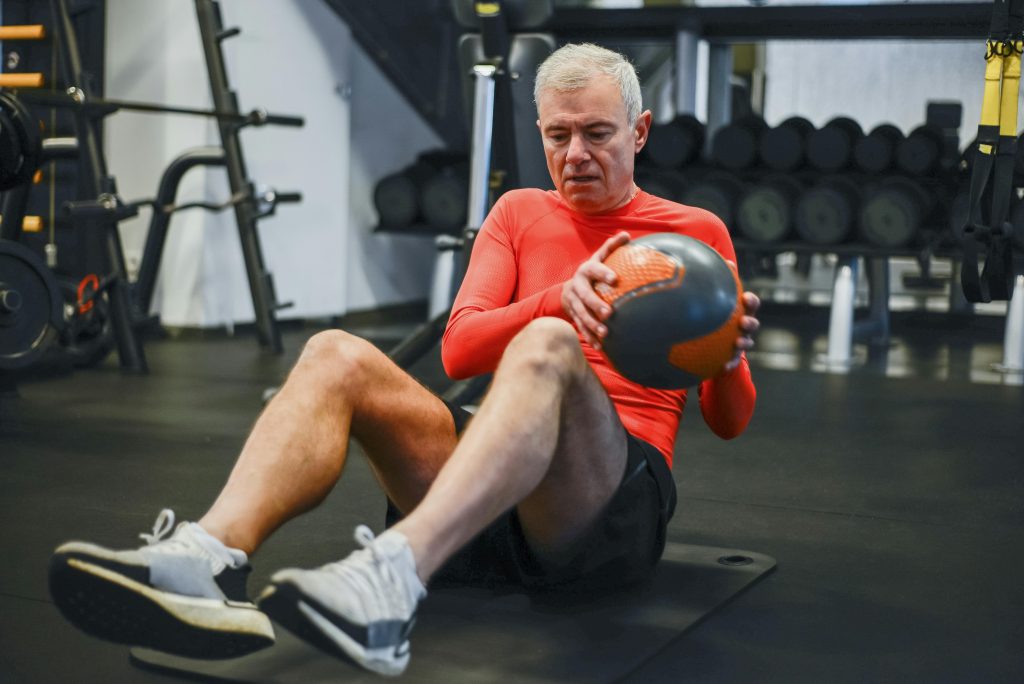
Elderly man in activewear performing medicine ball exercise at gym. Promotes healthy lifestyle.

Best Shoes for Balance: A Podiatry Perspective

In the world of geriatric rehabilitation, your feet are your primary interface with the earth. According to Geriatric Physical Therapy (2020), the somatosensory input from the soles of your feet is a critical “vital sign” for balance. However, many seniors unknowingly sabotage their stability by wearing shoes that mute this vital information. Choosing the right

Best Shoes for Balance: A Podiatry Perspective Read Post »
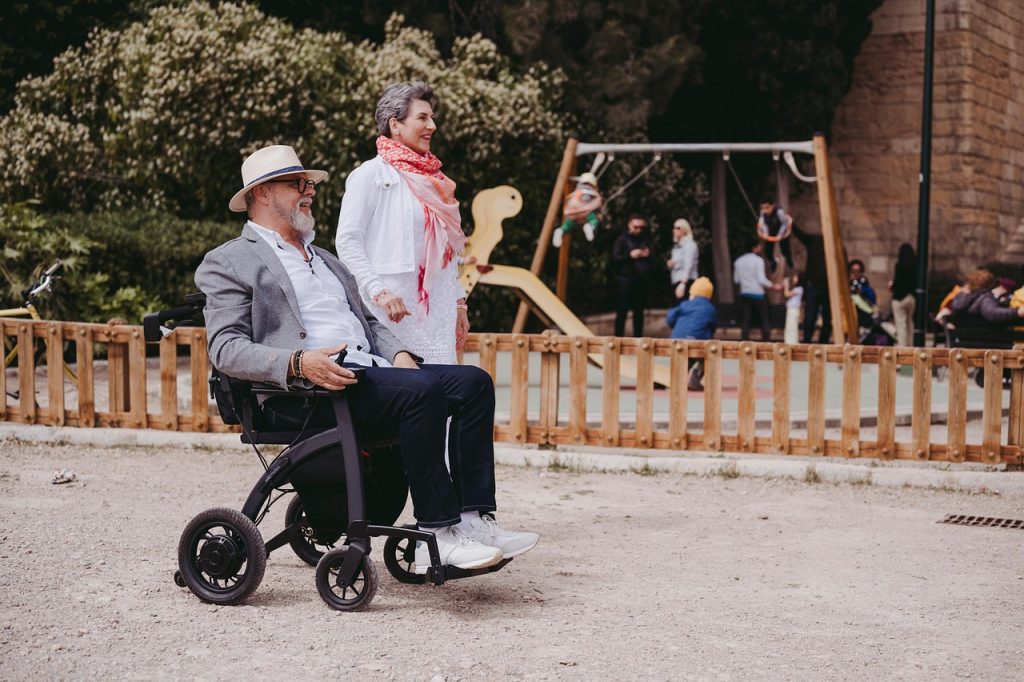
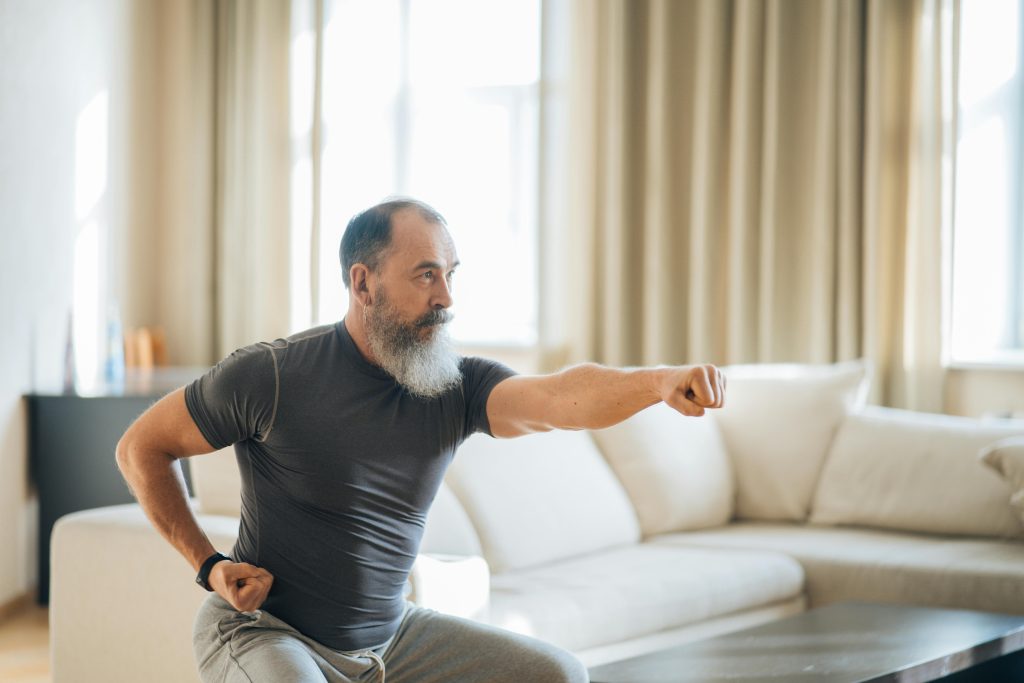
Elderly man with a beard performing yoga poses indoors, promoting health and wellness.

The 30-Minute Home Safety Audit: Making Your Space Secure

In the clinical practice of Geriatric Physical Therapy (2020), the environment is often considered the “invisible therapist.” While exercise builds strength, Home Fall Prevention strategies ensure that the environment doesn’t sabotage your hard-earned progress. For a senior climbing back up the Slippery Slope of Aging, a single loose rug or a dimly lit hallway can

The 30-Minute Home Safety Audit: Making Your Space Secure Read Post »
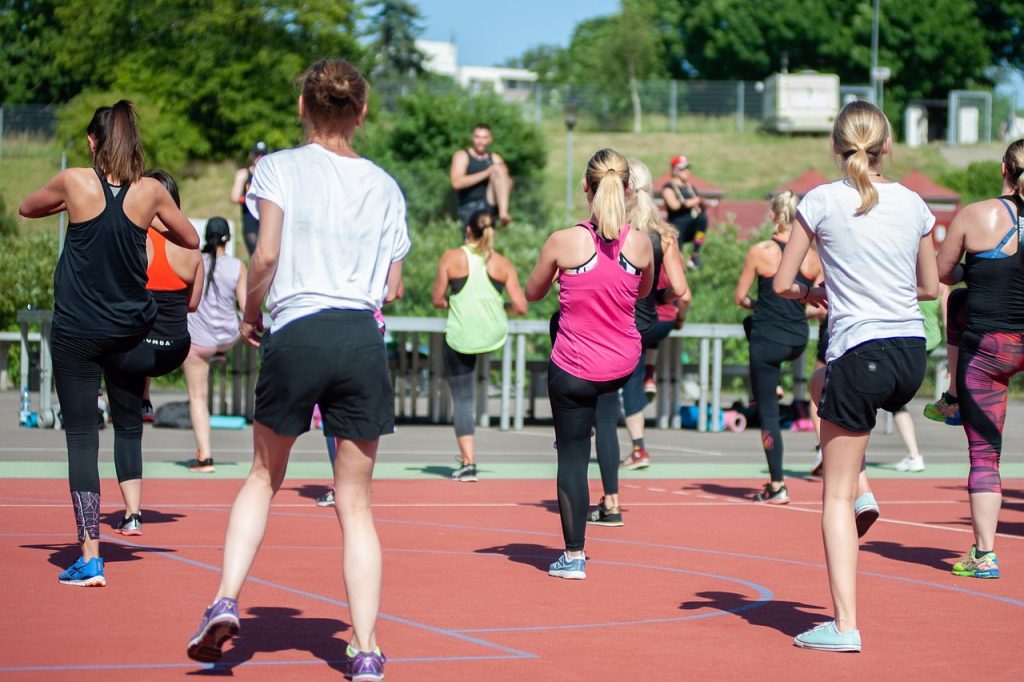
zumba, marathon, sport, exercise, dance, women, dancers, girls, performance, movement, dancing, freedom, female, zumba, exercise, exercise, exercise, exercise, exercise

Fear of Falling: The Psychological Trap

In the clinical landscape of geriatric rehabilitation, few obstacles are as formidable as the mind itself. While physical impairments like muscle atrophy or vestibular dysfunction are measurable, the Fear of Falling is a psychological shadow that often precedes physical decline. According to Geriatric Physical Therapy (2020), this anxiety creates a self-fulfilling prophecy. When a senior

Fear of Falling: The Psychological Trap Read Post »
Scroll to Top