Uncategorized

Contemporary indoor staircase featuring stainless steel railings and modern lighting.

Seeing the Way to Safety: Vision and Balance

In the clinical framework of geriatric rehabilitation, stability is often described as a three-legged stool supported by the vestibular, somatosensory, and visual systems. However, for many seniors, the visual “leg” becomes the primary anchor for mobility. According to Geriatric Physical Therapy (2020), as other senses dull, the brain relies more heavily on the eyes to

Seeing the Way to Safety: Vision and Balance Read Post »
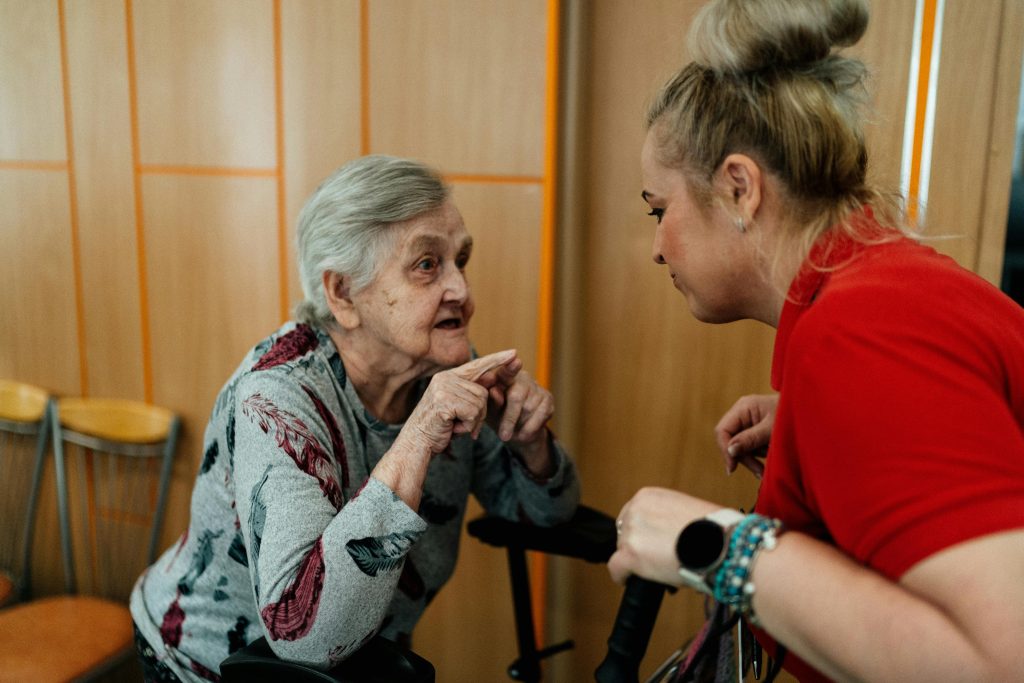
Elderly woman and caregiver in conversation inside a room in Karviná, Česko.

The Impact of Kyphosis: Posture and Balance

In the clinical framework of geriatric rehabilitation, we often describe the body’s alignment as the foundation of its stability. When the spine begins to curve excessively, a condition known as hyperkyphosis, the structural integrity of the entire “vessel” is compromised. According to Geriatric Physical Therapy (2020), Senior Posture Changes are not merely aesthetic concerns; they

The Impact of Kyphosis: Posture and Balance Read Post »
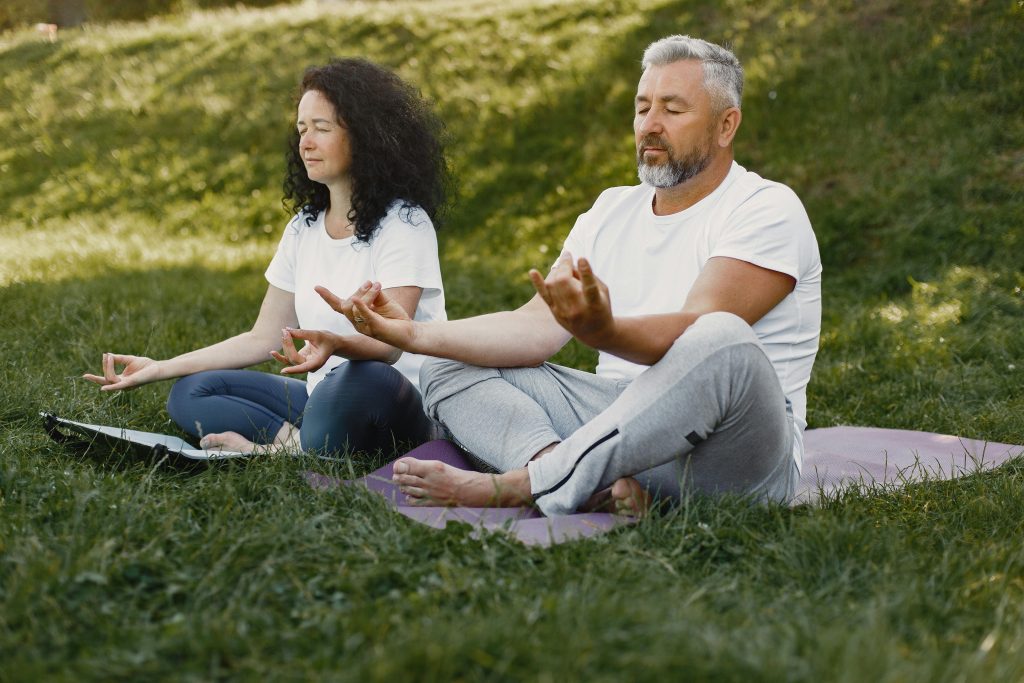
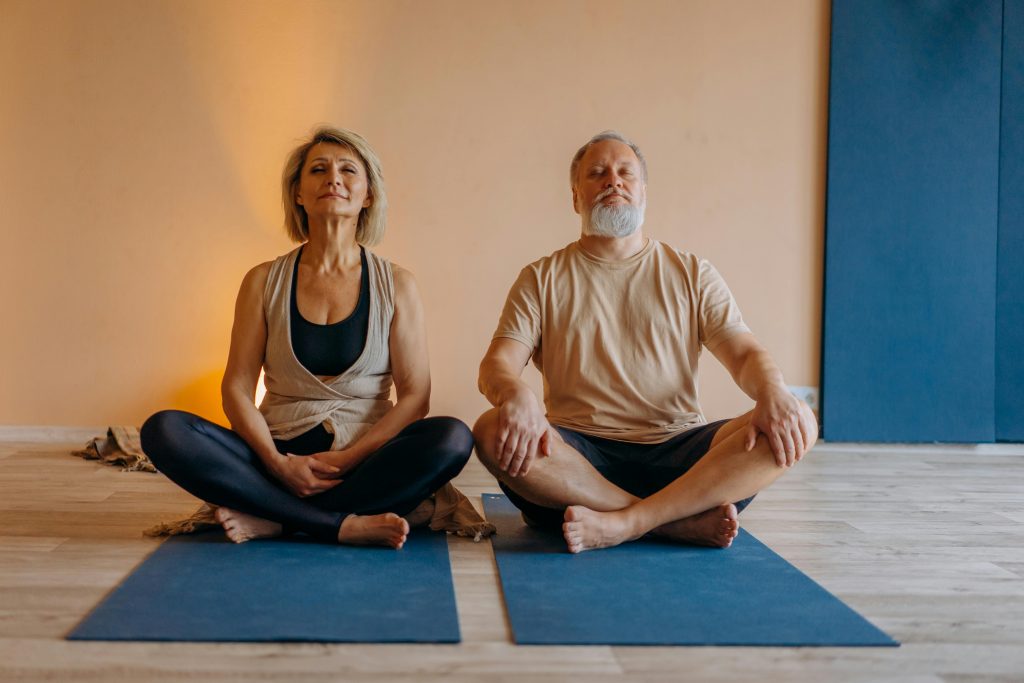
A senior couple practicing meditation outdoors, embracing wellness and tranquility.

Intrinsic vs. Extrinsic: Where is the Danger?

In the clinical framework of geriatric rehabilitation, a fall is rarely a random “accident.” It is the result of a complex interplay between the person and their environment. According to Geriatric Physical Therapy (2020), effectively managing safety requires us to categorize Fall Risk Factors into two distinct groups: intrinsic (internal to the body) and extrinsic

Intrinsic vs. Extrinsic: Where is the Danger? Read Post »

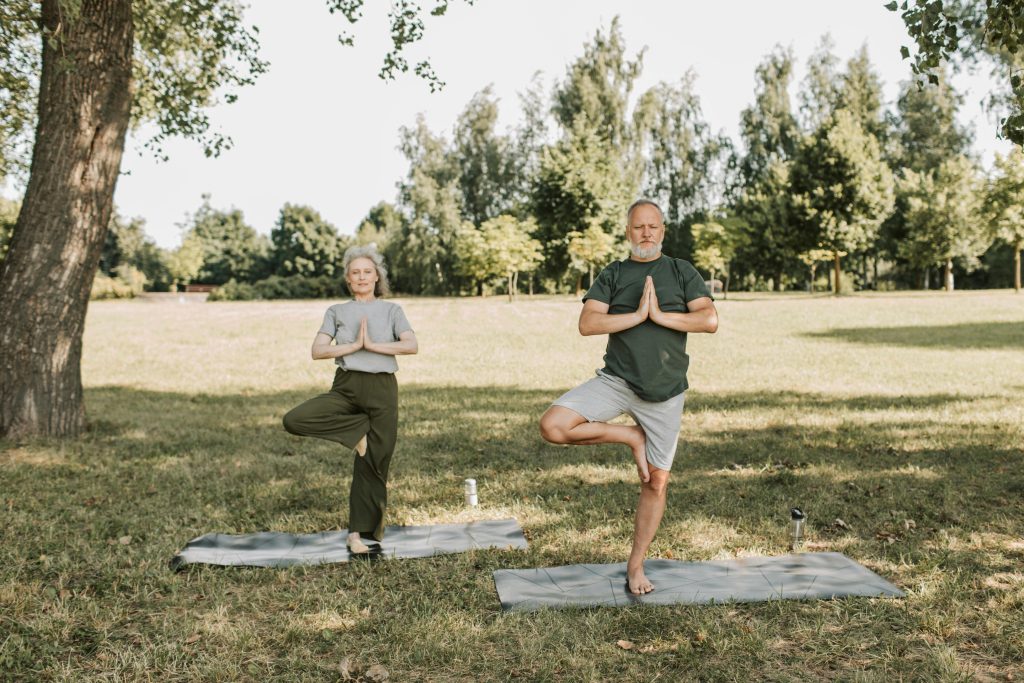
An elderly couple doing yoga in a serene park setting, promoting a healthy lifestyle.

Why We Fall: The Multidimensional Risk

In the clinical framework of geriatric rehabilitation, a fall is rarely a single “accident.” Instead, it is the result of a complex interplay between a person’s internal physiology and their external world. According to Geriatric Physical Therapy (2020), understanding the multidimensional nature of balance is the cornerstone of effective Fall Prevention in Seniors. By identifying

Why We Fall: The Multidimensional Risk Read Post »

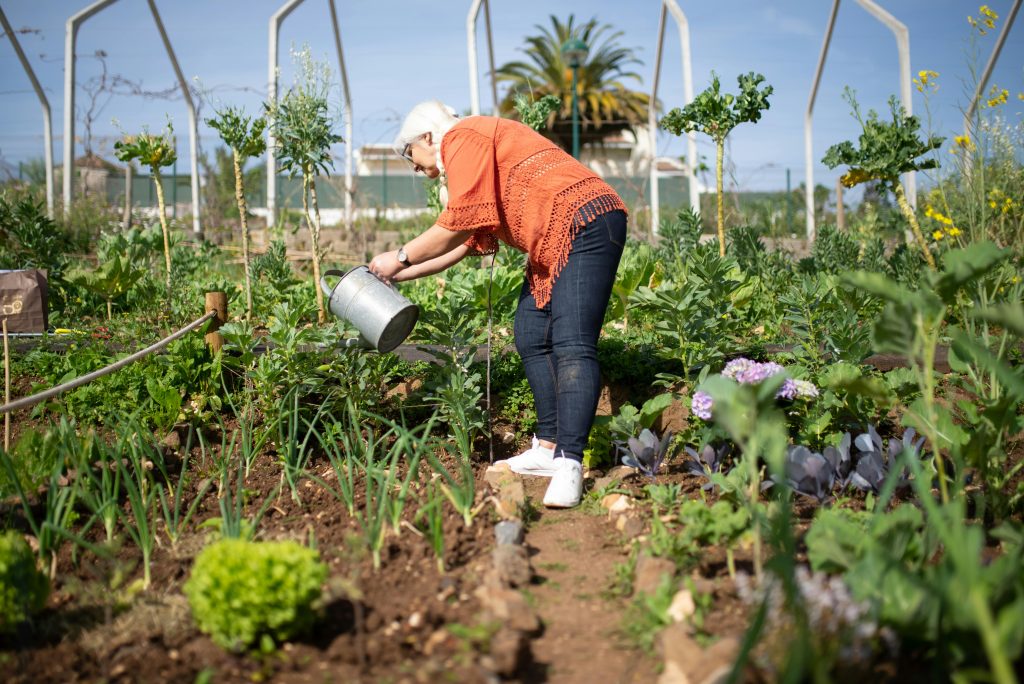
Senior woman tending to garden in Portugal, watering plants on a sunny day.

Lifestyle Integration: Making Every Move Count

In the clinical framework of Geriatric Physical Therapy (2020), exercise is not something that only happens within the four walls of a clinic. True rehabilitation occurs when movement becomes a seamless part of your daily existence. Embracing a philosophy of Active Living allows seniors to reclaim their Vigor by transforming mundane chores into therapeutic “doses”

Lifestyle Integration: Making Every Move Count Read Post »

Wearables and Apps: Tech for the Modern Senior

In the era of modern geriatric care, the “Exercise is Medicine” philosophy has been revolutionized by digital data. In the clinical framework of Geriatric Physical Therapy (2020), we emphasize that what gets measured gets managed. Integrating Senior Fitness Technology into a daily routine allows us to visualize the Slippery Slope of Aging in real-time, transforming

Wearables and Apps: Tech for the Modern Senior Read Post »

Exercising Through Fatigue: The Frail Senior’s Guide

In the world of geriatric rehabilitation, we often encounter a frustrating paradox: a patient is too tired to move, yet they are tired because they don’t move. At geriatricrehab.es, we recognize that Fatigue in Seniors is not merely a lack of sleep; it is a physiological signal that the body’s “fuel tank”—its metabolic and muscular

Exercising Through Fatigue: The Frail Senior’s Guide Read Post »

Yoga for Longevity: Balance, Breath, and Bone

In the journey of aging, we often view the skeleton as a static structure—a scaffolding that inevitably weakens. At geriatricrehab.es, we reject this notion of inevitable decline. We advocate for the “Exercise is Medicine” philosophy, where Yoga for Seniors serves as a sophisticated delivery system for bone-loading and postural restoration. Movement is the “fuel” that

Yoga for Longevity: Balance, Breath, and Bone Read Post »

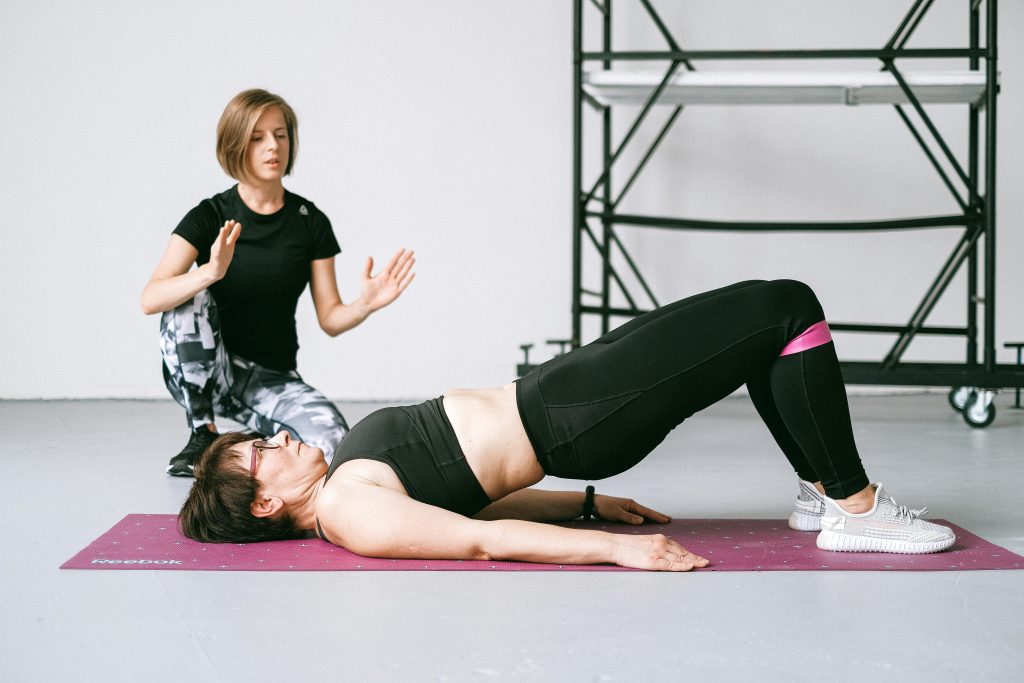
A personal trainer coaching a woman through a pelvic exercise on a yoga mat indoors.

Core and Floor: Pelvic Exercises for Independence

In the hierarchy of geriatric rehabilitation, we often focus on the “visible” drivers of movement—the quadriceps for standing, the glutes for walking, and the grip for reaching. However, at geriatricrehab.es, we recognize that true independence is built from the inside out. Pelvic Floor Exercises represent the essential “internal scaffolding” that stabilizes the trunk and secures

Core and Floor: Pelvic Exercises for Independence Read Post »
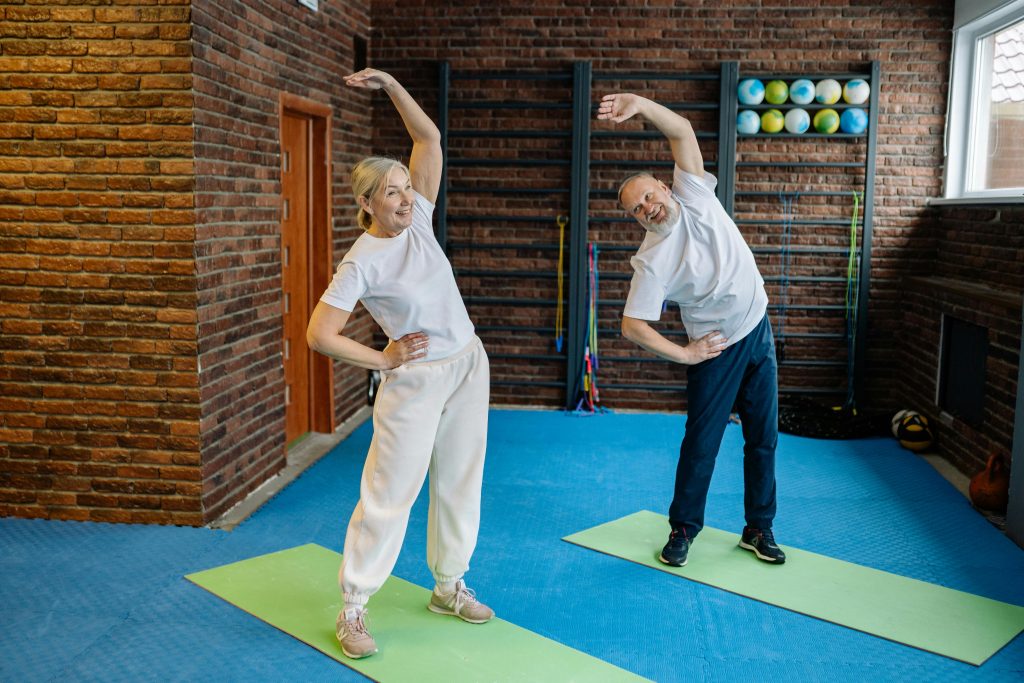
Two men help an elderly person with a walker get out of a car outdoors.

Returning to Exercise After Joint Replacement

The journey through a total joint arthroplasty (TJA) is often described as a “rebirth” of mobility, yet the bridge between the operating table and a return to a high-Vigor lifestyle is built during Post-Surgical Rehab. At geriatricrehab.es, we view a new hip or knee as a high-performance upgrade to your “internal scaffolding.” However, surgery alone

Returning to Exercise After Joint Replacement Read Post »

A senior woman using a smartphone to monitor her pulse after exercise in a gym setting.

When to Stop: Recognizing Exercise Red Flags

In the pursuit of reclaiming independence, we often speak of exercise as the “fuel” that powers a senior’s journey back up the Slippery Slope of Frailty. At geriatricrehab.es, we champion the “Exercise is Medicine” philosophy, knowing that movement adds years to life and life to years. However, every potent medicine requires a specific dosage and

When to Stop: Recognizing Exercise Red Flags Read Post »

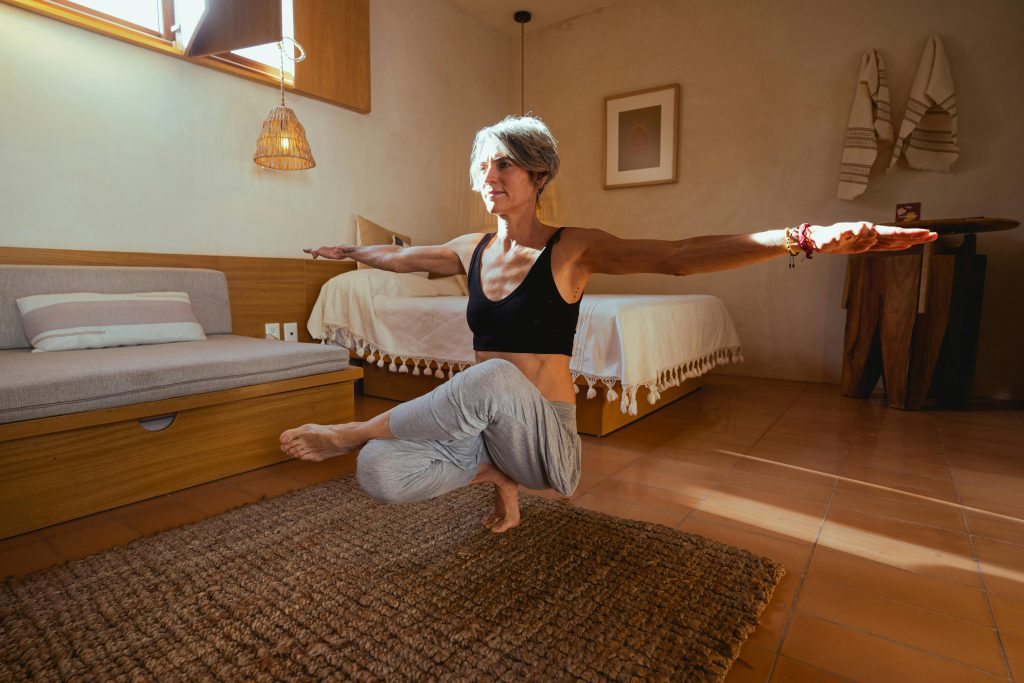
Elderly woman performs yoga balancing pose indoors, promoting healthy lifestyle and well-being.

Overcoming Barriers: Exercising in Small Spaces

In the clinical practice of geriatric rehabilitation, we often encounter patients who believe that their physical progress is limited by the square footage of their homes. At geriatricrehab.es, we challenge this notion by applying the “Exercise is Medicine” philosophy directly to the living room. Home Exercise Barriers are frequently perceived as physical—lack of equipment or

Overcoming Barriers: Exercising in Small Spaces Read Post »

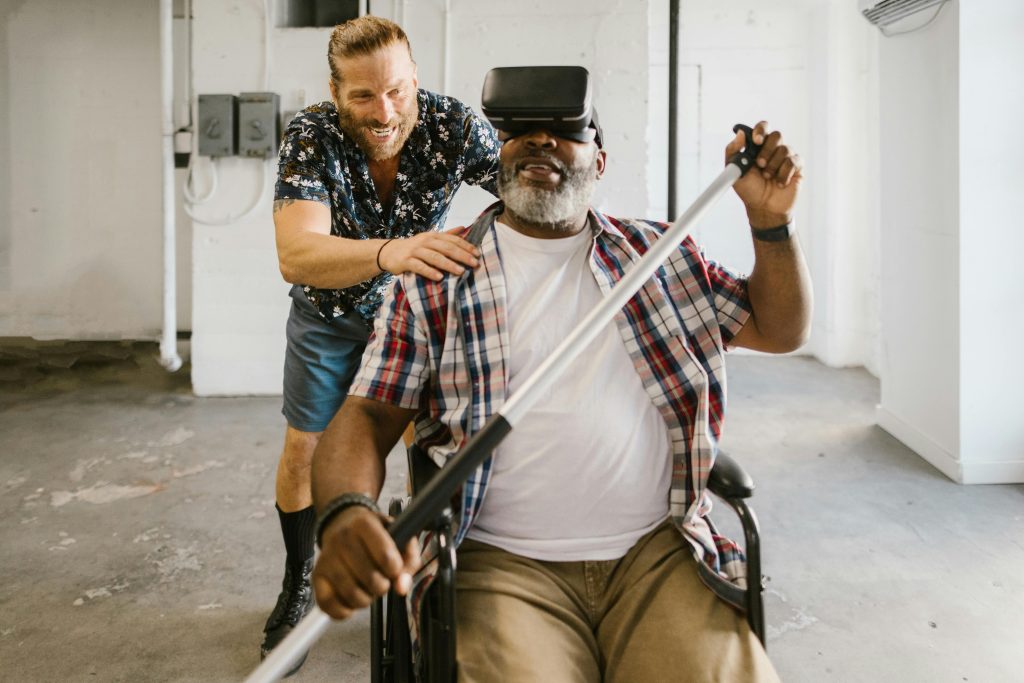
Man assists wheelchair user engaged in rehabilitation exercise with VR set indoors.

Balance Training: Challenging Your Senses

In the clinical framework of geriatric rehabilitation, balance is often misconstrued as merely a matter of muscular strength. However, according to the principles of Geriatric Physical Therapy (2020), stability is actually the result of a complex neurological conversation between three primary systems: the visual, the vestibular, and the somatosensory. To truly arrest a senior’s slide

Balance Training: Challenging Your Senses Read Post »

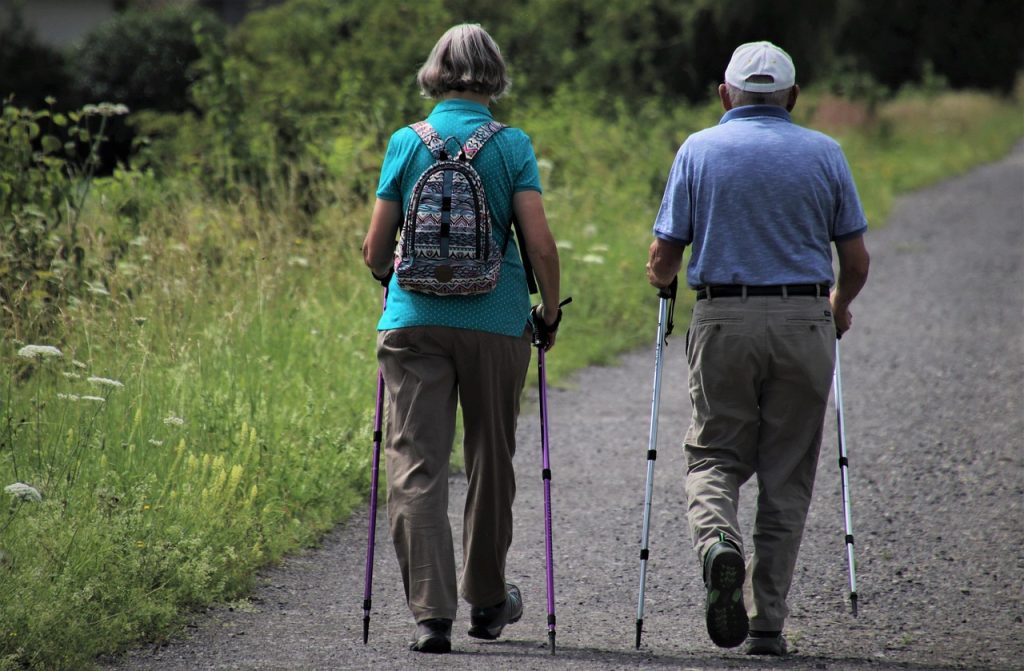
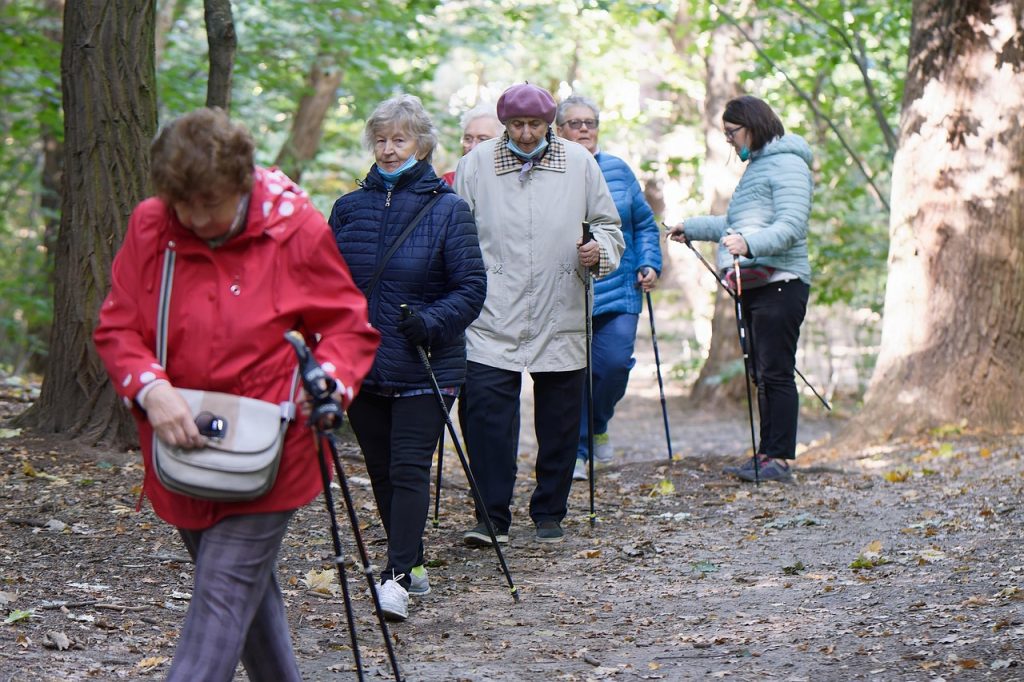
elderly, nature, forest, trekking, women, senior, people, walking sticks, walking, adventure, recreation, path, outdoors, fall, autumn, woods

HIIT in Your 70s? High-Intensity Interval Training

For decades, the standard advice for older adults was “walk more and take it easy.” While walking is beneficial, the latest evidence in geriatric rehabilitation suggests that “taking it easy” may actually be accelerating the aging process. At geriatricrehab.es, we are redefining what is possible through HIIT for Seniors. High-Intensity Interval Training (HIIT) is not

HIIT in Your 70s? High-Intensity Interval Training Read Post »

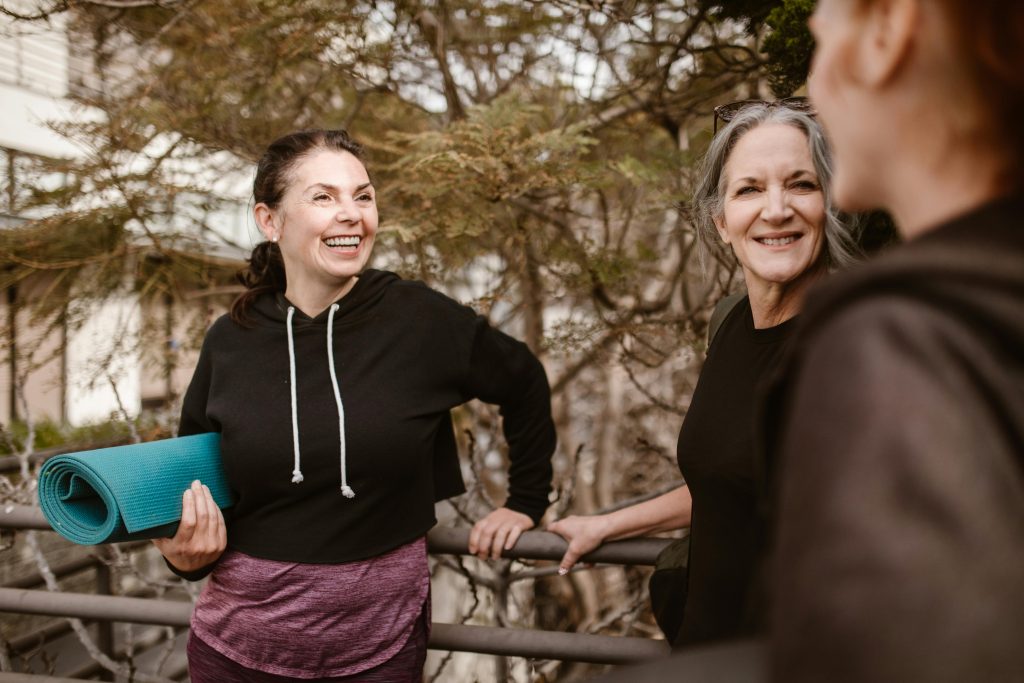
Women smiling and conversing outdoors, holding a yoga mat, embracing health and wellness.

Staying Motivated: The Psychology of Sticking to It

In the discipline of geriatric rehabilitation, we often say that the best exercise program in the world is the one that actually gets done. While clinical protocols focus on the physiological “how,” the true challenge lies in the psychological “why.” Navigating the Slippery Slope of Aging requires more than just a gym membership; it requires

Staying Motivated: The Psychology of Sticking to It Read Post »

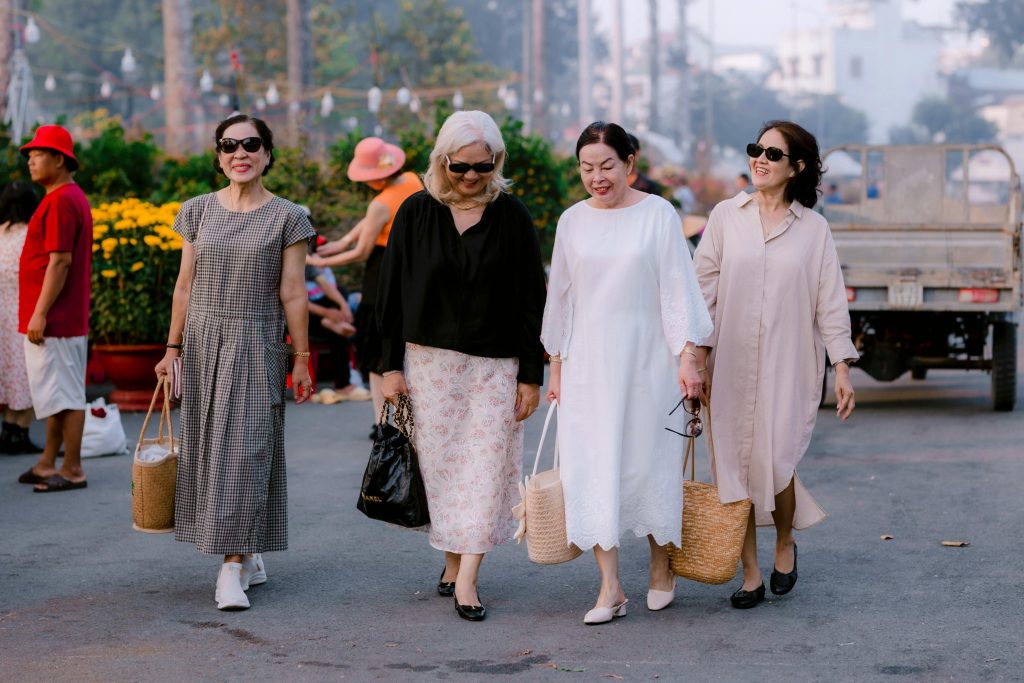
Four women in stylish attire walk through a bustling outdoor market, exuding joy and companionship.

The Exercise-Mood Connection: Beating Senior Depression

In the discipline of geriatric rehabilitation, we often focus on the physical “mechanics”—strength, gait, and balance. However, clinical evidence increasingly shows that we cannot treat the body without addressing the mind. For many seniors, the “Slippery Slope of Aging” isn’t just a physical descent; it is a psychological one marked by isolation, grief, and a

The Exercise-Mood Connection: Beating Senior Depression Read Post »

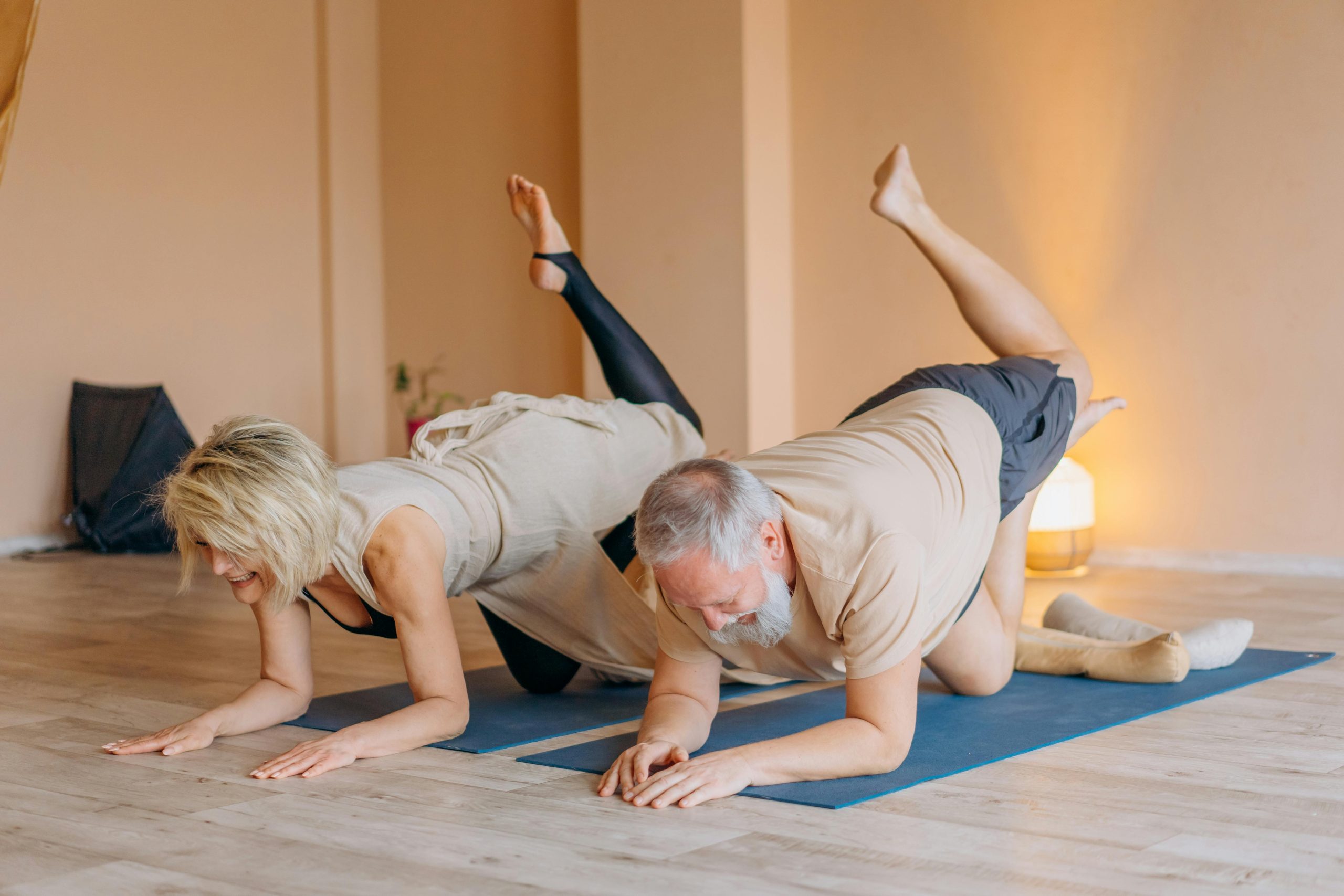
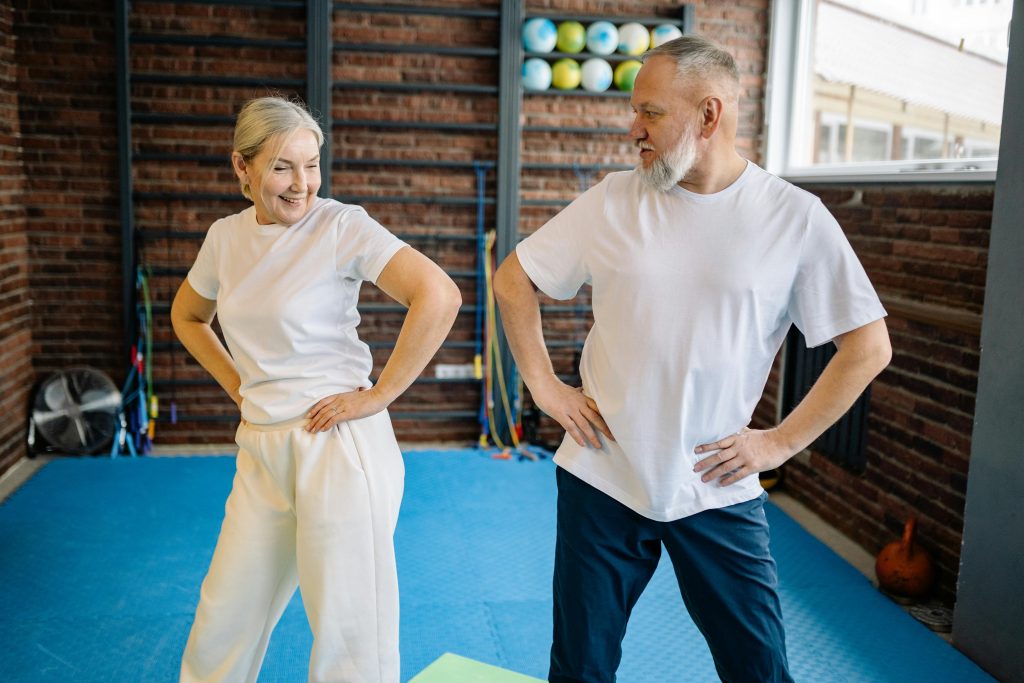
Elderly couple stretching on yoga mats in a home gym, embracing a healthy lifestyle.

The Warm-Up and Cool-Down: Safety Essentials

In geriatric rehabilitation, we often emphasize that “movement is medicine,” but like any potent prescription, the delivery method matters. For the aging body, the transition from rest to activity is a high-stakes physiological event. As we navigate the Slippery Slope of Aging, our Physiological Reserve—the buffer that protects our heart and lungs from sudden stress—becomes

The Warm-Up and Cool-Down: Safety Essentials Read Post »

Finding the Right Dose: Frequency, Intensity, Time

In the field of geriatric rehabilitation, we treat movement with the same clinical rigor as a pharmaceutical intervention. Just as a physician calculates the exact milligrams of a heart medication, we must determine the precise Exercise Dose-Response required to move a patient up the Slippery Slope of Aging. If the “dose” is too low, the

Finding the Right Dose: Frequency, Intensity, Time Read Post »
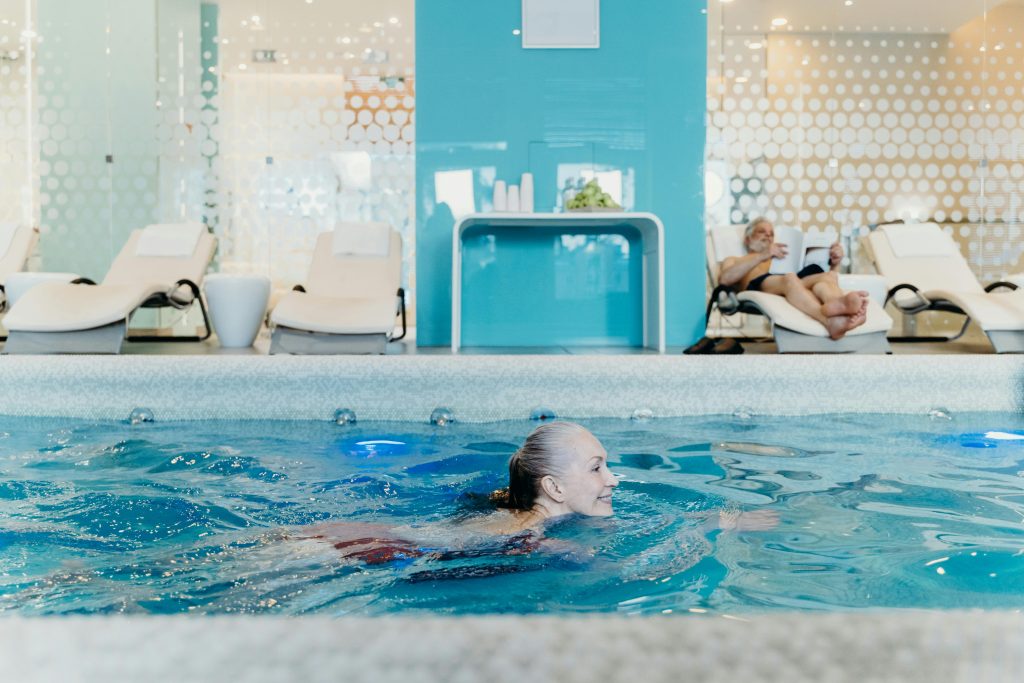
Aquatic Therapy: The Power of Water in Rehab

In the clinical landscape of geriatric rehabilitation, we often encounter patients who are physically “stuck.” Whether due to chronic osteoarthritis, obesity, or a significant loss of balance, the terrestrial environment—where gravity is a constant, unforgiving force—can make traditional exercise feel impossible. This is where Water Aerobics for Seniors and structured aquatic therapy become transformative. By

Aquatic Therapy: The Power of Water in Rehab Read Post »
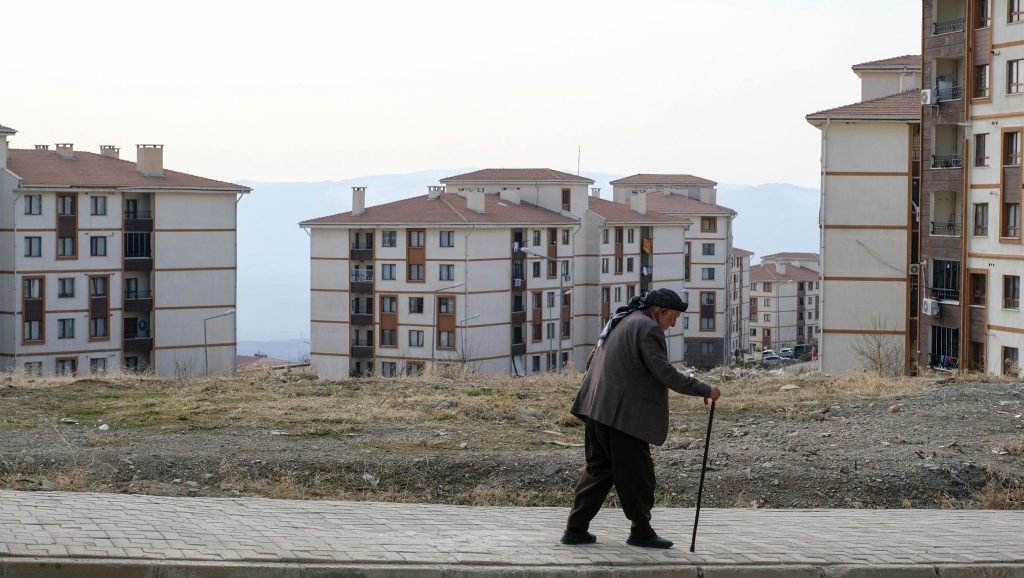
The Waukesha Model: Walking Your Way to Health

In the discipline of geriatric rehabilitation, we often search for the “perfect” intervention—a pill or a machine that can arrest the decline of aging. However, clinical evidence and the principles of Geriatric Physical Therapy (2020) suggest that the most potent tool we have is already beneath our feet. The Waukesha Model, a community-based approach to

The Waukesha Model: Walking Your Way to Health Read Post »
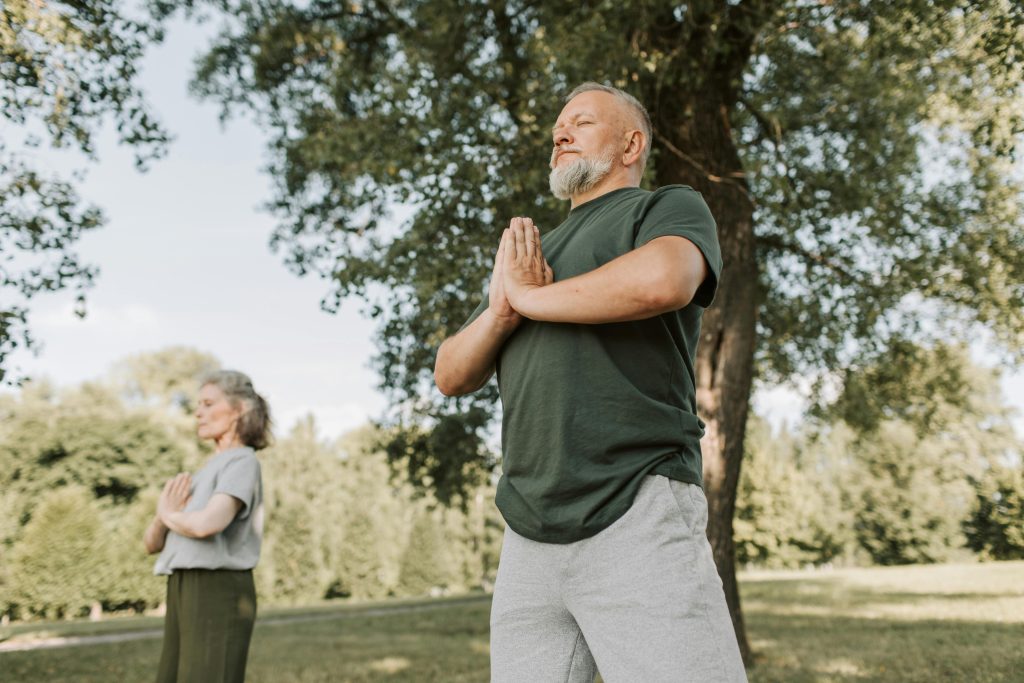
Tai Chi: The Ancient Art of Modern Fall Prevention

In the clinical landscape of geriatric rehabilitation, we are constantly searching for interventions that address the “Slippery Slope of Frailty.” At geriatricrehab.es, we recognize that fall prevention is not just about muscle strength; it is about the sophisticated integration of the visual, vestibular, and somatosensory systems. This is where Tai Chi for Seniors emerges as

Tai Chi: The Ancient Art of Modern Fall Prevention Read Post »

Scroll to Top