
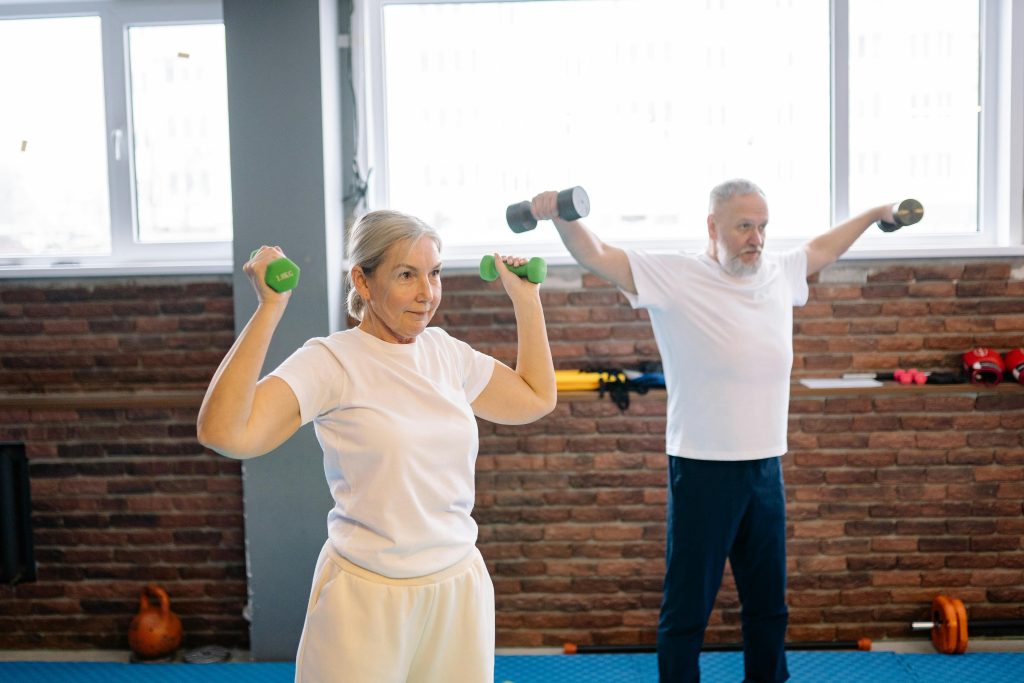
In the realm of geriatric rehabilitation, we often tell our patients that “motion is lotion” for their joints, but we must also emphasize that “loading is life” for their bones. As we age, we face a natural decline in bone mineral density (BMD), a process that can lead us down the Slippery Slope of Aging toward frailty and fractures. However, our skeletal system is not a static scaffolding; it is a dynamic, living tissue that reshapes itself based on the stresses we place upon it. This fundamental biological principle is known as Wolff’s Law. By understanding and applying the mechanics of Wolff’s Law, seniors, caregivers, and clinicians can work together to “refill” the Physiological Reserve of the skeleton, ensuring long-term independence and safety.
1. The Living Skeleton and the Slippery Slope
In geriatric physical therapy, we often visualize a patient’s health as being on a Slippery Slope of Aging. At the top is “Optimal Aging,” where a person has plenty of Physiological Reserve to handle life’s challenges. As we move down the slope, we hit “Frailty,” where a minor event—like a slip or a heavy lift—can result in a life-altering fracture. One of the primary reasons seniors slide down this slope is the thinning of bone tissue.
However, the skeleton is incredibly resilient. It is designed to be a “use it or lose it” system. When we are sedentary, our body assumes we no longer need heavy bones and begin to reabsorb them. But when we move, we inject Vigor back into our frame. Exercise is the fuel that adds years to your life and, more importantly, life to your years. By utilizing the principles of Wolff’s Law, we can essentially “tell” our bones to get stronger. This article explores how to turn movement into the biological message your skeleton needs to stay dense and your independence intact.
2. The Science of Stress: Understanding Wolff’s Law
For the Allied Health Professional, the skeletal system’s ability to adapt is summarized by Wolff’s Law. Originally proposed by the German anatomist Julius Wolff, the law states that bone in a healthy person or animal will adapt to the loads under which it is placed. If loading on a particular bone increases, the bone will remodel itself over time to become stronger to resist that sort of loading.
This is not a vague concept; it is a precise biological response. In the geriatric population, where Physiological Reserve is at a premium, the application of Wolff’s Law through progressive resistance training is the gold standard for preventing osteoporosis. It isn’t just about “being active”—it is about the quality and direction of the load. Bone is anisotropic, meaning it is stronger in some directions than others. To effectively use this law, our exercise programs must include multi-directional movements that challenge the bone in ways it isn’t used to.
3. Mechanotransduction: How Bone “Feels” Exercise
How does a solid object like a femur “know” that you are walking more? The answer lies in a process called mechanotransduction. Deep within the mineralized matrix of your bones are cells called osteocytes. These cells act as “mechanical sensors.” When you perform a weight-bearing exercise, the physical pressure causes tiny amounts of fluid to move within the bone’s microscopic channels (canaliculi).
For the Allied Health Professional, understanding the signaling pathways triggered by this fluid flow is crucial. This mechanical “shear stress” signals the osteocytes to inhibit osteoclasts (the cells that break bone down) and stimulate osteoblasts (the cells that build bone up).
Take-Home Tip for Caregivers (The Dose Detective): It is important to realize that for this process to work, the “load” must be significant enough to trigger a response. If your loved one is only doing seated leg lifts, they may not be meeting the threshold required by Wolff’s Law. To help their bones, they need to be upright and “loading” their frame against gravity. Watch for signs of “sedentary bone loss,” such as a slight loss in height or a rounding of the upper back, which may indicate that the skeleton isn’t being challenged enough.
4. Functional Training: A Comprehensive Functional Audit
In geriatric rehabilitation, we don’t exercise just for the sake of the gym; we exercise for the sake of the home. To truly apply Wolff’s Law, we must identify the daily “loads” that a senior encounters and strengthen the skeleton to meet those specific demands. This is the essence of functional training. Rather than performing isolated movements, we look at the “Biological Message” sent to the bone during everyday tasks. When a senior struggles with these activities, it is a clinical red flag that their Physiological Reserve is reaching a critical low, increasing the risk of fragility fractures.
Mapping Daily Struggles to Skeletal Strength
- Thoracic Spine (Compression): Many seniors experience compression fractures while simply reaching for a heavy dish on a high shelf. To combat this, we utilize Wall Slides or Overhead Presses to encourage the bone to “harden” against the compressive forces of gravity.
- Femoral Neck (Hip Fracture): Stepping over the edge of a bathtub requires significant single-leg stability. We use Single-Leg Stances or Side-Steps to impose a multi-directional load on the hip.
- Wrist and Forearm (Colles’ Fracture): Carrying groceries provides a sustained mechanical load to the radius and ulna. We translate this into the Farmer’s Carry—walking while holding weights.
- Hip and Lower Spine: Getting up from a chair is our primary tool for loading the pelvis and femur. We use Progressive Sit-to-Stands to stimulate bone growth using the body’s own weight.
Functional Tip: If these daily tasks feel heavy or exhausting, it is a sign that your skeletal “battery” is low. By practicing these specific movements with added resistance—such as a light dumbbell or a resistance band—you aren’t just working out; you are performing a “Skeletal Refill.” You are sending a direct command to your bone cells to increase density, ensuring your frame remains strong enough to support your independence.
5. Pharmacokinetics and Bone Density: When Meds Interfere
For the Allied Health Professional, it is vital to recognize that systemic medications can interfere with the bone-building signal of Wolff’s Law. Some medications actually accelerate bone resorption, making even a perfect exercise program less effective.
- Volume of Distribution (Vd): Many drugs used for heart health or acid reflux (PPIs) have a high Vd in seniors due to increased body fat. These can linger in the system, interfering with calcium absorption over a longer half-life.
- Glucocorticoids: Medications like Prednisone are notorious for “turning off” osteoblasts, the very cells we are trying to stimulate with movement.
- Bisphosphonates: While these drugs help “harden” bone, they can sometimes make bone too brittle by stopping the natural turnover process.
Take-Home Tip for Caregivers (The Dose Detective): Check the medicine cabinet. If your loved one has been on a “steroid” for more than three months, or if they take a daily pill for heartburn, their bones are at a higher risk. Ensure their exercise program is prioritized during these times to provide a counter-signal to the drug’s bone-thinning effects.
6. The Dizzy Pivot: Balancing Loading with Safety
A major barrier to weight-bearing exercise is the fear of falling, often caused by autonomic dysfunction. Many seniors experience “that dizzy feeling when you stand up too fast from the couch,” which clinicians call orthostatic hypotension.
For the Seniors: This “Dizzy Pivot” happens because your blood pressure takes a second to adjust to gravity. If you feel dizzy, you are less likely to want to stand up and load your bones. However, sedentary behavior is the enemy of Wolff’s Law.
To safely load your bones without the “spin,” use the “Ankle Pump Protocol”:
- Before Standing: Perform 15 ankle pumps (pointing and flexing your toes) to get the blood moving toward your heart.
- The Pause: Stand up and hold onto a sturdy counter for 10 seconds before moving.
- The Load: Once steady, perform a few “heel drops” (rising on your toes and letting your heels drop firmly to the floor) to send a vibration through your skeleton.
7. The Story of Mr. H: A Case Study in the Medication Cascade and Wolff’s Law
In geriatric rehabilitation, the greatest threat to skeletal health is often not the disease itself, but the “prescribing cascade.” This is best illustrated by the story of Mr. H, a 78-year-old with mild osteoporosis.
- The Initial Slide: Mr. H was prescribed a high-dose diuretic for his blood pressure. This medication caused him to lose calcium through his urine and made him feel perpetually dehydrated.
- The Cascade: Because the diuretic made him lightheaded, he experienced “that dizzy feeling” more frequently. His doctor, fearing a fall, told him to “take it easy” and “stay off his feet.”
- The Crisis: Following this advice, Mr. H became sedentary. In the absence of mechanical loading, Wolff’s Law worked in reverse: his body began reabsorbing bone tissue at an accelerated rate. Six months later, while simply reaching for a book, he suffered a spontaneous vertebral compression fracture.
The Recovery: When Mr. H came to PT, we didn’t keep him in bed. We worked with his doctor to adjust his meds, reducing the “dizzy” side effects. We then began a program of “Progressive Loading.” We started with simple sit-to-stands and moved to weighted carries. By reintroducing stress to his frame, we triggered the Vigor needed to stabilize his spine. Mr. H proved that even an aging skeleton can “re-harden” if given the right mechanical signal.
8. The Beers Criteria: Protecting the Skeleton from Chemical Falls
For the Allied Health Professional, managing bone health requires a constant audit of the Beers Criteria. This list identifies medications that are potentially inappropriate for seniors, many of which are “bone-breakers” because they increase the risk of falls and subsequent fractures.
- Syncope Risks: Medications like benzodiazepines or certain tricyclic antidepressants can cause sudden drops in blood pressure or cognitive “fogs.”
- Skeletal Impact: When a senior is on a Beers-listed drug, their Physiological Reserve is compromised. A fall that might have resulted in a bruise at age 50 becomes a shattered hip at age 80.
Advocacy Tip: If you notice a senior is taking a sedative “just to take the edge off,” advocate for a medication review. The best way to respect Wolff’s Law is to ensure the patient is clear-headed enough to perform the weight-bearing exercises that keep their skeleton strong.
9. Clinical Strategies: Wolff’s Law and the SAID Principle
In the rehab gym, we apply the SAID Principle: Specific Adaptation to Imposed Demands. If we want bones to get stronger, we must impose a specific demand—impact and resistance.
For Allied Health Professionals, this means moving beyond “gentle” exercise. Bone responds best to high-magnitude, low-frequency loads.
- Multi-Directional Loading: Walking in a straight line is good, but “side-stepping” or “zig-zagging” creates unique stresses on the femoral neck, which is the most common site for hip fractures.
- The Vibration Factor: Activities that include a small amount of “impact,” like stomping the feet or firmly placing the heels down, create a piezo-electric effect in the bone matrix, which is a powerful trigger for Wolff’s Law.
10. Conclusion: The Safety Spotter’s Guide to Stronger Bones
To truly “refill” the Physiological Reserve of the skeleton, we must understand the Dose-Response relationship.
- The Intensity Threshold: Activity at 40% of the heart rate reserve is excellent for cardiovascular health, but it may not be enough to trigger bone growth. To see a change in density, we often need to move closer to 70% to 85% of the heart rate reserve, using weights that make the last few repetitions feel challenging.
Caregiver Focus: The Safety Spotter’s Guide
Helping a loved one with these more intense “loading” exercises is a team effort. To protect their bones and your back, follow these rules:
- The Wide Base: When spotting a senior during a sit-to-stand, keep your feet wider than your shoulders. This gives you a stable “power base.”
- Nose Over Toes: Instead of pulling them up by their arms (which can hurt their shoulders), encourage them to lean forward. Place your hands on their hips or a gait belt to guide them upward.
- The “Vigor” Check: Watch for signs of over-exertion. The goal is a “healthy challenge,” not total exhaustion.
Movement is the fuel that adds years to your life. By respecting the science of Wolff’s Law, we can ensure those years are spent standing tall, moving freely, and living with Vigor. Are you concerned about your bone density? Don’t wait for a “silent” fracture to happen. Schedule a “Bone Health Audit” with our experts at geriatricrehab.es today, and let’s start building a stronger foundation for your future.













