May 2026

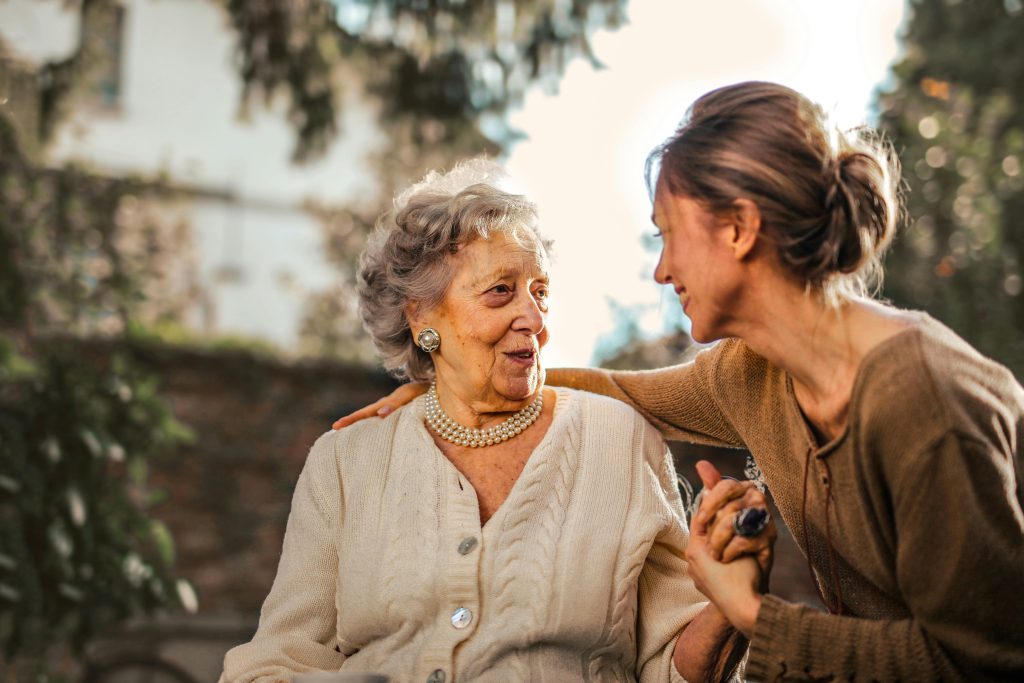
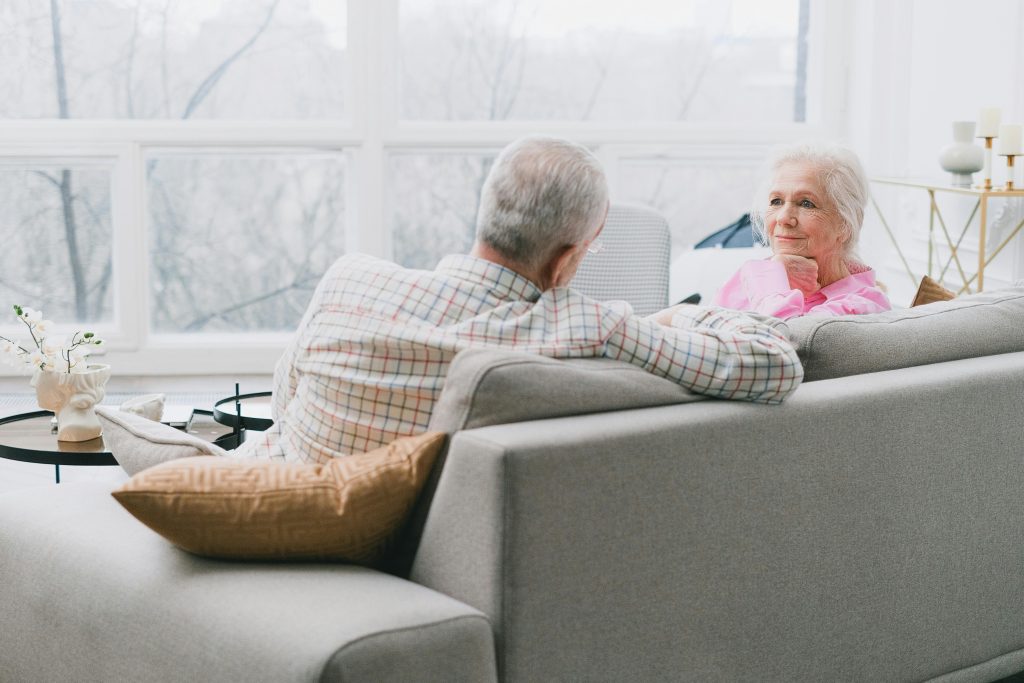
Elderly couple sitting together on a sofa, engaged in a warm conversation inside a well-lit room.

Can Meds Mimic Dementia? Reversible Confusion

One of the most terrifying moments for a senior or their family is the sudden onset of forgetfulness, disorientation, or a “faded” personality. Often, these symptoms are immediately dismissed as the early stages of Alzheimer’s disease or permanent age-related decline. However, at geriatricrehab.es, we frequently encounter a “Great Mimicker” known as Pseudo-Dementia. This condition presents

Can Meds Mimic Dementia? Reversible Confusion Read Post »
A healthcare professional smiles while consulting with an elderly man in a cozy indoor setting.

Talking to Your Doctor About Medication Side Effects

In the realm of geriatric care, the “Brown Bag” session is often the most critical intervention we perform. As an older adult, your body’s ability to process chemicals changes, leading to a phenomenon known as the Slippery Slope of Aging. When medications that once helped now hinder your mobility or clarity, effective Physician Communication becomes

Talking to Your Doctor About Medication Side Effects Read Post »

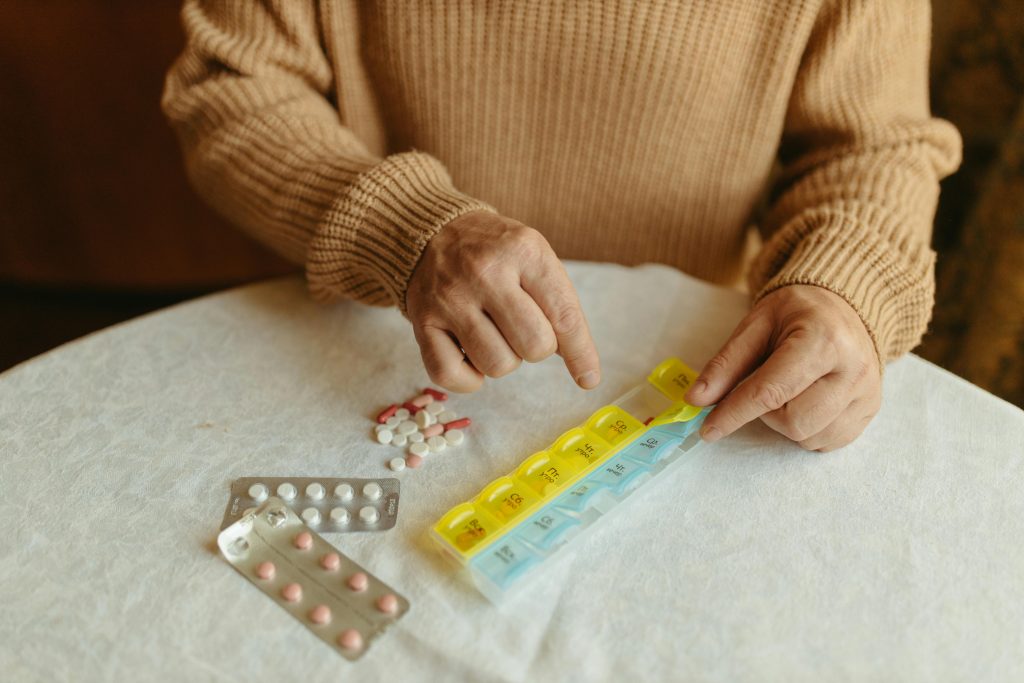
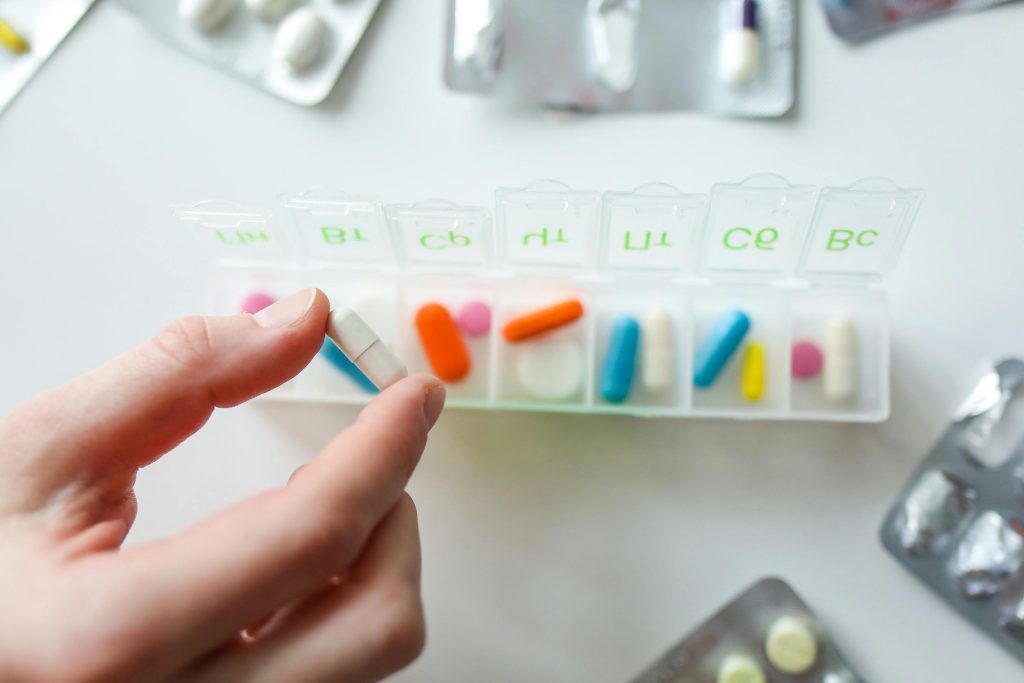
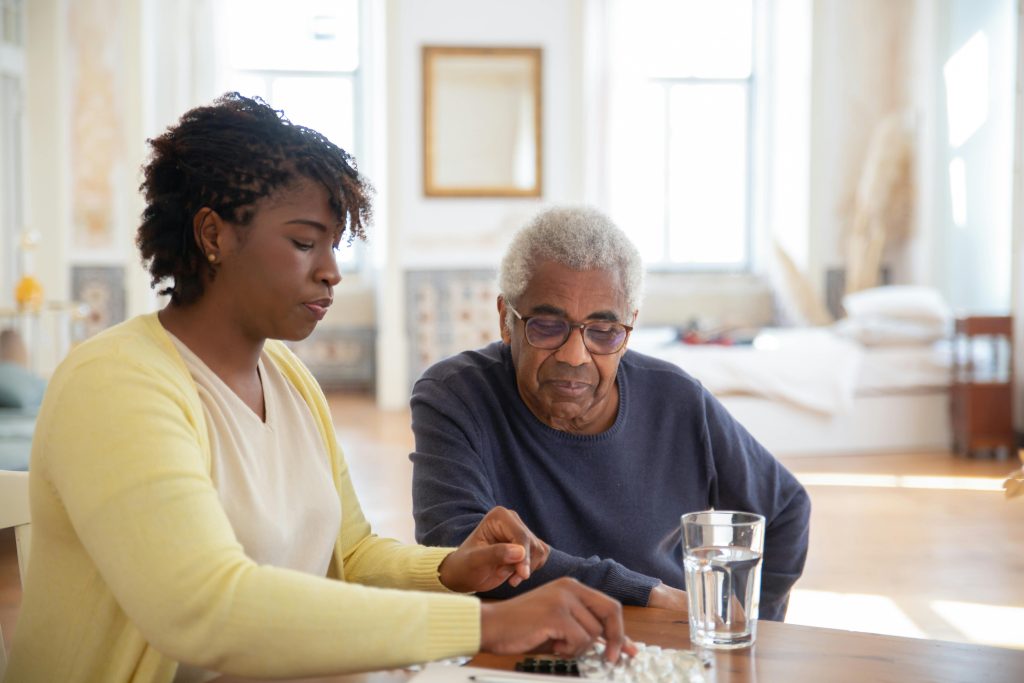
Senior adult organizing daily medications using a weekly pill organizer on a table indoors.

Never Miss a Dose: Tools for Med Adherence

In the landscape of geriatric rehabilitation, the most sophisticated exercise program or physical therapy intervention can be undermined by a single missing link: medication adherence. For older adults, managing multiple prescriptions—often referred to as polypharmacy—is a daunting task that requires precision, memory, and physical dexterity. Medication adherence is not merely a matter of following instructions;

Never Miss a Dose: Tools for Med Adherence Read Post »

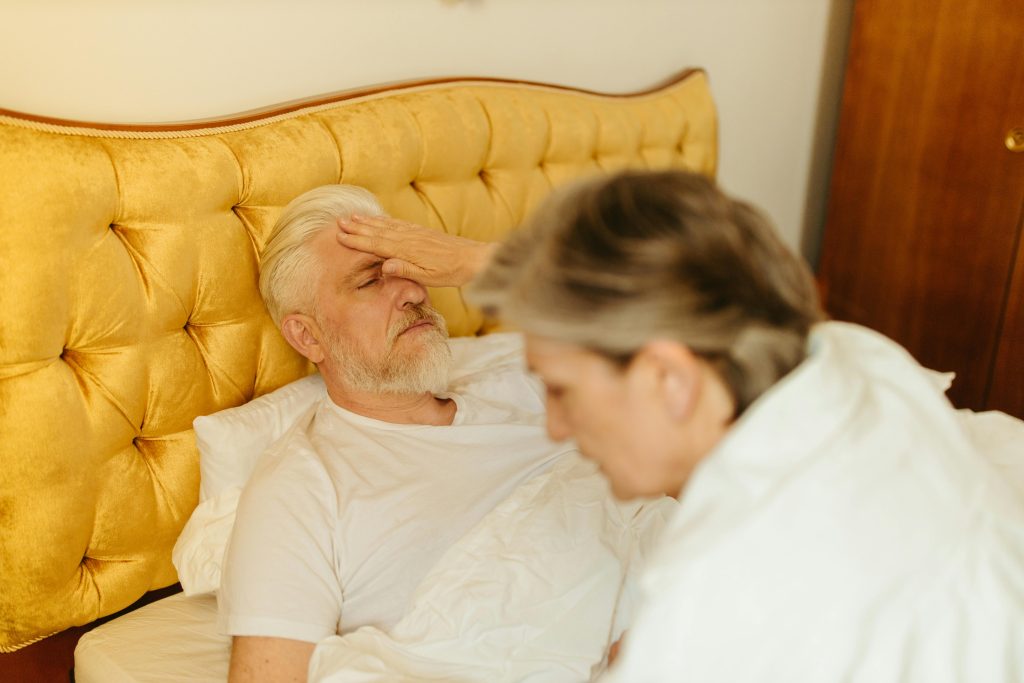
Elderly man undergoes temperature check by a healthcare worker in a protective suit and mask indoors.

The Importance of Medication Reconciliation

For the aging adult, the medicine cabinet often becomes as complex as the conditions it aims to treat. In the world of geriatric rehabilitation, we frequently encounter patients who are transitioning between a hospital, a skilled nursing facility, and their own homes. During these transitions, the risk of “medical static”—errors in dosages, duplications, or dangerous

The Importance of Medication Reconciliation Read Post »
Vitamins and Herbs: Are They Safe for Seniors?

In the pursuit of “Optimal Aging,” many seniors turn to the aisles of health food stores, seeking a “natural” way to bolster their vitality. In the clinical world of geriatric rehabilitation, we often see patients who view senior supplements as inherently safer than prescription drugs. However, according to the principles of Geriatric Physical Therapy (2020),

Vitamins and Herbs: Are They Safe for Seniors? Read Post »

Long-Term Steroid Use and Bone Health

In the world of geriatric rehabilitation, we often treat patients who have spent years managing chronic conditions like COPD, rheumatoid arthritis, or other autoimmune disorders. The “gold standard” for managing the inflammation associated with these diseases is often a class of medications known as corticosteroids. However, while these drugs are life-saving in their ability to

Long-Term Steroid Use and Bone Health Read Post »

Do Statins Cause Muscle Pain? (Myopathy)

Statins are among the most widely prescribed medications in the world, serving as a frontline defense against cardiovascular disease and stroke. At geriatricrehab.es, we recognize their life-saving potential; however, we also see the physical “cost” some patients pay in the form of muscle discomfort. Statin-Induced Myopathy is a significant concern in geriatric rehabilitation because it

Do Statins Cause Muscle Pain? (Myopathy) Read Post »

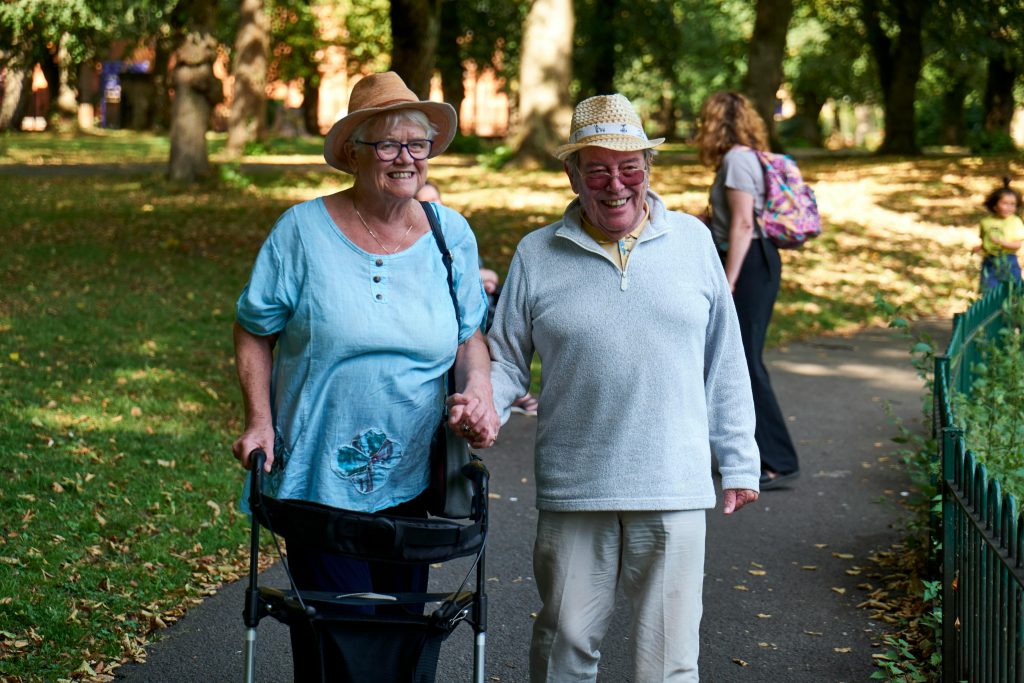
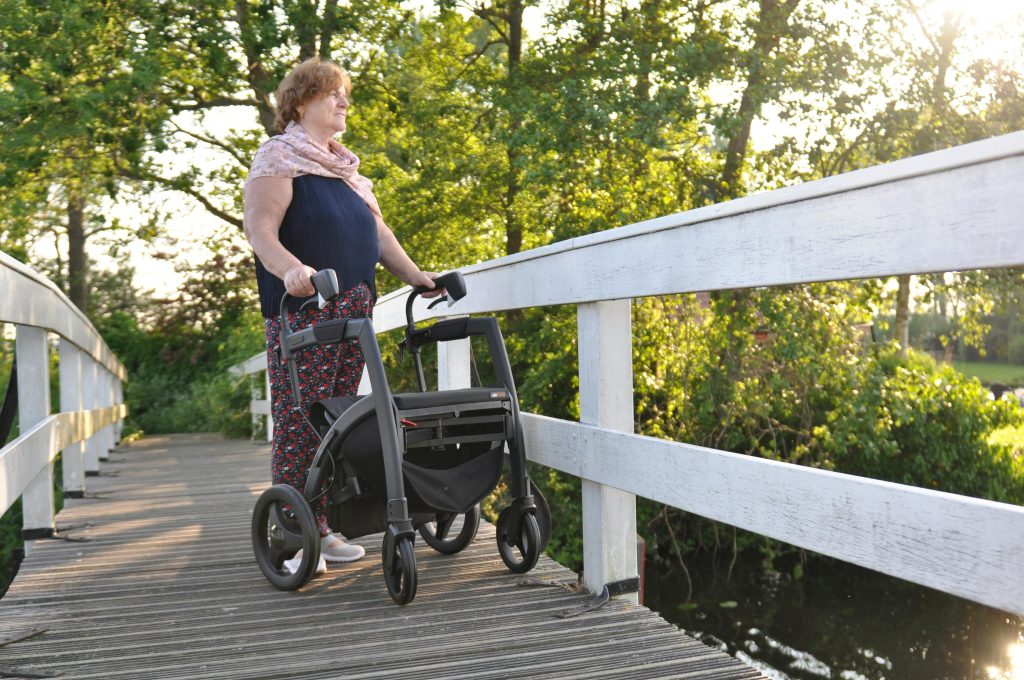
Senior lady stands with walker on a wooden footbridge amidst a serene forest setting.

Blood Pressure Meds and Exercise Safety

For the active senior, managing cardiovascular health is a full-time job that often involves a complex cocktail of prescriptions. At geriatricrehab.es, we frequently encounter a “therapeutic paradox”: the very medications required to protect the heart can sometimes create significant barriers to the physical activity necessary for long-term recovery. Whether you are recovering from a hip

Blood Pressure Meds and Exercise Safety Read Post »

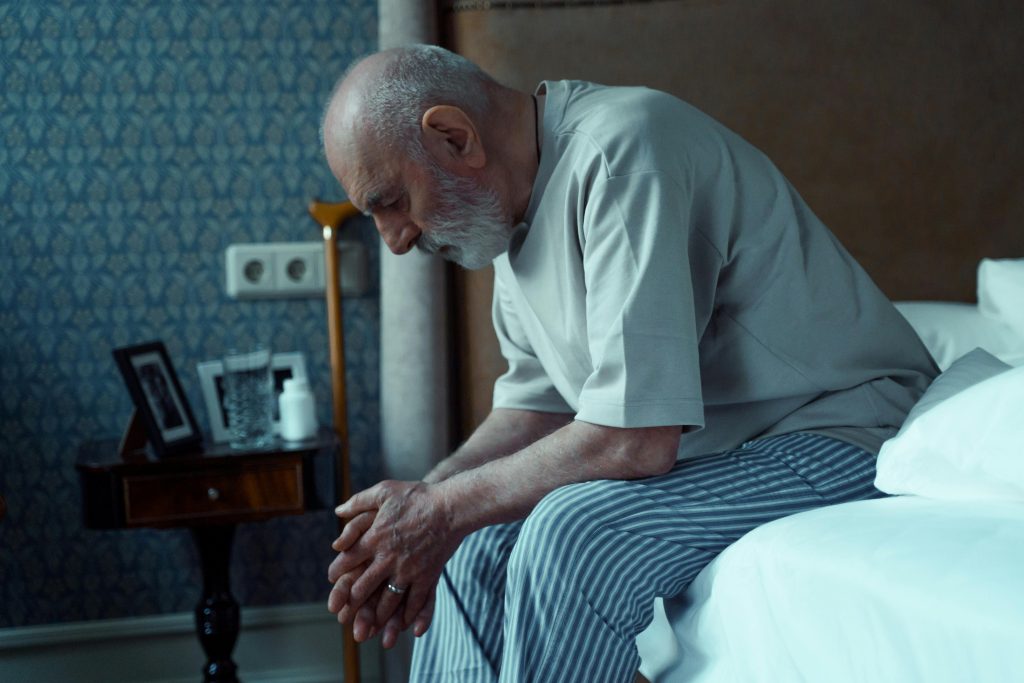
Elderly man sitting pensively on a wooden chair outside his home, reflecting solitude.

Antipsychotics and Dementia: What You Need to Know

Navigating the behavioral symptoms of dementia is perhaps the most emotionally and clinically taxing aspect of geriatric care. At geriatricrehab.es, we recognize that while mobility is our primary focus, it is often the mind that dictates the safety of the body. The use of Psychotropics in Seniors—specifically antipsychotics—to manage agitation, aggression, or hallucinations is a

Antipsychotics and Dementia: What You Need to Know Read Post »

Black and white photo of an adult man sitting indoors with medication bottles.

The “Brain Fog” Drugs: Anticholinergic Burden

In the world of geriatric rehabilitation, we often focus on the physical strength of the legs or the stability of the hips. However, at geriatricrehab.es, we recognize that the “command center”—the brain—is just as vital for balance as any muscle. One of the most significant, yet frequently overlooked, threats to cognitive clarity and physical safety

The “Brain Fog” Drugs: Anticholinergic Burden Read Post »
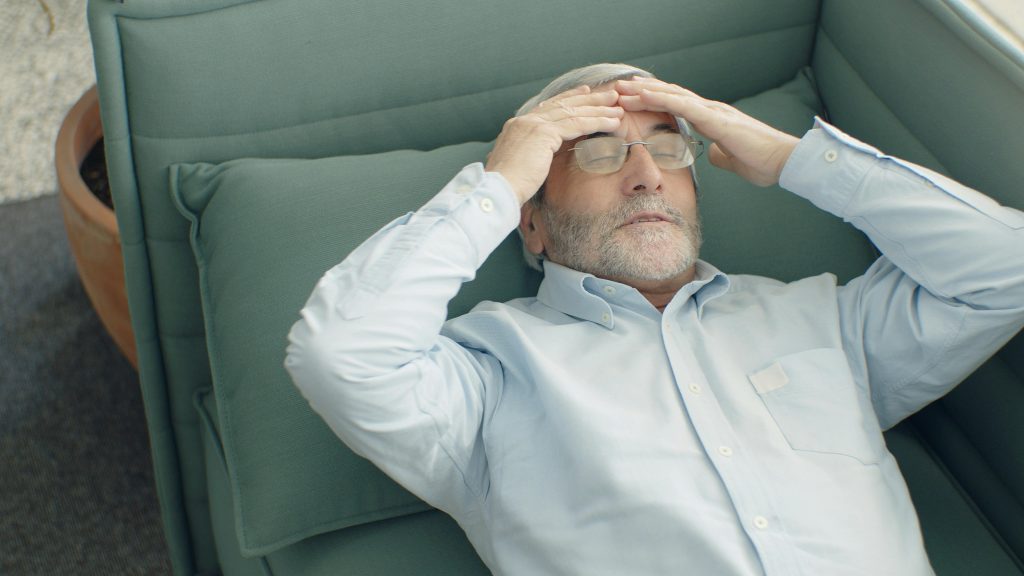
Elderly man with eyeglasses carefully examining his medication while seated on a green couch.

Managing Chronic Pain: Opioids in Geriatrics

In the management of chronic geriatric pain, few topics are as polarized as the use of narcotics. At geriatricrehab.es, we believe that pain is a significant barrier to the movement and exercise required to maintain independence. However, we must acknowledge that Opioids for Seniors present a unique pharmacological challenge. Because the aging body processes chemicals

Managing Chronic Pain: Opioids in Geriatrics Read Post »
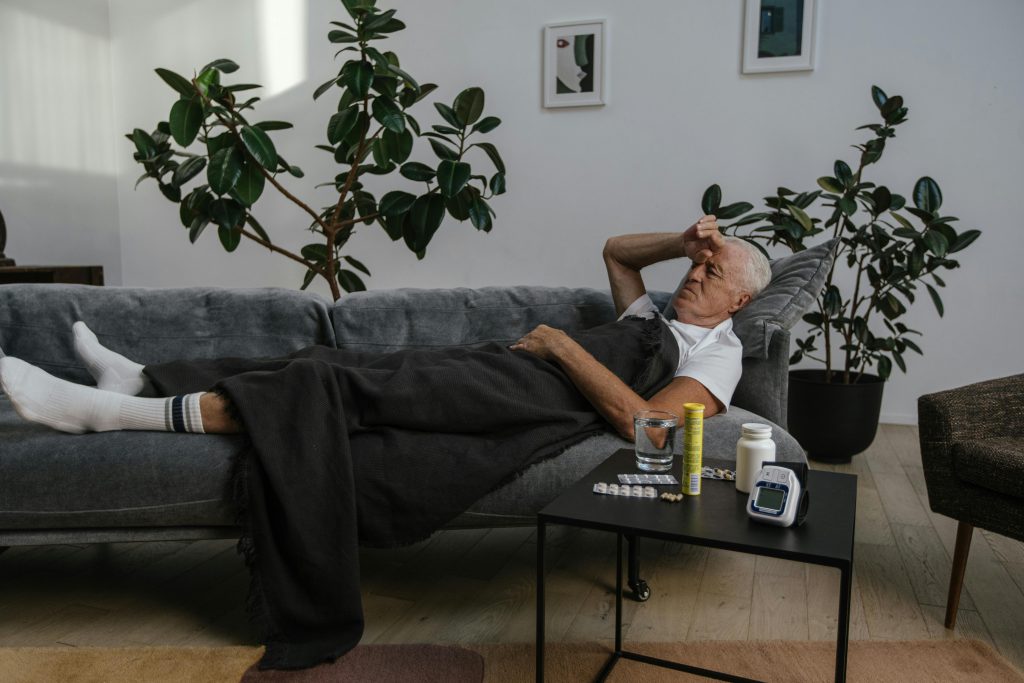
A senior man with eyeglasses relaxing on a sofa, looking stressed and tired.

The Pros and Cons of NSAIDs for Seniors

In the toolkit of modern medicine, few drugs are as ubiquitous as Non-Steroidal Anti-Inflammatory Drugs (NSAIDs). Whether it is Ibuprofen (Advil, Motrin), Naproxen (Aleve), or Aspirin, these medications are the “go-to” for the aches and pains that often accompany the golden years. However, at geriatricrehab.es, we frequently see a disconnect between how “safe” these over-the-counter

The Pros and Cons of NSAIDs for Seniors Read Post »

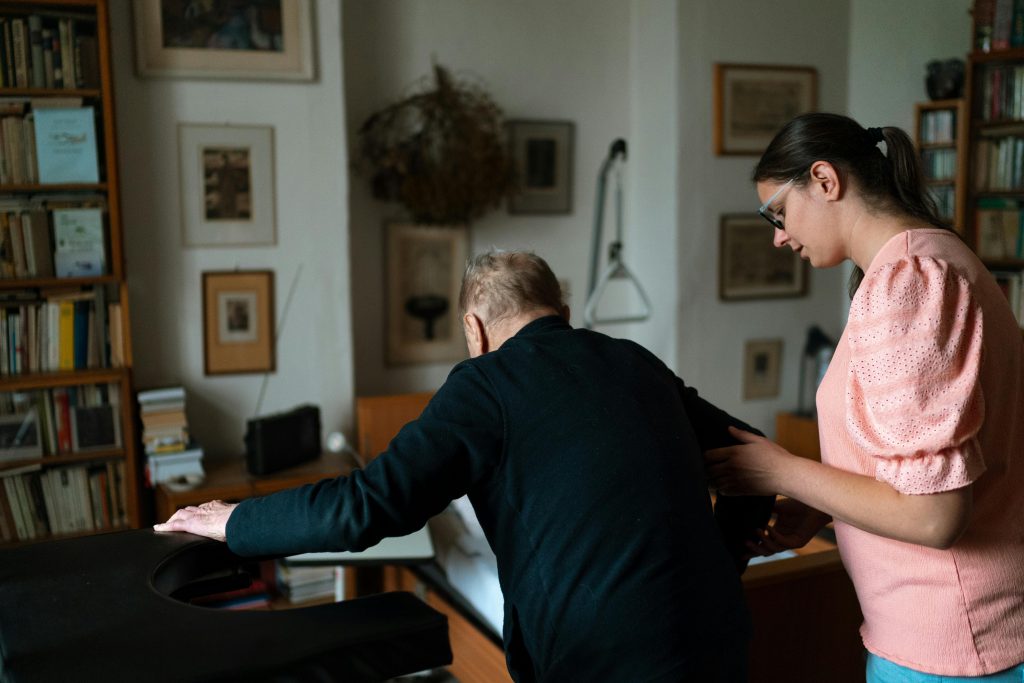
Young caregiver assisting senior man in a stylish Prague living room.

Building a Stronger Future: Month 3 Wrap-Up

We have reached a pivotal milestone at geriatricrehab.es. Over the last four weeks, we have shifted our focus from foundational movement to the “Intensity Mandate.” This month was not about “staying active”—it was about a clinical intervention known as Sarcopenia Prevention. By challenging the aging musculoskeletal system with significant loads, we have begun to reverse

Building a Stronger Future: Month 3 Wrap-Up Read Post »

Senior woman kneeling in a garden, planting small plants in soil with protective gloves on.

One Size Does Not Fit All: Tailoring the Routine

In the world of geriatric care, the term “standardized” can often be a polite word for “ineffective.” At geriatricrehab.es, we recognize that age is a poor indicator of physical capacity. One 80-year-old might be training for a local 5k, while another might struggle to rise from a standard armchair. Personalized Rehab is the clinical process

One Size Does Not Fit All: Tailoring the Routine Read Post »

Scroll to Top