
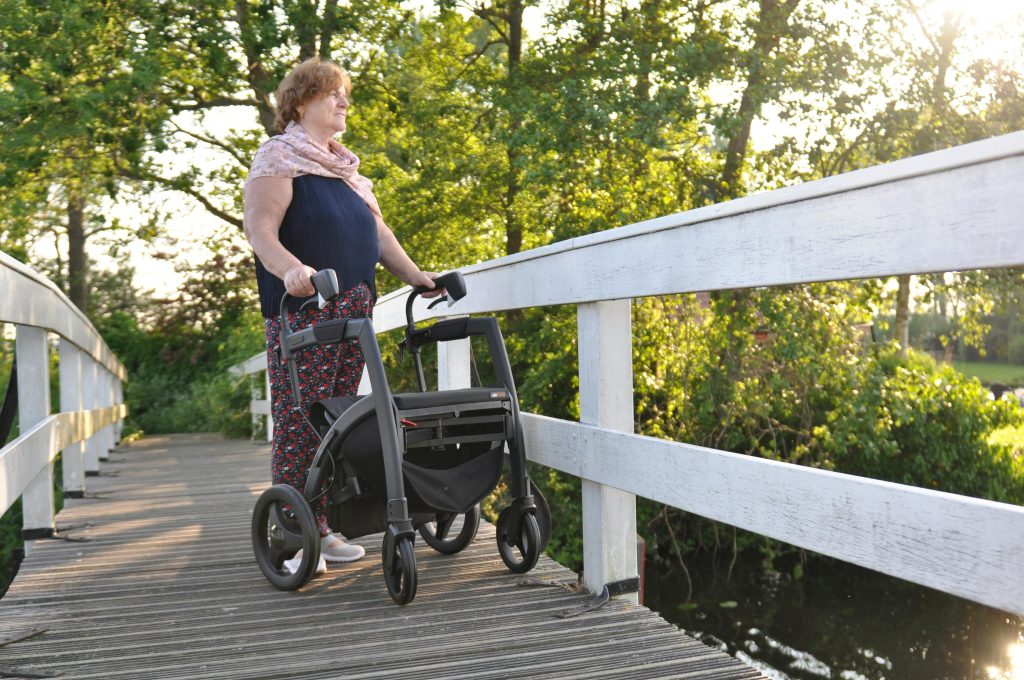
For the active senior, managing cardiovascular health is a full-time job that often involves a complex cocktail of prescriptions. At geriatricrehab.es, we frequently encounter a “therapeutic paradox”: the very medications required to protect the heart can sometimes create significant barriers to the physical activity necessary for long-term recovery. Whether you are recovering from a hip replacement or managing chronic hypertension, understanding how your Hypertension Medication interacts with your movement is the key to staying safe and effective in your rehabilitation. By bridging the gap between the cardiologist’s office and the gym floor, we can ensure that your “heart pills” and your “hand weights” are working toward the same goal.
1. The Intersection of Cardiology and Kinesiology
In geriatric care, blood pressure management is the cornerstone of stroke and heart attack prevention. However, when we introduce exercise into the equation, the physiological environment changes. Exercise naturally increases cardiac output and vasodilation, but many forms of Hypertension Medication are designed to do the exact opposite—they dampen the heart’s response or alter fluid levels to keep pressure low.
Citing principles from Geriatric Physical Therapy (2020), we must treat every exercise session for a medicated senior as a “monitored event.” It isn’t enough to simply follow a workout plan; we must understand the pharmacological “governor” placed on the patient’s system. For allied health professionals, this means moving beyond the standard “target heart rate” and looking at the whole patient—their hydration, their balance, and their perceived level of exertion. Without this nuanced view, we risk over-stressing a heart that is chemically restricted or, conversely, under-training a patient who feels “fine” but is actually on the verge of a syncopal episode.
2. The ‘Feelings’ Section: The “Heavy Legs” and the “Internal Speed Limit”
For a senior, the impact of blood pressure medication on exercise isn’t usually a lab value; it’s a physical sensation that can be frustrating or even frightening.
For Seniors: Translating the Heart’s Response
- The “Internal Speed Limit”: If you are taking certain heart medications, you might feel like you’ve hit a wall early in your walk. No matter how much you try to “push through,” your heart simply won’t “get into gear.” It feels like you are driving a car with a governor that won’t let you go over 20 miles per hour.
- The “Heavy Legs” Sensation: Some medications make your legs feel like they are made of lead. This isn’t usually a muscle problem; it’s often a sign that your blood pressure is so well-controlled that not enough “pressure” is reaching your working muscles during a tough climb or a long flight of stairs.
- The “Dizzy Stand”: This is the classic feeling of “that dizzy feeling when you stand up too fast from the couch.” In the context of exercise, this can happen when you transition from a floor exercise to a standing position. Your medication is so good at keeping your blood vessels relaxed that they can’t “squeeze” fast enough to send blood back up to your brain when you stand.
3. How Beta-Blockers Alter Hypertension Medication Effects During Exercise
For the Allied Health Professional, beta-blockers (like Metoprolol or Atenolol) represent the most significant challenge in exercise prescription. These drugs work through the competitive inhibition of Beta-1 adrenergic receptors, effectively “blunting” the sympathetic nervous system’s response to physical stress.
For Professionals: Pharmacokinetics and Monitoring Shifts
- First-Pass Metabolism and Half-Life: Most beta-blockers undergo extensive first-pass metabolism, but in the geriatric population, reduced hepatic blood flow can lead to higher systemic concentrations. Coupled with a prolonged half-life, the “blunting” effect can be much more profound than anticipated, lasting well into the next day’s therapy session.
- The Death of the “Target Heart Rate”: Because beta-blockers prevent the heart rate from rising linearly with exercise intensity, using a standard “220 minus age” formula is clinically dangerous. You may be pushing a patient to a perceived 10/10 effort while their heart rate remains at a deceptive 90 beats per minute.
- Volume of Distribution (Vd): Lipophilic beta-blockers have a larger volume of distribution in seniors due to increased body fat. This can lead to CNS side effects like fatigue and “vivid dreams,” which can further decrease a patient’s motivation and energy for rehab. We must shift our monitoring to the Borg Rate of Perceived Exertion (RPE) scale, where we ask the patient how hard they feel they are working, rather than relying on a digital monitor.
Take-Home Tips for Caregivers:
- The “Talk Test”: If your loved one is exercising while on a beta-blocker, ignore their heart rate monitor. Instead, use the “Talk Test.” If they can’t speak in full sentences because they are too breathless, they are working too hard, even if the watch says their heart rate is “low.”
- The “Cool Down” Vigil: Never let your loved one sit down immediately after exercise. Because their Hypertension Medication keeps their vessels wide open, stopping abruptly can cause blood to “pool” in the legs, leading to a sudden faint.
- The “Dizzy Stand” Support: Always be within arm’s reach when your loved one moves from a lying or sitting position to standing during their workout.
4. Diuretics and the Hydration Tightrope
Diuretics, often called “water pills” (such as Hydrochlorothiazide or Furosemide), are a mainstay of Hypertension Medication management. Their primary role is to reduce the total fluid volume in the bloodstream, which lowers the pressure against the vessel walls. However, for a senior in physical therapy, this creates a precarious balance between heart safety and dehydration.
For Professionals: Electrolytes and Volume Depletion
- Volume of Distribution (Vd): In the elderly, the total body water is already reduced. When a diuretic further shrinks this volume, it alters the volume of distribution for other medications, potentially increasing their concentration to toxic levels.
- The Hypokalemia Risk: Many diuretics cause the kidneys to flush out potassium. Low potassium (hypokalemia) during exercise can lead to muscle cramping, weakness, and—most dangerously—cardiac arrhythmias.
- The “Fluid Lag”: Seniors often have a blunted thirst mechanism. If they are taking a diuretic and exercising, they may lose fluid through sweat and urine faster than they feel the need to replace it. This results in “thick” blood and a heart that has to work harder to pump a smaller volume.
5. Managing Risks of Hypertension Medication in Geriatric Rehab
ACE Inhibitors (like Lisinopril) and ARBs (like Losartan) work by relaxing the blood vessels. While they are generally well-tolerated, they carry specific risks when a senior combines them with a vigorous rehab program.
For Professionals: The “Triple Whammy” and Renal Perfusion
- The “Triple Whammy”: Allied health professionals must be vigilant for patients taking an ACE inhibitor, a diuretic, and an NSAID (like Ibuprofen) simultaneously. This combination can cause a sudden shutdown of the kidneys (Acute Kidney Injury) by restricting the blood flow into and out of the filtration units.
- The “ACE Cough”: Up to 20% of patients on ACE inhibitors develop a persistent, dry cough. During aerobic exercise, this can interfere with breathing patterns and reduce oxygen saturation, leading the patient to feel more fatigued than the exercise intensity warrants.
- First-Pass Metabolism: While most ACE inhibitors are “prodrugs” that require activation in the liver, the age-related decline in liver function can delay the onset of the drug’s effect, leading to unpredictable blood pressure “dips” several hours after the dose is taken.
6. Orthostatic Hypotension: The Physical Therapist’s Greatest Hurdle
The most common side effect encountered during a rehab session is orthostatic hypotension. This is the physiological failure to maintain blood pressure when moving against gravity. Because Hypertension Medication is designed to keep vessels relaxed, the body’s natural “squeeze” mechanism is often too slow to react.
Clinical Strategies: The 10-Second Pause
At geriatricrehab.es, we use a “staged transition” protocol to keep patients safe:
- The Supine Pump: Before getting out of bed, perform 20 ankle pumps to “prime” the leg muscles and push blood back toward the heart.
- The Dangle: Sit at the edge of the bed for a full 60 seconds.
- The 10-Second Pause: Once standing, the patient must keep their hands on a stable surface (walker or counter) for 10 seconds before taking their first step. This gives the Hypertension Medication and the nervous system time to reach an equilibrium.
- The “Squeeze” Technique: We teach patients to cross their legs and squeeze their thigh muscles if they start to feel “that dizzy feeling” while standing.
Take-Home Tips for Caregivers:
- The “Pinch Test”: To check hydration, gently pinch the skin on the back of your loved one’s hand. If it stays in a “tent” shape for more than a second, they are dehydrated and should not exercise until they’ve had 8–12 ounces of water.
- The “Cough Check”: If your loved one starts a new “heart pill” and suddenly develops a dry, hacking cough, don’t reach for cough syrup. It is likely an ACE inhibitor reaction and should be reported to the doctor.
- The “Ankle Check”: If they are on a diuretic and complain of sudden, painful calf cramps during a walk, stop immediately. It could be a sign of low potassium.
7. The Medication Cascade: The Diuretic Domino Effect
In geriatric medicine, the “Medication Cascade” is a silent thief of independence. It occurs when a side effect of one medication is misinterpreted as a new medical condition, leading to another prescription. This is particularly common with Hypertension Medication, where the body’s attempts to balance fluid and pressure can create a confusing array of symptoms.
Staff Tip for Length: The Story of Mr. Miller. Consider “Mr. Miller,” a 72-year-old recovering from a minor stroke who was highly motivated to return to his morning golf game.
- The Trigger: Mr. Miller was prescribed an NSAID (Ibuprofen) for lingering knee pain.
- The Second Domino: The NSAID caused his body to retain salt and water, which drove his blood pressure up. His doctor, seeing the high reading, increased his Hypertension Medication by adding a potent diuretic.
- The Third Domino: The diuretic worked well—too well. Mr. Miller began experiencing “that dizzy feeling when he stands up too fast” and noticed significant ankle swelling at the end of the day (a common side effect of certain heart pills).
- The Fourth Domino: To address the swelling, he was told to “take it easy” and was given another pill for “venous insufficiency.”
- The Result: Because of the diuretic, Mr. Miller became mildly dehydrated. One morning on the golf course, he stood up quickly from a low golf cart, his blood pressure bottomed out, and he suffered a syncopal episode (fainting), leading to a hip fracture.
At geriatricrehab.es, we look at Mr. Miller and see that his “fainting problem” wasn’t a new disease—it was a cascade that started with a simple knee pill. By addressing the knee pain through physical therapy and tapering the unnecessary diuretic, we could have prevented the fall.
8. The Caregiver Corner: The “Safe Workout” Checklist
As a caregiver, you are the “on-site” safety officer during home exercise programs. Since many blood pressure medications blunt the body’s natural alarm systems, you must watch for subtle physical cues that indicate the heart or kidneys are struggling.
5 Signs Your Loved One is Over-Medicated for Blood Pressure:
- The “Cold Clammy” Turn: If they are exercising and their skin feels cold and damp rather than warm and sweaty, their blood pressure may be dropping too low.
- The “Blue Lip” Shadow: Watch the color of their lips and nail beds. A bluish tint (cyanosis) during a walk suggests that their Hypertension Medication might be preventing the heart from pumping enough oxygenated blood to meet the demand.
- The “Confusion Gap”: If they suddenly seem “spacey” or have trouble following simple instructions mid-workout, their brain may not be getting enough “perfusion” (blood flow).
- The “Unexplained Weight Gain”: If they gain more than 2 pounds in 24 hours while on a diuretic or ACE inhibitor, it’s not fat—it’s fluid. This is a red flag for heart or kidney strain.
- The “Quiet Pulse”: If you feel their pulse and it seems very weak or “thready,” even though they are breathing hard, their pressure may be insufficient for the activity.
9. Best Practices for Monitoring Hypertension Medication and Exercise
For the allied health professional, monitoring a senior on blood pressure meds requires a “multi-system” approach. We cannot rely on a single data point like a heart rate monitor.
- The “RPE” Standard: We use the Borg Scale (6–20). A senior on a beta-blocker should aim for a “12 to 14” (Somewhat Hard). If they are at a “17” (Very Hard) but their heart rate is only 85, you must trust the patient’s feeling over the machine’s reading.
- Blood Pressure “Holding” Patterns: According to Geriatric Physical Therapy (2020) guidelines, we generally “hold” or stop exercise if the resting Systolic BP is over 180 mmHg or the Diastolic is over 110 mmHg. Conversely, if the Systolic drops during exercise, it is an absolute emergency.
- The “Talk Test” Integration: This is the most reliable tool in the gym. If a patient can speak but needs to catch their breath every 3–4 words, they are in the “aerobic zone.” If they can’t speak at all, their Hypertension Medication is being overtaxed.
- Post-Exercise “Sit-to-Stand” Vitals: We don’t just take vitals at rest. We take them immediately after exercise and again after 3 minutes of rest to see how quickly the medication allows the heart to recover.
Take-Home Tips for Caregivers:
- The “Morning Weight” Log: Have your loved one step on the scale every morning before breakfast. Sudden changes are the earliest warning sign of a medication imbalance.
- The “No-Salt” Exercise Snack: If they feel weak after a workout, avoid sugary “sports drinks.” A small piece of fruit and plenty of plain water are safer for someone on Hypertension Medication.
- The “Cool Down” Walk: Ensure they walk slowly for at least 5 minutes at the end of a session. This prevents the “pooling” of blood in the legs that causes the “Dizzy Stand.”
I will now conclude this comprehensive guide by emphasizing the importance of the “Balanced Heart” approach—where medication and movement coexist to extend both the length and quality of life.
10. Conclusion: Moving Toward a Balanced Heart
At geriatricrehab.es, we believe that a prescription for a “heart pill” should never be a sentence to a sedentary life. The journey through Month 4 has illustrated that while Hypertension Medication is essential for protecting the brain and heart from the pressures of daily life, it requires a specialized approach when you step into the rehabilitation gym. Whether it is managing the “Internal Speed Limit” of beta-blockers or navigating the hydration tightrope of diuretics, the goal is always the same: safety through education.
Reclaiming your mobility means being an active participant in your pharmacological care. By understanding “that dizzy feeling when you stand up” and utilizing the “10-Second Pause,” you can prevent the falls that so often derail a senior’s independence. When the physician, the physical therapist, and the caregiver work in harmony, we can ensure that every step you take is supported by a heart that is both chemically protected and physically strong.
Are you or a loved one struggling to stay active while managing high blood pressure? Don’t let the fear of a “Dizzy Stand” keep you from the exercise you need. At geriatricrehab.es, we offer specialized “Heart-Safe Mobility Screenings” to help you balance your prescriptions with your physical goals. Schedule your consultation today at geriatricrehab.es and let’s build a stronger, safer heart together.













