April 2026

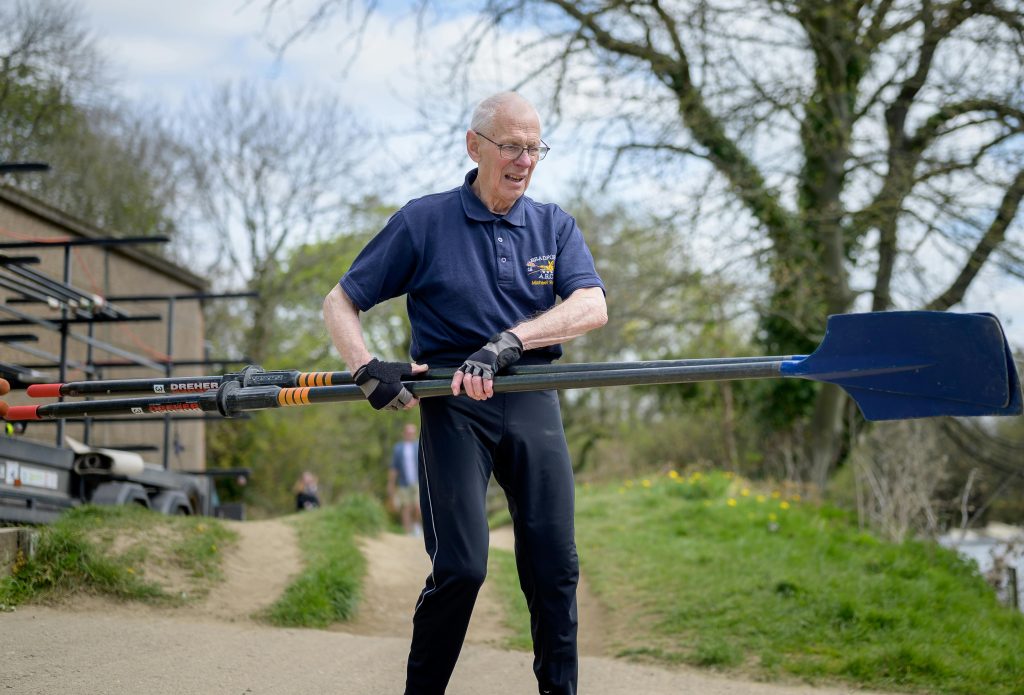
Elderly man holding a kayak oar outdoors, enjoying leisure and health benefits.

Essential Amino Acids: The Building Blocks of Rehab

In the clinical setting of geriatricrehab.es, we often say that exercise provides the “blueprints” for a stronger body, but nutrition provides the “bricks.” Without a steady supply of Essential Amino Acids, even the most scientifically sound rehabilitation program will fail to yield results. As we age, our bodies become less efficient at processing protein—a phenomenon

Essential Amino Acids: The Building Blocks of Rehab Read Post »

Creatine for Seniors: Safety and Effectiveness

For decades, creatine has been unfairly pigeonholed as a supplement exclusively for elite athletes and bodybuilders. However, as we delve deeper into the science of longevity at geriatricrehab.es, it is becoming clear that Creatine Supplementation may be one of the most effective, evidence-based tools available to the aging adult. Sarcopenia—the age-related loss of muscle mass

Creatine for Seniors: Safety and Effectiveness Read Post »
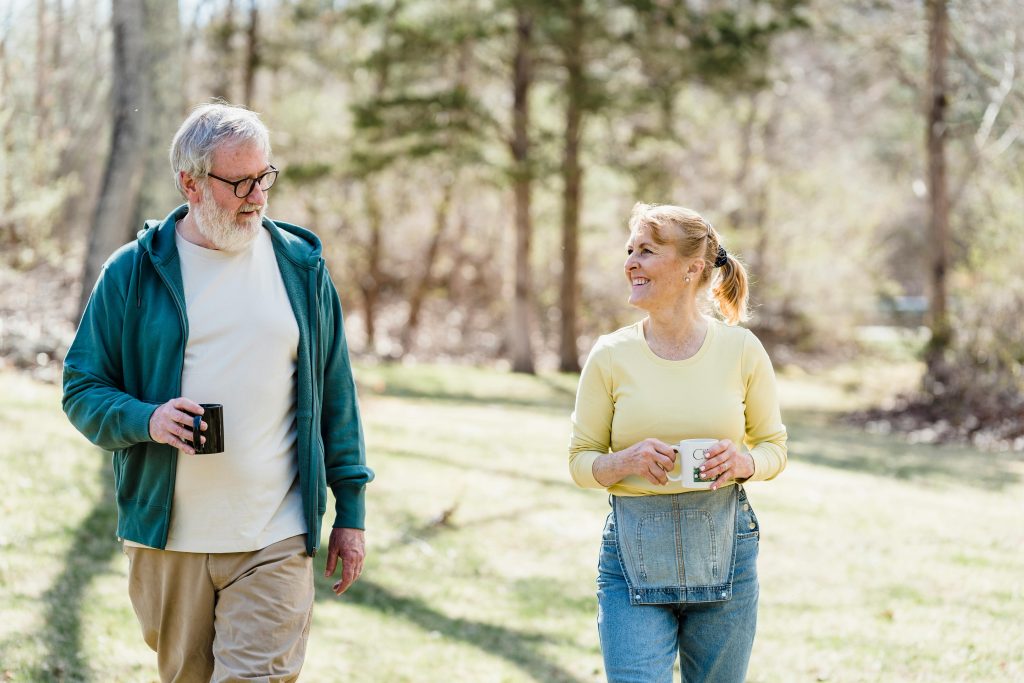
Happy elderly couple walking outdoors, sharing a joyful conversation with warm smiles.

Brain to Muscle: Improving the “Neural Drive”

In the first few weeks of a high-intensity program at geriatricrehab.es, patients often express surprise. They feel significantly stronger, they move with more “vigor,” and they find daily tasks easier—yet their muscles don’t look any larger in the mirror. This phenomenon is not an illusion; it is the result of a sharpened Neuromuscular Connection. Before

Brain to Muscle: Improving the “Neural Drive” Read Post »
Elderly woman with white hair reaching a kitchen shelf in a cozy kitchen setting.

Reaching and Lifting: Upper Body Functional Strength

In the hierarchy of geriatric independence, we often prioritize walking and balance—and for good reason. However, the ability to interact with your environment is dictated by your Upper Body Strength. Whether it is reaching for a gallon of milk on a high refrigerator shelf, pushing open a heavy commercial door, or catching yourself during a

Reaching and Lifting: Upper Body Functional Strength Read Post »

Elderly women engaging in fitness activities with exercise balls in a community center.

Master the Sit-to-Stand: The Ultimate Exercise

In the world of geriatric rehabilitation, there is one movement that stands above all others as the ultimate predictor of independence: the sit-to-stand. At geriatricrehab.es, we don’t view the Sit-to-Stand Exercise as just a warm-up; we view it as a high-stakes clinical intervention. The ability to transition from a seated position to a standing one

Master the Sit-to-Stand: The Ultimate Exercise Read Post »

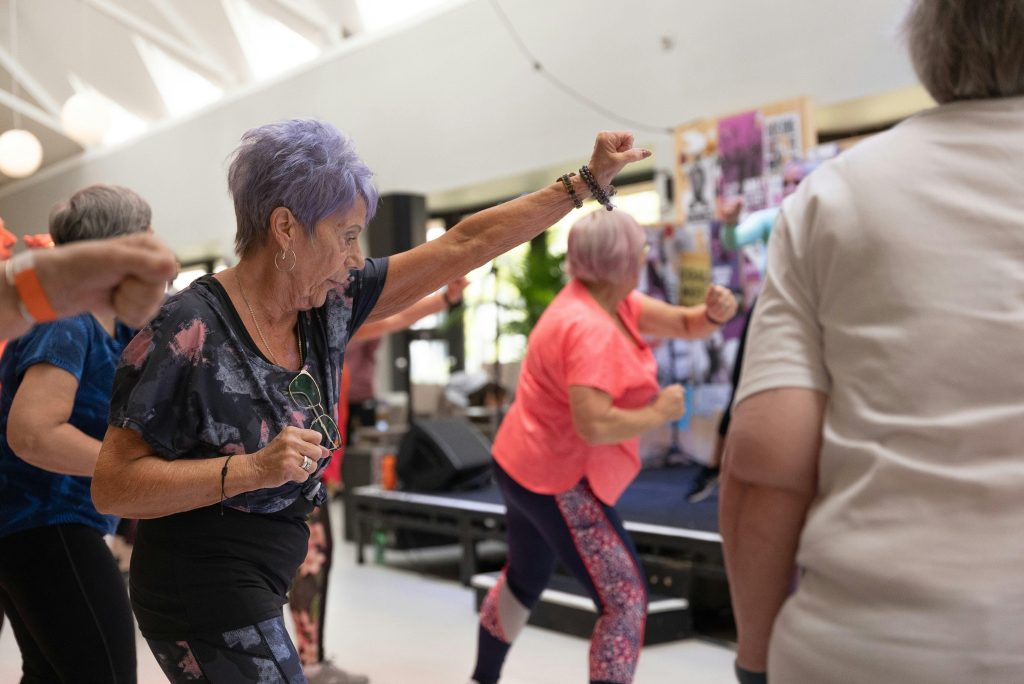
Group of senior women engaged in fitness activities indoors, promoting healthy aging.

Social Strength: The Benefits of Group Exercise

In the isolation that often accompanies aging, the gym should be more than a place for solitary movement; it should be a hub for collective resilience. At geriatricrehab.es, we have observed that the most consistent transformations occur not in isolation, but within the framework of Group Resistance Training. While the biological goals remain the same—hypertrophy

Social Strength: The Benefits of Group Exercise Read Post »

Muscle as a Metabolic Organ: Controlling Sugar

In the traditional view of aging, muscle loss is often seen as a purely physical inconvenience—a reason for slower walking or difficulty standing. However, at geriatricrehab.es, we recognize that skeletal muscle is actually the body’s largest metabolic organ. Every time you contract a muscle, you are engaging a sophisticated pharmacy that regulates blood sugar, influences

Muscle as a Metabolic Organ: Controlling Sugar Read Post »

Managing Muscle Soreness: Is It Good or Bad?

In the journey of geriatric rehabilitation, few sensations cause as much hesitation as the morning-after ache. At geriatricrehab.es, we frequently encounter patients who fear that a heavy session has “undone” their progress or caused permanent damage to their joints. However, the phenomenon of Delayed Onset Muscle Soreness is rarely a sign of catastrophe; rather, it

Managing Muscle Soreness: Is It Good or Bad? Read Post »

Senior couple walking in a park with a walker, enjoying a sunny day outdoors.

The Science of Rest: Why Recovery Takes Longer

In our pursuit of reversing age-related decline at geriatricrehab.es, we often emphasize the “Mechanical Shout”—that high-intensity signal that tells the body it needs to grow stronger. However, that signal is only half of the equation. For the aging adult, Muscle Recovery is not merely a break from the action; it is the active physiological phase

The Science of Rest: Why Recovery Takes Longer Read Post »

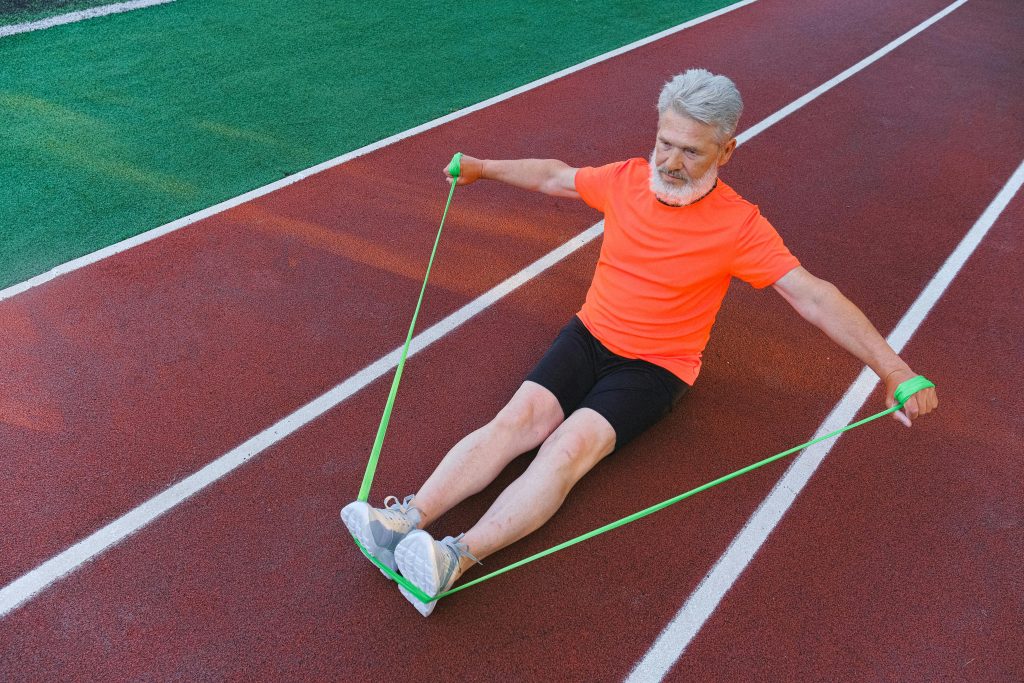
Personal trainer guiding a woman with resistance band exercise in a gym setting.

Resistance Bands vs. Free Weights for Seniors

In the pursuit of longevity and physical independence, the debate often centers on the equipment: Should a senior use the colorful elastic bands found in most physical therapy clinics, or should they reach for the “iron” usually reserved for younger athletes? At geriatricrehab.es, we argue that this is a secondary question. The primary question is

Resistance Bands vs. Free Weights for Seniors Read Post »

A joyful family scene of grandparents and grandchildren playing video games together at home.

The Power of the Quads: Key to Independence

In the hierarchy of human movement, the quadriceps stand alone as the most critical muscle group for maintaining late-life autonomy. While cardiovascular health and flexibility are important, it is the force-generating capacity of the knee extensors that dictates whether an older adult can rise from a chair, navigate a flight of stairs, or recover from

The Power of the Quads: Key to Independence Read Post »

Overcoming Anabolic Resistance in Older Adults

In the landscape of geriatric rehabilitation, we often encounter a frustrating phenomenon: a senior who “does everything right”—walks daily, uses light resistance bands, and eats a balanced diet—yet continues to lose muscle mass and strength. This is not necessarily a failure of effort, but a biological hurdle known as Anabolic Resistance. Simply put, the aging

Overcoming Anabolic Resistance in Older Adults Read Post »

loaf, ham, tighter max, egg, fried egg, egg yolk, eggs, food, meal, fried eggs, protein, enjoy the meal, fried, yummy, pickle, tomato, black bread, bread time, kitchen, cook, food photo, food photography, homemade, hunger, nourishment, egg, egg, egg, eggs, eggs, eggs, eggs, food, food, food, food, food, protein, protein, protein, protein, kitchen

Protein and the Senior Athlete: Fueling Muscle

In the world of high-intensity geriatric rehabilitation, we often say that exercise is the architect, but nutrition is the contractor. You can have the perfect blueprints for strength—incorporating high-intensity resistance training at 60-80% 1RM—but if you don’t provide the raw materials, the building will never rise. Identifying the correct intake of protein for seniors is

Protein and the Senior Athlete: Fueling Muscle Read Post »

Progressive Resistance Training (PRT) Explained

The most common error in geriatric rehabilitation is the failure to progress. Many seniors are placed on “maintenance” programs that quickly become obsolete as the body adapts to the initial stimulus. To truly reverse the trajectory of sarcopenia and frailty, we must move beyond general activity and embrace Progressive Resistance Training (PRT). This is the

Progressive Resistance Training (PRT) Explained Read Post »

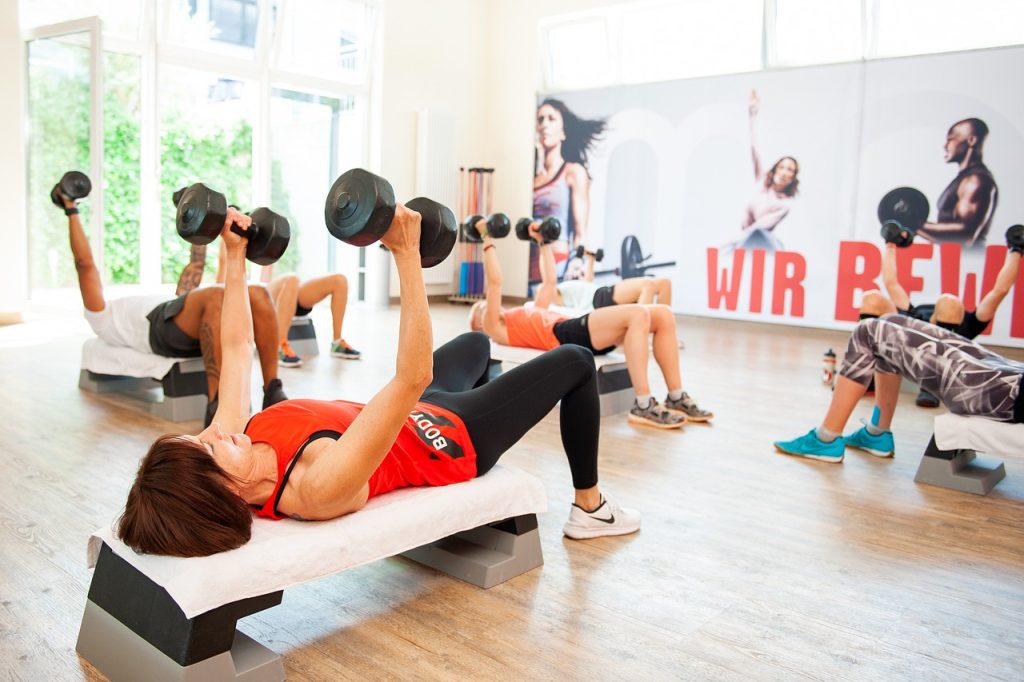
fitness, dumbbell, step, weight training, course, aerobics, bodypump, group, dumbbell, weight training, aerobics, aerobics, aerobics, aerobics, aerobics, bodypump

The Overload Principle: How Much is Enough?

At geriatricrehab.es, we recognize that “staying active” is not the same as “getting stronger.” While a daily walk is beneficial for the heart, reclaiming independence requires a specific clinical dosage of effort. To reverse muscle wasting and improve mobility, we must embrace the Overload Principle: the science of providing a challenge just beyond your current

The Overload Principle: How Much is Enough? Read Post »

HIRT: Why High-Intensity is Safe for Seniors

The common perception of aging often involves a transition toward “gentle” movements—brisk walks, water aerobics, or light stretching. While these activities have their place, they often lack the mechanical tension necessary to stop the biological clock of muscle loss. At geriatricrehab.es, we advocate for a paradigm shift. The aging body isn’t a fragile vessel that

HIRT: Why High-Intensity is Safe for Seniors Read Post »

Sarcopenia vs. Cachexia: Knowing the Difference

In the world of geriatric rehabilitation, “getting weaker” is often treated as a single symptom. However, beneath the surface of a senior’s fatigue, two very different biological processes may be at play. Distinguishing between Sarcopenia vs Cachexia is not just a matter of semantics; it is a life-saving clinical necessity. One is a product of

Sarcopenia vs. Cachexia: Knowing the Difference Read Post »

Scroll to Top