February 2026

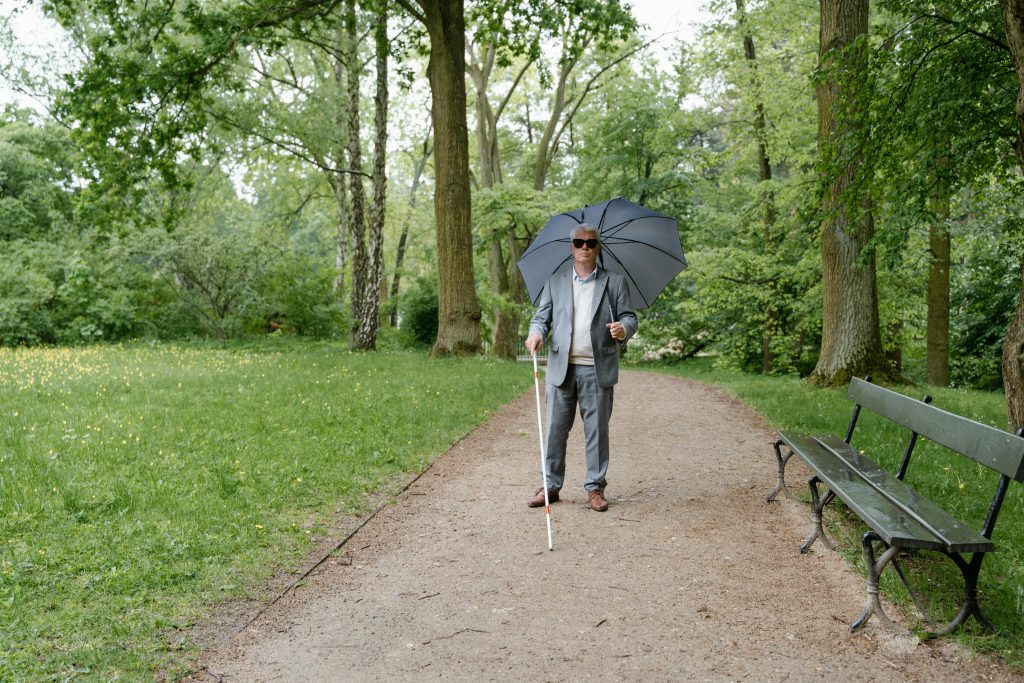
Elderly man with visual impairment walking with a cane and umbrella on a park pathway.

Gait Speed & Stereotypes: What the Science Says

In clinical circles, gait speed is often referred to as the “sixth vital sign.” It is a powerful predictor of hospitalization, cognitive decline, and overall mortality. However, the speed at which an older adult walks is not merely a product of muscle force and joint range of motion. Emerging research reveals that senior stereotypes, the

Gait Speed & Stereotypes: What the Science Says Read Post »
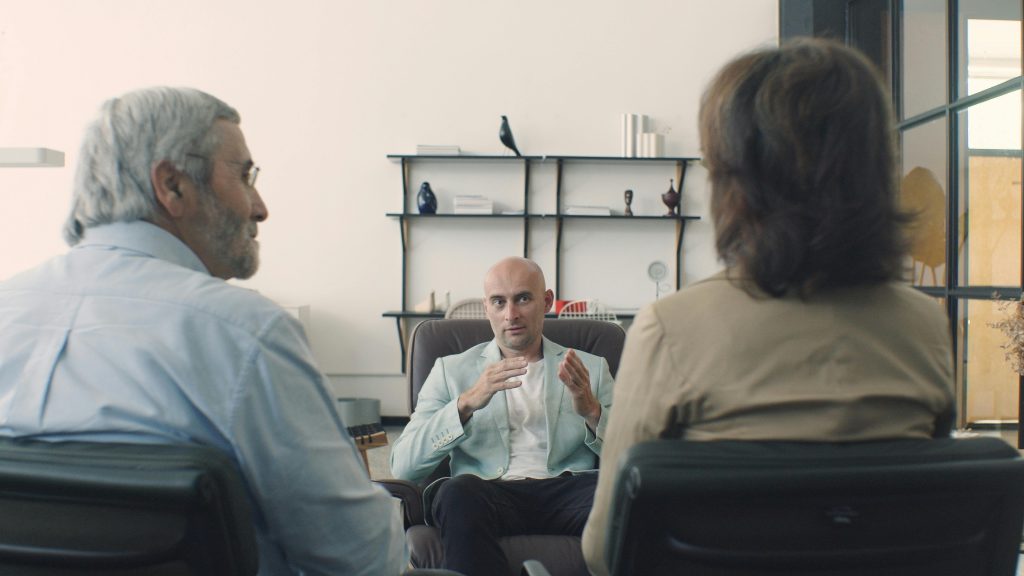
Therapist holding a session with an elderly couple discussing mental health in a professional office setting.

Informed Choices: Shared Decision Making

In the traditional medical model, the clinician often acted as the sole authority, prescribing treatments with the expectation of quiet compliance. However, modern geriatric rehabilitation has undergone a paradigm shift. To achieve optimal outcomes, we must embrace shared decision-making. This collaborative process ensures that the patient’s values and the caregiver’s insights are weighted as heavily

Informed Choices: Shared Decision Making Read Post »

Woman in a balancing yoga pose on a mat in a scenic outdoor park setting.

Seniors Have High Potential for Improvement

The prevailing cultural narrative often suggests that aging is a period of inevitable, irreversible decline. However, as an expert Geriatric Physical Therapist, I can state with clinical certainty that Senior Rehab Potential is far greater than most people and even some medical professionals realize. According to the foundational principles in Geriatric Physical Therapy (2020), the

Seniors Have High Potential for Improvement Read Post »

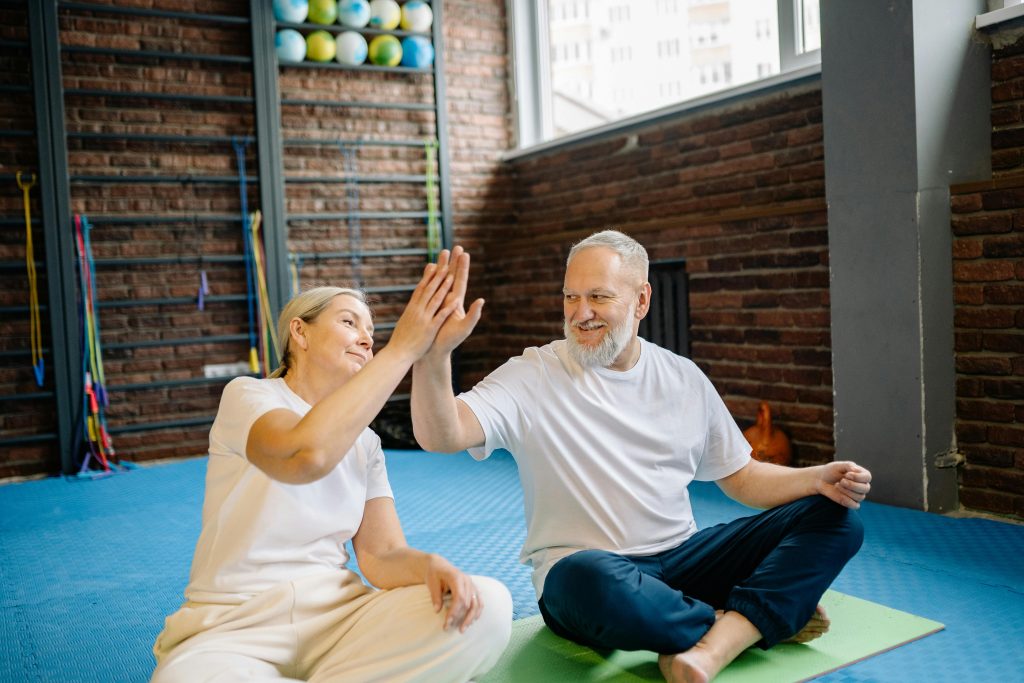
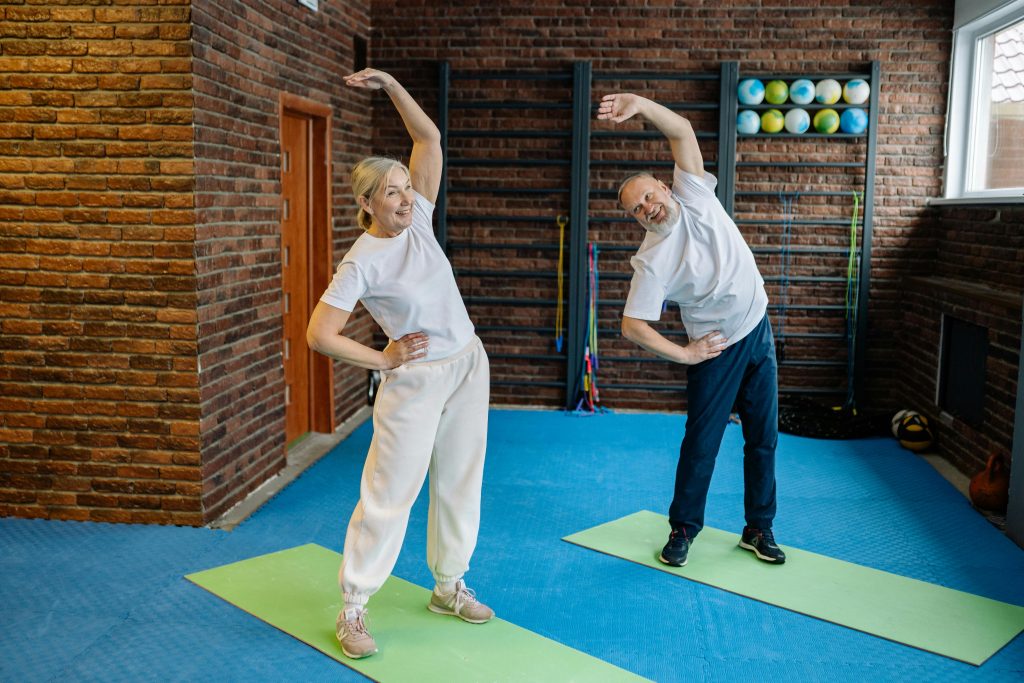
Energetic senior couple enjoying yoga, sharing a joyful high-five at the gym.

Recognizing Subconscious Bias in Senior Treatment

Ageism in clinical settings is rarely a product of malice; rather, it is often the result of “clinical quietism”, a subconscious assumption that decline is inevitable. When treating older adults, healthcare bias can lead providers to inadvertently offer less intensive interventions, especially when faced with patients who appear “difficult,” non-compliant, or clinically depressed. To provide

Recognizing Subconscious Bias in Senior Treatment Read Post »

A healthcare professional smiles while consulting with an elderly man in a cozy indoor setting.

Trusting the Science: What is a Systematic Review?

In the modern digital age, we are constantly bombarded by health headlines. One week, a “breakthrough” study suggests that a specific supplement prevents dementia; the next week, another study contradicts it. For seniors and their families, this inconsistency is more than just confusing it can be dangerous. When we are dealing with the delicate health

Trusting the Science: What is a Systematic Review? Read Post »

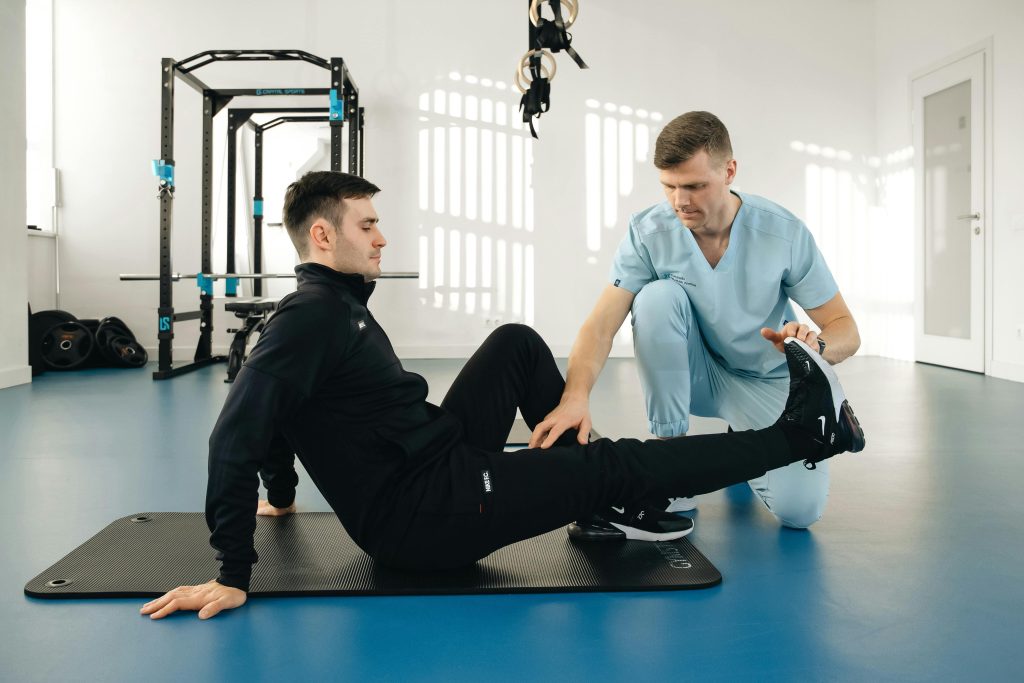
A physiotherapist assists a male patient during a rehabilitation session in a modern clinic.

The Importance of Mentorship in Geriatric PT

The landscape of physical therapy is rapidly evolving, particularly as the “Silver Tsunami” increases the demand for specialized care. For a new clinician, the transition from classroom theory to the bedside of a complex, multimorbid older adult can be daunting. This is where PT mentorship becomes the bridge between academic knowledge and clinical mastery. In

The Importance of Mentorship in Geriatric PT Read Post »

Two women engaged in a thoughtful counseling session in a cozy indoor setting.

The Art of Listening in Senior Care

In the high-pressure environment of medical rehabilitation, it is easy to lose sight of the person behind the pathology. However, true clinical mastery in geriatrics is rooted in Patient-Centered Care. This approach shifts the power dynamic from a “top-down” authoritative model to a collaborative partnership. By prioritizing Patient-Centered Care, we recognize that the senior is

The Art of Listening in Senior Care Read Post »

Medical professional writing patient notes on clipboard during consultation.

Objectivity in Rehab: Using Outcome Assessment Tools

In the high-stakes world of geriatric recovery, “looking better” is not a medical metric. To truly transform the lives of older adults, we must move away from subjective guesswork and toward the precise, data-driven evidence provided by Rehab Outcome Tools. These standardized assessments provide an objective “speedometer” for recovery, allowing therapists to identify hidden risks

Objectivity in Rehab: Using Outcome Assessment Tools Read Post »

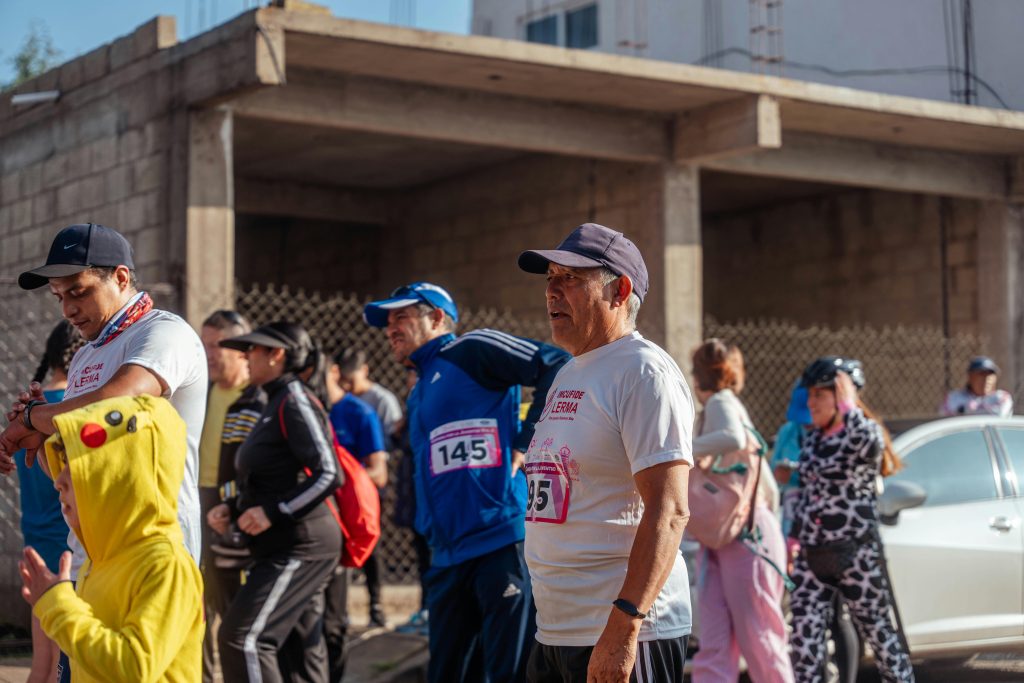
Participants engage in a vibrant marathon event, showcasing diverse attire and lively atmosphere.

The Silver Tsunami: Preparing for the Boomer Wave

We are currently witnessing a global phenomenon that sociologists and healthcare economists have termed the “Silver Tsunami.” Between now and 2030, every member of the Baby Boomer generation—those born between 1946 and 1964—is expected to be over 75 million people in the U.S. alone, will be age 65 or older. This shift in Aging Population

The Silver Tsunami: Preparing for the Boomer Wave Read Post »

Senior man tending a vegetable garden in an urban setting, using a watering can.

Understanding the ICF: A Common Language for Rehab

In geriatric recovery, we often get lost in medical jargon, focusing on a “broken” hip rather than the person. The ICF Framework transforms this by offering a holistic roadmap that connects clinical measurements to real-world living. It moves us beyond mere survival to focus on what truly matters: a senior’s ability to participate in their

Understanding the ICF: A Common Language for Rehab Read Post »

Senior woman practices yoga outdoors on a mountain at sunset, embracing wellness and serenity.

Usual Aging vs. Optimal Aging: What’s the Difference?

Many of us grew up believing that a steep decline in health is simply the price of admission for a long life. We assume that losing strength, balance, and independence is an unavoidable consequence of the passing years. This concept, known as Usual Aging, represents the average experience of decline in a sedentary society. However,

Usual Aging vs. Optimal Aging: What’s the Difference? Read Post »

The Slippery Slope of Aging: From Fun to Failure 

The Slippery Slope of Aging is a clinical framework used to visualize your physical reserve, the “savings account” of strength and energy that dictates your independence. This slope ranges from Fun, where your capacity far exceeds daily demands, to Failure, where the body can no longer sustain basic activities. Unlike a one-way slide, this journey

The Slippery Slope of Aging: From Fun to Failure  Read Post »

A senior couple enjoys cooking burgers in their modern kitchen, celebrating with joy.

Why Your Goals Matter in Rehabilitation

Successful recovery in older adults isn’t just about clinical metrics; it’s about what makes life worth living. Patient-centered rehab shifts the focus from “fixing a body part” to “empowering a person.” By aligning therapy with your personal passions—like gardening or playing with grandchildren—we transform exercise into a meaningful pursuit of independence. 1. The Shift to

Why Your Goals Matter in Rehabilitation Read Post »

What is Geriatric Physical Therapy?

When most people think of physical therapy, they envision an athlete recovering from an ACL tear or a worker rehabilitating a strained back. However, geriatric physical therapy is a highly specialized branch of rehabilitation focused specifically on the unique physiological, psychological, and social needs of the older adult. It is not simply “standard therapy done

What is Geriatric Physical Therapy? Read Post »

Senior couple enjoying yoga practice outdoors, promoting a healthy and active lifestyle.

Redefining the Golden Years: A Manifesto for Geriatric Rehabilitation without Drugs

Welcome to Geriatric Rehab Spain. This platform is designed to serve as a comprehensive, free resource for seniors and their caregivers living in Spain. Our goal is simple yet transformative: to move beyond the “pill for every ill” mentality and focus on medicine-less treatments that restore function, balance, and independence. In a world where aging

Redefining the Golden Years: A Manifesto for Geriatric Rehabilitation without Drugs Read Post »

Scroll to Top