
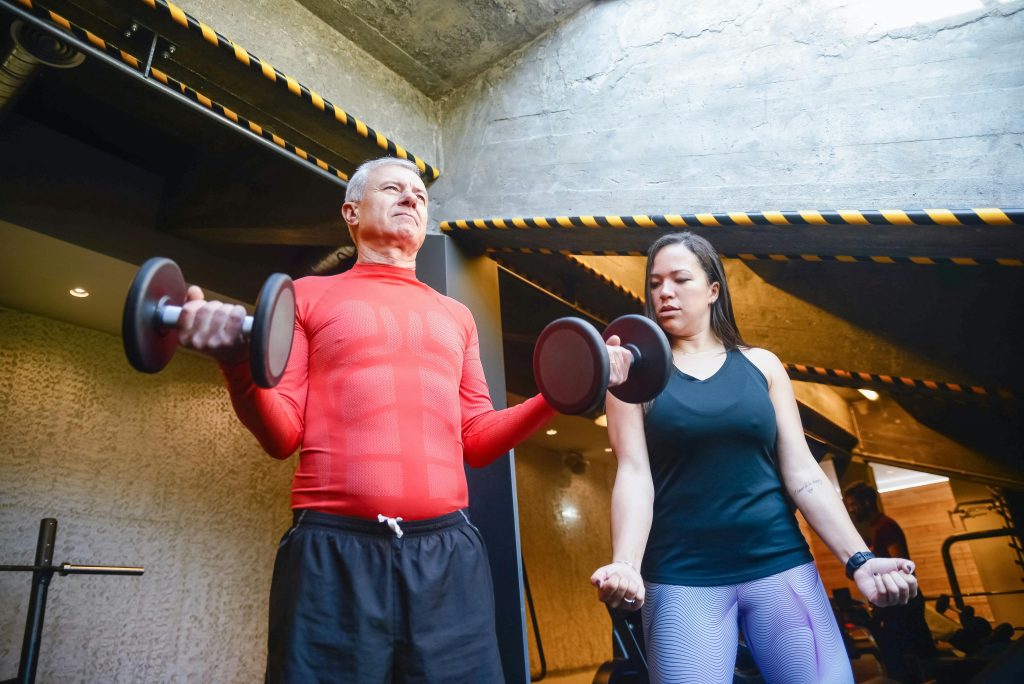
In the complex landscape of aging, the difference between a beginner and a master clinician lies in the depth of their clinical reasoning. Expert PT practice is not simply a collection of years on the job; it is a profound shift from a “maintenance” mindset to a “restorative” one. This level of care requires the therapist to act as a clinical detective, a physiological architect, and a system navigator. By understanding the hallmarks of Expert PT practice, seniors and their families can identify the high-energy, evidence-based care required to build resilience and successfully navigate the “Slippery Slope of Aging.”
1. The Evolution of Clinical Mastery
The transition from a novice therapist to one who embodies Expert PT practice is not merely a matter of time spent in the clinic; it is a fundamental shift in clinical philosophy. In the early stages of a career, a physical therapist often relies on “rules” or standard protocols. However, in the high-stakes environment of geriatric care, where patients present with multiple comorbidities and complex social backgrounds, a “one-size-fits-all” approach is often insufficient. Expertise is defined by the ability to navigate ambiguity and move from a mindset of “fixing an injury” to one of “optimizing a human life.”
As noted in Geriatric Physical Therapy (2020), an expert clinician demonstrates a high level of “clinical fluency” the ability to synthesize vast amounts of medical data into a streamlined, restorative plan. This level of Expert PT practice is characterized by high energy and a relentless focus on restorative potential. We do not accept the “usual aging” decline as an inevitability. Instead, the expert focuses on “Optimal Aging,” ensuring that older adults are not merely maintained in their current state, but are actively coached into a more resilient version of themselves.
2. The Biopsychosocial Model in Expert PT Practice
True Expert PT practice recognizes that a senior is never just their medical diagnosis. While a novice may focus exclusively on the mechanics of a hip fracture, the expert utilizes the biopsychosocial model to understand the person within the body. This model suggests that a patient’s recovery is an interplay between biological integrity (bones and muscles), psychological resilience (confidence and mood), and social support (living situation and community).
By viewing the senior through this lens, the expert can identify “hidden” barriers to movement. For instance, a patient may have the physical strength to walk, but a deep “fear of falling” (psychological) or a home with poorly placed rugs (social/environmental) might be the true reason they remain sedentary. Experts are trained to address these non-physical factors simultaneously with physical training, ensuring that the recovery is durable and translates to real-world safety.
3. Why It Matters: Protecting the Physiological Reserve
The ultimate benchmark of Expert PT practice is the protection and restoration of the Physiological Reserve. This represents the biological “cushion” our organ systems have to handle stress. As we move down the “Slippery Slope of Aging,” this reserve thins. A novice might prescribe gentle, low-intensity exercises out of fear of causing injury, but an expert knows that under-loading a senior is often more dangerous than over-loading them.
Clinical evidence suggests that for an older adult to move from “Frailty” back to “Resilience,” they must be challenged with a “just-right” level of intensity that triggers physiological change. This is known as the “dosage” of exercise. The expert uses their specialty knowledge to calculate exactly how much stress the patient’s system can handle to build back that reserve. By building this biological buffer, the therapist ensures that if the senior faces a future stressor such as a bout of the flu they have enough “savings” in their physical bank account to recover without losing their independence.
Caregiver Corner: Take-Home Tips
- Audit the “Energy”: Does your therapist seem to have a recovery plan, or are they just repeating the same five exercises? An expert should be constantly adjusting the program based on progress.
- The “Why” Test: Ask your therapist, “How does this specific movement help my loved one return to [specific hobby or task]?” An expert will link the exercise to a “Participation” goal, not just a muscle group.
- Safety vs. Intensity: Don’t be alarmed if the therapist pushes your loved one to breathe a little harder or use weights. As long as they are monitoring vitals (heart rate/blood pressure), this “intensity” is exactly what is needed to build the Physiological Reserve.
4. Advanced Clinical Reasoning within Expert PT Practice
In Expert PT practice, the therapist operates as a clinical detective. While a novice may follow a linear plan of care, the expert engaged in “Hypothesis Generation” is constantly testing and re-testing their assumptions. During a single walking trial, an expert is observing gait speed, postural sway, and cognitive load simultaneously. If a patient stumbles, the expert doesn’t simply provide more physical assistance; they analyze the why. Is it a motor control issue, a vestibular (inner ear) deficit, or perhaps an Adverse Drug Reaction (ADR) causing temporary dizziness?
This high-level reasoning allows the expert to pivot instantly. This efficiency is critical in geriatric care, where “time is function.” By accurately identifying the primary driver of a movement dysfunction, the expert avoids wasting weeks on ineffective “general” exercise. They focus on the specific impairment that, once corrected, will have the greatest impact on the senior’s safety. This proactive approach ensures that the senior stays ahead of the “Slippery Slope,” preventing a minor stumble from cascading into a life-altering fall.
5. The Professional Perspective: The ICF Framework Coordinator
For health professionals, the mark of expertise is the seamless integration of the ICF Framework (International Classification of Functioning, Disability and Health). This model serves as the professional roadmap, moving the focus from the medical diagnosis to the human experience of health.
In Expert PT practice, the therapist acts as a coordinator across these domains. A novice might celebrate an increase in “Body Function” (e.g., knee range of motion). The expert, however, is not satisfied until that physical gain translates into “Participation” the senior’s ability to return to their bridge club, garden, or church. The expert uses the ICF lens to identify environmental “barriers,” such as a lack of handrails, and “facilitators,” such as appropriate assistive devices, ensuring that the senior can engage with their world regardless of their physical limitations.
6. The Science of Sarcopenia: PT as a Physiological Architect
Expertise in geriatrics requires a deep dive into the pathophysiology of sarcopenia the age-related loss of muscle mass, strength, and power. Geriatric Physical Therapy (2020) emphasizes that sarcopenia is not an inevitable consequence of aging, but a modifiable condition. The expert PT acts as a physiological architect, using “mechanical loading” and progressive resistance training to stimulate muscle protein synthesis in patients even into their 90s.
A novice may be hesitant to use resistance for fear of “frailty.” In contrast, Expert PT practice involves using objective measures (like the 1-Repetition Maximum) to ensure the load is heavy enough to be “Exercise as Medicine.” By prescribing high-intensity training, the expert targets Type II muscle fibers the “fast-twitch” fibers responsible for catching oneself during a trip. This specific architectural approach to muscle building is what transforms a frail senior into a resilient one.
Caregiver Corner: Identifying Expertise in Action
- The “Detective” Check: If your therapist stops to check blood pressure or asks about new medications mid-session, they are performing advanced clinical reasoning. This keeps your loved one safe.
- Look for Progressions: An expert should never let a program become “stale.” Every two weeks, the exercises should get slightly harder, heavier, or more complex.
- Equipment Matters: If the therapist is only using light yellow or red bands for months, they may not be addressing sarcopenia effectively. Don’t be afraid of the “heavy” stuff under professional supervision!
7. Pharmacovigilance: Identifying ADRs in Motion
A hallmark of Expert PT practice is the recognition that movement is the ultimate test of a senior’s systemic health. Because physical therapists spend significant, continuous time observing a senior in motion, they are often the first members of the medical team to spot Adverse Drug Reactions (ADRs). While a novice might mistake sudden lethargy or a tremor as “just a bad day” or “signs of aging,” an expert views these as critical clinical data.
Polypharmacy the use of multiple medications is a leading cause of hospitalizations in seniors. Expert therapists monitor for drug-induced orthostatic hypotension (a drop in blood pressure upon standing) or “extrapyramidal” symptoms that mimic Parkinson’s disease. By documenting how a senior’s balance and cognition shift specifically after a new prescription is introduced, the expert PT acts as a partner in pharmacovigilance. They provide the objective data needed for the physician to adjust the medication regimen, ensuring that the pharmacological “cures” are not actually sabotaging the senior’s mobility.
8. Cognitive Integration and Neuroplasticity in Expert PT Practice
Expertise in geriatrics requires moving beyond the “muscles and bones” approach to include the brain. Expert PT practice leverages the principles of neuroplasticity the brain’s lifelong ability to rewire itself. Research cited in Geriatric Physical Therapy (2020) confirms that exercise increases Brain-Derived Neurotrophic Factor (BDNF), essentially acting as “Miracle-Gro” for the brain.
To harness this, an expert utilizes “Dual-Task Training.” This involves asking the senior to perform a physical task, like walking, while simultaneously performing a cognitive task, like naming animals or counting backward. This is a critical skill for real-world safety; most falls happen when a senior is distracted by a conversation or a sudden noise. By integrating cognitive challenges into the physical program, the expert therapist builds “Cognitive Reserve,” ensuring the senior can maintain their balance even in busy, distracting environments.
9. The Caregiver Corner: Coaching the Support System
In the realm of Expert PT practice, the therapist understands that the hour in the clinic is only a small fraction of the senior’s life. Therefore, the expert spends considerable energy coaching the caregiver. A novice might just tell a caregiver to “help them walk,” but an expert trains the caregiver to be a “facilitator.”
This means teaching the caregiver how to provide the “Just Right Challenge” at home. If a caregiver does everything for the senior, they inadvertently encourage “learned helplessness,” which accelerates the slide down the Slippery Slope of Aging. The expert provides specific training on energy conservation for caregivers, safe transfer techniques (like “nose over toes” standing), and environmental modifications. This educational partnership ensures that the home environment is a 24/7 rehabilitation center, maximizing the senior’s opportunities for independence.
Caregiver Corner: The “Facilitator” Strategy
- The 10-Second Rule: Before jumping in to help your loved one with a task (like putting on shoes or standing up), wait 10 seconds. Give their brain and body a chance to try it first. This maintains their neural pathways.
- Body Mechanics for You: Never lift a senior’s dead weight. If they are too heavy for you to assist with two fingers, ask the PT for a “mechanical facilitator” like a gait belt or a sit-to-stand lift to protect your own back.
- Monitor the “Meds”: Keep a simple log of when new medications start. If you notice your loved one seems “drunk,” dizzy, or suddenly confused during their home exercises, report it to the PT immediately.
10. Conclusion: The Path to Resilience
The journey from a novice to an expert in geriatrics is a relentless pursuit of clinical excellence. It is a commitment to seeing the older adult not as a patient in decline, but as a person with untapped potential for restoration. Through Expert PT practice, we move beyond the superficial symptoms to address the deep-seated physiological and psychological barriers to health. By mastering the ICF Framework, battling sarcopenia with “Exercise as Medicine,” and maintaining vigilance against ADRs, the expert therapist builds a fortress of resilience around the senior.
Ultimately, choosing a specialized expert is an investment in autonomy. It is the choice to step off the “usual” aging path and onto a trajectory of “Optimal Aging.” When caregivers, seniors, and therapists work together under the guidance of evidence-based principles like those in Geriatric Physical Therapy (2020) the result is a life defined by participation, movement, and dignity. The goal is simple yet profound: to ensure that the final chapters of life are as vibrant and mobile as those that came before.
Summary Checklist: Seeking Expert PT Practice
- The Clinical Detective: Does your therapist investigate the root cause of movement issues rather than just treating the pain?
- The Physiological Architect: Is there a clear plan to build muscle and increase your Physiological Reserve?
- The System Coordinator: Does the therapist look at the whole picture—medications, home environment, and personal goals?
- The Educational Partner: Has the therapist trained you (the caregiver) on how to safely facilitate independence at home?
Professional Perspective: From a clinical standpoint, the hallmark of expertise is the ability to shift a senior’s trajectory from frailty to resilience. By applying the ICF Framework and high-intensity restorative training, we fulfill our moral and professional obligation to provide the highest standard of care. We don’t just add years to life; we add life to years.Ready to move from maintenance to mastery? Reclaim your independence by consulting with a specialized expert. Explore our clinician directory and evidence-based recovery guides at geriatricrehab.es.













