
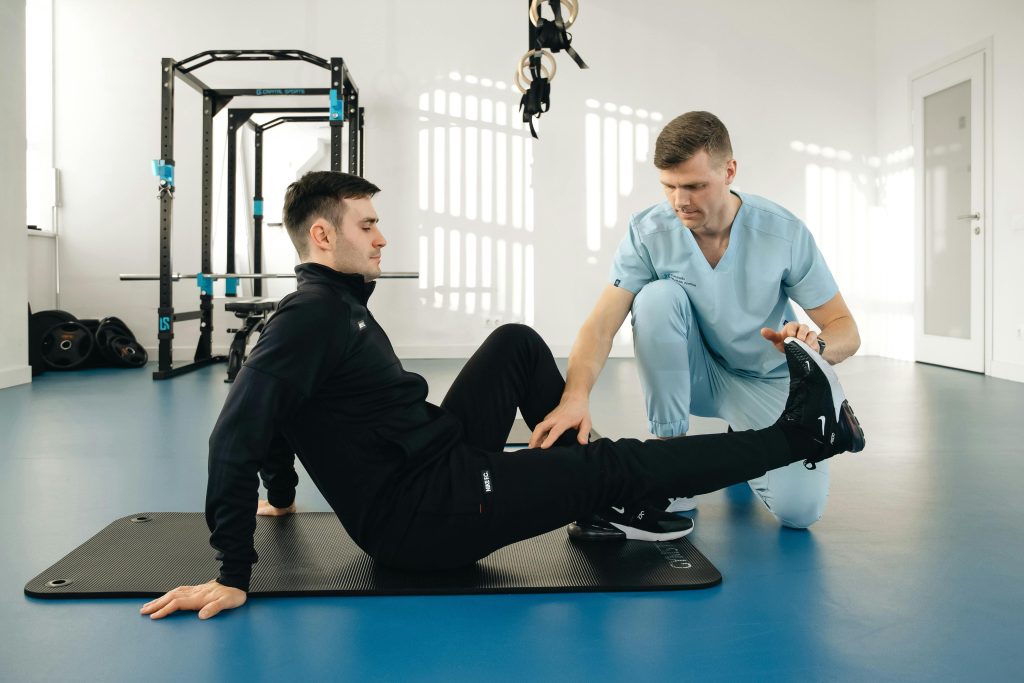
The landscape of physical therapy is rapidly evolving, particularly as the “Silver Tsunami” increases the demand for specialized care. For a new clinician, the transition from classroom theory to the bedside of a complex, multimorbid older adult can be daunting. This is where PT mentorship becomes the bridge between academic knowledge and clinical mastery. In geriatric rehabilitation, mentorship is not merely a professional courtesy.
1. PT Mentorship in the Evolving Landscape of Geriatric Care
The demographic shift often referred to as the “Silver Tsunami” is no longer a future projection; it is our current clinical reality. As life expectancy increases, the complexity of the patients entering our clinics and skilled nursing facilities has intensified. We are no longer simply treating a “hip fracture”; we are treating a hip fracture in a patient with type 2 diabetes, early-stage Alzheimer’s, and a history of heart failure. For the transitioning clinician, this intersection of pathologies requires more than just a textbook it requires PT mentorship.
Mentorship in the geriatric setting serves as a vital safeguard. While doctoral programs provide the theoretical scaffolding, the “art” of geriatric care knowing when to push a patient and when to pivot based on subtle physiological cues is a skill best honed through the guidance of a seasoned peer. This collaborative relationship ensures that the biopsychosocial needs of the senior are met, moving beyond the physical impairment to address the person as a whole.
2. Physiological Reserve and the Vicious Cycle of Frailty
A cornerstone of Geriatric Physical Therapy (2020) is the concept of homeostenosis: the characteristic narrowing of the body’s physiological reserve that occurs with age. In a young adult, an acute stressor (like a minor infection) is met with a robust compensatory response. In an older adult, that same stressor can consume the entirety of their remaining reserve, leading to a precipitous functional decline.
This is where PT mentorship becomes clinically transformative. A mentor helps the novice therapist recognize the “vicious cycle of frailty.” This cycle characterized by sarcopenia, slowed gait speed, and low physical activity creates a feedback loop that increases the risk of falls and hospitalization. By understanding the biological threshold of their patient, a therapist can prescribe an “optimal dosage” of exercise that stimulates adaptation without causing exhaustion or injury.
Tips for Caregivers: Recognizing the “Dip”
- Monitor “Recovery Time”: If your loved one takes significantly longer to recover from a daily walk than they did two weeks ago, their physiological reserve may be dipping.
- The “Vitals” of Activity: Watch for increased shortness of breath during simple tasks like dressing. This often precedes a formal medical decline.
3. Mastering Differential Diagnosis through PT Mentorship
In geriatric rehabilitation, the primary complaint is often a “decoy.” A patient may present with lower back pain, but a seasoned mentor will guide the mentee to look deeper. Is it musculoskeletal, or is it a referred pain from a renal issue? Is the patient’s new-onset confusion a symptom of dementia, or is it an acute “delirium” triggered by a silent urinary tract infection (UTI)?
Through structured PT mentorship, clinicians learn to navigate these “red flags.” Clinical reasoning in geriatrics involves a constant process of elimination. Mentors teach the importance of screening for heart disease and cancer even when the referral says “shoulder impingement.” Because older adults often present atypically for example, experiencing a myocardial infarction without chest pain (silent MI) the mentor’s experience in recognizing non-traditional symptoms is a life-saving asset.
Clinical Takeaways for Practitioners
- Atypical Presentation: Always assume a sudden change in mental status or functional ability is medical (acute) until proven otherwise.
- The “Three Ds”: Use your mentor to help differentiate between depression, Dementia, and delirium, as the intervention for each varies drastically.
4. The Polypharmacy Puzzle: Navigating Chemical Complexity
In the geriatric population, medication management is a physical therapy concern. Polypharmacy typically defined as the use of five or more medications significantly alters a patient’s response to physical stimuli. For the newer therapist, PT mentorship is the primary defense against exercise-induced adverse events. A mentor provides the clinical context to understand how medications for hypertension, such as beta-blockers, can “blunt” a patient’s heart rate, making traditional cardiovascular monitoring unreliable.
Mentors guide clinicians in using the Borg Rating of Perceived Exertion (RPE) instead of relying solely on pulse oximetry or heart rate monitors. Furthermore, through PT mentorship, a therapist learns to identify “prescribing cascades,” where a medication is prescribed to treat the side effect of another medication, leading to increased dizziness and postural instability.
Tips for Caregivers: Medication Safety
- The “Dizzy” Check: Always note if your loved one feels dizzy specifically 30–60 minutes after taking blood pressure medication. This is a prime time for fall risks.
- Keep a “Brown Bag” List: Ensure every therapist sees a full list of supplements and over-the-counter meds, as these can interfere with prescription drugs.
5. Cognitive Impairment and Communication Strategies
One of the most complex areas of geriatric rehab is treating patients with “The Three Ds”: Delirium, Dementia, and Depression. A mentee might struggle with a patient who refuses to participate or “sundowns” during afternoon sessions. PT mentorship introduces specialized communication techniques like “validation therapy” and “spaced retrieval.”
Instead of correcting a patient with dementia which can increase agitation a mentor teaches the therapist to enter the patient’s reality to accomplish functional goals. We utilize motor learning principles specifically adapted for cognitive decline, such as “errorless learning,” where we set up the environment so the patient cannot perform a task incorrectly, thereby bypassing the need for complex verbal processing.
Take-Home Tip: The “One-Command” Rule
- Simplify Instructions: When helping a loved one with a task at home, use only one-step commands (e.g., “Stand up” instead of “Grab your walker and then stand up”). Wait at least 10 seconds for them to process.
6. Advanced Clinical Reasoning in Fall Risk Assessment
Falls are not an inevitable part of aging; they are a symptom of underlying dysfunction. While a new PT might rely on a single tool like the Timed Up and Go (TUG) test, PT mentorship pushes the clinician to perform a multifactorial assessment. This involves looking at environmental hazards, vision changes, footwear, and “dual-tasking” ability the ability to walk while talking or carrying an object.
A mentor’s experience is crucial when determining the “orthotic trade-off.” For example, a walker might provide stability but, if used incorrectly, can cause a forward-leaning posture that actually increases the risk of a trip. Through PT mentorship, therapists learn to distinguish between a patient who needs strength training and one who needs sensory integration and vestibular rehab.
Clinical Takeaways for Practitioners
- Dual-Task Testing: Always test your patient’s gait while asking them to perform a simple mental task (like counting backward). A significant drop in speed is a high predictor of future falls.
- Environmental Audit: A mentor can help you teach caregivers to spot “invisible” hazards, like transitions between carpet and tile or low-profile coffee tables.
7. The Ethical Maze: Palliative Care and Quality of Life
As clinicians, we are trained to “fix” and “improve,” but in geriatric rehabilitation, success is often measured by the preservation of dignity rather than the restoration of peak function. This shift can be jarring for new graduates. PT mentorship provides the ethical framework necessary to navigate palliative care and end-of-life transitions. Mentors help clinicians understand the difference between rehabilitative therapy (aiming for gain) and maintenance therapy (aiming to prevent decline), both of which are skilled and reimbursable under current CMS guidelines.
Through PT mentorship, therapists learn to have difficult but essential conversations with families regarding the “natural history” of chronic conditions like Parkinson’s or advanced heart failure. The mentor models how to prioritize comfort and autonomy, ensuring the PT’s plan of care aligns with the patient’s “Advanced Directives.”
Tips for Caregivers: Defining “Success”
- Focus on Joy-Based Movement: If a traditional exercise program causes distress in a palliative stage, work with the PT to find “functional play,” such as reaching for a grandchild’s hand or sitting up to enjoy a meal.
- The Goal is comfort: Success might simply mean a transfer that doesn’t cause pain or skin breakdown.
8. Integrated Care: The PT as a Member of the Interdisciplinary Team
Geriatric care is a team sport. No physical therapist operates in a vacuum, and PT mentorship is essential for learning how to navigate the complex interdisciplinary landscape of hospitals and Skilled Nursing Facilities (SNFs). A mentor teaches the “language of advocacy” how to communicate functional findings to a busy physician or how to coordinate with an Occupational Therapist (OT) to ensure a patient isn’t being over-fatigued by back-to-back sessions.
This section of PT mentorship focuses on the “Hand-Off.” Effective communication between the PT and the Speech-Language Pathologist (SLP) is crucial, especially when a patient’s dehydration (monitored by the SLP) is the direct cause of the dizziness the PT is seeing during gait training.
Clinical Takeaways for Practitioners
- The “Huddle” Strategy: Use your mentor to practice concise, data-driven “elevator pitches” for doctors. Focus on how physical status impacts medical stability (e.g., “The patient’s gait speed has dropped, which correlates with their increased cardiac load”).
- Social Work Synergy: Learn from mentors how to flag social determinants of health like food insecurity or lack of home support that will derail even the best PT plan.
9. Cultivating Emotional Resilience and Preventing Burnout
The emotional labor of working with the elderly is significant. Clinicians often form deep bonds with patients who eventually pass away or move into hospice. Without a structured PT mentorship program, the risk of “compassion fatigue” is high. A mentor serves as a “clinical shock absorber,” providing a safe space to process the grief and moral injury that can occur in high-productivity environments.
Mentors help new therapists find professional longevity by shifting the focus from “what was lost” to “what remains.” They provide strategies for boundary setting—ensuring the therapist remains an empathetic provider without absorbing the patient’s trauma. This psychological support is just as critical as technical training for maintaining a healthy workforce in geriatric rehab.
Tips for Caregivers: Protecting the Protector
- Open Communication: If you notice your therapist or home health aide seems “checked out,” they may be experiencing burnout. A kind word or a brief update on a small success can refuel their sense of purpose.
- Shared Resilience: Remember that you and the therapist are on the same team. Sharing the emotional load can make the caregiving journey more sustainable for everyone involved.
10. Conclusion: Building a Legacy of Excellence through PT Mentorship
The complexity of the aging body is not something that can be mastered in a vacuum. As we have explored, the intersection of homeostenosis, polypharmacy, and cognitive decline requires a level of clinical nuance that only experience can provide. PT mentorship is the vital link that transforms a competent clinician into an expert one, ensuring that our seniors receive care that is not only evidence-based but also deeply personalized.
For the new practitioner, seeking out a mentor is the first step toward a fulfilling, sustainable career. For the seasoned veteran, offering mentorship is a professional obligation to safeguard the future of geriatric rehabilitation. When we prioritize PT mentorship, we do more than just improve gait speeds or reduce fall risks; we uphold the dignity of the aging population and ensure that the “Silver Tsunami” is met with a wave of highly skilled, resilient, and compassionate healers.
The Clinical Success Checklist (Bulleted List)
For the practitioner looking to refine their approach, these four pillars of PT mentorship serve as the blueprint for optimal aging outcomes:
Clinical Reasoning for Multimorbidity
- Goal: Move beyond standard musculoskeletal protocols to manage the interaction of multiple chronic conditions.
- Outcome: A measurable reduction in adverse clinical events and medical complications.
Pharmacological Integration
- Goal: Develop a sophisticated understanding of how medications influence exercise tolerance and vitals.
- Outcome: Precise exercise “dosing” and a more predictable physiological response to therapy.
Advanced Neurological Communication
- Goal: Master specialized strategies like validation therapy and errorless learning for cognitively impaired seniors.
- Outcome: Improved functional carryover and enhanced quality of life for patients with dementia.
Professional Resilience & Self-Care
- Goal: Establish a routine for debriefing the emotional labor and ethical dilemmas of geriatric care.
- Outcome: Effective prevention of compassion fatigue and long-term career sustainability.
Ready to Elevate Your Practice?
The “Silver Tsunami” requires a workforce that is not only skilled but also supported by the wisdom of experience. Whether you are a new graduate seeking guidance or a veteran therapist looking to formalize your teaching, PT mentorship is the key to unlocking better patient outcomes.Explore our library of evidence-based clinical tools, or contact us today to find a geriatric specialist at geriatricrehab.es who can help you or your loved one achieve optimal aging.













