
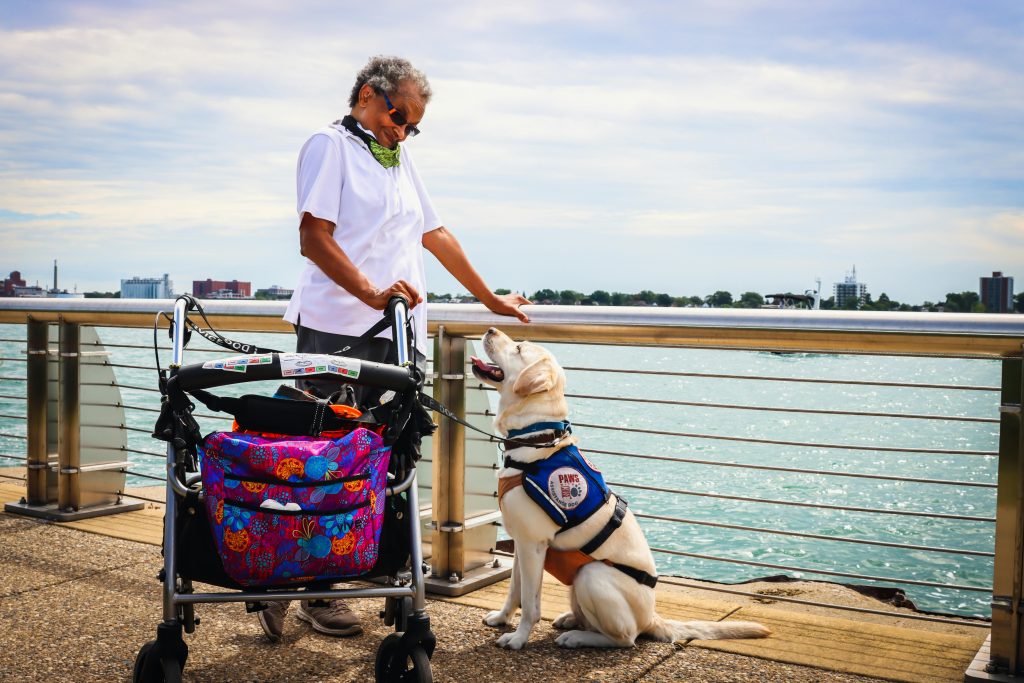
In the discipline of geriatric rehabilitation, we often view the human body as a sophisticated vessel navigating the world. When that vessel begins to tilt, or the horizon begins to spin, the culprit is often found deep within the temporal bone. According to Geriatric Physical Therapy (2020), the vestibular system acts as the body’s internal gyroscope, but as we descend the Slippery Slope of Aging, this gyroscope can lose its calibration. This is where Vestibular Rehabilitation becomes a critical intervention. By utilizing targeted exercises to refill the Physiological Reserve, we can move a senior from a state of dizzying fear to a state of stable Vigor, ensuring they have the Safety Buffer necessary for a full, independent life.
1. The Internal Gyroscope
In the clinical framework of Geriatric Physical Therapy (2020), we visualize aging not as a sudden drop, but as a journey along the Slippery Slope of Aging. At the top of that slope, your vestibular system is a silent, high-performance engine. It keeps your vision clear while you walk and tells your brain exactly where “up” is, even in total darkness. As we slide down the slope, that engine can begin to sputter, leading to dizziness, vertigo, and a shrinking Physiological Reserve.
For many seniors, balance is a “scary” topic because it feels out of their control. However, Vestibular Rehabilitation is about taking that control back. Rehab isn’t just about “not falling”; it’s about creating a Safety Buffer. This buffer is the “fuel” that provides the Vigor and confidence to walk in the garden or the supermarket again. By recalibrating your internal gyroscope, we help you transition from a world that feels like a boat in a storm to one that is grounded and stable.
2. Anatomy of the Balance Center: The 3 Semicircular Canals
From a Professional Perspective, the vestibular system consists of three semicircular canals (SCCs) and two otolith organs (the utricle and saccule) located deep within the inner ear. These canals are filled with fluid (endolymph) and lined with microscopic hair cells that detect the movement of that fluid as your head turns.
As we age, the number of these hair cells decreases, and the “crystals” (otoconia) in the otolith organs can become dislodged. When these crystals float into the semicircular canals, a condition known as Benign Paroxysmal Positional Vertigo (BPPV), they send false signals to the brain that the world is spinning. This conflict drains the Physiological Reserve as the brain must work overtime to resolve the mismatch between what the ears “feel” and what the eyes “see.”
Take-Home Tip for Caregivers: If your loved one experiences a “room-spinning” sensation, specifically when rolling over in bed, looking up at a high shelf, or bending down to tie their shoes, it is often a mechanical crystal issue rather than a permanent disease. These episodes are brief but intense. Recognizing this trigger is the first step in the Environmental Audit to ensure they have a place to sit immediately when these transitions occur.
3. What is Vestibular Rehabilitation?
Vestibular Rehabilitation is an exercise-based program designed to promote central nervous system compensation for inner ear deficits. To satisfy the SAID Principle (Specific Adaptation to Imposed Demands), we don’t avoid the dizziness; we carefully “dose” it to force the brain to adapt.
The program rests on three pillars:
- Adaptation: Training the eyes to stay still while the head moves (Gaze Stabilization).
- Habituation: Repeating the specific movements that cause dizziness until the brain learns to ignore the false signal.
- Substitution: Teaching the brain to rely more on the feet (somatosensory) and the eyes (visual) when the ear is permanently damaged.
Clinical evidence suggests that seniors who engage in these protocols show significant improvements in gait speed and a reduction in the “Fear-Dizziness Cycle.” By improving these systems, we move the senior from a “High Risk” state back into the “Vigor” zone, expanding their Safety Buffer so they can return to the community activities they love.
4. Functional Training: The Vestibular Functional Audit
In the discipline of geriatric rehabilitation, we move beyond the “gym” mindset by performing a Vestibular Functional Audit. This process identifies the specific “land struggles” where a senior’s internal gyroscope fails them in daily life. For the senior, Vigor is the ability to turn your head to check for traffic or scan a grocery store shelf without the world tilting. Below, we map these struggles to the corrective “dose” required to climb back up the Slippery Slope.
- The “Supermarket Sway” (Visual-Vestibular Conflict): Walking down aisles with high visual “busy-ness” can overwhelm a weakened inner ear. The corrective dose involves Gaze Stabilization (VOR x1) Drills. The senior focuses on a stationary target while moving their head; this strengthens the reflex that keeps vision clear during movement.
- The “Dizzy Pivot” (Change of Direction): Turning around to close a door often triggers instability. The corrective dose is the Cawthorne-Cooksey Protocol, which involves progressive head and eye movements while sitting, then standing, and eventually walking.
- The “Midnight Walk” (Low-Light Navigation): When the lights are low, the brain can’t use the eyes to “correct” a dizzy ear. The corrective dose involves Sensory Weighting Drills, practicing balance on a firm surface with eyes closed to force the brain to trust the signals coming from the feet.
5. Professional Deep-Dive: Sensory Organization Testing (SOT)
For the Allied Health Professional, the gold standard for diagnosing vestibular dysfunction is Sensory Organization Testing (SOT). While the eyes and the feet provide balance data, the vestibular system acts as the “tie-breaker” when that data is conflicting or absent.
Conditions 5 and 6 of the SOT are the “vestibular isolated” conditions. In Condition 5, the patient stands on a sway-referenced (tilting) platform with their eyes closed. In Condition 6, they are on a tilting platform while the visual surround also tilts. In these scenarios, the eyes and feet are “lying” to the brain. If the patient falls, it confirms that their vestibular Physiological Reserve is depleted.
Clinical Pearl: To satisfy the SAID Principle, we must train the brain to “re-weight” its inputs. For a vestibular-deficient patient, we perform balance tasks on foam (challenging the feet) while simultaneously introducing “visual conflict” (like moving stripes). This forces the inner ear to work harder, creating a more resilient Safety Buffer.
6. Balance Strategies: Prevailing through Vestibular Rehabilitation
When a senior feels a “tilt” or a dizzy spell, the nervous system must rapidly employ Balance Strategies to prevent a fall. The goal of Vestibular Rehabilitation is to ensure these strategies fire automatically and accurately.
- The Ankle Strategy: For small sways, the muscles around the ankle fire to pull the body back to center. This is the first line of defense, but it often fails if the senior is “stiff” from fear.
- The Hip Strategy: If the vestibular “glitch” is larger, the ankles aren’t enough. The brain switches to the hips, thrusting them to move the center of mass. This is common when a senior is surprised by a dizzy spell.
- The Stepping Strategy: When the momentum of the “spin” exceeds the Safety Buffer, the body must take a corrective step.
In rehab, we use “perturbation training,” gentle, controlled nudges, to retrain the nervous system to choose the right strategy. By mastering these transitions, the senior regains the Vigor to move without the constant fear of a sudden “tilt” leading to a tumble.
7. Assistive Devices: A Buyer’s Guide for the Dizzy Senior
When the vestibular system is compromised, an assistive device is more than just a “crutch”; it serves as a tactile anchor. By providing a third point of contact with the ground, the device sends a steady stream of information to the brain, helping to “quiet” the noisy, dizzy signals coming from the inner ear.
However, we must address the Psychology of the Cane. Many seniors resist using a device because they feel it signals a surrender to the Slippery Slope. We reframe this: a cane is a “performance enhancer” that provides the Vigor to stay active. It’s the difference between staying home and having the confidence to walk in the garden.
The Vestibular Buyer’s Guide
- The Single-Point Cane: Best for those with mild dizziness who need a “ground sensor.” It helps the brain verify “up” when the inner ear is slightly off.
- The 2-Wheeled Walker (Front-Wheeled): The “Gold Standard” for vestibular issues. Because the back legs slide, it stays in constant contact with the floor, providing a continuous “tactile map” for the brain. It is much more stable than a 4-wheeled version during a sudden dizzy spell.
- The 4-Wheeled Rollator: Excellent for long walks, but can be “too fast” for someone with vertigo. The “roll-away” nature can actually increase dizziness if the senior feels they are chasing the device.
- The Hemi-Walker: Ideal for seniors who need a wide, rock-solid base of support but prefer to use only one hand. It offers significantly more Safety Buffer than a standard cane.
8. Case Study: From Bedrest to the Supermarket
Mrs. G, a 74-year-old grandmother, found herself sliding down the Slippery Slope after a severe bout of BPPV. The world spun so violently when she moved that she became “bed-locked.” Her Physiological Reserve plummeted as she stopped moving, and her fear of falling became a cage.
The Intervention: We began with a Vestibular Rehabilitation plan focused on the SAID Principle. First, we performed the Epley Maneuver to clear the “crystals.” Then, we initiated “Habituation Drills,” short, 30-second doses of the very movements she feared. We slowly added head turns while she walked down a hallway (simulating a supermarket aisle).
The Result: By gradually increasing her “Dose-Response,” Mrs. G rebuilt her Safety Buffer. Six weeks later, she wasn’t just walking; she was navigating the local supermarket. The dizziness hadn’t vanished entirely, but her brain had learned to “filter” it. She reclaimed her Vigor, proving that even when the gyroscope is damaged, the body can be retrained to find its center.
9. Caregiver’s Tool: The Environmental Audit for Vertigo
If the inner ear is the “gyroscope,” the home is the “flight deck.” A dizzy senior needs an environment that doesn’t provide “conflicting data.” As a caregiver, you can use this room-by-room audit to ensure their home supports their Vestibular Rehabilitation.
The “Stable Horizon” Checklist
- The Living Room: Remove moving ceiling fans if they trigger dizziness. Ensure there are “anchor points” of sturdy furniture at waist height that the senior can touch as they navigate the room.
- The Kitchen: Avoid “busy” patterns on floor tiles or wallpapers. High-contrast, solid colors help the brain differentiate the floor from the walls more easily.
- The Hallway: Install motion-sensor nightlights. If a senior with vertigo wakes up in total darkness, they have zero visual data to correct their dizzy ear, making a fall almost certain.
- The Bathroom: Use a high-contrast shower mat. The steam and “white-on-white” tiles of a bathroom can create a “whiteout” effect that is a nightmare for a dizzy senior.
- The Seating: Ensure “firm” seating with armrests. Soft, deep sofas are harder to exit and can cause a “tilt” sensation during the transition to standing.
10. Conclusion: The Safety Spotter’s Guide to Vestibular Rehabilitation
In the clinical framework of geriatric rehabilitation, the goal is to shift from a state of “frailty” to “fun” on the functional continuum. By understanding the inner ear’s role as the body’s internal gyroscope, we can transform vertigo from a source of paralyzing fear into a series of manageable, improvable skills. Whether you are a professional using the SAID Principle to challenge a patient’s sensory re-weighting or a senior looking to refill your Physiological Reserve, remember that every head turn and every steady step is a move away from the Slippery Slope of Aging.
Caregiver Focus: The Safety Spotter’s Guide
Assisting a loved one with Vestibular Rehabilitation requires a blend of physical technique and “Vigor-focused” encouragement. Use these principles to be a world-class safety spotter during dizzying drills:
- The “Nose Over Toes” Assist: When your loved one is practicing transitions (like standing up after a head-turn drill), do not pull on their hands. Instead, stand to the side and provide a steadying hand on a gait belt. Encourage them to lean “nose over toes” to shift their center of mass forward, which naturally engages the glutes and quads.
- The “Gaze Anchor”: During head-turn drills, stay close enough to catch a sway, but far enough that you don’t block their “anchor point.” If they become overwhelmed by dizziness, guide them slowly to the nearest chair or back down to the floor in a controlled manner.
- The “Environmental Buffer”: If they are practicing walking in a grocery store or hallway, be their “human railing.” Walk slightly ahead and to the side. If they feel a “tilt,” your shoulder or arm provides the immediate tactile feedback their brain needs to find center.
By integrating these vestibular strategies into your daily routine, you aren’t just preventing falls; you are fueling a life of independence and adventure.
Ready to stop the world from spinning? Don’t let dizziness keep you from the garden or the supermarket. Book a comprehensive Vestibular Audit at geriatricrehab.es today. Let’s turn your “Yellow Zone” into a zone of confidence.













