
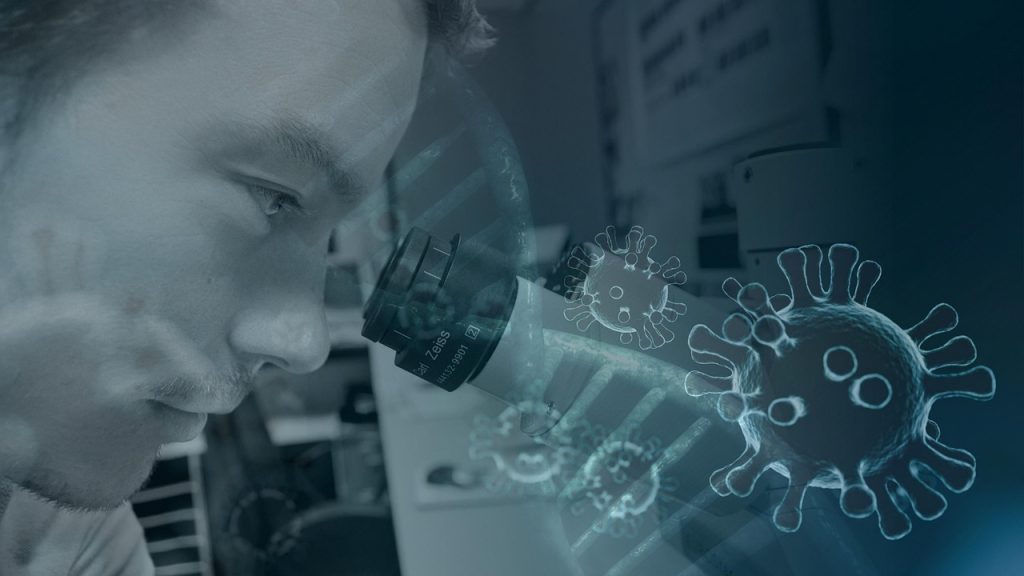
In the clinical world of geriatrics, we often focus on what we can see: a change in gait, a decrease in grip strength, or a slower recovery from a fall. However, these visible changes are merely the final stage of a process called Cellular Aging that has been unfolding for decades at the microscopic level. At geriatricrehab.es, we believe that understanding the biological “Why” behind our physical decline allows us to better implement the “How” of rehabilitation. Cellular Aging is the progressive accumulation of damage and the loss of replicative capacity within our cells, serving as the hidden engine that drives our overall health trajectory as we age.
1. The Clock Inside Every Cell
To understand the aging process, we must look past the skin and muscles and peer into the nucleus of the cell. Aging is not merely a chronological event measured by birthdays; it is a biological reality characterized by a loss of internal stability. Every cell in the human body has a built-in “clock” that determines how many times it can divide and how well it can repair itself.
When we are young, our cells are resilient and efficient, possessing a high capacity for regeneration. As Cellular Aging progresses, this efficiency drops. According to principles in Geriatric Physical Therapy (2020), this is the fundamental reason why our tissues lose their elasticity and our organs lose their peak performance. By understanding that aging starts at the cellular level, we can shift our focus toward interventions that protect cellular integrity, rather than just treating symptoms. Our goal at geriatricrehab.es is to help you manage the speed of this internal clock through evidence-based movement and lifestyle choices.
2. The ‘Why It Matters’ Section: From Micro-Changes to Macro-Impact
Why should a senior or a caregiver care about what happens inside a cell? It matters because these microscopic changes are what dictate the Slippery Slope of Aging. We often talk about the transition from “Function” to “Frailty,” but that transition is fueled by the erosion of our Physiological Reserve. This reserve is the “safety net” of extra capacity in our heart, lungs, and muscles.
At the cellular level, this reserve is maintained by healthy, dividing cells that can replace those that are damaged or worn out. However, as Cellular Aging accelerates, the body’s ability to “self-repair” diminishes. This micro-degradation eventually manifests as macro-symptoms: muscles that take longer to heal, bones that become less dense, and a heart that has to work harder to do the same amount of work. When the cellular “savings account” is depleted, even a minor stressor like a simple cold can push a senior into a functional crisis.
3. The Primary Mechanism: Telomeres and the Hayflick Limit
The “why” behind a cell’s limited lifespan is largely found at the ends of our chromosomes, in structures called telomeres. Every time a cell divides to create a new one, it must copy its DNA. Because of the way DNA replication works, the very tips of the DNA strands cannot be copied perfectly. To prevent the loss of actual genetic information, our chromosomes are capped with telomeres, disposable sequences of DNA that act as a buffer.
For Professionals: This process eventually leads to replicative senescence. Once the telomeres reach a critically short length, the cell reaches the Hayflick Limit the maximum number of times a cell can divide (usually around 50 to 70 times). At this point, the cell enters a state of “senescence,” where it is still alive but can no longer divide to repair tissue. This accumulation of “zombie cells” triggers inflammation and further tissue breakdown.
For Seniors and Caregivers: The “Shoelace Tip” Analogy
Think of your DNA strands like the laces on your favorite pair of shoes. At the end of every shoelace, there is a small plastic tip called an “aglet” that keeps the lace from unraveling. Your telomeres are like those plastic tips.
Every time your cells “tie and untie” (divide), those plastic tips get a little bit shorter and more worn down. Cellular aging is the process of those plastic tips eventually falling off. Once the tip is gone, the shoelace (your DNA) starts to fray and fall apart. In rehab at geriatricrehab.es, we use targeted exercise to help preserve those “plastic tips” for as long as possible, keeping your genetic laces strong and functional.
4. How Physical Stress Theory Influences Cellular Aging
To understand how we can influence the speed of our internal clock, we must apply the Physical Stress Theory (PST). This theory posits that biological tissues adapt to the level of stress placed upon them, and this adaptation happens right down to the cellular level.
- Death (Apoptosis): When a cell is under extreme stress, such as severe DNA damage or total lack of nutrients, it undergoes programmed cell death, or apoptosis. In a state of advanced cellular aging, the threshold for this cellular death lowers, leading to faster tissue loss.
- Injury: This occurs when cellular stress causes damage (like oxidative stress) that the cell cannot immediately fix. Older cells have a harder time repairing these “micro-tears” in their DNA.
- Increased Tolerance (Training): This is our clinical goal. When we provide the right “dose” of exercise, we trigger cellular pathways that actually clean out “junk” proteins and strengthen telomere protection. This “why” explains how movement acts as a restorative force for our genes.
- Maintenance: This is the level of stress required to keep cells in their current state. However, because Cellular Aging is a progressive process, merely “maintaining” often leads to a slow decline as the body’s repair systems naturally tire.
- Decreased Tolerance (Atrophy): When cellular stress is too low (e.g., prolonged bed rest), cells enter senescence faster. They stop dividing and start producing inflammatory signals that “poison” neighboring healthy cells.
5. The Biological Mechanism: Oxidative Stress and Free Radicals
The “why” behind cellular decay often involves the mitochondria the power plants of the cell. As we age, these power plants become less efficient, leaking “smoke” in the form of Reactive Oxygen Species (ROS).
For Professionals: This buildup of ROS leads to chronic oxidative stress, which damages cellular membranes and proteins. A key part of managing Cellular Aging is promoting mitophagy the body’s natural way of recycling these damaged power plants so they don’t cause further DNA damage.
For Seniors and Caregivers: The “Rusted Engine” Analogy
Think of your cells like the engine of a classic car. When the car is new, the engine runs clean. But over time, the engine starts to produce more “smoke” and exhaust. That smoke is like “free radicals.” If you never change the oil or tune the engine, that smoke starts to rust the metal parts from the inside out. Cellular aging is essentially your “internal engine” getting rusty. At geriatricrehab.es, we use specific exercises to help “tune up” your cells and clear out that rust.
6. The Impact of Cellular Aging on Cardiovascular Elasticity
One of the most critical areas where Cellular Aging manifests is in our blood vessels. The stiffening of the aorta is a physiological reality that occurs as the elastic cells in the vessel walls are replaced by rigid ones.
For Professionals: This loss of compliance increases the afterload on the heart. To compensate for this constant high pressure, the heart muscle undergoes left ventricular hypertrophy, thickening in a way that eventually makes it less efficient and more prone to failure.
For Seniors and Caregivers: The “Stiff Garden Hose” Analogy
Imagine your blood vessels are like a garden hose. A new hose is a “flexible elastic band” it’s soft and expands easily when the water is turned on. But a hose left in the sun for years becomes a “stiff garden hose”. It is rigid and brittle. If the water pressure gets too high, it can’t expand to handle the flow. Aerobic exercise acts as a “biological softener,” keeping your “hoses” flexible so your heart doesn’t have to strain against a stiff system.
7. The Professional Perspective: The ICF Framework and Cellular Decline
For allied health professionals, Cellular Aging is not merely a biological curiosity; it is a functional challenge that must be categorized within the ICF Framework (International Classification of Functioning, Disability, and Health).
- Body Structures and Functions: Telomere shortening and oxidative stress directly impair the tissue’s capacity for repair, leading to measurable declines in muscle force production and joint integrity.
- Activities: This cellular exhaustion manifests as a decreased ability to perform basic activities of daily living (ADLs), such as rising from a chair or maintaining balance during gait.
- Participation: When the biological “savings account” is depleted, seniors often experience “fear-avoidance” behaviors, choosing to withdraw from social participation because they lack the resilience to recover from the physical demands of community engagement.
8. The Caregiver Corner: Recognizing Cellular Fatigue
As a caregiver, identifying when an older adult is suffering from systemic cellular exhaustion is key to preventing a functional collapse.
- Monitoring the “Bounce Back” Factor: Observe how long it takes for a senior to return to their baseline energy levels after a stressor. If a task that previously required a short rest now necessitates a full day of recovery, their cellular reserves are likely thinning.
- Signs of Systemic Wear: Look for subtle markers such as slower wound healing or a sudden, unexplained drop in stamina. These are red flags that the cell’s repair mechanisms are reaching their Hayflick limit.
9. Therapeutic Intervention: Exercise as a ‘Biological Softener’ for Cells
In the context of cellular aging, exercise acts as a restorative force that cleans and “softens” the body’s internal systems.
- Maintaining Vessel Elasticity: Aerobic exercise is a powerful intervention for maintaining vascular compliance. By reducing the afterload on the heart, we prevent the development of left ventricular hypertrophy, keeping the cardiovascular system efficient.
- The “Biological Softener” Effect: While the stiffening of the aorta is a physiological reality of aging, movement acts as a “biological softener” by triggering the release of enzymes that maintain vessel elasticity and clear out cellular “trash” proteins.
- For Seniors: The “Flexible Elastic Band” Goal: Think of regular movement as a way to keep your blood vessels like “flexible elastic bands” rather than “stiff garden hoses.”
10. Conclusion: Managing the Cellular Clock
While Cellular Aging is a biological certainty, it is not a fixed fate that we must passively accept. Throughout this guide, we have explored the intricate “why” behind our fading resilience from the fraying of our genetic “shoelace tips” to the accumulation of “rust” within our cellular engines. Understanding that the stiffening of the aorta is a physiological reality allows us to treat aerobic exercise not just as a hobby but as a vital “biological softener” that maintains vessel elasticity and reduces the workload on the heart.
By applying the principles of the Physical Stress Theory, we can navigate the five tissue responses to find the optimal “Training” zone that triggers cellular repair and mitochondrial efficiency. We cannot stop the internal clock of our cells, but through evidence-based rehabilitation and proactive lifestyle choices, we can certainly influence the speed at which the gears turn. Aging optimally means investing in your cellular “bank account” today so that you have the reserves to enjoy a functional, independent tomorrow.
At geriatricrehab.es, our philosophy centers on “Exercise as Medicine.” We don’t just look at the symptoms of aging; we look at the cellular foundations of health. By focusing on maintaining compliance in your vascular system and preventing the rapid atrophy caused by disuse, we help you stay in the “Fun” and “Function” zones of the slippery slope of aging for as long as possible. Your cells are capable of more than you think; they just need the right mechanical signal to stay strong.Don’t let your cellular reserves fade without a fight. If you’ve noticed a decrease in your “bounce back” factor or feel that your internal engine is running a bit slower, it’s time for a professional assessment. Schedule a Comprehensive Cellular Resilience Audit at geriatricrehab.es today. Our expert team will help you create a personalized, evidence-based plan to protect your DNA, soften your system, and widen your window of health. Consult a specialist today at geriatricrehab.es and let’s manage your cellular clock together.













