
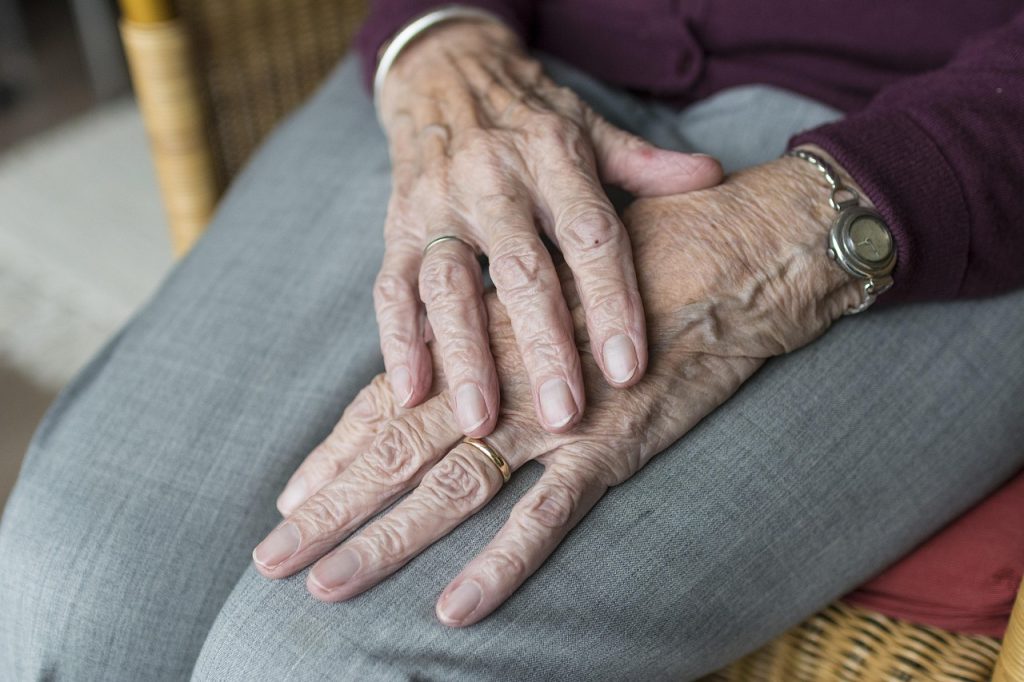
Imagine your body as a house. Usually, when there is a fire (an infection or injury), the fire department (your immune system) arrives, puts it out, and leaves. But with Inflammaging, the fire department never truly leaves. Instead, they stay in the kitchen with a small, smoldering flame constantly burning on the stove. You might not see smoke or hear an alarm, but over the years, that constant heat warps the walls, melts the pipes, and weakens the foundation. At geriatricrehab.es, we focus on identifying this “smoldering heat” before it causes structural collapse.
1. The Biological Baseline Shift
Inflammaging represents a fundamental shift in our biological baseline. In a young person, the immune system is “quiescent” it stays quiet until it is needed. As we age, however, the system enters a state of chronic activation. This isn’t just a side effect of getting older; it is a change in the very “calibration” of our white blood cells.
According to Geriatric Physical Therapy (2020), this low-grade inflammatory state is characterized by a two-to-fourfold increase in circulating pro-inflammatory cytokines. While you may not feel “sick,” your tissues are being bathed in these chemicals 24 hours a day. This constant chemical bath is the “Why” behind the loss of Physiological Reserve. At geriatricrehab.es, we emphasize that while you cannot stop time, you can influence this calibration through purposeful movement and environmental changes, effectively “turning down the thermostat” on your internal fire.
2. The ‘Why It Matters’ Section: The Root of Geriatric Decline
Why should a Physical Therapist or a family caregiver care about a microscopic inflammatory process? It matters because Inflammaging is the primary driver of the “Slippery Slope of Aging.” Chronic inflammation is the common thread linking nearly every geriatric condition, from Alzheimer’s and cardiovascular disease to Type 2 Diabetes and frailty.
When the body is in a state of chronic inflammation, its Physiological Reserve is constantly being drained. The immune system is “stealing” energy and resources from muscle repair and cognitive processing to fuel its unnecessary fire. For seniors, this means that a minor injury—like a simple strain—takes twice as long to heal, or a small bout of the flu leads to a massive drop in mobility. By addressing Inflammaging through targeted lifestyle and movement interventions, we aren’t just treating a symptom; we are protecting the body’s fundamental ability to “Bounce Back” from the stresses of life.
3. Understanding Inflammaging through Cellular Senescence
To understand the biological “Why” of inflammaging, we must look at a phenomenon called cellular senescence. Throughout our lives, our cells divide to replace old or damaged tissue. Eventually, some cells reach a point where they can no longer divide, but crucially they do not die. These are often referred to in clinical literature as “zombie cells.”
For Professionals: The core driver of inflammaging is the SASP (Senescence-Associated Secretory Phenotype). These senescent cells linger in the tissues and secrete a potent cocktail of pro-inflammatory cytokines, specifically IL-6 (Interleukin-6), TNF-alpha (Tumor Necrosis Factor-alpha), and C-Reactive Protein (CRP). This secretion creates a “field effect,” where healthy neighboring cells are essentially “poisoned” by the inflammatory environment. This leads to a systemic loss of compliance in tissues, as chronic cytokine exposure triggers the excessive cross-linking of collagen, turning supple tissues into rigid ones.
For Seniors and Caregivers: The “Bad Apple” Analogy
Imagine you have a beautiful basket of fresh apples. Most of the apples are perfect, but there are one or two “zombie apples” at the bottom that have started to rot. They aren’t completely gone yet, but they are releasing a gas that starts to turn all the other healthy apples around them mushy and brown.
Inflaming is exactly like that. You don’t have a “disease” in the traditional sense; you just have a few “bad apple” cells that refuse to leave. These zombie cells stay in your muscles, your joints, and your brain, releasing “inflammatory gas” that makes your whole body feel stiff and tired. At geriatricrehab.es, we use specific types of movement to help the body “clean out the basket” and stop the rot from spreading to your healthy cells.
4. How Physical Stress Theory Influences Inflammation
At geriatricrehab.es, we use the Physical Stress Theory (PST) to determine how a senior’s body will react to exercise while in an inflamed state. Inflammation changes the “threshold” of what your tissues can handle.
- Death: High systemic inflammation accelerates “Apoptosis” (cell death). In an inflamed state, the body is more likely to clear out healthy cells alongside damaged ones, leading to rapid organ decline.
- Injury: When inflammaging is high, your “injury threshold” drops. This is why an older adult might develop tendonitis just from a simple walk; the tissue was already “pre-stressed” by inflammation, making it brittle and easy to tear.
- Increased Tolerance (Training): This is our “softening” zone. Interestingly, short bouts of exercise actually create a temporary spike in inflammation, which then triggers the body to produce a massive anti-inflammatory response. This is how we “train” the immune system to calm down.
- Maintenance: In a pro-inflammatory environment, “maintenance” is much harder. The body is in a “catabolic” state (breaking things down), meaning you have to work harder just to keep the muscle you already have.
- Decreased Tolerance (Atrophy): If inflammation goes unchecked, it leads to sarcopenia. The “fire” literally consumes muscle tissue for fuel, leading to a rapid loss of strength and independence.
5. The Biological Mechanism: The Gut-Immune Connection
A major “Why” behind inflammaging is found in the gut. As we age, the lining of our intestines which acts as a security guard for our bloodstream begins to weaken.
For Professionals: This is known as increased intestinal permeability, or “leaky gut.” When the gut barrier fails, small amounts of lipopolysaccharides (LPS) bacterial toxins leak into the blood. This triggers a systemic immune response, raising levels of CRP and IL-6. This chronic leakage keeps the “fire” fed, contributing to a loss of systemic compliance.
For Seniors and Caregivers: The “Broken Filter” Analogy
Think of your gut lining like a fine mesh screen door. Its job is to let the fresh air (nutrients) in while keeping the flies and mosquitoes (toxins) out.
Inflammaging is what happens when that screen gets old and develops holes. Now, the “bugs” are getting into the house. Your immune system spends all its time chasing flies instead of fixing the house. At geriatricrehab.es, we use movement and nutrition to help “patch the screen”, so your immune system can finally rest.
6. Inflammaging and the Vascular Link
Chronic inflammation is the primary enemy of your arteries. It turns your “flexible elastic bands” into “stiff garden hoses.”
For Professionals: Chronic exposure to TNF-alpha and IL-1 causes endothelial dysfunction. This triggers the calcification of the arterial walls, leading to decreased compliance and increased afterload. The heart must then work harder to pump against this resistance, eventually leading to left ventricular hypertrophy. The “Why” of many heart issues in seniors is actually an inflammatory issue in the vessels.
For Seniors and Caregivers: The “Rust in the Pipes” Analogy
Imagine your blood vessels are like the metal pipes in your home. If you have clean water flowing through them, they stay smooth. But inflammaging is like running salt water through those pipes every day.
Eventually, the salt causes “rust” (calcification). The pipes become “stiff garden hoses” they can’t expand or contract, and the pressure builds up. This is why your heart has to pump so hard. At geriatricrehab.es, aerobic exercise acts as a “biological softener” that helps “flush the salt” out of the pipes and restore their flexibility.
7. The Professional Perspective: The ICF Framework and Systemic Frailty
At geriatricrehab.es, we do not treat inflammation in isolation. We utilize the International Classification of Functioning, Disability, and Health (ICF) Framework to understand how this smoldering fire impacts a person’s entire life.
- Body Structures and Functions: We identify the high levels of circulating cytokines and the subsequent loss of compliance in tendons and arteries. We also monitor for signs of left ventricular hypertrophy caused by years of pumping against an inflamed, high-resistance system.
- Activities: The structural “stiffening” leads to “Activity Limitations.” A senior may find it harder to get out of a chair or walk a flight of stairs, not because their muscles are “weak,” but because their “inflamed” nervous system is signaling fatigue and pain.
- Participation: Eventually, this results in “Participation Restrictions.” The senior stops attending community events or family gatherings because the “effort” of moving an inflamed body is too high.
Our role at geriatricrehab.es is to use movement as a biological “reset” to lower these inflammatory barriers, moving the patient from a state of frailty back to a state of functional participation.
8. The Caregiver Corner: Monitoring the “Bounce Back” Factor
For family caregivers, inflammaging is often invisible until you look at the “Bounce Back” factor. This refers to a senior’s physiological reserve their ability to recover from a minor stressor.
Practical Tips for Caregivers:
- The 48-Hour Recovery Rule: Monitor how long it takes for a senior to recover from a “big” day (like a trip to the doctor or a grocery run). If they are still exhausted or “stiff” 48 hours later, it is a sign that systemic inflammation is draining their battery.
- The “Brain Fog” Connection: High levels of IL-6 and CRP can cross the blood-brain barrier. If a senior is experiencing sudden “fogginess” or lack of motivation without a clear cause, look to their systemic inflammation levels.
- Morning Stiffness Duration: Time how long it takes for the senior to “loosen up” in the morning. If the “stiff garden hose” feeling lasts more than 30-60 minutes, the internal fire is likely high.
9. Therapeutic Intervention: Movement as a “Biological Softener” for Inflammation
It may seem counterintuitive to ask someone with chronic inflammation to move, but muscle is actually a powerful “anti-inflammatory organ.” When muscles contract, they release chemicals called myokines.
For Professionals: The most significant myokine released during exercise is IL-6. While IL-6 is pro-inflammatory when secreted by senescent cells, it acts as a potent anti-inflammatory signal when released by skeletal muscle. This muscle-derived IL-6 triggers the release of IL-10 (an anti-inflammatory cytokine) and inhibits TNF-alpha. This “softens” the systemic inflammatory load, improves vascular compliance, and reduces the heart’s afterload.
For Seniors and Caregivers: Oiling the Immune System
Think of your body like a car that has been sitting in the garage for months. The parts are starting to get “stiff” and rusty. If you just let it sit, the rust (inflammation) will eventually eat through the metal.
When you engage in the movement programs we design at geriatricrehab.es, it’s like starting the engine and letting the oil circulate. The movement creates “biological oil” (myokines) that coats your joints and arteries. This oil “softens” the rust and makes the whole machine run smoothly again. You aren’t just “exercising”; you are literally oiling your immune system to put out the fire.
10. Conclusion: Extinguishing the Smoldering Fire
The “smoldering fire” of chronic inflammation is a biological reality for many as they age, but it is not an inevitable path to disability. Throughout this guide, we have explored the “Why” behind this invisible process from the “bad apples” of cellular senescence to the “broken filters” of the gut. By recognizing that Inflammaging is the force turning our “flexible elastic bands” into “stiff garden hoses,” we can shift our perspective on health from passive observation to active intervention.
By applying the Physical Stress Theory, we move away from the dangerous atrophy of a sedentary lifestyle and towards the “Increased Tolerance” zone. Movement is our most potent “biological softener,” a way to oil the engine of our immune system and flush the “salt” out of our vascular pipes. At geriatricrehab.es, we believe that while you cannot stop the clock, you can absolutely influence the temperature of the internal fire. Resilience is built in the recovery, and it begins with understanding the biology of the flame.Is the invisible fire of inflammation slowing you down? Don’t wait for the “smoke” of a major health event to take action. Schedule a Comprehensive Inflammation and Mobility Audit at geriatricrehab.es today. Our expert team will help you assess your vascular compliance, monitor your physiological reserve, and create an evidence-based “cooling plan” tailored to your unique biology. Consult a specialist today at geriatricrehab.es and let’s put out the fire together.













