In a world obsessed with staying young, we often lose sight of what it actually means to grow old well. For many, the goal has always been “successful aging,” a term that implies a perfect, disease-free life. But for the millions of older adults managing arthritis, hypertension, or heart disease, that definition feels like an impossible standard. Is a life with chronic illness a failure? Absolutely not. This is where the concept of optimal aging changes the conversation, shifting the focus from medical perfection to functional satisfaction.
1. Redefining the Golden Years
Historically, aging was viewed through a “deficit model,” a period of inevitable decline where the goal was simply to survive. However, the principles of optimal aging introduce a paradigm shift. Unlike “successful aging,” which demands an absence of disease, optimal aging is a holistic state. It is defined by the Geriatric Physical Therapy (2020) text as the capacity to function across physical, cognitive, and social domains to one’s satisfaction, regardless of chronic conditions.
This means that aging is a heterogeneous process. You cannot compare two 80-year-olds based on their age alone; one might be limited by severe sarcopenia, while the other maintains high physiological reserve. By shifting our perspective, we empower seniors to focus on what they can do. This section of our journey is about stripping away the ageist labels and recognizing that every older adult has a unique “optimal” trajectory that can be improved through targeted rehabilitation and lifestyle choices.
2. The Clinical Shift: From Disease-Free to Function-Focused
The traditional “Successful Aging” model, popularized by Rowe and Kahn in the 1980s, required three strict criteria: a low probability of disease or disability, high cognitive and physical function, and active engagement with life. While well-intentioned, this model inadvertently marginalized millions of older adults living with managed chronic illnesses like hypertension, type 2 diabetes, or osteoarthritis. Under the old definition, if you had a controlled condition, you were no longer “successful.”
The concept of optimal aging corrects this by prioritizing functional capacity over clinical diagnosis. From a clinical perspective, it doesn’t matter if an individual has a diagnosis of osteoarthritis in the knees; what matters is whether that individual can still walk to the park, play with their grandchildren, and manage their daily tasks without debilitating pain. This shift recognizes that “health” is a resource for everyday life, not just the absence of a doctor’s visit.
In modern geriatric care, we utilize a “person-centered” approach. The goal of the geriatric physical therapist is no longer just to “fix” a joint but to bridge the gap between a patient’s current ability and their personal goals. This requires a deep understanding of the patient’s environment, social support, and personal motivations. By focusing on what the patient can do and what they want to do, we create a more sustainable and empowering model of care.
3. The Physiology of Aging: Navigating the ‘Slippery Slope’
To understand why we must fight for every ounce of function, we look at the “Slippery Slope of Aging,” a concept vital to geriatric rehabilitation. This physiological framework categorizes older adults into four distinct stages based on their physical capabilities:
- Fun: You have high physiological reserve. You can perform activities of daily living (ADLs) and still have plenty of energy for vigorous recreation like hiking or travel.
- Function: You can do what you need to do (like grocery shopping), but you tire more easily. You may begin to “self-limit” activities to conserve energy.
- Frailty: You are one minor illness, medication change, or fall away from losing independence. Your reserve is so low that the body struggles to maintain homeostasis.
- Failure: You require total assistance for basic survival and self-care.
Optimal aging is about staying in the “fun” and “function” zones for as long as possible. As we age, we naturally experience homeostenosis, the narrowing of our body’s internal reserves. A simple flu that a 30-year-old bounces back from in two days can push a senior with low reserve from “Function” into “Frailty.” This is why maintaining a “buffer” through physical activity is critical. By focusing on strength and aerobic capacity, we build a safety net that protects us against these sudden drops in health status.
Caregiver Corner: The “One-Step” Rule
Observation is your best tool. Pay attention to “pre-frailty” signs: is your loved one starting to use their arms to push off a chair? Are they walking more slowly or avoiding stairs they used to climb easily? These are signs of diminishing physiological reserve. Intervening with a physical therapist now can prevent a permanent move down the “Slippery Slope.”
4. Optimal Aging vs. Typical Aging: Recognizing the Difference
While aging is inevitable, the rate and quality of that decline are highly variable. Clinicians distinguish between typical aging and optimal aging by looking at the trajectory of physical and cognitive systems over time. Typical aging often involves a steady, passive decline in organ function and muscle mass (sarcopenia), frequently exacerbated by a sedentary lifestyle or “disuse atrophy.”
In contrast, those on the optimal trajectory actively mitigate these declines. The hallmark of Optimal Aging is the preservation of the “Physiological Reserve.” While a “typical” older adult might accept a shrinking social circle or a slower gait as “just part of getting old,” the optimal ager supported by geriatric rehabilitation views these as modifiable factors.
For example, a typical ager might stop going to the mall because it’s “too much walking.” An optimal ager would work with a PT to increase their walking endurance or use a lightweight mobility aid to ensure they can still enjoy the outing. By identifying pathological changes like early-stage balance deficits or decreased grip strength early on, physical therapy can shift a patient from a path of decline back toward a path of peak functional maintenance.
5. The Role of ‘Exercise as Medicine’ in Functional Longevity
In the realm of geriatric rehabilitation, we treat exercise not as a hobby, but as a potent clinical intervention. The Geriatric Physical Therapy (2020) guidelines emphasize that “Exercise is Medicine” for the prevention and management of almost every chronic condition, from heart disease to Alzheimer’s. To achieve optimal aging, the exercise prescription must be specific, progressive, and multimodal.
- Resistance Training: This is the primary defense against sarcopenia (age-related muscle loss). Without intervention, we lose about 1-2% of muscle mass per year after age 50. High-intensity resistance training using weights that make the last rep difficult is safe and effective for seniors when supervised, leading to improved bone density and metabolic health.
- Balance and Gait Training: These are non-negotiable for fall prevention. Exercises should challenge the visual (eyes), vestibular (inner ear), and somatosensory (feet/joints) systems.This ensures the individual can navigate uneven terrain, like a grassy park or a dimly lit hallway, without losing their footing.
- Aerobic Capacity: This is about the heart and lungs. Maintaining a strong cardiovascular base ensures that the “Slippery Slope” remains a gentle incline rather than a steep drop. It allows the senior to stay in the “Fun” category.
For the older adult, the goal of exercise isn’t to look like a bodybuilder; it is to ensure that the “metabolic cost” of daily life stays low. If walking to the mailbox takes 90% of your energy, you won’t have anything left for the rest of the day. Exercise brings that cost down to 40%, leaving energy for life’s pleasures.
6. The Professional Perspective: Applying the ICF Framework
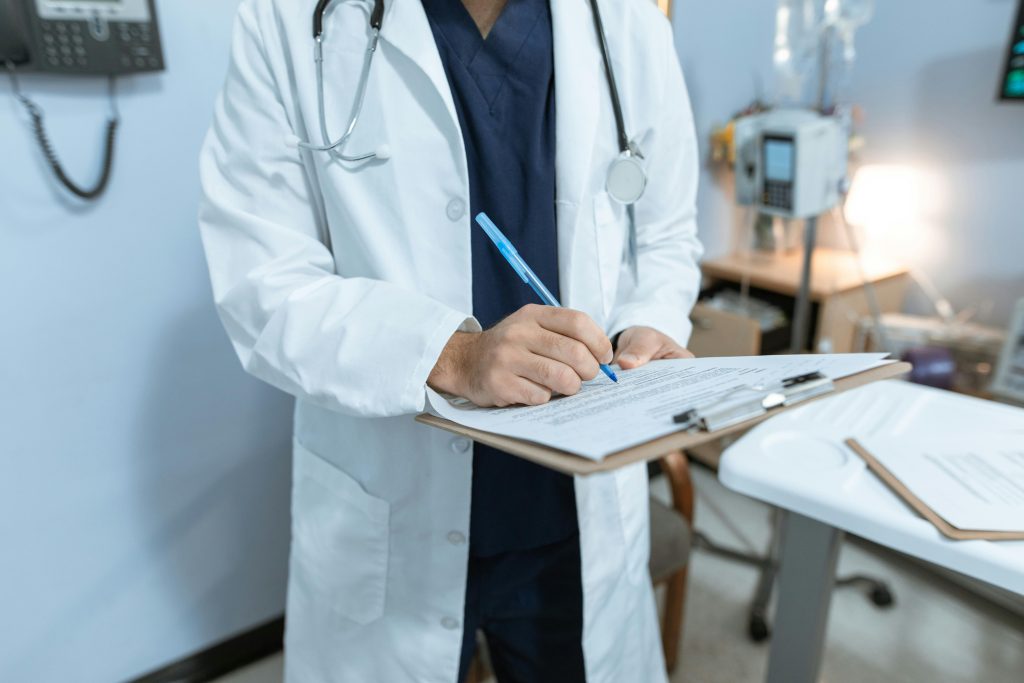
For health professionals, optimal aging is best viewed through the lens of the International Classification of Functioning, Disability, and Health (ICF). Rather than focusing solely on the “medical model” (diagnosing a disease and treating the symptoms), the ICF framework looks at the whole person in their environment:
- Body Functions and Structures: We look at the physical level. Is there sarcopenia?Is there reduced joint range of motion? Is the heart pumping efficiently?
- Activity: Can the patient perform specific tasks? For example, can they perform a “30-second Chair Stand” or a “Timed Up and Go” (TUG) test?
- Participation: This is the ultimate goal. Can the patient still attend their local community center, go to church, or volunteer.
By using this framework, allied health professionals can identify exactly where the breakdown is occurring. Is a patient staying home because of heart failure (body function), or is it because they are afraid of falling on the broken sidewalk outside their house (environment/activity) Addressing these specific barriers, perhaps through gait training or advocating for better local infrastructure, is the key to transitioning a patient into an optimal state. Professionals must also be vigilant for adverse drug reactions (ADRs) and polypharmacy, as these are common “silent” barriers that can mimic cognitive decline or physical frailty.
Caregiver Corner: Quality over Quantity
When assisting a senior with home exercises, focus on the quality of the movement. If you notice they are holding their breath (Valsalva maneuver) or using “compensatory strategies” (like leaning heavily on furniture or swinging their body to stand up), it’s time to consult a professional. Optimal movement patterns prevent secondary injuries and keep your loved one independent for longer.
7. Psychosocial Pillars: Resilience and Adaptation
Optimal aging is not solely a physical endeavor; it is deeply rooted in a person’s psychological resilience. The ability to adapt to the inevitable changes that come with age is what separates those who flourish from those who struggle. One of the most effective psychological strategies in geriatric care is “Selective Optimization with Compensation” (SOC).
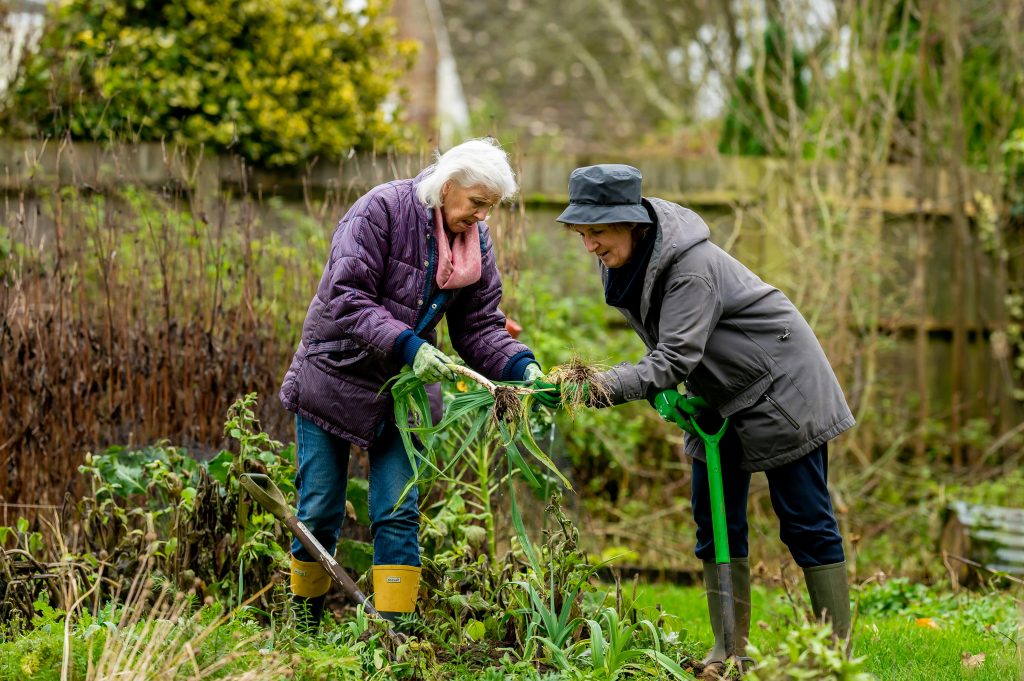
- Selection: This involves choosing the activities that are most meaningful. As energy levels change, a senior might “select” to stop gardening but keep playing the piano.
- Optimization: This is about practicing and refining those chosen skills. It’s the “use it or lose it” principle applied to the things we love most.
- Compensation: This is the use of tools or new methods to bridge the gap. Using a walking stick, wearing high-quality hearing aids, or using a magnifying glass to read are all forms of “optimal” compensation.
By embracing SOC, seniors can maintain a high sense of self-efficacy, the belief that they can still influence their own lives. Clinical evidence shows that older adults with a positive “age identity” recover significantly faster from acute injuries and have a lower risk of developing dementia. Social connectivity also acts as a biological buffer; loneliness is often as detrimental to health as smoking 15 cigarettes a day. Thus, staying socially engaged, whether through family, clubs, or online communities, is a core component of staying “optimal.”
8. The Caregiver Corner: Supporting Autonomy, Not Just Safety
Caregivers often face a difficult balancing act: ensuring the safety of their loved one while allowing them enough freedom to stay active. To promote optimal aging, the caregiver’s goal should be to provide the “least amount of assistance necessary.” This is known as promoting autonomy through supportive care. When we do everything for a senior, we inadvertently accelerate their decline, a phenomenon sometimes called “learned helplessness.”
Practical steps for caregivers to encourage optimal aging include:
- Environmental Modification: Instead of telling a senior “don’t go in the kitchen because it’s slippery,” install brighter LED lighting, add pull-out shelves to lower cabinets, and put down non-slip mats. This removes the hazard without removing the senior’s ability to make their own tea.
- Encouraging “Active” Daily Living: Instead of doing all the chores, encourage the senior to participate in “instrumental activities of daily living” (IADLs). Folding laundry, light dusting, or helping with meal prep are natural functional exercises that maintain grip strength and standing balance.
- The Power of Language: Avoid “elderspeak,” the high-pitched, slow, or infantilizing language often used with seniors. Treat the senior as a partner in their own care. This maintains their dignity and cognitive engagement, both of which are essential for mental health.
9. Overcoming Barriers: Common Challenges to Optimal Aging
The road to optimal aging is often blocked by systemic and clinical hurdles. One of the most significant is ageism within the healthcare system, the false belief among both patients and some providers that pain, depression, or loss of function is “normal for your age.” This can lead to the undertreatment of conditions that are actually reversible, such as urinary incontinence or clinical depression.
Clinically, we must also address these common barriers:
- Polypharmacy and ADRs: As seniors take more medications, the risk of Adverse Drug Reactions (ADRs) skyrockets. Dizziness caused by a new blood pressure medication is a leading cause of falls, yet it is often misdiagnosed as simple “old age” or “inner ear issues.”
- Comorbidities: Managing multiple conditions (e.g., heart disease plus arthritis plus COPD) requires a highly coordinated approach. A geriatric physical therapist is uniquely qualified to design a program that respects the limitations of one condition while treating the other.
- Homeostenosis: As our internal “thermostat” for stress becomes less efficient, we must be more proactive about nutrition, hydration, and sleep hygiene. A dehydrated senior is at a much higher risk for confusion and falls.
The Professional Perspective: Monitoring Sarcopenia
Allied health professionals should regularly screen for sarcopenia using the SARC-F questionnaire or grip strength testing with a dynamometer. Early detection of muscle wasting is critical. It is much easier and more cost-effective to maintain existing muscle mass through high-protein intake and resistance training than it is to rebuild it once a patient has reached a state of physical frailty.
10. Conclusion: Your Roadmap to Optimal Aging
We have reached a turning point in how we view the later years of life. Moving “Beyond Success” means moving away from the pressure of perfection and towards the reality of satisfaction. Optimal aging is not about having the body of a twenty-year-old; it is about having the functional capacity to do what you love, regardless of your medical diagnosis.
By understanding the “Slippery Slope of Aging” and actively working to maintain your physiological reserve, you can ensure that your “golden years” are defined by agency rather than dependency. This journey is not just about adding years to your life, but adding life to your years. It requires a proactive stance: choosing exercise as medicine, seeking social connection, and refusing to accept decline as an inevitable consequence of birthdays.
The journey towards an optimal trajectory is a collaborative effort. It requires the resilience of the senior, the informed support of the caregiver, and the clinical expertise of the geriatric physical therapist. Remember that every step taken towards better balance, stronger muscles, and a more engaged mind is a direct investment in your future autonomy. You don’t have to navigate this path alone. With the right strategies, “optimal aging” is not just a high-level concept it is a reachable, everyday reality that allows you to live life to its fullest, on your own terms.
Are you ready to optimize your functional independence? Whether you are a senior looking to stay active or a caregiver seeking expert guidance for a loved one, our team is here to help. Consult a physical therapist today at geriatricrehab.es to receive a personalized functional assessment and start your journey toward optimal aging.