
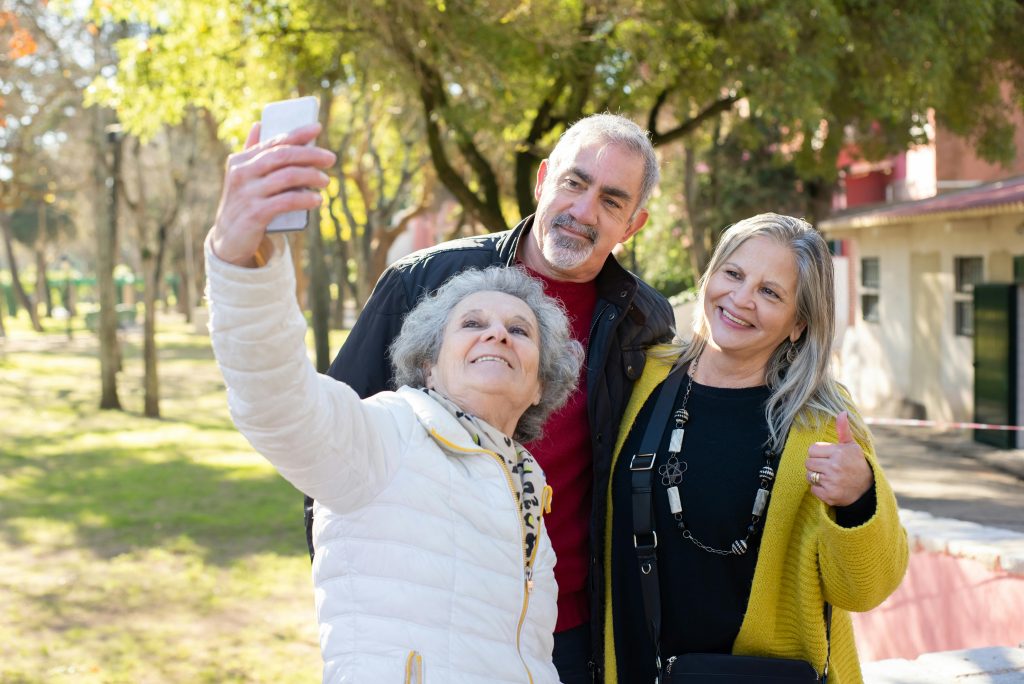
In the world of rehabilitation, we often spend our days measuring range of motion, muscle torque, and gait speed. While these metrics are vital, they are merely the “hardware” of the human experience. The “software” the reason we bother to stay strong in the first place is found in our active engagement with the world around us. A senior who can perform fifty sit-to-stands but has no one to visit and no sense of purpose is still at a high risk for functional decline. At geriatricrehab.es, we believe that true health is a tripod of physical, social, and spiritual vitality. If one leg is missing, the entire structure is unstable.
1. Beyond the Absence of Disease
For decades, the medical community defined “aging well” simply as the absence of disease or disability. However, as our understanding of longevity has deepened, we have moved toward a more robust model. According to the landmark Rowe and Kahn model of successful aging, there are three intersecting components: a low probability of disease, high physical and cognitive functional capacity, and active engagement with life.
This third pillar, active engagement, is often the most neglected in a clinical setting, yet it is arguably the most influential. It involves maintaining interpersonal relations and continuing productive activities. In the context of Geriatric Physical Therapy (2020), we recognize that a patient’s “participation” (as defined by the ICF model) is the ultimate goal of any intervention. We don’t just want a patient to walk; we want them to walk to their local bridge club, their house of worship, or their grandchild’s graduation. Without engagement, physical “fitness” lacks a destination.
2. The Three Pillars of Longevity
To achieve what we call “optimal aging,” we must look at the synergy between the physical and the psychological.
- Low Risk of Disease: This is the baseline. Through proper nutrition, cardiovascular health, and preventive screenings, we reduce the “insults” to the body’s physiological reserve.
- High Mental and Physical Function: This is the “capacity” leg of the tripod. We use evidence-based resistance training and balance protocols to ensure the body can meet the demands of daily life.
- Active Engagement: This is the “execution” of health. It is the decision to remain part of the human fabric.
When a senior loses their sense of engagement, we often see a phenomenon known as “Excess Disability.” This occurs when a patient’s functional limitations are greater than what can be explained by their physical impairments alone. For example, a senior with mild arthritis might stop walking entirely, not because their knees are “too far gone,” but because they have lost their social circle and no longer feel they have a reason to leave the house. By targeting engagement, we often unlock physical potential that “standard” exercise alone cannot reach.
3. Social Health: The Biology of Connection
Social isolation is not just a “feeling” it is a physiological hazard. In geriatric science, we now understand that chronic loneliness is as damaging to health as smoking 15 cigarettes a day. It accelerates the Slippery Slope of Aging by triggering a pro-inflammatory state in the body.
When a senior experiences Active Engagement through social connection, it creates a protective “Social Buffer”:
- Neuroendocrine Benefits: Positive social interactions lower cortisol (the stress hormone) and increase oxytocin, which can improve cardiac health and immune function.
- Cognitive Reserve: Engaging in conversation and social navigation is a complex cognitive task. It builds “neuronal pathways” that can protect against the symptoms of dementia.
- Safety Netting: Socially engaged seniors are more likely to have someone notice early signs of health changes, such as a “slow slide” in gait or subtle memory lapses, allowing for earlier intervention.
At geriatricrehab.es, we view a “quiet” social life as a clinical red flag. If a patient is no longer seeing friends or participating in community events, their risk for a catastrophic fall or a cardiovascular event increases, regardless of how strong their legs are.
Caregiver Corner: The “Social Vitals” Check
We track blood pressure and heart rate, but we should also track “social vitals.” Ask your loved one, “How many people did you talk to today outside of the house?” Did you feel like you had a meaningful conversation? If the answer is “none” for several days in a row, it’s time to intervene. Start small: a weekly phone call, a trip to the library, or even sitting in a public park for 30 minutes can break the cycle of isolation and “prime” the brain for better physical recovery.
4. The Role of Spiritual Health in Rehabilitation
In the clinical context of Geriatric Physical Therapy (2020), spirituality is defined broadly as a search for meaning, purpose, and a connection to something larger than oneself. It is not strictly synonymous with religion, although for many, religious practice is the primary vehicle for this wellness. For a senior recovering from a catastrophic event like a stroke or a hip fracture, their spiritual health often dictates their “will to recover.”
When a patient maintains active engagement with their spiritual beliefs, they develop a higher Sense of coherence (SOC). SOC is a global orientation that leads people to view life as comprehensible, manageable, and meaningful. Research shows that seniors with a strong SOC:
- Handle Pain Better: They are less likely to catastrophize chronic pain, viewing it as a challenge to be managed rather than an insurmountable wall.
- Demonstrate Resilience: They are more likely to persist with difficult physical therapy exercises because they see the “meaning” in the struggle returning to their role as a community elder, a family matriarch, or a dedicated volunteer.
5. Cognitive Vitality: Use It or Lose It
Cognitive health is the engine that drives active engagement. Without the ability to process information, remember faces, or navigate social cues, a senior may naturally withdraw from life to avoid embarrassment or confusion. However, the relationship is bidirectional: engagement also builds the brain.
The “old-old” (those 85+) demonstrate remarkable neuronal plasticity when exposed to “novelty and challenge.” This is the difference between passive mental activity (watching television) and active mental stimulation (learning a new language, playing a strategy game, or participating in a debate).
At geriatricrehab.es, we integrate “Dual-Task Training” into our rehab sessions. We don’t just ask a patient to balance on one leg; we ask them to balance while naming three-letter words starting with ‘B’ or calculating their grocery list. This mimics the real-world demand for active engagement, where physical movement and mental processing must happen simultaneously.
6. Barriers to Participation: The ICF Perspective
Sometimes, the lack of engagement isn’t a choice; it is a result of a hostile environment. The International Classification of Functioning, Disability, and Health (ICF) distinguishes between “activity limitations” (I can’t walk well) and “participation restrictions” (I can’t go to my granddaughter’s wedding because there is no ramp).
Common “participation killers” include:
- Untreated Hearing Loss: This is perhaps the greatest barrier to social engagement. If you cannot hear the conversation at the dinner table, you will eventually stop coming to the table.
- Transportation Deserts: For the non-driving senior, the world shrinks to the distance they can walk. If they live in an area without reliable transit, their active engagement is effectively severed.
- Architecture of Exclusion: Stairs without railings, lack of public benches, and poorly timed crosswalks act as “No Entry” signs for the geriatric population.
As geriatric physical therapists, our job is to act as “enablers.” We perform home and community assessments to identify these barriers. Sometimes, the most “therapeutic” thing we can do is help a patient get fitted for a high-quality hearing aid or teach them how to navigate a ride-sharing app so they can regain their seat at the table of life.
Moving forward with Sections 7, 8, and 9. We will now explore the restorative power of bridging the age gap, how to maintain purpose in the face of cognitive decline, and why the “social prescription” is becoming a mandatory tool in modern geriatric medicine.
7. Intergenerational Connection: The “Legacy” Effect
One of the most profound ways to foster active engagement is through intergenerational connection. In many modern societies, we have become age-segregated: seniors live in retirement communities, while youth are in schools or workplaces. This separation often leads to a “roleless role,” where seniors feel they no longer have a meaningful contribution to make.
However, the “Legacy Effect” the act of passing on skills, stories, and wisdom—is a potent biological and psychological stabilizer. When seniors interact with younger generations, they often experience:
- Increased “Generativity”: The psychological need to nurture things that will outlast them. This combats the “stagnation” that can lead to depression in later life.
- Functional Gains: Research on “experience corps” programs, where seniors tutor children, shows that these engaged seniors actually walk faster and have better executive function than their peers.
- Reduced Ageism: These interactions humanize the aging process for the youth and remind the seniors of their continued relevance.
8. The Caregiver Corner: Encouraging Micro-Engagements
For caregivers of seniors with advanced physical or cognitive limitations, the idea of ”community engagement” might feel overwhelming. However, active engagement does not always mean attending a large gala or a fitness class. It can be found in “micro-engagements” small, intentional moments that affirm the senior’s autonomy and purpose.
How to foster micro-engagements at home:
- The “Consultant” Role: Even if a loved one can no longer cook, ask for their advice on a recipe. “Does this need more salt?” allows them to engage their long-term expertise.
- Curated Autonomy: Instead of choosing everything for them, offer “Two-Choice Tasks.” “Would you like to wear the blue sweater or the green one?” This preserves the neural pathways involved in decision-making.
- The “Helper” Philosophy: Find a task they can do, however small. Folding towels, sorting buttons, or watering a single plant provides a sense of being “needed” rather than just “being cared for.”
9. Clinical Integration: Prescribing Social Participation
The modern physical therapist must look beyond the treatment table. In Geriatric Physical Therapy (2020), we emphasize that “Exercise is the medicine, but participation is the cure.” We are increasingly using what is known as social prescribing.
Instead of only giving a list of leg lifts, a “social prescription” might include:
- A Refer-on: Connecting the patient with a local “Men’s Shed” or a senior community garden.
- A Shared Goal: “Once you can walk 200 meters without a rest, we are going to walk to your local coffee shop together to meet your friends.”
- The Social Assessment: During the initial evaluation, we ask about the patient’s “Social Network Map.” If the map is empty, we prioritize balance and gait tasks that specifically target “community re-entry” rather than just “indoor safety.”
By integrating active engagement into the formal plan of care, we treat the patient as a whole person. We recognize that the motivation to complete a difficult rehab program usually comes from a desire to return to a social or spiritual role, not just a desire for better “quadriceps strength.”
10. Conclusion: A Life Full of Years
In the final analysis, successful aging is not merely about the absence of infirmity; it is about the presence of life. While we must continue to advocate for physical strength and the preservation of our physiological reserve, we must also recognize that these are the tools of engagement, not the end goal itself. By prioritizing social connection, spiritual wellness, and cognitive challenge, we move beyond “surviving” and into “thriving.”
At geriatricrehab.es, we are committed to this holistic tripod of health. We understand that your recovery is fueled by your desire to return to the people, places, and purposes that define you. Active engagement is the spark that turns a standard exercise program into a life-changing transformation. Whether you are a senior looking to reconnect, a caregiver seeking to support a loved one’s autonomy, or a clinician aiming for more meaningful outcomes, remember that the most powerful medicine we can offer is a seat at the table of life.Are you ready to strengthen more than just your muscles? You deserve a wellness plan that values your social and spiritual health as much as your physical balance. Our specialists at geriatricrehab.es provide comprehensive assessments that look at the whole person, helping you overcome barriers and rediscover your purpose. Consult a specialist today at geriatricrehab.es to schedule your “Holistic Vitality Assessment” and start your journey toward a more engaged, meaningful future.













