
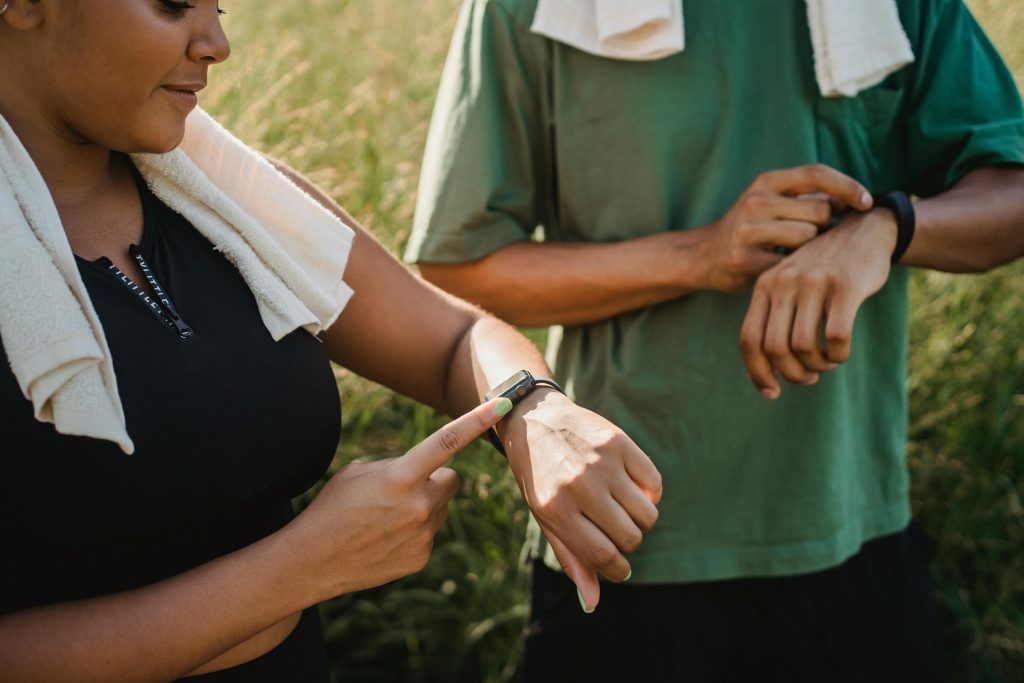
In the traditional medical model, we often wait for an “event” a fall, a stroke, or a diagnosis before we begin treatment. However, in geriatric science, the most effective way to manage aging is to ensure the event never happens. This is the essence of primary prevention. At geriatricrehab.es, we believe that while aging is a universal biological process, the heavy burden of chronic disease does not have to be. By understanding how to protect our physiological reserves early, we can achieve what scientists call the “Compression of Morbidity,” living a long, vibrant life and pushing illness into a very short window at the very end.
1. Shifting the Paradigm from Cure to Prevention
For much of the 20th century, medicine was defined by the “cure.” We developed antibiotics for infections and surgery for trauma. But as our population ages, the challenge has shifted from acute illness to chronic, lifestyle-related conditions. To address this, we must prioritize primary prevention within the first 100 words of any health strategy.
According to Geriatric Physical Therapy (2020), the goal of modern geriatrics is to keep an individual in the “Fun” and “Function” zones of the Slippery Slope of Aging for as long as possible. This requires a fundamental shift in how we view the doctor-patient relationship. We shouldn’t just visit a clinic because we are sick; we should engage with healthcare to stay well. By identifying subclinical markers small changes in gait speed, slight elevations in blood pressure, or minor muscle loss we can intervene years before these issues manifest as a “disease.” This “upstream” approach is the only sustainable way to manage the complexities of an aging society and ensure that our later years are defined by vitality rather than medical appointments.
2. The Levels of Prevention: Primary, Secondary, and Tertiary
To navigate the path of disease avoidance, we must distinguish between the three levels of medical prevention:
- Primary Prevention: This is the “Gold Standard.” It involves interventions directed at healthy individuals to prevent the initial onset of a disease. Examples include vaccinations, regular exercise to prevent sarcopenia, and nutritional choices that keep systemic inflammation low.
- Secondary Prevention: This involves early detection and intervention while a disease is asymptomatic. Think of screenings like bone density scans (DEXA) or colonoscopies. The disease is there, but we catch it before it causes a crisis.
- Tertiary Prevention: This is traditional “rehab.” The disease (like a stroke) has occurred, and we are working to minimize the resulting disability and prevent further complications.
While all three are necessary, primary prevention is the most cost-effective and least invasive way to maintain independence. It focuses on the “upstream” causes of decline rather than the “downstream” symptoms. For the senior, this means a life with fewer medications, fewer hospitalizations, and more autonomy. By catching the “slow slide” of aging before it crosses into the threshold of pathology, we preserve the most valuable asset any senior has: their functional freedom.
3. The Biology of Aging vs. The Biology of Disease
One of the most critical concepts in geriatric medicine is the distinction between “usual aging” and “successful aging.” Usual aging involves the gradual, expected decline in organ systems. However, “Disease” occurs when those systems fall below a critical functional threshold.
Primary prevention works by bolstering our physiological reserve. This is the “extra” capacity we have in our heart, lungs, and muscles to handle stress. A person with high reserve can catch the flu and recover quickly; a person with low reserve (frailty) may end up in the ICU from the same virus.
- Threshold Management: We avoid disease by keeping our biological markers as far above the “failure” threshold as possible.
- The “Slow Slide”: Disease avoidance isn’t about finding a “fountain of youth”; it’s about slowing the rate of decline so that we reach the end of our natural lifespan before we reach the threshold of disability. This biological buffer is built through years of consistent, evidence-based lifestyle choices that protect the integrity of our cellular and systemic functions.
Caregiver Corner: The “Pre-Clinical” Observation
You are the first line of defense in primary prevention. Look for the “micro-changes” that don’t yet qualify as a disease but signal a loss of reserve. Is your loved one taking longer to get out of a car? Are they avoiding social outings because they are “tired”? These aren’t just “parts of getting old”; they are early warning signs that the physiological reserve is dipping. Bringing these to a physical therapist now can prevent a fall or a frailty diagnosis six months from now.
4. Cardiovascular Health: Preventing the “Big One”
Cardiovascular disease remains the leading cause of morbidity in the aging population. However, the “vessels of an 80-year-old” do not have to be brittle or clogged. Primary prevention in this domain focuses on maintaining vascular elasticity and managing the “silent” markers of pressure and lipids.
The role of “aerobic dosing” is critical here. While many seniors are told to “just walk,” evidence-based prevention requires reaching specific intensities that trigger physiological adaptations.
- Vascular Elasticity: Regular aerobic exercise helps mitigate the age-related stiffening of the aorta and large arteries.
- The “Window of Opportunity”: Intervening while blood pressure is in the “elevated” range (before it reaches Stage 1 Hypertension) is the peak of primary prevention. By utilizing heart rate monitoring and perceived exertion scales, we can ensure that the “dose” of exercise is high enough to be cardioprotective without being risky. We must view exercise not as a hobby, but as a potent pharmacological agent capable of remodeling the very tubes that deliver life-sustaining blood to our organs.
5. Sarcopenia and Osteoporosis: Protecting the Framework
The musculoskeletal system is the literal framework of our independence. Without muscle power and bone density, we lose the ability to navigate our environment. In the past, muscle loss (sarcopenia) and bone thinning (osteoporosis) were seen as inevitable. Today, we view them as conditions that can be delayed through “Loading” interventions.
Primary Prevention for the framework involves:
- Progressive Resistance Training (PRT): To prevent muscle loss, the stimulus must be greater than the demands of daily life. Lifting a grocery bag is maintenance; lifting a controlled, heavy weight is prevention.
- Osteogenic Loading: Bones respond to impact and high-intensity loading. Activities that involve weight-bearing are essential to keep bone mineral density above the “fragility fracture” threshold. At geriatricrehab.es, we focus on these loading strategies to build a “buffer” of strength. Sarcopenia is often the silent precursor to frailty; by maintaining muscle cross-sectional area and motor unit recruitment through targeted resistance, we ensure that if a senior does trip, their muscles are strong enough to catch them and their bones are dense enough to resist a break.
6. Cognitive Preservation: Protecting the Mind
Perhaps the greatest fear among aging adults is the loss of cognitive function. While we cannot change our genetics, we can significantly influence our “Brain Reserve” the brain’s ability to improvise and find alternate ways of getting a job done.
Evidence suggests that up to 40% of dementia cases could be delayed or prevented through modifiable lifestyle factors. Primary Prevention for the brain includes:
- The Exercise-Cognition Link: Physical activity increases levels of Brain-Derived Neurotrophic Factor (BDNF), a protein that supports the survival of existing neurons and encourages the growth of new ones.
- Sleep Hygiene: Chronic sleep deprivation in seniors allows for the buildup of amyloid plaques. Preventing sleep apnea and insomnia is a primary neuroprotective strategy.
- Social and Mental Complexity: Just as we load the muscles, we must load the brain with “novelty and challenge” to maintain synaptic density. The brain is a “use-it-or-lose-it” organ; when we stop engaging in complex problem-solving or social navigation, the synaptic connections begin to prune. Prevention means keeping the “cognitive engine” revved through lifelong learning and social integration.
7. Metabolic Resilience: Taming Inflammation
In the field of gerontology, scientists have coined the term “inflammaging.” This refers to the chronic, low-grade, systemic inflammation that characterizes aging and acts as a primary driver for diseases like Type 2 Diabetes, Alzheimer’s, and atherosclerosis. Primary Prevention at the metabolic level is about building “resilience,” the body’s ability to maintain homeostasis despite internal and external stressors.
- Glucose Regulation: Even without a diabetes diagnosis, “blood sugar spikes” can damage small blood vessels and nerves. Maintaining muscle mass (the body’s largest glucose sink) is a primary preventative measure for metabolic health.
- Adipose Tissue Management: Visceral fat (fat around the organs) is metabolically active, secreting inflammatory cytokines. By managing body composition through high-protein nutrition and resistance training, we proactively lower the systemic “inflammatory load.”
- The Antioxidant Defense: The most effective antioxidant defense is endogenous, the kind your body produces in response to the “healthy stress” of exercise. By taming the internal fire of inflammation, we prevent the “wear and tear” that leads to the premature aging of our tissues and organs.
8. The Caregiver Corner: Identifying Early Red Flags
For many family members, the transition from “healthy” to “sick” seems sudden. In reality, it is usually a years-long process of dipping into reserves. To be an effective partner in primary prevention, you must become a “functional detective.”
Practical Red Flags to Monitor:
- The 5-Step Stair Test: Does your loved one now use the handrail for stairs they previously climbed without support? This signals a dip in eccentric leg strength and power.
- The Voice Volume Shift: Are they speaking softer or withdrawing from loud rooms? This can indicate early hearing loss or a decline in respiratory muscle weakness.
- The “Furniture Surfing” Habit: Do they touch the walls or furniture while walking through the house? This is a subconscious compensation for a loss of balance and proprioception.
If you notice these signs, don’t wait for a fall to occur. These are the precious moments where primary prevention is most effective. Intervening at this stage perhaps with a simple balance program or a hearing aid is often the difference between a minor exercise adjustment and a major, life-altering injury that leads to the hospital.
9. The Physical Therapist as a Preventative Specialist
The most common misconception about physical therapy is that it is a “rehabilitative” service only something you do after surgery. According to Geriatric Physical Therapy (2020), the modern PT is actually a specialist in “Movement Prophylaxis.” We are the experts in identifying the microscopic fissures in your mobility before they become fractures.
- The Annual Functional Check-up: Just as you get an annual blood panel to check cholesterol, seniors should have an annual functional assessment. We measure gait speed, grip strength, and single-limb stance time to create a “Functional Baseline.”
- Pre-habilitation: We identify the “weakest link” in your movement chain. If we find that your ankle mobility is decreasing, we fix it now to prevent the knee pain that would otherwise start in two years.
- Lifestyle Prescription: We move beyond the treatment table to help you design a life that encourages movement. This might mean modifying your home gym or finding a local hiking group that matches your current capacity.
By positioning the physical therapist at the start of the healthcare journey rather than the end, we shift the entire focus of the medical system toward primary prevention. We aren’t just helping you walk again; we are ensuring you never lose the ability to walk in the first place, maintaining your place as an active participant in your community.
10. Conclusion: Investing in Your Future Self
In the final analysis, the question is not whether we will age, but how we will experience that process. While the medical system is exceptionally skilled at treating the symptoms of disease, the true power of longevity lies in our ability to prevent those symptoms from ever surfacing. By prioritizing primary prevention, we are not merely avoiding a diagnosis; we are actively investing in our future independence, our cognitive clarity, and our quality of life.
The strategies we have discussed, from cardiovascular “dosing” to metabolic resilience, are the building blocks of a life lived above the functional threshold. At geriatricrehab.es, we are dedicated to helping you build that “physiological reserve” and identifying the early red flags that lead to decline. We believe that every senior deserves a retirement defined by their choices, not their limitations. Remember, the most effective time to start a preventative health journey was ten years ago; the second-best time is today.Are you ready to stop waiting for an “event” and start building your defenses? You deserve a health plan that values prevention as much as a cure. Our specialists at geriatricrehab.es provide the high-authority functional screenings and personalized “pre-hab” programs you need to stay in the “fun” zone for years to come. Consult a specialist today at geriatricrehab.es to schedule your Comprehensive Preventative Screening and take control of your biological future.













