
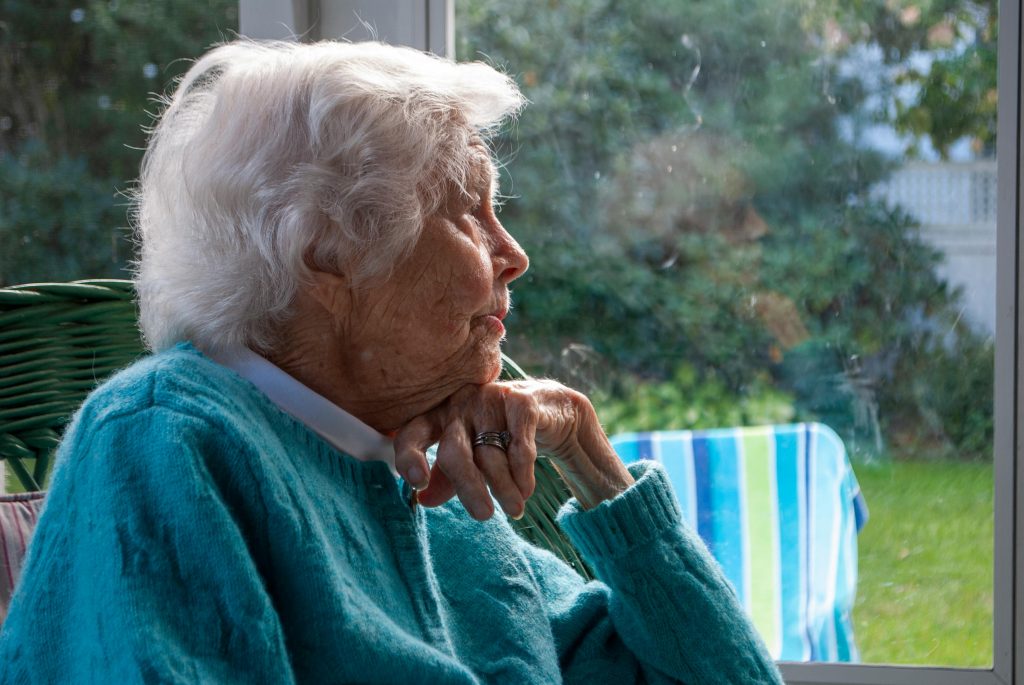
Many seniors find themselves reaching for a sweater while everyone else in the room is comfortable, or perhaps they stop feeling the “warning signs” of a hot summer day until they feel faint. This isn’t just a quirk of aging; it is a fundamental shift in Senior Thermoregulation. In our younger years, the body acts like a high-end climate control system, making micro-adjustments to blood flow and sweat production in milliseconds. As we age, that system begins to lose its precision. At geriatricrehab.es, we look past the surface complaint of “feeling chilly” to the biological stiffening of the vascular and neurological systems that keep us safe.
1. The Internal Thermostat
Thermoregulation is the body’s ability to maintain a core temperature of approximately 98.6°F, regardless of the environment. For seniors, this process becomes significantly more labored. Senior Thermoregulation is compromised by a combination of thinned skin, reduced metabolic rate, and a sluggish vascular response.
According to Geriatric Physical Therapy (2020), the “threshold” for triggering a thermal response—such as shivering to produce heat or sweating to dissipate it—shifts as we age. A younger person might start to sweat at a slight rise in temperature, whereas a senior’s body might wait until they are dangerously overheated before the cooling mechanisms kick in. This “delayed response” creates a dangerous window where the senior is vulnerable to environmental stress without even realizing it. At geriatricrehab.es, we emphasize that understanding this “Why” is the first step in preventing thermal-related hospitalizations.
2. The ‘Why It Matters’ Section: The Safety Anchor
Why is temperature control a priority for a physical therapist or a caregiver? It matters because thermal stress is a direct drain on a senior’s Physiological Reserve. When a senior is too cold, their muscles become “stiff” and less responsive, significantly increasing their risk of a fall. Conversely, if they are too hot, their heart must work exponentially harder to pump blood to the skin for cooling.
This decline drives the “Slippery Slope of Aging.” If a senior’s body is constantly fighting to maintain its core temperature, it has less energy available for walking, thinking, and healing. A “chilled” senior is a “stiff” senior; their gait becomes shorter, their reaction time slows, and their balance becomes precarious. By addressing the biological drivers of Senior Thermoregulation, we aren’t just making them “comfortable”—we are reinforcing their primary safety anchor.
3. Understanding Senior Thermoregulation through Vascular Rigidity
The core of our ability to regulate temperature lies in our blood vessels. To stay warm, our peripheral vessels must constrict (get smaller) to keep warm blood near the core. To cool down, they must dilate (get larger) to release heat through the skin.
For Professionals: The primary obstacle in Senior Thermoregulation is a loss of vasomotor compliance. As we age, the smooth muscle within the arterial walls undergoes structural stiffening. This makes it difficult for the body to achieve effective peripheral vasoconstriction in the cold. Furthermore, the autonomic nervous system’s signal to the vessels becomes “blunted,” leading to a reduced ability to shunt blood. This lack of flexibility increases the afterload on the heart during thermal stress, as the heart tries to pump through “non-compliant” pipes.
For Seniors and Caregivers: The “Rusty Radiator” Analogy
Imagine your body is like an old house with a central heating system. When the house was new, the thermostat worked perfectly, and the pipes were flexible. When it got cold outside, the system quickly sent hot water to every room.
However, aging causes Senior Thermoregulation to work like a “rusty radiator.” The pipes have become so stiff and “rusted” that the hot water (your blood) can’t easily travel to the “outer rooms”—your fingers and toes. Even if the furnace (your heart) is working hard, the stiff pipes prevent the heat from reaching where it’s needed most. This is why you feel the cold so deeply in your hands and feet; the “pipes” just aren’t as flexible as they used to be. At geriatricrehab.es, we use movement to act as a “biological softener” to help those pipes open up again.
4. How Physical Stress Theory Influences Senior Thermoregulation
At geriatricrehab.es, we use the Physical Stress Theory (PST) to explain that our “internal thermostat” requires a certain amount of challenge to stay functional. If a senior stays in a perfectly controlled 72°F environment year-round, their body loses the ability to adapt to changes.
- Death: This occurs during extreme thermal failure—hypothermia or heat stroke. Because of reduced Physiological Reserve, the “death zone” for a senior is much closer to their comfort zone than it is for a younger adult.
- Injury: This involves tissue damage from failed regulation, such as “core chilling”, where internal organs are stressed, or heat exhaustion, where the heart can no longer keep up with the cooling demand.
- Increased Tolerance (Training): Through gradual, safe exposure to varying temperatures and aerobic conditioning, we “soften” the vascular response. We are training the blood vessels to expand and contract again, improving their compliance.
- Maintenance: Staying in a climate-controlled room 24/7 is the “Maintenance” zone, but for seniors, this threshold is fragile. Without the occasional thermal challenge, the system slides into the next category.
- Decreased Tolerance (Atrophy): This is “thermal atrophy.” The sweat glands become less active, and the brain’s “shivering response” weakens. The body literally forgets how to protect its core temperature.
5. The Biological Mechanism: The Loss of the “Insulation Layer”
One of the most visible “Whys” behind Senior Thermoregulation changes is the structural thinning of the skin. As we age, we lose the very padding that keeps our heat inside.
For Professionals: Dermal atrophy and the loss of subcutaneous adipose tissue (fat) significantly reduce the body’s natural “R-value” or thermal resistance. Furthermore, there is a decline in shivering thermogenesis—the skeletal muscle’s ability to create heat through involuntary contraction. When you combine thinned insulation with a weaker furnace (reduced muscle mass), the senior becomes a “passive” radiator that loses heat to the environment rapidly.
For Seniors and Caregivers: The “Thin Blanket” Analogy
Imagine you are trying to sleep through a cold winter night. When you were younger, you had a heavy, thick down comforter that trapped all your body heat inside.
As you age, Senior Thermoregulation changes because that comforter has been replaced by a “thin sheet.” No matter how much you turn up the heat in the room, the heat from your body escapes right through that thin fabric. You don’t have the “insulation” you once did. This is why you feel the draft more than others; your “blanket” (your skin and fat layer) has simply thinned out over time. At geriatricrehab.es, we suggest using external layers to “replace” the insulation your body has lost.
6. Senior Thermoregulation and the Vascular Link
When the body gets too hot, the heart must work like a pump to send hot blood to the skin so the heat can escape. This is where cardiovascular “stiffness” becomes a safety issue.
For Professionals: In a heat-stress scenario, the heart must increase cardiac output by raising both heart rate and stroke volume. However, in seniors with left ventricular hypertrophy and reduced compliance of the aorta, the heart struggles to meet this demand. The increased afterload makes it difficult for the heart to “push” blood to the periphery. This is why heatwaves are so dangerous for seniors; their “stiff” heart and vessels cannot move the heat out fast enough, leading to core overheating.
For Seniors and Caregivers: The “Stiff Garden Hose” Analogy
Think of your heart as a pump and your blood vessels as a garden hose. When the hose is a “flexible elastic band,” it’s easy for the pump to push water all the way to the end of the yard to cool down the grass.
But with age, that hose becomes a “stiff garden hose.” It’s hard and brittle. When the sun gets hot, the pump has to work twice as hard to get the water through that stiff hose. Eventually, the pump (your heart) gets tired, and the water never reaches the end of the hose to cool things down. This is why seniors often feel faint in the heat; their “hoses” are too stiff to help them cool off.
7. The Professional Perspective: The ICF Framework and Environmental Hazards
At geriatricrehab.es, we use the International Classification of Functioning, Disability, and Health (ICF) Framework to understand how Senior Thermoregulation affects a patient’s ability to participate in life.
- Body Structures and Functions: We identify the thinned dermal layers, the loss of vasomotor compliance, and the reduction in sweat gland density. We also consider the cardiovascular afterload that increases during thermal stress.
- Activities: These structural changes lead to “Activity Limitations.” For example, a senior may avoid gardening in the summer or walking in the park during winter because their body can no longer “buffer” the outside temperature.
- Participation: Ultimately, this can result in social isolation. If a senior feels “unsafe” or “uncomfortable” in any environment that isn’t their living room, they stop engaging with the community.
Our role as Physical Therapists is to conduct “Environmental Audits” to ensure that the seniors’ surroundings are helping, not hindering, their “stiff” vascular system.
8. The Caregiver Corner: Monitoring the “Bounce Back” Factor
For caregivers, the most important metric is not the temperature on the wall, but the “Bounce Back” Factor of the senior’s body. This refers to how quickly they return to a normal state after a thermal challenge.
Practical Tips for Caregivers:
- The “Hand-Warmth” Audit: When a senior comes in from a cold walk, time how long it takes for their hands to feel warm again. If it takes more than 20 minutes, their vasomotor compliance is low, and their “rusty radiator” is struggling to move heat.
- The “Silent Overheat”: Because seniors often have a blunted “thirst” mechanism and reduced sweating, they may be overheating without feeling “hot.” Look for subtle signs: sudden confusion, increased heart rate, or a “flushed” face that doesn’t go away.
- The “Core Chill” Warning: If a senior begins to move more slowly or speaks with a slight slur after being in a drafty room, their core temperature may be dropping. Because they lack the “thin blanket” of insulation, they can lose core heat even in 65°F environments.
9. Therapeutic Intervention: Movement as a “Biological Softener” for the Thermostat
Can you “fix” a broken thermostat? In the human body, the answer is yes—through purposeful movement. Aerobic exercise acts as a “biological softener” for the very vessels that regulate temperature.
For Professionals: Regular aerobic conditioning improves endothelial function, which is the “Why” behind better temperature control. Exercise increases the bioavailability of nitric oxide, which restores compliance to the arterial walls. This allows for more efficient shunting of blood to the skin (for cooling) or to the core (for warming). Furthermore, strength training helps maintain muscle mass, which serves as the primary “furnace” for shivering thermogenesis.
For Seniors and Caregivers: Oiling the Vasomotor Tracks
Think of your blood vessels as a train track that helps move heat around your “city” (your body). Because of aging, the tracks have become “rusty” and “stiff,” making the heat-train move very slowly.
When you engage in the movement programs we design at geriatricrehab.es, you are essentially “oiling the tracks.” You are taking those “stiff garden hoses” and turning them back into “flexible elastic bands.” Movement forces the “pipes” to open and close, keeping them supple and ready to react when the weather changes. You aren’t just “walking”; you are maintaining your internal climate control system.
10. Conclusion: Reclaiming Your Internal Climate
The shift in how we experience heat and cold is a physiological reality, but it does not have to mean a loss of independence. Throughout this guide, we have explored the “Why” behind our changing internal thermostat—from the “rusty radiator” of our vascular system to the “thin blanket” of our aging skin. By recognizing that Senior Thermoregulation is fundamentally tied to the compliance of our blood vessels, we can see aerobic exercise and strength training as a powerful “biological softener” for our thermal health.
By applying the principles of the Physical Stress Theory, we move away from the dangerous atrophy of a perfectly climate-controlled life and towards the “Increased Tolerance” zone. We cannot stop the biological clock, but we can keep our “pipes” flexible and our “furnace” (muscle mass) strong. At geriatricrehab.es, our goal is to help you maintain your internal resilience, ensuring you can enjoy the outdoors—and your own home—regardless of the season.
Is your internal thermostat leaving you out in the cold? Your body is adaptive, and it is never too late to start the “softening” process for your vascular system. Schedule a Comprehensive Resilience and Mobility Audit at geriatricrehab.es today. Our expert team will help you assess your vascular compliance, check your physiological reserve, and create a personalized, evidence-based plan to keep your internal climate stable and safe. Consult a specialist today at geriatricrehab.es and let’s keep your furnace burning bright together.













