
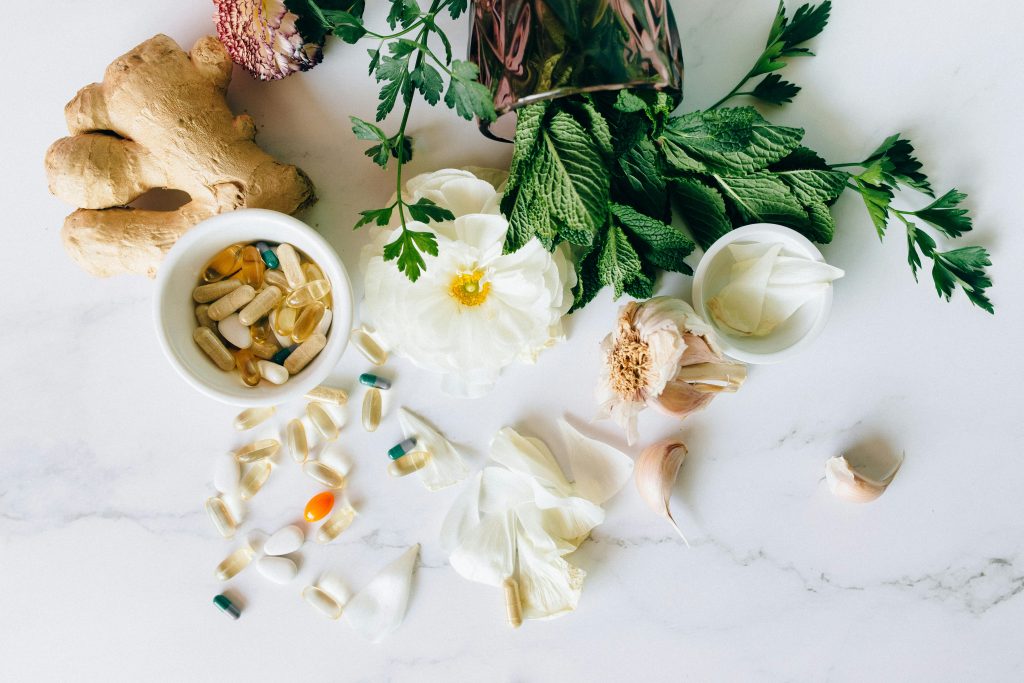
In the pursuit of “Optimal Aging,” many seniors turn to the aisles of health food stores, seeking a “natural” way to bolster their vitality. In the clinical world of geriatric rehabilitation, we often see patients who view senior supplements as inherently safer than prescription drugs. However, according to the principles of Geriatric Physical Therapy (2020), we must challenge this “natural myth.”
1. The “Natural” Myth and the Slippery Slope of Aging
In the pursuit of “Optimal Aging,” many seniors turn to the aisles of health food stores, seeking a “natural” way to bolster their vitality. In the clinical world of geriatric rehabilitation, we often see patients who view senior supplements as inherently safer than prescription drugs. However, according to the principles of Geriatric Physical Therapy (2020), we must challenge this “natural myth.”
As we age, we experience a gradual decline in our Physiological Reserve—the extra capacity our organs have to handle stressors, including chemical substances. On the “Slippery Slope of Aging,” the margin between being functionally independent and becoming frail is razor-thin. A “natural” herbal pill can be the very thing that nudges a senior toward a fall. For the allied health professional, it is our responsibility to explain that “natural” does not mean “inert.” These substances possess potent biochemical properties that can either support the ICF Framework goals of body structure and function or, if mismanaged, undermine the patient’s stability and safety.
2. Geriatric Pharmacokinetics: Why Senior Supplements “Linger”
For the allied health professional, the danger of senior supplements is found in the changing world of pharmacokinetics. We must understand that a vitamin dose that was perfectly safe at age 40 can become toxic at age 80 due to three primary shifts:
- First-Pass Metabolism: With age, hepatic blood flow decreases. This means the liver is less efficient at the initial breakdown of substances. More of the active supplement enters the systemic circulation than intended.
- Volume of Distribution (Vd): Seniors typically have higher body fat and lower total body water. Fat-soluble supplements (like Vitamin D or Vitamin E) have an increased Vd, meaning they “hide” in fatty tissue and have a significantly extended half-life.
- Renal Clearance: Reduced kidney filtration means these substances stay in the bloodstream longer, increasing the risk of accumulation.
For the Seniors: You might find that a supplement you’ve taken for years suddenly leaves you with “the feelings” of a cloudy head, unexplained fatigue, or a “heavy” stomach. This isn’t just “getting older”; it’s your body’s internal filter slowing down. The pill that used to leave your system by lunch might now be hanging around until dinner, interfering with your balance and energy.
3. Bone Health Trio: Calcium, Vitamin D, and Magnesium
Bone mineral density is a primary concern in geriatric PT to prevent fragility fractures. However, the “mineral loading” of senior supplements requires careful observation.
- Calcium: While vital for bones, excessive calcium in an older system can lead to constipation and may contribute to arterial calcification.
- Vitamin D: This “master hormone” is essential for muscle strength and fall prevention. Yet, because it is fat-soluble, toxicity can lead to hypercalcemia.
- Magnesium: Often taken for muscle cramps, it can interact with blood pressure medications, leading to a “crash” in energy.
Caregiver Observation: The “Mineral Load” Checklist
If your loved one has started new bone-building supplements, watch for these 5 signs of a negative reaction:
- Sudden Constipation: A common sign of too much calcium.
- Increased Thirst/Urination: This can be an early warning sign of hypercalcemia (too much calcium in the blood).
- The “Lethargic Lean”: Are they suddenly slouching or appearing weaker during their daily walk?
- Upset Stomach: Nausea or “tummy aches” shortly after taking their vitamins.
- New Muscle Twitches: Ironically, an imbalance in minerals can cause the very cramps they are trying to fix.
Take-Home Tip for Caregivers: Always check the “Total Daily Value.” If your loved one eats a lot of dairy and takes a high-dose calcium pill, they might be over the safety limit.
4. The “Big Three” Interactions: Warfarin, St. John’s Wort, and Vitamin E in Senior Supplements
In the world of allied health, we must view senior supplements through the lens of potential chemical conflict. Certain herbals are notorious for altering the half-life of life-saving prescriptions, either by accelerating their clearance or inhibiting their breakdown.
- Anticoagulant Conflict: For seniors on Warfarin or Eliquis, the introduction of Vitamin E or Ginkgo Biloba is a high-risk move. These supplements possess natural anti-platelet properties. When combined with prescription thinners, they don’t just “help the heart”—they dangerously thin the blood, leading to high-risk internal bleeding.
- The Enzyme Disruptor: St. John’s Wort is a classic “Red Flag” in geriatric medicine. It is a potent inducer of liver enzymes, which can effectively “wash out” other medications before they can work. This can lead to a sudden failure in blood pressure control or a spike in cholesterol because the prescription was metabolized too quickly.
- Vitamin E & Tissue Integrity: While often touted for skin and heart health, high doses of Vitamin E can interfere with Vitamin K activity, directly impacting the body’s ability to clot and repair tissue after a minor bump or bruise.
Caregiver Observation: The “Invisible Bleed” Checklist
If your loved one is on a blood thinner and takes herbals, watch for these subtle signs:
- Gingival Bleeding: Do their gums bleed excessively during routine brushing?
- Unexplained Petechiae: Look for tiny, red pinpoint spots on the shins or forearms that don’t blanch when pressed.
- The “Slow-Healing” Nick: Does a minor paper cut or shaving nick take more than 10 minutes to stop bleeding?
- Dark Stools: A sudden change to tarry or very dark bowel movements can indicate internal GI bleeding.
- New, Deep Bruising: Purple or blue marks appearing in areas where they haven’t had a known bump or fall.
5. Managing the “Dizzy Pivot”: Supplements and Orthostatic Hypotension
One of the most dangerous “feelings” for a senior is the loss of postural stability. Many herbals used to “naturally” lower blood pressure—such as Garlic, Hawthorn, and Omega-3s—act as mild vasodilators. While beneficial in isolation, they can be the tipping point when added to a prescribed antihypertensive regimen.
For the Seniors: This manifests as “that dizzy feeling when you stand up too fast from the couch.” Normally, your blood vessels “squeeze” to push blood up to your brain when you stand. Certain senior supplements can make those vessels stay too relaxed. When you pivot or stand, the blood stays in your legs, your brain is momentarily starved of oxygen, and you feel like the room is spinning. If you’ve added a new herbal tea or garlic pill and suddenly feel “lightheaded” in the morning, your “natural” remedy might be putting you at risk of a fall.
6. Joint Support and PT Outcomes: Turmeric, Glucosamine, and Fish Oil
From the perspective of the ICF Framework, we want to support “Body Structure and Function” to improve “Activity.” Many patients use supplements to manage the “Healing Brake” of inflammation.
- Turmeric (Curcumin): A powerful anti-inflammatory that works by inhibiting the COX-2 enzyme, similar to some prescription NSAIDs. For the PT, it is important to note if a patient is taking high-dose Turmeric, as it can mask the pain signals we use to gauge exercise intensity.
- Fish Oil (Omega-3): Essential for reducing systemic inflammation and supporting joint lubrication. However, because it affects platelet aggregation, it must be monitored for its blood-thinning potential.
- Glucosamine/Chondroitin: While popular for cartilage health, it takes 4 to 6 weeks to show effect. Seniors with shellfish allergies or those on insulin should be cautious, as it can occasionally cause minor spikes in blood glucose levels.
7. The Story of Mrs. B: A Case Study in the “Herbal Cascade”
To understand the risks of self-prescribing “natural” remedies, we must look at the Prescribing Cascade. In geriatric care, this occurs when a side effect of a supplement is mistaken for a new medical condition, leading to unnecessary prescriptions and a decline in the patient’s Physiological Reserve.
The Case of Mrs. B: Mrs. B, a 79-year-old retired librarian, was active in her garden but worried about her “fading memory.” Without consulting her doctor, she began taking a high-dose Ginkgo Biloba supplement she found at a health store.
- The Reaction: Ginkgo is a potent vasodilator. Within a week, Mrs. B began experiencing “that dizzy feeling” every time she stood up to reach for a book.
- The Mistake: She visited her primary doctor, but because she viewed the Ginkgo as “just a herb,” she didn’t mention it. The doctor, seeing her low blood pressure and hearing about her dizziness, suspected a heart rhythm issue and prescribed a medication to stabilize her heart rate.
- The Side Effect: This new medication caused her to feel lethargic and “heavy-legged.” To combat the fatigue, she started drinking more caffeinated herbal teas, which led to nighttime anxiety and insomnia.
- The Final Step: Her doctor then prescribed a mild sedative to help her sleep.
The Result: Mrs. B was now on two powerful prescriptions to treat side effects that started with a single “natural” memory pill. One night, while getting up to use the bathroom, the combination of the sedative and the “dizzy feeling” from the Ginkgo caused her to lose her balance. She suffered a hairline hip fracture. It was only during her PT medication screening at the hospital that the therapist asked to see her “Brown Bag” of bottles and discovered the Ginkgo Biloba was the root of the entire cascade. By stopping the Ginkgo, her blood pressure stabilized, and she was eventually able to taper off the other medications.
8. Cognitive Boosters or Barriers? Ginkgo, B12, and the Beers Criteria for Senior Supplements
For the Allied Health Professional, evaluating “brain boosters” requires a strict cross-reference with the Beers Criteria. While some senior supplements like Vitamin B12 are clinically necessary for nerve health, others can act as cognitive barriers.
- Ginkgo & Bleeding Risk: Beyond dizziness, Ginkgo’s antiplatelet effect is a significant concern during the “Skin Audit” of a senior.
- Vitamin B12: Essential for seniors because first-pass metabolism and stomach acid changes often lead to poor B12 absorption. A deficiency can mimic dementia or cause peripheral neuropathy (numbness in the feet), which directly impacts gait and balance.
- Valerian Root & Melatonin: Often used for sleep, these can stay in an older person’s system far longer due to an increased Volume of Distribution (Vd). This results in “morning grogginess,” which the Beers Criteria flags as a primary driver of morning falls.
Caregiver Observation: The “Brain Fog” Checklist
Is it age, or is it the supplements? Watch for these 5 signs:
- Morning “Hangover”: They are difficult to wake up or seem “drunk” for the first hour of the day.
- Sudden Word-Finding Issues: They are struggling to find common words shortly after starting a new herb.
- The “Blank Stare”: They seem to “lose the thread” of a conversation more frequently.
- Balance Shifts: A sudden increase in “near-miss” stumbles in the hallway.
- Vivid Dreams: New, disturbing, or very intense dreams can be a side effect of herbs like Melatonin.
9. The “Brown Bag” Protocol: Organizing the Supplement Station
The safest way to manage senior supplements is through the “Brown Bag” protocol. This is a functional intervention where the senior or caregiver brings every bottle—not just prescriptions—to every medical and PT appointment.
- Reconciliation: The PT or doctor compares the supplements against prescriptions to check for “doubling up.” For example, a senior might be taking a “Joint Formula” that contains Manganese, while also taking a multivitamin with Manganese, leading to mineral toxicity.
- Habit Stacking: To ensure safety, use “environmental cueing.” If a supplement must be taken with food, place the bottle inside the refrigerator next to the milk or on the dining table.
- The “Yellow Card” System: Keep a master list of all supplements, including the dosage and why it is being taken. If a senior can’t explain why they are taking a pill, it’s time for a professional review.
10. Conclusion: Navigating Optimal Aging with Transparency
The journey toward “Optimal Aging” is not a solitary one; it requires a collaborative triad consisting of the senior, the caregiver, and the professional. As we have explored, senior supplements are powerful biochemical tools that can either stabilize a patient’s Physiological Reserve or inadvertently push them down the “Slippery Slope of Aging.” By moving away from the “natural equals safe” myth and embracing the “Brown Bag” protocol, we can ensure that every vitamin and herb in the cabinet is working for the patient’s mobility rather than against their stability. For the senior, this means being vocal about your “feelings”—reporting that dizzy pivot or the morning fog. For the caregiver, it means being the expert observer of behavioral shifts. And for the allied health professional, it means treating every herbal pill with the same pharmacokinetic scrutiny as a prescription drug.
When we align our chemical intake with our physical goals, the path to recovery becomes clearer. We can manage the “Healing Brake” of inflammation, support bone density, and maintain the cognitive sharpness required for high-level motor learning in physical therapy.
Are your vitamins helping or hurting? Don’t leave your safety to chance. Bring your “brown bag” of all vitamins and herbs to your next session, or consult with our experts at geriatricrehab.es to ensure your supplement routine is a safe and effective part of your path to recovery.













