
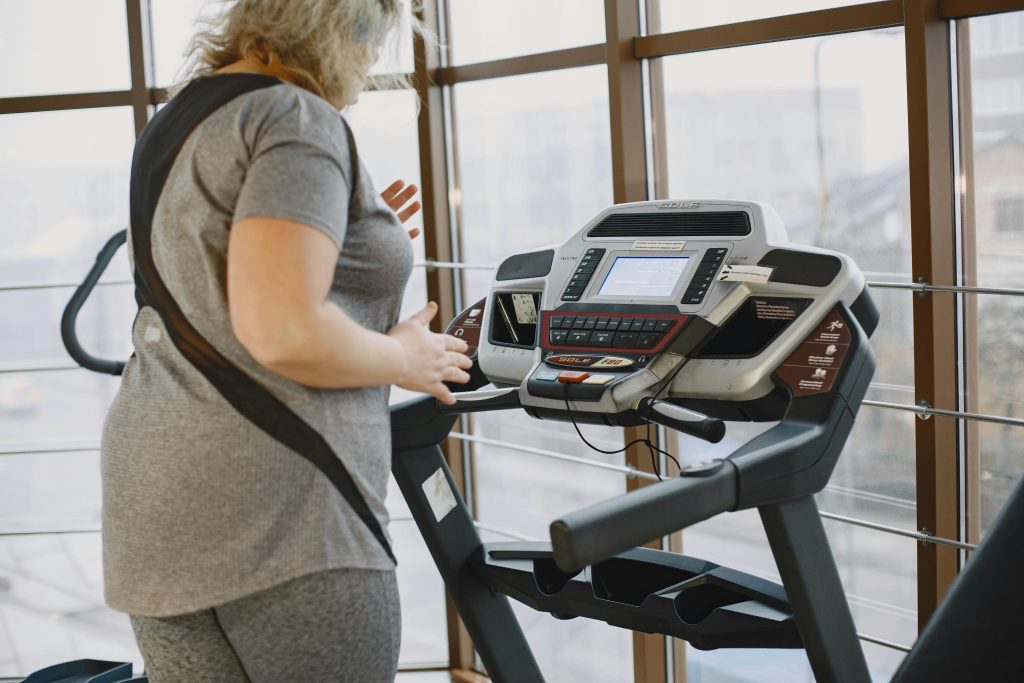
In the clinical framework of geriatric rehabilitation, we often discuss the body as a machine, focusing on joint integrity and muscle torque. However, the most profound impact of movement may actually occur above the neck. As we navigate the Slippery Slope of Aging, our Physiological Reserve isn’t just a measure of lung capacity or leg strength; it is a measure of cognitive resilience. Emerging evidence suggests that Exercise for Dementia Prevention is perhaps the most potent non-pharmacological intervention available today. By understanding how physical activity reshapes the brain’s architecture, we can help seniors add years of clarity to their lives and life to their years.
1. The Neuroplasticity of Movement
In the clinical framework of Geriatric Physical Therapy (2020), we visualize the senior’s health as a journey along the Slippery Slope of Aging. While many focus on the physical descent—the loss of muscle mass or joint mobility—there is a parallel “Cognitive Slope.” As we age, our Physiological Reserve in the brain, often termed the “Cognitive Reserve,” can begin to thin. This thinning manifests as slower processing speeds, “tip-of-the-tongue” forgetfulness, and a reduced ability to handle complex tasks.
For the senior, exercise is the fuel that adds years to your life and, more importantly, life to your years. We call this Vigor. It is the vitality that allows you to follow a complex recipe, remember a neighbor’s name, and engage in stimulating conversation. Movement is not just about the muscles; it is a biological message to the brain that it needs to remain sharp, resilient, and adaptive. By prioritizing movement, you are effectively “refilling” your mental tank, ensuring that your mind remains as active as your body.
2. The Science of Exercise for Dementia Prevention
From a Professional Perspective, the most exciting development in geriatric science is the discovery of Brain-Derived Neurotrophic Factor (BDNF). Often referred to as “Miracle-Gro for the brain,” BDNF is a protein produced during aerobic activity that supports the survival of existing neurons and encourages the growth of new ones. This is a primary mechanism in Exercise for Dementia Prevention.
When we apply the SAID Principle (Specific Adaptation to Imposed Demands) to the brain, we see that rhythmic, aerobic movement specifically targets the hippocampus—the region responsible for verbal memory and learning. In seniors, the hippocampus typically shrinks by 1% to 2% per year. However, clinical trials have shown that regular aerobic exercise can actually increase hippocampal volume, effectively reversing one to two years of age-related atrophy. This structural “reinforcement” is what allows a senior to maintain their Vigor even in the face of aging.
3. Cardiovascular Health and Cerebral Perfusion
The brain is a metabolic glutton; while it only accounts for 2% of your body weight, it consumes 20% of your oxygen supply. Therefore, the Exercise Dose-Response for the brain is heavily dependent on the health of the heart. To keep the brain “fed,” we must maintain optimal cerebral perfusion—the steady flow of blood to the neural tissues.
- Pulse Pressure: Aerobic exercise improves the elasticity of the carotid arteries, ensuring that the “pulse” of blood reaches the brain without being so forceful that it damages delicate capillaries.
- Capillary Density: Consistent movement increases the density of the microvascular network in the brain, ensuring that even the deepest regions of the “white matter” receive adequate nutrients.
Take-Home Tip for Caregivers (The Dose Detective): If you notice your loved one experiencing increased “brain fog” or confusion in the late afternoon, it may be a sign of reduced cerebral perfusion. A short, 10-minute “Vigor Walk” can act as a natural stimulant, clearing the “fog” by increasing blood flow and oxygenation to the prefrontal cortex. Never underestimate the power of a quick transition from the chair to the sidewalk to “reset” the mind.
4. Functional Training: The Cognitive-Motor Functional Audit
In the field of geriatric rehabilitation, we move beyond simple movement to “Cognitive-Motor Coupling.” To apply the SAID Principle effectively, we must recognize that daily life is a “dual-task” environment. You rarely just walk; you walk while looking for your keys or talking to a friend. When cognitive health declines, the brain “steals” resources from the motor system to think, which is why seniors with cognitive impairment are at a significantly higher risk for falls.
Functional Audit: Mapping Cognitive Demands to Movement
- Stepping Over A Bathtub: Use High Marches while naming categories. Improves “toe clearance” while training the prefrontal cortex to manage two streams of data.
- Reaching For A High Shelf: Use Wall Slides with visual scanning. Improves shoulder mobility while training the eyes to filter out visual “clutter.”
- Getting Up From A Low Couch: Use Sit-to-Stands with a countdown. Builds glute power while training the brain to maintain postural control during an external stimulus.
- Walking To The Mailbox: Use Interval Walking while counting backward. Imposes a high cognitive demand on the cardiovascular system to ensure a safe gait speed during social interaction.
5. Intensity and the Brain: The Exercise for Dementia Prevention Dose-Response
If consistency is the foundation, intensity is the “neuro-chemical engine” of Exercise for Dementia Prevention. For the Allied Health Professional, we must titrate the intensity to trigger the release of BDNF. There is a profound physiological difference in the “Cognitive Message” sent at different heart rate reserves (HRR):
- The 40% Dose (Low Intensity): This level—such as a slow stroll—primarily manages blood sugar and joint lubrication. While beneficial for mood, it rarely creates the “stress” needed to trigger significant neurogenesis.
- The 85% Dose (High Intensity): This is the Vigor zone. High-intensity intervals (HIIT) have been shown to spike BDNF levels significantly higher than steady-state exercise. It creates a temporary “metabolic crisis” that forces the brain to upregulate its protective and repair mechanisms.
Professional Perspective: When applying the SAID Principle to cognition, we must find the “Sweet Spot.” If the intensity is too high, the senior may experience “Cognitive Fatigue,” leading to a higher fall risk. We aim for a “somewhat hard” RPE of 13–15 to ensure the brain is being challenged without being overwhelmed.
6. Overcoming the “Brain Fog”: Navigating Mental Lethargy
For many seniors, the biggest barrier to Exercise for Dementia Prevention is not physical pain, but a “heavy head” feeling—the mental lethargy that accompanies cognitive decline. This “Brain Fog” can make a 10-minute walk feel like a marathon.
- Addressing the “Heavy Head”: We teach seniors that this feeling is often a symptom of low cerebral blood flow. Movement is the “washout” mechanism that clears metabolic waste from the brain.
- Environmental Priming: For caregivers, the brain can be “primed” for movement using cues. Setting out walking shoes or playing upbeat music from the senior’s youth can trigger the motor cortex before the first step is even taken.
- The 5-Minute Win: If the fog is thick, don’t ask for 30 minutes. Ask for 5. Usually, once the heart rate climbs and the “fuel” reaches the brain, the fog lifts, and the Vigor returns.
7. Pharmacokinetics and Cognitive Clarity
For the Allied Health Professional, understanding the link between Exercise for Dementia Prevention and medication is vital. As we age, changes in the Volume of Distribution (Vd) and organ clearance mean that drugs intended to help the mind can sometimes cloud it.
- Volume of Distribution (Vd): In seniors, the increase in adipose tissue and decrease in total body water can cause lipophilic (fat-soluble) medications to linger. This can extend the half-life of certain psychotropic drugs, leading to a “hangover effect” that mimics dementia.
- Metabolic Washout: Exercise increases systemic circulation and hepatic blood flow. This “dose” of movement acts as a natural accelerator for drug metabolism, helping to clear out chemical byproducts that contribute to the “heavy head” feeling.
- The “Dizzy Pivot” and Cognitive Meds: Medications for memory (like cholinesterase inhibitors) can sometimes affect heart rate. When a senior transitions from sitting to standing quickly—the “Dizzy Pivot”—the brain may experience a temporary drop in oxygen, causing a moment of profound confusion.
8. The Story of Mrs. H: A Case Study in Cognitive Resilience
Mrs. H, a 76-year-old retired librarian, was beginning to slide down the “Cognitive Slope.” She was diagnosed with Mild Cognitive Impairment (MCI) and reported that she felt “stuck” in her own home, unable to remember why she walked into a room. Her Physiological Reserve was depleting, and she had begun to withdraw from her book club out of embarrassment.
The Intervention: Instead of a sedentary “brain games” approach, we prescribed a high-intensity interval walking program. We applied the SAID Principle: to improve her memory, we had to “impose a demand” on her heart.
- The Dose: We pushed her to 75\% of her heart rate reserve (HRR) for three-minute bursts. During the “rest” periods, we had her name as many authors as she could.
- The Result: Within eight weeks, Mrs. H reported that the “fog” had lifted. Her scores on cognitive screening tests improved, but more importantly, her Vigor returned. She rejoined her book club, proving that you can “refill” your cognitive tank even after a diagnosis has been made.
9. The Beers Criteria: Medications that Mimic Dementia
For caregivers, it is essential to distinguish between a permanent cognitive decline and a “chemical fog.” The Beers Criteria provides a list of medications that are potentially inappropriate for seniors because they significantly impair brain function.
- Anticholinergics: Many over-the-counter sleep aids and bladder medications block acetylcholine, a neurotransmitter vital for memory. For a senior, taking these is like throwing a blanket over their Vigor.
- Benzodiazepines: Often prescribed for anxiety, these can stay in a senior’s system for days, causing “pseudo-dementia” and doubling the risk of a fall.
- The Medication Audit: If a loved one’s memory worsens suddenly, look at their pillbox before assuming the worst. Movement can often offset the need for high doses of these “brain-clouding” medications.
Caregiver Focus: Be a “Dose Detective.” If your loved one seems more confused after starting a new pill, advocate for a review. Often, a higher “dose” of Exercise for Dementia Prevention allows for a lower dose of problematic medications.
10. Conclusion: The Future of Exercise for Dementia Prevention
To truly harness Exercise for Dementia Prevention, we must transition from “moving more” to “moving with intention.” The relationship between movement and the mind is a delicate Dose-Response equation. While low-level activity provides basic health maintenance, we need the higher-intensity “Growth Dose” to trigger the neuroplastic changes that keep the brain resilient.
- The 40% Dose (Maintenance): Activities like slow walking or light gardening. These are excellent for reducing cortisol and improving basic circulation, but they serve primarily to keep you on the “Slippery Slope” rather than pushing you back up.
- The 85% Dose (Neuro-Refill): This is where the SAID Principle truly shines. By reaching higher intensities, you trigger the release of BDNF, providing the “fuel” for new synaptic connections and structural brain growth.
Caregiver Focus: The Safety Spotter’s Guide
When introducing cognitive-motor or high-intensity exercises, the caregiver’s role shifts from “encourager” to “safety spotter.” Cognitive tasks can distract a senior from their physical environment, increasing the risk of a fall.
- The “Cognitive Buffer” Assist: If your loved one is performing a dual-task (like walking while counting), stay within arm’s reach. If you notice their gait becomes unsteady or “staccato,” pause the cognitive task and focus purely on the movement until they stabilize.
- The Back-Safe Transition: When assisting with a “Vigor-based” sit-to-stand, do not pull on their arms. Stand with a wide base, knees slightly bent, and have them lean “nose over toes.” Provide a gentle lift from the hips or a gait belt to ensure their center of gravity stays balanced.
- The “Dizzy” Check: Always ask, “How clear is your head?” immediately after a transition. If they feel a “Dizzy Pivot,” have them pause and perform five deep breaths to re-oxygenate the brain.
Movement is the most powerful “brain pill” we have. By treating every walk and every lift as an investment in your mental clarity, you ensure that your Vigor remains high for years to come.
Are you ready to clear the fog and protect your memory? Don’t wait for the slide to accelerate. Schedule a comprehensive “Cognitive-Motor Audit” with our clinical team at geriatricrehab.es today and learn how to move for your mind.













