
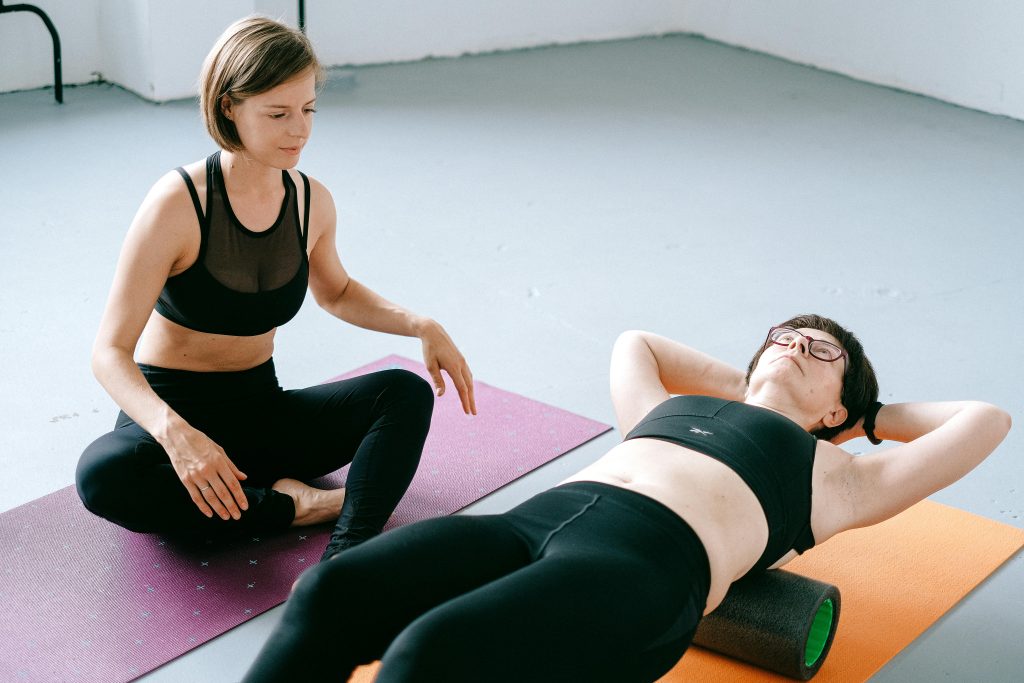
In the world of geriatric rehabilitation, a prescription is only as powerful as the patient’s willingness to “take” it. At geriatricrehab.es, we recognize that a Home Exercise Program (HEP) is not just a list of movements; it is the vital “fuel” that adds years to a patient’s life and, more importantly, life to their years. When we view exercise as medicine, we realize that the clinic is merely the pharmacy where the prescription is written; the home is where the healing actually occurs. However, data suggest that adherence rates for traditional home programs are alarmingly low, often because they fail to account for the “Slippery Slope of Frailty.” By applying the principles of Geriatric Physical Therapy (2020), we can design programs that restore Vigor, leverage clinical evidence, and transform the domestic environment into a sanctuary of functional independence.
1. The Prescription That Stays in the Bottle
The “Adherence Gap” is one of the most significant challenges in modern physical therapy. We spend hours analyzing gait, measuring range of motion, and fine-tuning manual interventions, only to hand the patient a photocopied sheet of paper that eventually finds its way to the bottom of a drawer. For a senior, a poorly designed Home Exercise Program can feel like an overwhelming medical chore rather than a pathway to freedom.
To bridge this gap, we must adopt an “Exercise is Medicine” mindset. Every repetition prescribed is a “dose” intended to trigger a specific biological response. If the dose is too low (lacking intensity), the patient sees no results and loses motivation. If the dose is too high or poorly explained, the patient fears injury and stops altogether. A successful program must be rooted in the patient’s daily life, addressing the “Why” behind the movement. We aren’t just prescribing “3 sets of 10” ankle pumps; we are prescribing the ability to walk to the mailbox without pain. This shift from deficit-based to goal-based programming is the first step in reclaiming a patient’s Vigor.
2. The ‘Feelings’ Section: From “Overwhelmed” to “Capable”
The transition from a supervised clinical environment to an unsupervised home setting can be psychologically jarring for an older adult.
For Seniors: Reclaiming Your Vigor
- The “Medical Chore” Burden: Many seniors view their exercises as another pill to swallow. This “chore” mindset saps the joy out of movement and makes the Slippery Slope feel steeper than it is.
- The Fog of Complexity: When a program has too many steps or requires complex equipment, it creates a sense of “I can’t do this.” This lack of confidence is a major barrier to Vigor.
- The Feeling of Success: A well-designed program provides “quick wins.” When you feel your legs getting stronger during a simple chair stand, that feeling of capability is the “fuel” that drives you to do it again tomorrow.
- Autonomy as Fuel: There is a profound emotional lift that comes from knowing you can manage your own health. Your Home Exercise Program is your toolkit for staying off the slope and maintaining the energy needed to engage with your family and hobbies.
3. Clinical Barriers to a Successful Home Exercise Program
For the allied health professional, understanding why a Home Exercise Program fails is as important as knowing which muscles to target. Geriatric Physical Therapy (2020) emphasizes that cognitive load and self-efficacy are primary drivers of adherence.
For Professionals: The Pathophysiology of Non-Adherence
- Cognitive Load and Health Literacy: Geriatric patients often deal with multiple comorbidities and complex medication schedules. Adding a 10-exercise HEP can lead to “decision fatigue.” We must prioritize the “Vital Few” movements over the “Useful Many.”
- The Self-Efficacy Trap: If a patient does not believe they can safely perform an exercise at home, they simply won’t. This is often due to a lack of “Mastery Experiences” during the clinical session. We must ensure the patient can perform every home movement with 100% confidence before they leave the clinic.
- Environmental Mismatch: A barrier often overlooked is the “clinical-to-home” translation. If we train a patient on a high-tech leg press but they don’t have a sturdy chair at home, the program breaks down. The SAID Principle (Specific Adaptation to Imposed Demands) dictates that we must train the patient in the environment where they will actually perform.
- The “Silent” Medication Cascade: Patients may stop their HEP because of “new pain,” which is actually a side effect of a new medication rather than the exercise itself. Conversely, if we don’t prescribe enough intensity, the patient remains in chronic pain, leading to a cascade of analgesics that causes dizziness and further inactivity.
Take-Home Tips for Caregivers:
- The “Mastery” Check: Instead of asking “Did you do your exercises?”, ask “Which exercise felt the easiest today?” This focuses on capability rather than compliance.
- Clear the Runway: Help your loved one identify a “dedicated space” for their program—somewhere with a sturdy chair and no trip hazards. This reduces the cognitive effort of “getting started.”
- The “Three-Exercise” Rule: If the program feels too long, talk to the therapist about focusing on the top three most important movements for that day. Quality always beats quantity on the Slippery Slope.
4. The SAID Principle in the Living Room
For the clinician, the SAID Principle (Specific Adaptation to Imposed Demands) is the cornerstone of any Home Exercise Program. However, this principle is often lost in translation when a patient moves from the clinic to the home. If we want a patient to improve their ability to climb stairs, the home program must impose a demand that mimics that specific task.
For Professionals: Prescribing for Adaptation
- Avoiding the “Sub-therapeutic” Trap: Many home programs fail because the demand is too low. If a patient is simply “going through the motions” without reaching a threshold of fatigue or challenge, the body will not adapt. We must prescribe movements that challenge the patient’s current functional limit.
- Environmental Specificity: We must audit the patient’s home environment (even virtually). Is the “sturdy chair” they are using too low? Is the carpet too plush for safe balance drills? The Home Exercise Program must be calibrated to these specific demands to ensure the adaptation is useful in their daily life.
- The “Power” Component: Most HEPs focus on strength, but as noted in Geriatric Physical Therapy (2020), Power (force x velocity) is more critical for preventing falls. We must include “fast” versions of home movements, such as a rapid sit-to-stand, to train the nervous system for real-world recovery.
5. The Functional Audit: Personalizing the Prescription
This identifies the movements a senior must do every day and turns them into the movements they practice in their Home Exercise Program.
- Task: Stepping over a high bathtub or a doorway.
- The Demand: Single-leg balance and hip flexor strength.
- The Home Solution: Hallway Marches. Use the narrow walls of a hallway as a “safety rail” while performing high-knee marches. This trains the hip flexors in the exact environment where balance is most needed.
- Task: Reaching for a dish on a high kitchen shelf.
- The Demand: Shoulder range of motion and core stability.
- The Home Solution: Countertop “Wall Slides.” Use the smooth surface of a kitchen door or wall to slide the hands up and down, focusing on keeping the “ribs tucked” to engage the core.
- Task: Rising from a low toilet seat or a soft sofa.
- The Demand: Eccentric quadriceps control (the ability to lower yourself slowly).
- The Home Solution: “Hover” Squats. Using a sturdy dining chair, the patient lowers themselves until their tailbone just grazes the seat, then they stand back up without fully sitting. This builds the “Vigor” needed for those difficult “low” seats.
- Task: Carrying a laundry basket through the house.
- The Demand: Grip strength and upright postural endurance.
- The Home Solution: “Suitcase Carries” with a Milk Jug. Fill a milk jug halfway with water and walk the length of the hallway, focusing on keeping the shoulders level.
6. Manage Intensity in a Home Exercise Program
In the “Exercise is Medicine” framework, the “dose” is determined by intensity. A major failure of most home programs is the lack of guidance on how hard to work. For the allied health professional, this is the 40% vs. 85% conversation.
For Professionals: Dose-Response at Home
- The 40% HRR Dose (The “Maintenance” Zone): This intensity is safe and keeps the joints moving. It prevents the Slippery Slope from getting steeper, but rarely helps a patient climb back up. Most seniors default to this zone because it feels “safe.”
- The 85% HRR Dose (The “Vigor” Zone): To trigger mitochondrial biogenesis and significant cardiovascular gains, the patient needs “bursts” of 80-85% Heart Rate Reserve. In a Home Exercise Program, this can be achieved safely through “Intervals”—for example, 30 seconds of rapid stepping followed by 90 seconds of rest.
- The RPE Bridge: Since many seniors are on medications that blunt heart rate (like Beta-Blockers), we must teach the Rate of Perceived Exertion (RPE). An 85% intensity should feel like an 8 or 9 out of 10. If the patient is “coasting” at a 4, their “medicine” isn’t working.
Take-Home Tips for Caregivers:
- The “Conversation Test”: If your loved one is supposed to be doing a “high-intensity” interval, they should only be able to say one or two words. If they can tell you a full story, the intensity is too low for the “Vigor” response.
- Safety Spotter’s Guide for Intensity: During high-intensity bursts, stand slightly behind and to the side. Do not touch them unless necessary, as this can interfere with their own balance adaptation, but be ready to provide a “Stability Shield” at the hips if they wobble.
- Watch the “Form Collapse”: Intensity is good, but not at the expense of safety. If you see their knees “caving in” during a squat, it’s time to end that set and rest.
7. The “Medication Cascade” and Exercise Adherence
In geriatric medicine, we often see the “Medication Cascade”—a phenomenon where the side effects of one drug are misdiagnosed as a new medical condition, leading to further prescriptions. A structured Home Exercise Program serves as a primary non-pharmacological intervention to break this cycle.
For Professionals: Exercise as a Polypharmacy Intervention
- The Analgesic Effect: Chronic stiffness often leads to a reliance on NSAIDs or opioids. By prescribing home-based mobility drills that improve synovial fluid flow, we provide a natural “WD-40” for the joints, often allowing for a physician-supervised reduction in pain medication.
- The Dizziness Loop: Many blood pressure medications cause orthostatic hypotension (dizziness upon standing). If a patient is deconditioned, this dizziness increases fall risk. A HEP that focuses on “lower-extremity muscle pumping” improves venous return, stabilizing blood pressure and potentially reducing the need for aggressive dosage escalations.
- Psychological “Vigor”: Depression and anxiety in seniors are frequently treated with sedatives that further increase fall risk. Achieving milestones in a home program releases endogenous dopamine and serotonin, providing a “mood dose” that supports mental health without the sedative side effects.
8. The Caregiver Corner: The “Safety Spotter’s Guide” to HEP Support
As a caregiver, you are the “Clinical Assistant” in the home. Your role is to facilitate the Home Exercise Program without causing injury to yourself or your loved one. High-intensity exercises like rapid sit-to-stands require a specific “Spotting” technique.
The “Safety Spotter” Protocols:
- Protect Your Spine: When assisting with a “Sit-to-Stand” interval, never lean over the patient. Keep your feet wide, your knees bent, and your chest up. Use your legs to provide a steadying hand on their waist or a gait belt.
- The “Two-Finger” Balance Support: To encourage the senior’s own balance adaptation, offer “two-finger support” rather than holding their whole hand. This allows their brain to do the work of balancing while you provide a safety net.
- The Fatigue Watch: If you see your loved one’s “form collapse”—such as excessive rocking to stand or their knees caving inward—the “dose” is too high for that moment. Encourage a rest period. Remember, exercise is the “fuel,” but rest is when the body actually “repairs the engine.”
9. Modernizing the Home Exercise Program
To ensure long-term adherence, we must move beyond the static, black-and-white photocopies of the past. Modernizing the Home Exercise Program involves leveraging psychology and simple technology to keep the patient engaged.
For Professionals: Moving Beyond Paper
- Visual Cues and “Exercise Snacking”: Instead of one 60-minute session, encourage “micro-doses” throughout the day. A visual cue—like a brightly colored ribbon on a kitchen cabinet—can remind a patient to perform 5 countertop squats every time they wait for the kettle to boil.
- The “Win Streak” Psychology: Use a simple refrigerator calendar. The act of “crossing off the day” creates a psychological win streak. This dopamine hit is essential for maintaining Vigor over months, not just weeks.
- Video Feedback: Using a tablet or smartphone to record the patient performing the move in the clinic allows them to watch the “perfect version” of themselves at home. This is far more effective for neuromuscular education than a generic line drawing.
- Low-Tech Personalization: If a patient loves a specific song, suggest they perform their “Cloud Hands” or balance drills to that rhythm. This turns the Home Exercise Program into a life-affirming ritual rather than a clinical requirement.
10. Conclusion: Engineering Independence
The ultimate goal of any Home Exercise Program is to make the clinician redundant. A successful program is one that the patient owns, understands, and incorporates into the very fabric of their daily life. As we have explored, exercise is the “fuel” that powers the engine of independence, keeping the “Slippery Slope of Frailty” at bay. By designing programs that are specific, functional, and appropriately dosed, we don’t just improve range of motion—we restore Vigor.
At geriatricrehab.es, we believe that every senior has the potential to climb back up that slope. Whether you are a professional fine-tuning a prescription or a caregiver providing a “Stability Shield,” the mission is the same: to ensure that the home remains a place of growth, not decline. Your home is your gymnasium, your movement is your medicine, and your goals are the map to your future. It’s time to take the prescription out of the bottle and put it into practice.
Is your current home program gathering dust? Don’t let your independence slide away. At geriatricrehab.es, we specialize in “Environmental Rehabilitation”—creating programs that fit your life, not just your chart. Visit geriatricrehab.es today to download our “Vigor Home Audit” and book your virtual Home Exercise Program Consultation!













