
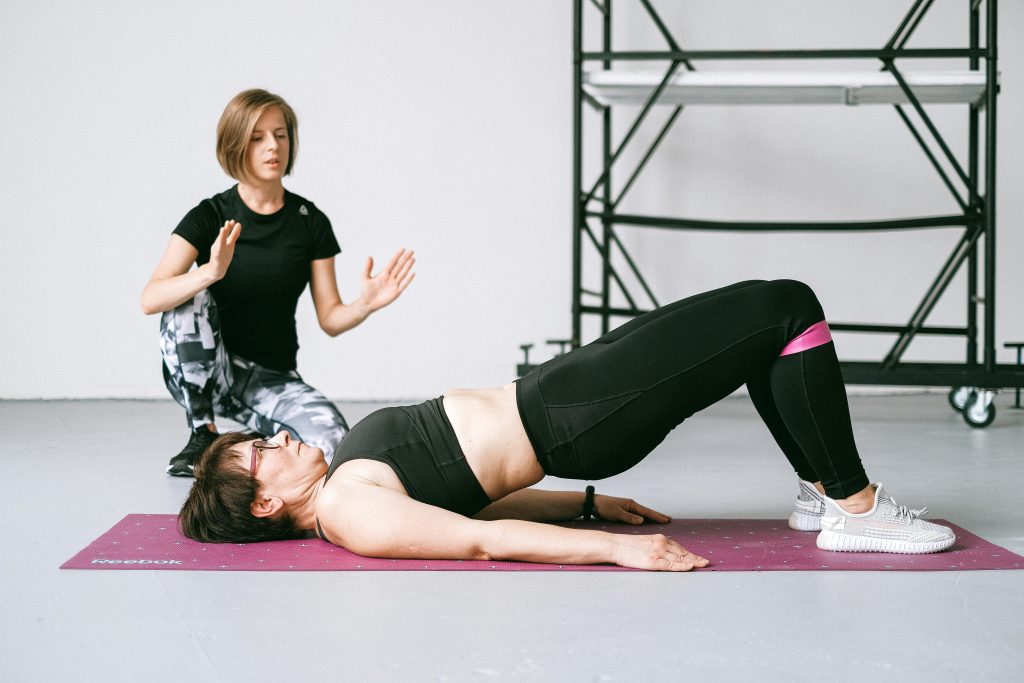
In the hierarchy of geriatric rehabilitation, we often focus on the “visible” drivers of movement—the quadriceps for standing, the glutes for walking, and the grip for reaching. However, at geriatricrehab.es, we recognize that true independence is built from the inside out. Pelvic Floor Exercises represent the essential “internal scaffolding” that stabilizes the trunk and secures our most basic sense of dignity. When we apply the “Exercise is Medicine” philosophy to the pelvic region, we aren’t just treating symptoms; we are refueling the body’s ability to engage with the world without fear. According to Geriatric Physical Therapy (2020), pelvic floor dysfunction is not an inevitable consequence of aging, but a treatable musculoskeletal condition. By strengthening this hidden foundation, we prevent the “Slippery Slope of Frailty” from claiming our confidence and our community connection.
1. The Hidden Foundation of Freedom
The pelvic floor is more than a single muscle; it is a complex web of soft tissue that serves as the “basement” of your core. For many seniors, the first sign of a slide down the Slippery Slope isn’t a fall—it’s a leak. Urinary incontinence often leads to “fear-avoidance” behaviors, where a senior might stop attending social gatherings or skip their daily walk for fear of not finding a bathroom in time. This social withdrawal is the “fuel” that accelerates physical decline.
By integrating Pelvic Floor Exercises into a daily routine, we are doing more than just addressing bladder control. We are stabilizing the lumbar spine and improving the “canister” pressure of the abdomen. This internal pressure is what allows you to cough, laugh, or lift a grocery bag without causing strain elsewhere. In the “Exercise is Medicine” framework, a strong pelvic floor adds “years to life” by maintaining social engagement and “life to years” by ensuring that every movement is anchored in a stable, secure center.
2. The ‘Feelings’ Section: From “Taboo” to “Triumph”
For many older adults, discussing pelvic health feels like breaking a lifetime of social taboos. However, silence is the greatest enemy of Vigor.
For Seniors: Reclaiming Your Internal Power
- The “Social Battery” Drain: Incontinence is exhausting. The constant “scanning” for bathrooms and the worry over accidents drains your mental and emotional fuel.
- Reframing the Problem: Think of your pelvic floor like any other muscle, such as your bicep. If your arm were weak, you would exercise it; the pelvic floor deserves the same clinical attention.
- The Triumph of Confidence: There is a specific kind of Vigor that comes from “forgetting” about your bladder. When you can trust your body to hold, you regain the freedom to say “yes” to lunch with friends or a walk in the park.
- Vigor as Dignity: Exercise is the fuel that keeps you independent. Reclaiming control over your pelvic health is a powerful act of self-care that tells the world—and yourself—that you are still the captain of your ship.
3. The Clinical Importance of Pelvic Floor Exercises
For the allied health professional, we must look beyond the simple “Kegel.” Pelvic health is a coordination of the “Canister Model,” which includes the diaphragm at the top, the multifidus at the back, the transverse abdominis at the front, and the pelvic floor at the bottom.
For Professionals: The Canister Mechanics
- Pressure Management: Geriatric Physical Therapy (2020) highlights that many seniors suffer from “Valsalva-style” breathing, where they hold their breath and “push down” during exertion. This creates a destructive downward pressure on the pelvic floor. We must train the “Co-Contraction”—the ability to exhale and lift the pelvic floor simultaneously during tasks like a sit-to-stand.
- Postural Synergy: There is a direct link between a “slumped” posture and pelvic floor weakness. In a kyphotic (hunched) position, the pelvic floor is mechanically disadvantaged. By improving thoracic extension, we provide the pelvic floor with the optimal alignment to fire effectively.
- The Stability Link: Chronic low back pain in seniors is often a symptom of a “leaky” canister. If the pelvic floor isn’t providing a stable base, the lumbar vertebrae are forced to take more load. Pelvic Floor Exercises are, therefore, a primary intervention for orthopedic spinal health in the geriatric population.
Take-Home Tips for Caregivers:
- The “Tall Spine” Cue: Instead of asking about bladder control (which can be embarrassing), encourage “tall spine” sitting. A taller posture naturally aligns the pelvic floor for better function.
- Hydration Education: Many seniors stop drinking water to avoid “accidents,” which actually irritates the bladder and leads to more urgency. Encourage “small sips often” to keep the system fueled without overwhelming it.
- Observe the “Bathroom Rush”: If you notice your loved one rushing to the bathroom, this is a fall risk. This “Urge-Anxiety” causes them to move faster than their balance allows. Discussing pelvic exercises can literally save them from a hip fracture.
4. The SAID Principle: Training for Continence and Stability
In the clinical world, the Specific Adaptation to Imposed Demands (SAID) principle is our guide for muscle fiber recruitment. The pelvic floor is not a “one-size-fits-all” muscle; it is composed of both Type I (slow-twitch) fibers for endurance and Type II (fast-twitch) fibers for power.
For Professionals: Prescribing the Right “Dose”
- Endurance (Type I) Training: This is the demand for “Slow-Twitch” adaptation. We need the pelvic floor to stay active for the entire duration of a walk to the mailbox. This requires long, low-intensity holds (sub-maximal “lifts”) that build the postural foundation.
- Power (Type II) Training: This is the demand for “Fast-Twitch” adaptation. This is what prevents a leak during a sudden cough, sneeze, or laugh. We prescribe “Quick-Flicks”—rapid contractions and relaxations—to train the nervous system to react to sudden spikes in intra-abdominal pressure.
- Coordination Adaptation: Geriatric Physical Therapy (2020) reminds us that strength without coordination is useless. The “demand” we must impose is the timing of the contraction before the exertion (the “Knack”).
5. The Functional Audit: Mapping the Core to Daily Life
The Functional Audit identifies the exact moments in a senior’s day where their pelvic health determines their independence. By connecting exercises to these specific movements, we transform clinical drills into survival skills.
- Task: Rising from a deep armchair or a low sofa.
- The Demand: A massive spike in abdominal pressure.
- The Core Solution: The “Exhale-on-Effort” Lift. Instead of holding their breath (the Valsalva), the senior is taught to begin an exhale and a pelvic lift just before the push-off. This protects the “basement” from being pushed downward.
- Task: Lifting a laundry basket or a bag of groceries.
- The Demand: Front-loading that pulls the spine into flexion.
- The Core Solution: Transverse Abdominis (TrA) Bracing. Engaging the “internal corset” while performing the lift. This keeps the pelvic floor from bearing the weight of the torso’s lean.
- Task: Reaching for a heavy dish from a high kitchen shelf.
- The Demand: Extension of the spine and a stretch of the abdominal wall.
- The Core Solution: Postural Anchoring. Keeping the pelvic floor “on” while reaching up prevents the lower back from over-arching (lordosis), which often leads to the “leaky canister” effect.
- Task: Navigating a “Step-Up” into a bathtub or over a high threshold.
- The Demand: Single-leg balance and hip flexor activation.
- The Core Solution: Stabilizing the Pelvic Ring. The pelvic floor muscles help stabilize the sacroiliac (SI) joints. A strong floor means a steadier step, reducing the “wobble” that leads to falls in the bathroom.
6. Reversing Frailty with Pelvic Floor Exercises
At geriatricrehab.es, we see a direct correlation between bladder control and fall prevention. This is where the concept of “Urge-Anxiety” meets the Slippery Slope.
For Professionals: The Fall Risk Connection
- The “Urgency Rush”: When a senior feels a sudden urge to void, their “Flight or Fight” system kicks in. They begin to “rush” to the bathroom, often forgetting their walker or ignoring their balance precautions. This is a primary driver of geriatric hip fractures.
- Urge-Suppression as a Mobility Tool: By teaching Pelvic Floor Exercises specifically for urge suppression (the “3 Quick Squeezes” technique), we give the senior a tool to “quiet” the bladder. This allows them to walk slowly and safely to the bathroom, effectively reversing the frailty-related risk of a “rushed fall.”
- Fueling the Confidence Tank: When a senior knows they can control the urge, their Vigor returns. They no longer live in a state of constant autonomic stress. This lowers cortisol levels and improves overall physical resilience, adding “life to their years.”
Take-Home Tips for Caregivers:
- The “Safety Spotter’s Guide” to Transfers: When helping your loved one stand up, remind them to “Blow as you go.” This simple cue ensures they aren’t holding their breath and straining their pelvic floor.
- Back Safety for You: As you assist with a sit-to-stand, keep your own “internal core” braced. Your back is most vulnerable when you are leaning forward to help someone else. Match their “Exhale-on-Effort” with your own.
- The Environment Audit: Ensure the path to the bathroom is clear of rugs and well-lit. If the “Urge-Anxiety” is managed by the exercises, and the path is managed by you, the risk of a fall drops by over 60%.
7. Dose-Response: Finding the 85% Intensity for the Core
In the “Exercise is Medicine” framework, a common clinical mistake is underdosing the pelvic floor. Many seniors are taught “low-load” Kegels while lying in bed, but they live their lives in an upright, weight-bearing position. This is the difference between a 40% “Maintenance” dose and the 85% “Vigor” dose.
For Professionals: Titrating the Internal Load
- The 40% Effort (Low-Dose): This is ideal for early awareness and recovery. It involves gentle, isolated contractions. While useful for “waking up” the muscles, it does not provide the SAID adaptation needed for the high pressures of daily life (like coughing or lifting).
- The 85% Effort (High-Dose): To prevent the “Slippery Slope,” we must train the pelvic floor to withstand the “85% Heart Rate Reserve” equivalent of intra-abdominal pressure. This involves co-contraction during intense movements. For example, performing a “Power Squat” while maintaining a maximum-effort pelvic lift.
- The Fatigue Buffer: Just like the quads, the pelvic floor can fatigue. Geriatric Physical Therapy (2020) emphasizes that a fatigued pelvic floor is a non-functional one. We must monitor for “compensation” signs, such as the senior holding their breath or “clenching” their jaw when the pelvic muscles tire.
8. The Caregiver Corner: The “Safety Spotter’s Guide” to Pelvic Support
As a caregiver, you cannot “see” the pelvic floor, which makes spotting these exercises unique. Your role is to be the “Postural Sentinel,” ensuring that the senior is in the best physical alignment to allow their internal core to work.
The “Safety Spotter” Protocol:
- The “Sternum Lift” Cue: Instead of talking about the pelvis, tell your loved one to “lift their heart toward the ceiling.” This thoracic extension naturally places the pelvic floor in a “ready” position.
- The Breathing Rhythm: If you see your loved one’s neck muscles straining or their face turning red during an exercise, they are likely performing a Valsalva maneuver (holding their breath). Gently cue them to “keep the air moving.”
- Assisting the “Sit-to-Stand”: When helping them rise, stand slightly to the side. Ensure you are not pulling them forward. If they lean too far forward without a strong core, it increases the “downward pressure” on the bladder. Match your breath to theirs: “Exhale… and stand.”
- Back Safety for You: When providing a steady hand, keep your own knees bent and your spine neutral. A strong “Caregiver Core” is essential to avoid becoming a patient yourself.
9. Integrating Pelvic Floor Exercises into Daily Strength Training
The final stage of reclaiming Vigor is moving beyond isolated contractions. We must “hide” the pelvic floor work inside the functional strength work that adds years to a senior’s life.
For Professionals: The Functional Integration
- The “Hip-Floor” Connection: The obturator internus (a deep hip rotator) shares a fascial attachment with the pelvic floor. By prescribing hip abduction and external rotation exercises (like “Clamshells” or lateral band walks), we can indirectly “trigger” a stronger pelvic floor contraction.
- Standing Stability: Transitioning from “lying down” to “standing” exercises increases the demand by 50% due to the weight of the abdominal organs pressing down on the floor. This is where we build the “Internal Scaffolding” that prevents the Slippery Slope.
- Rhythmic Exertion: Integrating the pelvic lift into a “Marching in Place” drill. Every time a knee comes up (exertion), the pelvic floor “flicks” on. This mimics the rapid-fire demands of walking on uneven ground or navigating a busy store.
Take-Home Tips for Caregivers:
- The “Post-Meal” Walk: Urge incontinence often increases after eating or drinking. Use this time to practice “Urge Suppressors” (3 quick squeezes) before starting your walk.
- Check the Footwear: Believe it or not, the feet affect the floor. If a senior is in “floppy” slippers, their pelvic stability decreases. Ensure they have sturdy, supportive shoes for all “Core and Floor” training.
- Consistency is the Fuel: Like any muscle, the pelvic floor takes 6–8 weeks of “Exercise is Medicine” dosing to show structural changes. Keep the “Win Streak” alive on the refrigerator calendar!
10. Conclusion: Reclaiming Your Internal Power
True independence is not just about the strength of your legs; it is about the security of your center. As we have explored, Pelvic Floor Exercises are the quiet heroes of geriatric health. By treating the pelvic region with the same clinical respect as the heart or the hips, we provide seniors with a “Safety Shield” against the most common drivers of the Slippery Slope: social isolation, “Urge-Anxiety,” and falls.
At geriatricrehab.es, we believe that every senior deserves to move through the world with dignity and vigor. Your internal core is the “fuel” that stabilizes your every step, laugh, and reach. It is the foundation that adds years to your life by keeping you active and life to your years by keeping you confident. Reclaiming your internal power starts with a single “lift”—a small movement that leads to a massive victory in the quest for lifelong independence.
Are you ready to stop “scanning” for bathrooms and start enjoying your life again? Don’t let a “leaky core” accelerate your slide down the slope. At geriatricrehab.es, we offer specialized “Core, Floor, and Vigor Assessments” to help you rebuild your internal foundation. Visit geriatricrehab.es today to download our “Pelvic Power Pocket Guide” and book a consultation with a specialist who understands your internal scaffolding!













