
In the clinical framework of Geriatric Physical Therapy (2020), maintaining upright stability is not just about muscle strength or balance reflexes; it is about the body’s ability to maintain perfusion to the brain. For many seniors, the greatest threat to their Safety Buffer isn’t a trip or a slip, but a sudden drop in blood pressure known as Orthostatic Hypotension. This condition creates a momentary “blackout” in the nervous system, draining the Physiological Reserve and leading to catastrophic falls. Understanding how to manage this blood pressure shift is essential for anyone looking to reclaim their Vigor and independence.
1. The Gravity of the Situation
Standing up is one of the most complex tasks the body performs. In the clinical framework of Geriatric Physical Therapy (2020), upright stability requires a “triple-threat” of muscle strength, neurological reflexes, and cardiovascular precision. For many, the greatest threat to their Safety Buffer isn’t a slippery floor, but a sudden drop in blood pressure known as Orthostatic Hypotension.
When you stand, gravity pulls approximately 500 to 800 milliliters of blood toward your feet. If your body isn’t fast enough to push it back up, your brain experiences a “power flicker.” But here is the empowering truth: your body remains plastic. By practicing specific transition techniques, we aren’t just preventing a fall; we are building the Vigor you need to get out of bed and into your garden or the supermarket with total confidence.
2. The Physiology of Orthostatic Hypotension
From a Professional Perspective, we define Orthostatic Hypotension as a drop in systolic blood pressure of at least 20 mmHg or a drop in diastolic blood pressure of at least 10 mmHg, within three minutes of standing.
- The Baroreceptor Reflex: These are pressure sensors in your neck and chest that act like a thermostat. In a younger body, they fire instantly to tighten blood vessels and increase heart rate.
- The Autonomic Delay: As we age, these sensors can become “sluggish.” This delay leads to transient cerebral hypoperfusion—a fancy term for the brain temporarily running out of oxygenated blood.
- Venous Pooling: Without efficient vessel constriction, blood “pools” in the large veins of the legs and abdomen. This reduces the amount of blood returning to the heart, narrowing your Physiological Reserve for that specific movement.
3. The “Slippery Slope” of Blood Pressure Regulation
The loss of blood pressure agility is a primary driver for the Slippery Slope of Aging. When a senior feels dizzy upon standing, they often begin to avoid movement, leading to deconditioning and an even weaker cardiovascular system.
- Arterial Stiffening: Age-related changes make the blood vessels less “springy.” Stiff pipes cannot constrict as effectively as flexible ones, making the rise in pressure harder to maintain.
- The Polypharmacy Trap: Many common medications—diuretics for the heart or alpha-blockers for the prostate—unintentionally blunt the body’s ability to constrict vessels, exacerbating the “orthostatic challenge.”
- Take-Home Tip for Caregivers: Dehydration is the silent accelerant of this condition. A “Hydration Bolus” (drinking 16 ounces of cold water) 15 minutes before getting out of bed can significantly increase blood volume and provide an immediate boost to the Safety Buffer.
4. Recognizing the Symptoms: More than Just Dizziness
While “seeing stars” is the most common complaint, Orthostatic Hypotension can manifest in ways that are often overlooked, leading to a subtle erosion of a senior’s Psychological Reserve.
- “Coat Hanger” Pain: From a Professional Perspective, this is a hallmark symptom. Patients may feel a dull ache across the back of the neck and shoulders. This occurs because the muscles in the “coat hanger” distribution are highly metabolic and are the first to ache when blood flow (and thus oxygen) drops upon standing.
- Cognitive “Fog”: A sudden drop in pressure doesn’t always lead to a blackout. It can cause a momentary confusion or “slowing” of thought. If a senior seems confused only when they first stand up, it is likely a perfusion issue, not a cognitive one.
- Visual Transitions: Blurred vision or “tunnel vision” are signs that the Safety Buffer is nearly exhausted. The brain is sacrificing peripheral data to keep the core systems online.
- Caregiver Focus: Watch for the “Standing Stagger.” If your loved one stands up and then immediately reaches for a wall or table after 30 seconds of walking, their blood pressure has likely bottomed out. This is the moment when a syncopal fall is most likely.
5. SOT Deep-Dive: When the Brain Goes “Offline”
In the clinic, we use Sensory Organization Testing (SOT) to determine how a patient weighs their balance inputs. However, Orthostatic Hypotension can create “false” results that mimic neurological failure.
- The Perfusion Crisis: During SOT Conditions 5 and 6 (where the patient must rely on their inner ear), the brain requires maximum oxygenated blood to process complex data. If the blood pressure drops during the test, the vestibular system “flickers.”
- Sensory Weighting Failure: When the brain experiences low perfusion, it can no longer “re-weight” its sensors. The patient may appear to have a vestibular deficit when, in reality, they have a “plumbing” issue.
- Staff Tip: Always take a patient’s blood pressure in supine and standing before performing an SOT. If they are orthostatic, their balance scores will be artificially low, leading to an incorrect descent down the Slippery Slope of Aging.
6. Clinical Management: The “Squat-to-Stand” Protocol for Orthostatic Hypotension
To refill the Physiological Reserve, we must train the cardiovascular system using the SAID Principle. We aren’t just telling patients to “be careful”; we are training their vessels to react. Utilizing physical counter-maneuvers and the “10-Second Rule” are evidence-based ways to manage Orthostatic Hypotension and maintain Vigor during daily activities.
- The 10-Second Rule: Before standing, the senior should sit on the edge of the bed for at least 30 seconds, performing “ankle pumps.” Once standing, they should remain still for 10 seconds before taking the first step. This allows the baroreceptors time to “catch up.”
- Physical Counter-Maneuvers (PCM): From a Professional Perspective, isometric tensing is a powerful tool. Crossing the legs while standing and tensing the glutes and calves physically “squeezes” blood back toward the heart, instantly raising systolic pressure by 10–15 mmHg.
- The Hydration Bolus: Cold water has a “pressor effect.” Drinking 16 ounces of cold water in under 5 minutes causes a sympathetic nervous system spike that can maintain blood pressure for up to an hour.
- Seniors Focus: Think of these as your “Power Moves.” By tensing your muscles and taking your time, you are in control of your blood pressure. This mastery is what gives you the Vigor to get up and get moving.
7. Balance Strategies: The Failure of the Ankle and Hip
When the brain is properly perfused, it utilizes a hierarchical sequence of reactions to keep us upright. However, Orthostatic Hypotension creates a unique challenge: it effectively “mutes” the nervous system’s ability to execute these strategies.
- The Transition Sequence: In a healthy state, if you sway, your body uses an Ankle Strategy (small corrections at the feet), then a Hip Strategy (larger pelvic shifts), and finally a Stepping Strategy (the emergency brake).
- The “Syncopal” Collapse: When blood pressure drops, the brain’s “processing speed” slows down. The Ankle Strategy often fails because the signal to the feet is delayed. By the time the brain realizes it is falling, the magnitude of the displacement is so large that even a Stepping Strategy isn’t fast enough to prevent a collapse.
- Professional Perspective: This is why orthostatic falls are so dangerous. They aren’t “trips” where the senior reaches out to save themselves; they are “uncontrolled descents” where the senior may fall like a “felled tree” because the protective reflexes are temporarily offline.
8. Assistive Devices: The Role of Seating in Orthostatic Safety
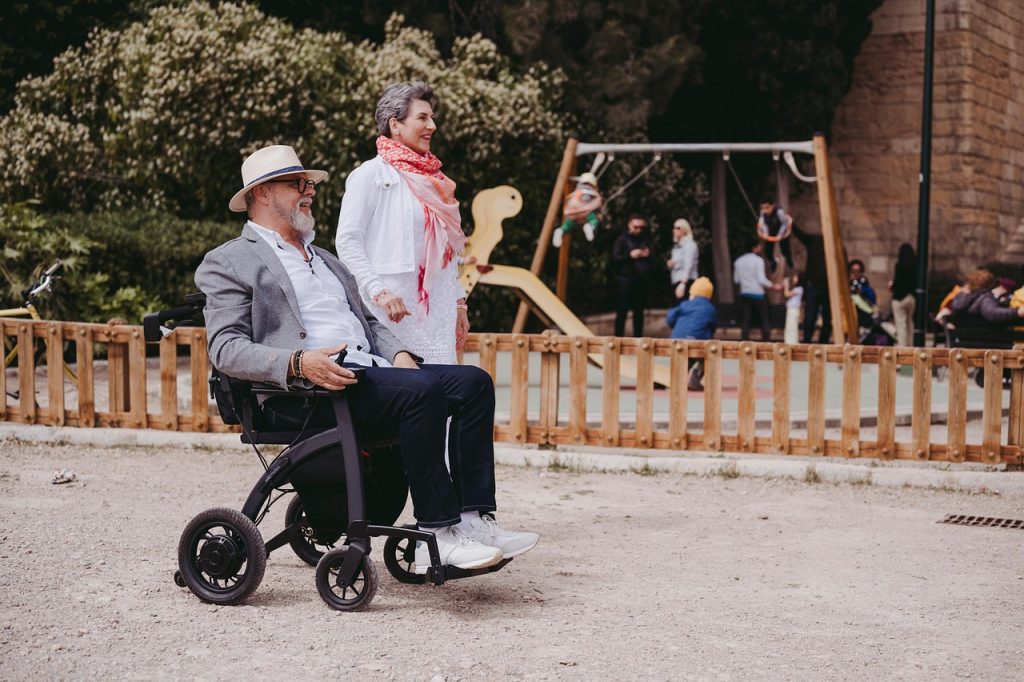
If a senior’s Physiological Reserve is compromised by blood pressure shifts, an assistive device serves as an external Safety Buffer. For those with Orthostatic Hypotension, the most important feature of any device is the ability to sit down immediately.
The Assistive Device Buyer’s Guide
- 4-Wheeled Rollators: This is the gold standard for OH.
- Pros: It includes a built-in seat. If the senior feels a “power flicker” in the supermarket, they can lock the brakes and sit down immediately to restore perfusion.
- Cons: They require higher Vigor to manage the brakes safely.
- 2-Wheeled Walkers:
- Pros: Very stable for those with a “Forward Leak” in their balance.
- Cons: No seat. A senior who feels faint while using a 2-wheeled walker has nowhere to go but the floor.
- The Psychology of the Cane: Many seniors prefer a cane because they feel it looks “younger.” However, from a Professional Perspective, a cane provides almost no protection during a fainting spell.
- Lift Chairs: For the home, a powered lift chair reduces the “metabolic cost” of standing. By assisting the transition, the chair prevents the massive blood pooling that occurs during a difficult, unassisted stand.
9. Caregiver’s Tool: The Environmental Audit for Fainting Risk
As a caregiver, you are the architect of the Safety Buffer. Since Orthostatic Hypotension is most dangerous during transitions, your audit should focus on creating “Safe Havens” throughout the home.
The “Safe Transition” Checklist
- Bedroom (The 30-30-30 Rule):
- [ ] Ensure there is a sturdy chair with arms right next to the bed.
- [ ] The senior should sit on the bed for 30 seconds, sit in the chair for 30 seconds, and stand for 30 seconds before walking.
- Bathroom (The Danger Zone):
- [ ] Install high-contrast grab bars. If vision blurs during a pressure drop, the high contrast helps the Visual System find a spatial anchor.
- [ ] Ensure a non-slip mat is inside and outside the shower.
- Hallways (The “Resting Station”):
- [ ] If the hallway from the bedroom to the kitchen is long, place a small “perch” or sturdy chair midway. This allows the senior to break the walk into manageable segments, preventing the blood pressure from “bottoming out.”
- Lighting:
- [ ] Use motion-sensor nightlights. In the framework of Sensory Organization Testing, if a senior can’t see the floor while feeling dizzy, they lose 33% of their remaining balance data.
10. Conclusion: Reaching the 85% HRR with Orthostatic Hypotension
The ultimate goal of managing Orthostatic Hypotension is not to stay in bed, but to build the cardiovascular strength required to live a full, active life. By stabilizing the autonomic system, we can safely transition into high-intensity functional training that refills the Physiological Reserve and ensures your brain stays powered during every move.
Professional Perspective: Moving to High-Intensity Functional Training (HIFT)
For the allied health professional, the transition from orthostatic precautions to high-intensity training is the key to climbing back up the Slippery Slope of Aging.
- The 40% HRR Zone (Autonomic Stabilization): This is the foundational phase. We use compression garments and the “Squat-to-Stand” protocol to ensure the patient can maintain upright stability without a syncopal event.
- The 85% HRR Zone (The Vigor Zone): Once the blood pressure is stable, we must increase the intensity. By pushing the heart rate toward 85% of the reserve through weighted carries and dynamic movements, we improve cardiac output and arterial compliance. A stronger heart pumps blood more effectively, effectively widening the Safety Buffer against future pressure drops.
Reclaim Your Independence
By understanding the “power flicker” of blood pressure, you move from a state of fear to a state of mastery. Orthostatic Hypotension does not have to be the end of your outdoor walks or your trips to the market. With the right “Power Moves,” a focused Environmental Audit, and a commitment to hydration, you can stand tall and move with confidence.
Are you tired of “seeing stars” every time you stand up? Don’t let dizziness shrink your world. Visit geriatricrehab.es today to download our “Perfusion Power Guide” or to schedule a session with a clinical specialist who can help you recalibrate your system for the life you want to lead!













