
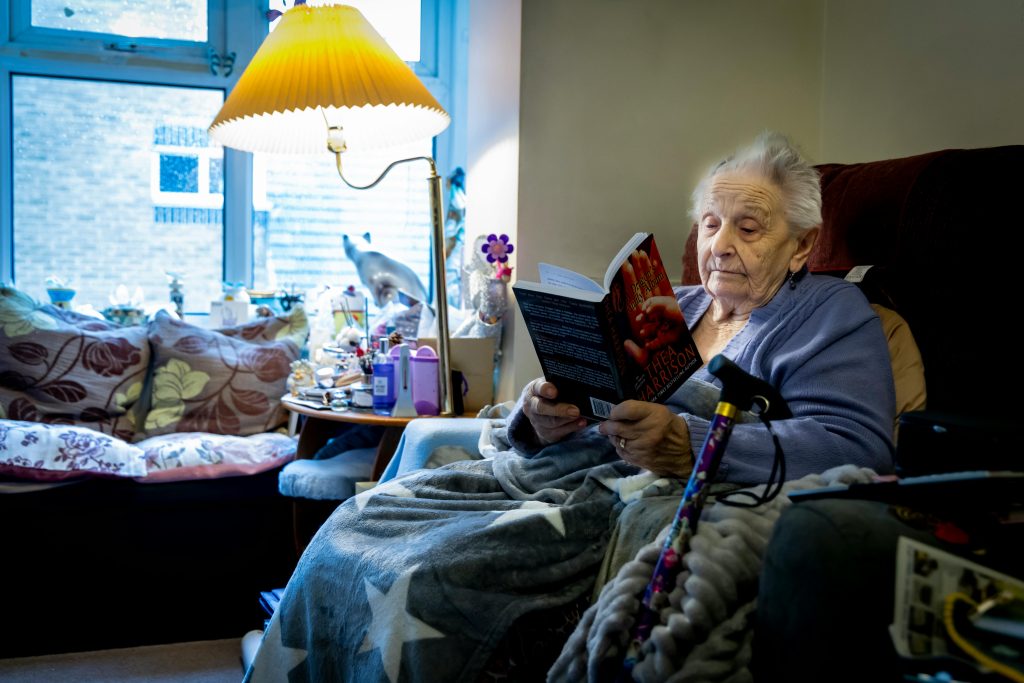
In the world of geriatric rehabilitation, we often focus on what happens when a patient moves—the mechanics of a gait cycle or the power of a squat. However, some of the most profound physiological shifts occur when a patient stops moving. We are currently facing a silent epidemic in senior care known as Sedentary Death Syndrome (SeDS). This is not merely “laziness” or a lack of motivation; it is a clinical entity characterized by a cluster of sedentary-induced metabolic and cardiovascular malfunctions that accelerate the aging process. At geriatricrehab.es, we believe in the “Exercise as Medicine” philosophy: if sitting is the poison, then movement is the antidote. By understanding SeDS, we can stop the “Slippery Slope” of frailty and restore the Vigor that allows seniors to live independently.
1. The Silent Epidemic of the Chair
For many seniors, the chair has become a place of permanent residence rather than a place of temporary rest. Sedentary Death Syndrome refers to the collection of health problems caused by a lack of physical activity, leading to a significant increase in the risk of preventable chronic diseases. In the context of Geriatric Physical Therapy (2020), SeDS is recognized as a primary driver of functional decline. It is a “sitting disease” that systematically dismantles the body’s ability to regulate blood sugar, manage cholesterol, and maintain muscle mass.
The danger of SeDS lies in its subtlety. It doesn’t happen overnight; it is the result of cumulative hours spent in a seated or reclined position. For an older adult, the threshold for entering the “SeDS Danger Zone” is surprisingly low. When we stop imposing physical demands on our systems, our bodies follow the SAID Principle (Specific Adaptation to Imposed Demands) in reverse: they adapt to be efficient at doing nothing. This adaptation leads to a loss of Vigor—that internal fuel and energy reserve that distinguishes an active senior from one who is struggling to get through the day. Combating SeDS is about more than “working out”; it is about reclaiming the movement that adds years to your life and, more importantly, life to your years.
2. The ‘Feelings’ Section: The “Walking Through Wet Cement” Sensation
Clinical data tells us what happens to the cells, but for a senior, SeDS is a matter of how the body feels when they finally try to stand up.
For Seniors: Recognizing the “Stagnation”
- The “Wet Cement” Walk: Do you feel like your legs are made of lead? When you sit for hours, your circulation slows down, and your muscles become “sleepy.” This can make your first few steps feel like you are walking through thick, wet cement.
- The “Cold and Tired” Cycle: Because inactivity lowers your metabolic rate (your internal furnace), you might find yourself feeling chronically cold or tired, even if you’ve “rested” all day.
- The “Rusty Hinge” Stiffness: You may describe your joints as feeling like “rusty hinges.” This isn’t always permanent arthritis; it is often the lack of synovial fluid (the body’s WD-40) circulating through your joints because of a lack of movement.
- Loss of “Get-Up-and-Go”: This is the depletion of Vigor. You feel like the battery is drained before the day has even started.
3. The Biological Markers of Sedentary Death Syndrome
For the Allied Health Professional, understanding SeDS requires a look at the molecular level. When a patient is sedentary, the body undergoes a rapid down-regulation of essential enzymes.
For Professionals: LPL and Cellular Stagnation
- Lipoprotein Lipase (LPL) Suppression: Within just a few hours of sitting, the activity of LPL—the enzyme responsible for capturing fats from the blood to be used as fuel—drops by nearly 90%. This leads to an immediate spike in triglycerides and a decrease in “good” HDL cholesterol.
- Fiber Type Shifting: Lack of mechanical loading causes a shift in skeletal muscle fiber types. We see a transition from oxidative, fatigue-resistant fibers to glycolytic, easily-fatigued fibers. This makes even minor tasks like walking to the mailbox feel exhausting.
- The Pro-Inflammatory State: Inactivity triggers a systemic inflammatory response. Adipose tissue (fat) begins to release “adipokines” that keep the body in a state of low-grade chronic inflammation, which accelerates bone loss and cognitive decline, as noted in Geriatric Physical Therapy (2020).
- Insulin Desensitivity: Even in healthy seniors, a few days of total inactivity can lead to decreased insulin sensitivity in the skeletal muscles, paving the way for Type 2 Diabetes.
Take-Home Tips for Caregivers:
- The “Movement Snack” Strategy: Don’t wait for a 30-minute workout. Encourage your loved one to stand up and march in place for just 60 seconds every hour. This “wakes up” the LPL enzymes.
- Watch the “Shuffle”: If you notice your loved one is starting to shuffle their feet more than usual, it’s a sign of the “wet cement” sensation. This is a red flag that they are spending too much time in the “SeDS Danger Zone.”
- Hydration as a Catalyst: Encourage drinking water throughout the day. Not only is it vital for health, but it also creates a natural “biological timer” that requires them to get up and walk to the bathroom.
4. The Cardiovascular Cost: A Heart at Rest is a Heart at Risk
For the healthcare professional, the cardiovascular impact of Sedentary Death Syndrome is often viewed through the lens of hemodynamics. When an older adult remains seated for hours, the heart—a muscle that follows the SAID principle—begins to lose its efficiency because the demands placed upon it are negligible.
For Professionals: Stroke Volume and Peripheral Resistance
- Decreased Stroke Volume: Prolonged inactivity leads to a reduction in the heart’s stroke volume (the amount of blood pumped per beat), as the heart muscle begins to atrophy and lose its contractile power.
- Increased Peripheral Resistance: Inactivity causes the blood vessels to become less elastic, increasing peripheral resistance and forcing the heart to work harder to move blood through “stiffer” pipes.
- The “Venous Pool” Effect: Gravity causes blood to pool in the lower extremities when sitting, which reduces venous return to the heart and can lead to the “swollen ankle” syndrome common in sedentary seniors.
- Baroreceptor Blunting: This “sitting disease” blunts the body’s baroreceptors (pressure sensors), which is why many seniors experience “that dizzy feeling” or a head rush when they finally try to stand up after a long period of sitting.
5. Sarcopenia and Sedentary Death Syndrome
In the geriatric population, muscle is the currency of independence. Sedentary Death Syndrome is the greatest “thief” of this currency, accelerating Sarcopenia (age-related muscle loss) at an alarming rate.
For Professionals: The Rate of Atrophy
- Accelerated Muscle Loss: Studies cited in Geriatric Physical Therapy (2020) indicate that older adults can lose as much muscle mass in three days of bed rest or extreme inactivity as a younger person might lose in three weeks.
- Type II Fiber Wastage: SeDS primarily targets Type II (fast-twitch) muscle fibers, which are essential for power and “save-yourself” reactions during a trip or stumble.
- The Vicious Cycle of Weakness: As muscles weaken due to inactivity, the effort required to move increases. This leads the senior to sit more to “save energy,” which in turn causes more weakness—a downward spiral toward total frailty.
- Metabolic Muscle Dysfunction: Muscle is a primary site for glucose disposal; when muscle mass is lost to SeDS, the body loses its ability to manage blood sugar, increasing the risk of metabolic syndrome.
6. The “Chair-Bound” Case Study: The Story of Mr. Miller
At geriatricrehab.es, we use the story of Mr. Miller to show how SeDS isn’t just a physical issue, but a trigger for a medication cascade.
- The Incident: Mr. Miller, 76, was a moderately active senior until he suffered a minor foot strain. He was told to “rest it” for two weeks.
- The Adaptation: He found a comfortable recliner and spent 10 hours a day watching the news and movies. Because he wasn’t moving, he lost his Vigor and began to feel “heavy” and “foggy.”
- The First Domino: Within a month of sitting, his blood pressure rose (due to arterial stiffening). His doctor prescribed a blood pressure pill, which caused “that dizzy feeling” when he stood.
- The Second Domino: Fearing the dizziness, he sat even more. His blood sugar began to creep up because his muscles weren’t burning glucose. He was then prescribed a medication for pre-diabetes.
- The Third Domino: The combination of blood pressure meds and inactivity caused his ankles to swell. He was given a diuretic (water pill), which made him need the bathroom more often, but because he was now weak and dizzy, he suffered a fall on the way to the toilet.
The Lesson: Mr. Miller’s “sitting disease” wasn’t caused by his foot injury, but by his body’s SAID principle adaptation to the recliner. If we had treated his foot injury with “Movement as Medicine” instead of total rest, the cascade could have been avoided.
Take-Home Tips for Caregivers:
- The “Commercial Break” Stand: During TV time, make it a rule that your loved one stands up every time a commercial break starts. They don’t have to walk—just standing “wakes up” the baroreceptors and prevents blood pooling.
- Monitor “Chair Fatigue”: If your loved one seems more tired after sitting all day than they do after a walk, they are experiencing metabolic stagnation from SeDS. Movement is the only thing that will fix this type of fatigue.
- The “Safety Spotter” Stance: When helping them stand after long periods, stay close. Their baroreceptors might be “sleepy,” making them prone to a quick dizzy spell in the first 30 seconds of standing.
7. Bone Density and the Lack of “Mechanical Noise”
While we can see muscle loss, the damage Sedentary Death Syndrome does to the skeletal system is invisible until a fracture occurs. Bones are living tissues that require “mechanical noise”—the vibration and impact of movement—to remain strong.
For Professionals: Osteoblast Stimulation and Loading
- The Mechanostat Theory: According to the principles in Geriatric Physical Therapy (2020), bone cells (osteocytes) act as strain sensors. When a senior is sedentary, the lack of mechanical strain signals the body to stop producing new bone, leading to rapid demineralization.
- Weight-Bearing vs. Non-Weight-Bearing: Swimming and cycling are excellent for the heart, but they do not provide the gravitational loading necessary to combat SeDS-related bone loss.
- The “Mechanical Noise” Requirement: To keep bones healthy, the body needs frequent “bursts” of weight-bearing activity. Even short periods of standing and shifting weight can provide the “noise” required to stimulate osteoblastic activity.
8. The Caregiver Corner: The “Activity Audit”
As a caregiver, you are the first line of defense against “sitting disease.” Use this Activity Audit to identify where SeDS might be creeping into your loved one’s daily routine.
The “SeDS Danger Zone” Checklist:
- Screen Time Check: Is your loved one spending more than 2 consecutive hours in front of a TV or tablet?
- The “Furniture Trap”: Does their favorite chair have high armrests that make it “too easy” to stay seated for hours?
- The Meal-Time Habit: Do they stay seated at the table for long periods after finishing a meal?
- The “Heavy Limb” Complaint: Are they complaining of leg heaviness or “that dizzy feeling” more frequently upon standing?
Staff Tip for Length: The Functional Audit. To turn these observations into action, map these daily sedentary “symptoms” to specific medicinal movements:
- Symptom: Difficulty getting off the couch.
- The Audit: Test their lower body power.
- The Cure: Perform 5 “Sit-to-Stands” before every meal.
- Symptom: Fear of stepping over the bathtub.
- The Audit: Check single-limb balance and hip flexion.
- The Cure: Practice “High Knees” while holding a sturdy counter.
- Symptom: Struggling to reach for a dish on a high shelf.
- The Audit: Assess shoulder range and calf strength.
- The Cure: Perform “Wall Slides” and “Heel Raises” twice a day.
9. Breaking the Cycle: The “Micro-Dose” Approach
We often think of exercise as an “all-or-nothing” hour at the gym. However, the most effective way to combat Sedentary Death Syndrome is through the “Micro-Dosing” movement.
The “Exercise Snack” Protocol:
- Breaking the 30-Minute Rule: Research suggests that even standing for 2 minutes every half hour can significantly improve glucose metabolism and LPL activity.
- Dose-Response (40% vs. 85%): For Professionals: We must distinguish between “Activity” and “Exercise”. While walking at 40% of heart rate reserve breaks the sedentary cycle, we need periods of 85% intensity (like fast walking or stair climbing) to see significant gains in Vigor and cardiovascular health.
- The Safety Spotter’s Guide for Caregivers: Back Protection: When assisting with “Sit-to-Stands,” never pull on their arms. Stand to the side, keep your back straight, and have them lean forward (“nose over toes”) while you provide a steady hand at their waist.
- The “Two-Finger” Rule: If they use a walker, encourage them to use only two fingers on each hand for balance during these “snacks” to force their internal balance systems to engage.
10. Conclusion: Standing Up for Your Future
At geriatricrehab.es, we view the recovery from Sedentary Death Syndrome as a marathon, not a sprint. The goal is to move from a state of “fragility”—where the chair is a trap—to a state of “resilience,” where movement is the fuel for a vibrant life. As we have explored, the physiological adaptations to inactivity are profound, but they are not permanent. By applying the SAID principles and treating Exercise as Medicine, we can reverse the downward slide of the “Slippery Slope.”
For the allied health professional, this means moving beyond simple gait training and addressing the metabolic and skeletal decay caused by SeDS. For the senior and caregiver, it means recognizing that every “micro-dose” of movement is a deposit into a bank account of independence. Whether it is performing a “Functional Audit” of your living room or committing to “Exercise Snacks” during your favorite show, the path to recovery begins with the decision to stand up. By reclaiming your movement, you aren’t just avoiding a syndrome; you are adding years of high-quality, independent living to your future.
Are you or a loved one feeling the “wet cement” of inactivity? Don’t let the chair dictate your future. At geriatricrehab.es, we specialize in breaking the cycle of “sitting disease” through personalized, evidence-based movement prescriptions. Visit geriatricrehab.es to download our “SeDS Activity Tracker” and schedule your Comprehensive Vigor Assessment today!













