
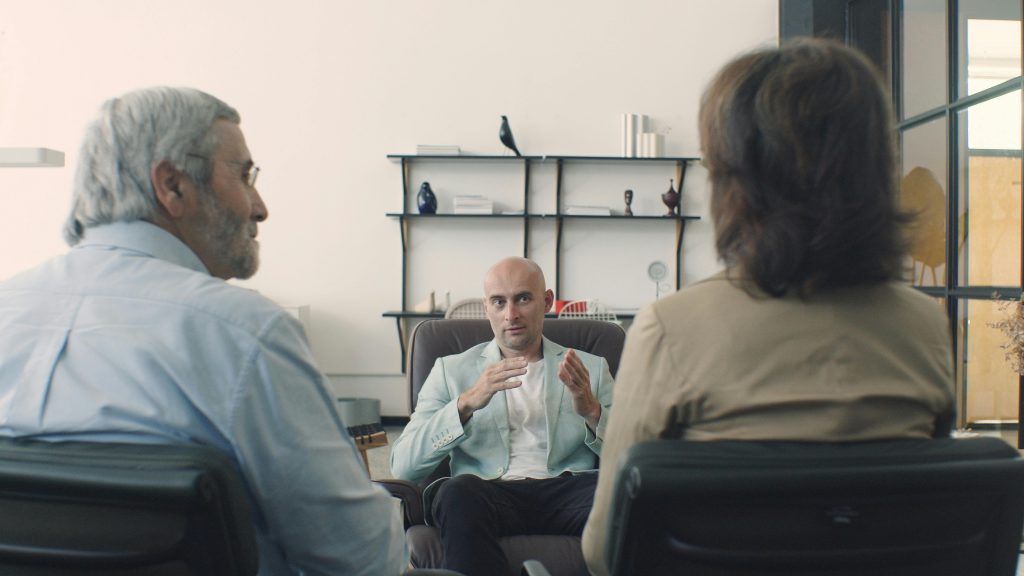
In the traditional medical model, the clinician often acted as the sole authority, prescribing treatments with the expectation of quiet compliance. However, modern geriatric rehabilitation has undergone a paradigm shift. To achieve optimal outcomes, we must embrace shared decision-making. This collaborative process ensures that the patient’s values and the caregiver’s insights are weighted as heavily as clinical data. When shared decision-making is integrated into the plan of care, patients are more likely to adhere to “aggressive” interventions because they understand how those exercises link directly to their personal autonomy.
1. The Evolution of Geriatric Autonomy
For decades, the medical field operated under a paternalistic shadow. Doctors and therapists were the “experts” who issued orders, and seniors were the “patients” who followed them. In the specific context of geriatric rehabilitation, this often led to a disconnect between clinical success and personal satisfaction. A therapist might successfully increase a patient’s knee flexion by 15 degrees, yet the patient remains housebound because the rehab didn’t address their fear of the front porch steps.
Modern practice has evolved toward a model of shared decision-making. This is not merely a polite conversation; it is a clinical necessity. In shared decision-making, the clinician brings evidence-based expertise knowledge of anatomy, pathology, and exercise physiology while the patient and their family bring the “expertise of experience.” By merging these two viewpoints, we create a plan of care that isn’t just a list of exercises but a roadmap to personal independence. This shift acknowledges that an older adult’s autonomy is as vital to their health as their heart rate or muscle mass.
2. The Physiology of Agency: Why “Choice” Matters for the Body
It is a common mistake to view “choice” as a purely psychological or ethical concept. However, the Geriatric Physical Therapy (2020) framework teaches us that psychological state and physiological performance are inextricably linked. When a senior is excluded from their care decisions, they often fall victim to “learned helplessness.” This psychological state triggers an increase in cortisol, the body’s primary stress hormone, which can lead to muscle catabolism (breakdown) and systemic inflammation.
Conversely, when a patient participates in shared decision-making, their self-efficacy the belief in their own ability to succeed increases. This has profound physical benefits:
- Enhanced Motor Learning: The brain retains new movement patterns more effectively when the individual is “invested” in the task.
- Preserving Physiological Reserve: Every human has a physiological reserve, the “buffer” of organ capacity that allows us to recover from illness or injury. By engaging in collaborative care, patients are more likely to push themselves into the “aggressive” zones of training that are required to expand this reserve.
- The “Slippery Slope” Mitigation: By choosing their own goals, seniors are more motivated to resist the “Slippery Slope of Aging,” where minor inactivity leads to rapid, permanent frailty.
3. Shared Decision Making as a Clinical Strategy
To move from theory to practice, we utilize the “Three-Talk Model” for shared decision-making. This structural approach ensures that every member of the care team therapist, patient, and caregiver is on the same page.
- Team Talk: This is where we establish that a choice exists. We explain that there are different paths to recovery (e.g., surgery vs. conservative rehab, or high-intensity vs. low-intensity training).
- Option Talk: Here, we provide the pros and cons of each path, backed by clinical data. We might discuss the risk of soreness in aggressive training versus the risk of continued falls in a “safe” but under-dosed program.
- Decision Talk: This is the culmination where the patient’s values (e.g., “I want to be able to garden again”) meet the clinician’s data to form the final plan.
The Professional Perspective: The ICF Framework
For the health professional, shared decision-making is the bridge that connects “Body Functions” to “Participation” within the International Classification of Functioning, Disability, and Health (ICF). We aren’t just strengthening a quadriceps muscle; we are enabling a grandfather to walk his granddaughter down the aisle.
Take-Home Tip for Caregivers
Before the next therapy session, ask your loved one: “If you could do one thing today that you can’t do right now, what would it be?” Share that specific answer with the therapist. It transforms a clinical goal into a personal mission.
4. Bridging the Gap: The Caregiver as an Equal Partner
In geriatric rehabilitation, we rarely treat a patient in isolation. We treat a “dyad” the partnership between the senior and their primary caregiver. Shared Decision Making fails if the person responsible for the 23 hours of the day outside of therapy is not an active participant. Caregivers are often the “eyes and ears” of the clinical team, providing critical data on how the patient performs in their natural environment versus the sterile setting of a clinic.
However, caregivers often face a unique psychological burden: the “Safety vs. Autonomy” conflict. A caregiver might subconsciously steer decisions toward “safe” (low-intensity) options to avoid the stress of a potential fall. In a collaborative model, the therapist acts as a coach for the caregiver, explaining that underdosing physical activity is often a greater long-term risk than a supervised, high-intensity session. When caregivers are treated as equal partners, they move from being “protectors” to “facilitators of restorative care.”
5. Shared Decision Making in the Face of Cognitive Impairment
Perhaps the most common barrier to Shared Decision Making is the presence of dementia or executive dysfunction. Many clinicians and families assume that a diagnosis of cognitive decline automatically negates the patient’s right to choose. However, Geriatric Physical Therapy (2020) advocates for “Supported Decision Making.”
Even as cognitive processing slows, “values” often remain intact. A patient may not remember the specific reps or sets of an exercise, but they can clearly state that they value “being outside” or “not being a burden.”
- Assenting to Care: Even if a patient lacks the legal capacity for full consent, they can still “assent” to participate.
- The Values-Based Proxy: Caregivers must act as the bridge, representing what the patient would have chosen based on their lifelong personality and goals.
6. Overcoming “Therapeutic Nihilism” Through Collaboration
“Therapeutic Nihilism” is the dangerous, often subconscious belief among healthcare providers that “nothing can be done” because a patient is too old, too frail, or too depressed. This is a primary driver of healthcare bias. Shared decision-making acts as a powerful antidote to this nihilism by forcing the clinical team to look at the patient’s potential rather than just their limitations.
When we engage in a collaborative dialogue, we move from “What is wrong with you?” to “What matters to you?” This shift often reveals that the patient is willing to work harder than the clinician assumed. By involving the patient in the goal-setting process, we justify “aggressive” care such as progressive resistance training or high-balance challenges because these are the only interventions potent enough to achieve the patient’s personal milestones.
Take-Home Tip for Caregivers
If you hear a provider say, “at their age, we should just keep them comfortable,” intervene with a shared goal. Try saying: “We’ve discussed this as a family, and Mom’s priority is getting back to her bridge club. What is the most intensive version of rehab we can try to make that happen?”
7. The Role of Risk: Shared Decisions and the “Dignity of Risk”
In the context of Shared Decision Making, we must confront the concept of the “Dignity of Risk.” This is the idea that self-determination and the right to take calculated risks are essential to human dignity. In geriatric rehab, clinicians often lean toward “Beneficence” (the urge to protect the patient from any possible harm), which can inadvertently lead to “paternalistic over-protection.”
When we engage in a shared plan, we balance safety with the patient’s desire for a higher quality of life. For example, a patient may choose a high-intensity gait training program that carries a 5% risk of a stumble because it offers a 50% chance of returning to independent community walking. By documenting these as shared choices, we move away from a culture of fear and toward a culture of achievement. Aggressive care is not reckless care; it is care that has been mutually agreed upon as “worth the effort.”
8. Communication Tools: Translating Data into Choices
For Shared Decision Making to be effective, information must be accessible. Allied health professionals often use “medical-speak,” which can alienate seniors and caregivers. To bridge this gap, we utilize specific communication tools:
- Option Grids: Simple, one-page tables that compare different treatment paths side-by-side using the same criteria (e.g., recovery time, effort required, and expected outcome).
- The “Teach-Back” Method: After explaining a physiological concept, like how resistance training helps Sarcopenia, the therapist asks the patient to explain it back. This ensures the decision is based on true understanding, not just polite nodding.
- Visual Analog Scales: Moving beyond numbers to help patients visualize their progress and the potential gains of choosing a more intensive path.
9. Legal and Ethical Frameworks: From Ethics to Documentation
From a legal perspective, Shared Decision Making is the gold standard for “Informed Consent.” However, in the world of insurance and Medicare, it also serves a vital role in documenting Medical Necessity.
When a therapist documents that “the patient and caregiver have opted for high-intensity training to meet the functional goal of independent stair climbing,” it creates a robust clinical argument for continued coverage. It aligns the treatment with the Jimmo v. Sebelius standard, which emphasizes that skilled care is necessary to maintain function or prevent decline. By documenting the “why” behind the choice, we protect the patient’s right to receive aggressive care and ensure the facility remains compliant with ethical standards of autonomy and justice.
Take-Home Tip for Caregivers
Keep a “Decision Journal.” Write down the options the therapist gives you and the reasons why you and your loved one chose a specific path. If an insurance company questions the “necessity” of the treatment, this journal provides clear evidence of a goal-directed, collaborative plan.
10. Conclusion: Sustaining the Partnership for Optimal Aging
The shift toward Shared Decision Making is more than a clinical trend; it is a fundamental realignment of the relationship between the healer and the healed. In the final stages of a rehabilitation journey, the goal is to transition the “shared” aspect of decision-making into a sustainable “self-management” model. By the time a patient is ready for discharge, they and their caregivers should feel like experts in their own physiological needs.
The true measure of success in geriatric rehab is not found in a discharge summary, but in the months and years that follow. When a senior has been an equal partner in their care, they carry a sense of ownership over their physical health. They understand that their Physiological Reserve is a bank account that requires regular deposits of movement and intensity. They are no longer “complying” with a home exercise program; they are executing a “Life Plan” that they helped design.
Summary Checklist for Shared Accountability:
- The “Three-Talk” Rule: Ensure every major treatment change involves a Team Talk, Option Talk, and Decision Talk.
- Preserve the Voice: In cases of cognitive decline, prioritize the patient’s lifelong values over mere convenience.
- Document the ‘Why’: Link every aggressive intervention to a personal goal to satisfy medical necessity and insurance requirements.
- Reject Nihilism: Use collaborative goal-setting to challenge the bias that “nothing can be done.”
Ultimately, Shared Decision Making is about the “Dignity of Risk” and the celebration of potential. It acknowledges that while we cannot stop the clock, we can certainly choose how we spend the time. By ensuring that caregivers and patients are equal partners in the plan of care, we don’t just fix bodies—we restore lives.If you are ready to move from being a “patient” to a “partner” in your recovery, consult a board-certified Geriatric Physical Therapist at geriatricrehab.es to create a plan of care that honors your goals, your values, and your future.













