
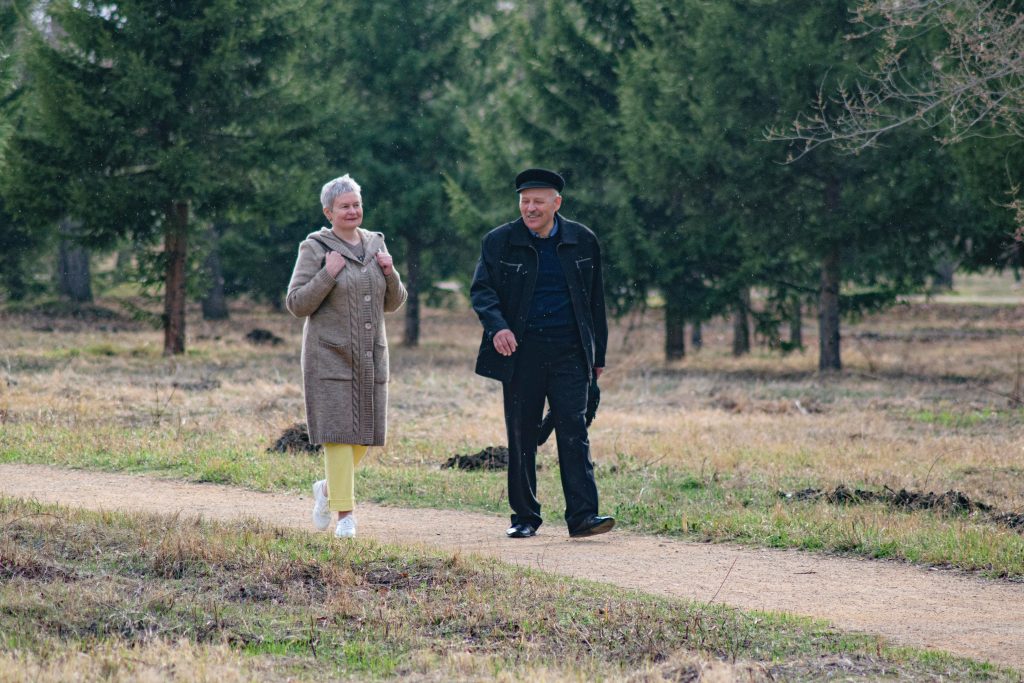
In the world of geriatric care, we often find ourselves managing a “pharmacy in a box.” We have pills for blood pressure, capsules for bone density, and tablets for mood. However, if a pharmaceutical company could bottle the effects of a 20-minute daily walk or a twice-weekly strength session, it would be hailed as the greatest medical breakthrough in history. At geriatricrehab.es, we advocate for the philosophy of Exercise as Medicine. Unlike traditional pills that often come with a “medication cascade” of side effects, exercise acts as a “polypill” that treats the whole person—strengthening the heart, sharpening the mind, and fortifying the bones simultaneously. Movement is the ultimate fuel that adds vigor to your years, helping you move from a state of “fragility” to a state of “resilience.”
1. The Prescription Without a Pharmacy
The traditional medical model is often reactive: we wait for a problem to occur and then prescribe a chemical solution. Exercise as Medicine flips this script. It is a proactive, universal intervention designed to address the multifaceted nature of aging. When we talk about exercise for seniors, we aren’t just talking about “staying active”; we are talking about a physiological intervention that alters the trajectory of the “Slippery Slope” of aging.
As highlighted in Geriatric Physical Therapy (2020), the transition from being “functional” (able to do what you want) to “frail” (struggling with daily tasks) is often a result of disuse rather than disease. By treating movement as a clinical prescription, we can reverse this slide. Exercise is the only intervention capable of improving cardiovascular ejection fraction, increasing muscle protein synthesis, and elevating Brain-Derived Neurotrophic Factor (BDNF) all at once. It is the only “pill” that pays dividends across every organ system in the body without requiring a trip to the pharmacy.
2. The ‘Feelings’ Section: From “Rusty Gears” to “Fluid Motion”
For many seniors, the hesitation to start an exercise program comes from how their bodies feel in the morning. If you wake up feeling like your joints are “rusty hinges” or that your limbs are “lead-heavy,” the idea of a workout can feel more like a punishment than a cure.
For Seniors: Reclaiming Your Vigor
- The “Rusty Hinge” Sensation: You might feel that first thing in the morning, your knees and hips feel “stiff” and “locked.” This isn’t necessarily permanent damage; it’s often a lack of synovial fluid—the body’s natural WD-40—circulating through the joint.
- The “Warmth and Energy” Return: Have you ever noticed that after a short walk, that cold, tingly feeling in your feet starts to vanish? That is your vascular system “opening the pipes,” sending oxygen-rich blood to the periphery.
- Fueling Your Life: Think of exercise not as a chore, but as “fuel.” When you have more “Vigor”—that internal energy reserve—suddenly the grocery store trip doesn’t feel like a marathon, and getting up from your favorite chair doesn’t require a three-point plan.
- From Fear to Fluidity: The fear of falling often creates a “cautious gait,” where you take small, shuffling steps. Exercise replaces that fear with “fluidity,” giving you the confidence that your legs will catch you if you trip.
3. The Biological Mechanics of Exercise as Medicine
For the Allied Health Professional, the “magic” of exercise is actually a series of highly predictable biological adaptations. We are shifting the focus from “general fitness” to “Specific Adaptation to Imposed Demands” (SAID).
For Professionals: Mitochondria, Senescence, and Loading
- Mitochondrial Biogenesis: Chronic exercise increases the density and efficiency of mitochondria—the power plants of the cell. In the geriatric population, this is critical for combating the fatigue associated with chronic disease.
- Combating Cellular Senescence: Aging cells often enter a “zombie state” (senescence), where they stop dividing but continue to release inflammatory markers. Movement has been shown to clear these “zombie cells,” effectively lowering systemic inflammation (Inflamm-aging).
- Osteoblastic Triggering: Bone is a living tissue that responds to mechanical “noise.” Citing Geriatric Physical Therapy (2020), targeted loading through resistance training triggers osteoblast activity, maintaining bone mineral density even in the presence of hormonal decline.
- The SAID Principle in Action: If we want a patient to get better at standing up, we must impose the specific demand of loaded squats. The body’s ability to adapt doesn’t disappear with age; it simply requires a more precise and consistent “medical dose” of movement.
Take-Home Tips for Caregivers:
- The “Morning Lubricant”: Before your loved one even gets out of bed, encourage “ankle pumps” and “knee to chest” stretches. Think of this as warming up the “rusty gears” before they have to bear weight.
- Focus on “Vigor” over “Vitals”: While monitoring heart rate is good, watch their “Vigor.” Are they more alert? Is their color better? Do they seem less “heavy” in their movements? These are the real signs that the “medicine” is working.
- The Hydration Booster: Exercise works best when the body is hydrated. Think of water as the “carrier” for the benefits of exercise. Ensure they have a full glass before and after their “dose” of movement.
4. The “Polypill” for the Heart: Beyond Blood Pressure
For the healthcare professional, the cardiovascular benefits of Exercise as Medicine go far beyond simply lowering a number on a blood pressure cuff. We are looking at a fundamental improvement in the heart’s “plumbing” and “electricity.”
For Professionals: Ejection Fraction and Arterial Compliance
- Improving Ejection Fraction: In many seniors, the heart becomes “stiff,” leading to heart failure with preserved ejection fraction (HFpEF). Aerobic exercise improves myocardial compliance, allowing the heart to fill and pump more efficiently.
- Arterial Elasticity: Aging naturally causes “stiff pipes” (arteriosclerosis). Targeted movement triggers the release of nitric oxide, which relaxes the blood vessels.
- Reducing the “Head Rush”: We often see seniors on multiple blood pressure pills who suffer from “that dizzy feeling when you stand up too fast from the couch.” By improving the body’s natural baroreceptor sensitivity through exercise, we can often work with physicians to reduce these medications, eliminating the dizziness entirely.
5. Neuroplasticity and Exercise as Medicine
Perhaps the most exciting “dosage” effect of exercise is found in the brain. For years, we believed that the aging brain was in a state of inevitable decline. We now know that the brain remains “plastic”—capable of change—well into the tenth decade of life.
For Professionals: BDNF and Cognitive Dual-Tasking
- The BDNF “Miracle-Gro”: Aerobic exercise triggers the release of Brain-Derived Neurotrophic Factor (BDNF). This protein acts like fertilizer for neurons, particularly in the hippocampus, the area of the brain responsible for memory. This is the ultimate defense against Pseudo-Dementia.
- Dual-Task Resilience: In the clinic, we use exercise to improve “brain-body” communication. By having a patient walk while naming as many fruits as possible, we strengthen the neural pathways required for real-world safety.
- Vascular Dementia Prevention: By keeping the “pipes” clean through movement, we prevent the “micro-strokes” that lead to vascular cognitive impairment. Exercise ensures that the brain’s highest-priority tissue receives the oxygen it needs to stay sharp.
6. The “Reverse Cascade”: Reclaiming Independence
Staff Tip for Length: The Story of Mr. Henderson. At geriatricrehab.es, we often see what we call the “Reverse Cascade.” This is the phenomenon where one positive physical intervention triggers a chain reaction that eliminates the need for multiple chemicals.
The Case of Mr. Henderson:
- The Baseline: Mr. Henderson, 78, arrived at our clinic taking a sedative for sleep, a blood pressure pill, and an anti-inflammatory for back pain. He felt “foggy” every morning and struggled to get out of his armchair.
- The Intervention: We prescribed a 12-week “Exercise as Medicine” protocol focusing on progressive resistance training (squats and rows) and a 15-minute daily walk.
- The First Domino: As his leg strength improved, his back pain decreased (stronger legs take the load off the spine). He stopped taking the anti-inflammatories.
- The Second Domino: Because he was physically tired from his “medicine” (exercise), he began falling asleep naturally. He stopped the sedative, which immediately cleared his morning “brain fog.”
- The Third Domino: With his weight down and his heart stronger, his blood pressure stabilized. His doctor reduced his blood pressure dosage, which eliminated “that dizzy feeling” he had when standing.
- The Result: Mr. Henderson went from three “problem” pills to zero, simply by using movement as his primary prescription.
Take-Home Tips for Caregivers:
- The “Breath Test” for Dosage: How do you know if your loved one is getting the right “dose”? Use the talk test. If they can sing, they aren’t working hard enough. If they can talk but not sing, they are in the “sweet spot.” If they can’t talk at all, it’s time to dial it back.
- The “Reverse Cascade” Journal: Keep a log of side effects. As your loved one gets stronger, you may notice they don’t “need” their pain or sleep meds as much. Use this data to have a conversation with their doctor about deprescribing.
- Cognitive “Add-Ons”: During a walk, ask your loved one to play “I Spy” or count backward by sevens. This turns a simple walk into a potent “brain-building” session.
7. Strength Training: The Antidote to Sarcopenia
For the allied health professional, we recognize that muscle mass is more than just a tool for movement; it is a metabolic organ. Sarcopenia—the age-related loss of muscle mass and quality—is the primary driver of frailty.
For Professionals: Type II Fibers and Eccentric Loading
- Targeting Type II Muscle Fibers: Aging specifically targets fast-twitch (Type II) fibers, which are responsible for power and “save-yourself” reactions during a trip. Exercise as Medicine must include high-velocity or heavy-load resistance to recruit these specific units.
- The Power of the Eccentric: We focus on the “lowering” phase of movements (eccentric loading). This phase creates the most significant stimulus for muscle protein synthesis and is highly effective for “functional hypertrophy”—growing the muscle you need to get off the toilet without using your hands.
- SAID Principle in Sarcopenia: We don’t just “lift weights”; we impose specific demands. If a senior struggles with “heavy limbs” when walking, we prescribe weighted leg extensions to specifically adapt the quadriceps for that load.
8. The Caregiver Corner: The “Safety Spotter’s Guide”
As a caregiver, your role is to be the “Safe Spotter.” You are the guardian of the “dose,” ensuring your loved one pushes hard enough to see results without risking a strain.
Staff Tip for Length: The Functional Audit. To bridge the gap between “working out” and “living life,” use this audit to map daily struggles to specific “medicinal” movements:
- Getting a dish from a high shelf: This requires Shoulder range and calf strength. The specific medicinal movements are Wall slides and standing heel raises.
- Stepping over a bathtub or curb: This maps to Single-limb balance and hip flexion. The training involves “High knees” while holding a chair.
- Getting off the couch/toilet: This is a test of lower-body power. We address this with Sit-to-Stands (the “Universal Exercise”).
- Carrying heavy groceries: This relies on Grip strength and core stability. We train this using Farmer’s carries (walking with light weights).
Safety Spotter’s Tips:
- Protect Your Own Back: When assisting with a sit-to-stand, never pull on your loved one’s arms. Instead, have them lean forward (“nose over toes”) and provide a steady hand at their waist. Keep your knees bent and your back straight.
- The “Two-Finger” Rule: If they are using a walker for balance during exercise, encourage them to use only two fingers on each hand. This forces their internal “gyroscope” to work harder, increasing the dose of balance training.
9. Overcoming the “Pain Barrier”
The most common phrase we hear at geriatricrehab.es is: “I’m too old for this” or “My knees are bone-on-bone; I shouldn’t move.” We must replace this fear with the understanding that movement is the only way to “grease the gears.”
Differentiating Pain for Seniors:
- “Good” Soreness: This feels like a “warm ache” in the muscles (not the joints) about 24–48 hours after exercise. This is a sign that your body is repairing and getting stronger.
- “Injury” Pain: This is sharp, stabbing, or causes swelling. If you feel this, we stop, adjust the “dose,” and try a different movement.
- The Arthritis Myth: Joints with arthritis actually benefit from movement. Think of your joints like a sponge: they need to be “squeezed” through movement to bring in fresh, nutrient-rich fluid and “squeeze out” inflammatory waste.
- Adding Life to Your Years: Remember the “Vigor” concept. Every squat you do is like putting a deposit into your “Independence Bank.” It gives you the “fuel” to keep playing with grandkids or traveling without fear.
Take-Home Tips for Caregivers:
- The “High-Shelf” Test: Once a week, watch your loved one reach for something. If they struggle, add three sets of five “arm reaches” to their daily routine. This is “Functional Medicine” in real-time.
- The Back-Saving Stance: When spotting, always stand slightly behind and to the side of your loved one (their “weak side”). This gives you the best leverage to catch them without hurting yourself.
- Celebrate the “Vigor” Wins: Note when they can get up from a chair faster or walk to the mailbox without stopping. Pointing out these “Vigor” gains keeps them motivated to take their “medicine.”
10. Conclusion: Writing Your Own Prescription
At geriatricrehab.es, we believe that the most powerful tool in your health arsenal isn’t found in a pill bottle, but in your ability to move. Throughout this article, we have explored why Exercise as Medicine is the only universal intervention capable of addressing the heart, the brain, and the musculoskeletal system simultaneously. By viewing movement as a clinical “polypill,” we move away from the “Slippery Slope” of frailty and toward a future defined by independence and strength.
Whether you are an allied health professional applying the SAID principle, a caregiver acting as a Safe Spotter, or a senior reclaiming your Vigor, the message remains the same: it is never too late to start. You do not need a pharmacy to improve your ejection fraction or boost your BDNF levels—you simply need the commitment to treat movement with the same consistency as a daily prescription. Writing your own prescription for exercise is an investment that pays dividends in every organ system, adding not just years to your life, but true life to your years.
Are you ready to stop relying on the pharmacy and start relying on your own strength? Don’t let the “rusty gears” of aging slow you down. At geriatricrehab.es, we provide the guidance you need to turn movement into medicine. Visit geriatricrehab.es to download our “Functional Movement Tracker” and schedule your personalized Vigor Assessment today!













