
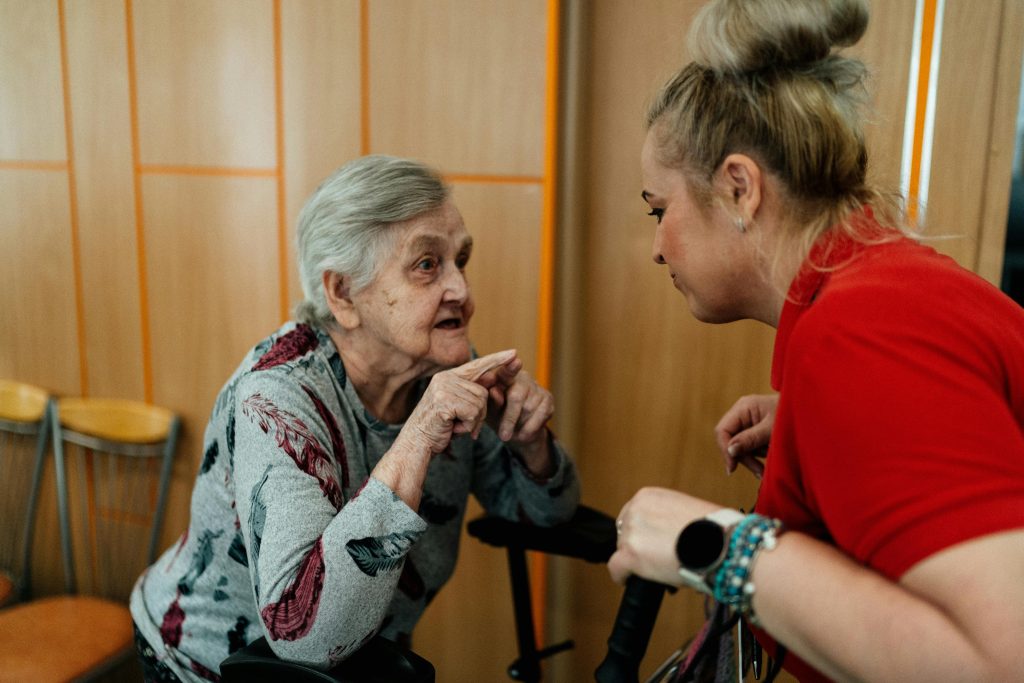
In the clinical framework of geriatric rehabilitation, we often describe the body’s alignment as the foundation of its stability. When the spine begins to curve excessively, a condition known as hyperkyphosis, the structural integrity of the entire “vessel” is compromised. According to Geriatric Physical Therapy (2020), Senior Posture Changes are not merely aesthetic concerns; they represent a significant mechanical shift that drains the Physiological Reserve. By understanding how a forward-leaning posture displaces your center of gravity, we can implement targeted interventions to rebuild your Safety Buffer, restoring the Vigor needed to move through the world with your head held high and your balance secured.
1. The Tower of Stability
In the clinical framework of Geriatric Physical Therapy (2020), we visualize aging not as a sudden drop, but as a journey along the Slippery Slope of Aging. At the top of the slope, the spine is a masterpiece of vertical alignment, allowing the muscles to work with minimal effort. However, as we descend, Senior Posture Changes can begin to pull the torso forward and down. This “hunching” isn’t just a sign of age; it is a mechanical drain on your Physiological Reserve.
For many seniors, a stooped posture makes the world feel like it is pulling them toward the floor. But rehab is about creating a Safety Buffer. By addressing kyphosis, we aren’t just “fixing your back”; we are realigning your body so that walking in the garden or navigating a supermarket feels light and effortless again. Upright posture is the “fuel” that powers your Vigor, giving you the confidence to look forward at the horizon rather than down at the hazards.
2. The Mechanics of Senior Posture Changes
From a Professional Perspective, hyperkyphosis is defined as an exaggerated forward curvature of the thoracic spine (usually exceeding 40°). This structural shift creates a domino effect. As the upper back curves, the head moves forward (Forward Head Posture), and the pelvis often tilts to compensate.
These Senior Posture Changes move your Center of Mass (COM) closer to the front edge of your feet. In clinical terms, this reduces your “functional reach” and narrows your margin for error. If you trip, a body that is already leaning forward has less time to employ a “reactive step” before hitting the ground. To satisfy the SAID Principle (Specific Adaptation to Imposed Demands), we must train the posterior chain muscles (the “anti-gravity” muscles) to pull the tower back into alignment, thereby expanding the Safety Buffer.
3. Kyphosis and the Visual Anchor
A critical but often overlooked consequence of Senior Posture Changes is the loss of the “Visual Anchor.” When the spine curves forward, the natural gaze of the eyes is directed toward the floor. This forces the senior to look at their feet while walking.
- The Conflict: While looking down helps you see immediate trips, it deprives the brain of the “optic flow” needed for global stability.
- The Physiological Cost: The brain must work twice as hard to process balance when it can’t see the horizon. This exhaustion drains the Physiological Reserve, leading to quicker fatigue during community outings.
- The Take-Home Tip for Caregivers: Check the “Eye-Level Environment.” Ensure that the senior’s favorite chair faces a window or a television at eye level. Placing family photos or clocks slightly higher on the wall acts as a “visual cue” that encourages them to lift their chin and straighten their spine throughout the day.
4. Functional Training: The Postural Functional Audit
In geriatric rehabilitation, we move beyond generic stretching by performing a Postural Functional Audit. This process identifies how Senior Posture Changes act as “mechanical leaks,” draining the energy needed for daily survival. If your spine is curved, your lungs have less room to expand, and your shoulders lose the leverage needed to reach a high shelf. Below, we map these struggles to the corrective “dose” required to rebuild your Vigor.
- The “Shelf-Reach” Struggle: Kyphosis locks the shoulder blades in a forward position, making it nearly impossible to reach overhead safely. This leads to seniors using precarious step-stools, breaching their Safety Buffer. The corrective dose is the Wall Angel; by flattening the back against a wall and sliding the arms up, we retrain the scapular muscles to “unlock” the shoulders.
- The “Breathless” Walk: A hunched posture compresses the diaphragm, reducing oxygen intake. If you can’t breathe, you can’t walk with Vigor. The corrective dose is Corner Stretches, standing in a doorway or corner to open the chest, which immediately increases lung capacity and reduces the “fatigue-fall” risk.
- The “Chin-Down” Gait: As the head drifts forward, the neck muscles must work 3x harder to keep the eyes on the horizon. The corrective dose is the Cervical Retraction (Chin Tuck). This simple “re-stacking” of the skull over the spine reduces neck pain and restores the visual horizon.
5. Professional Deep-Dive: Sensory Organization Testing (SOT)
For the Allied Health Professional, it is vital to recognize how kyphosis can “contaminate” a Sensory Organization Test (SOT). Balance is a multisensory “conversation,” but a senior with significant postural changes is often “proprioceptively biased.”
Because their center of mass is shifted forward, their brain is receiving a constant “falling forward” signal from the feet (somatosensory). In SOT Conditions 2 through 6, a kyphotic patient may underperform not because their vestibular system is failing, but because their postural set is mechanically disadvantaged.
Clinical Pearl: To satisfy the SAID Principle, we must correct the posture before testing the balance. Utilizing a “taping protocol” on the thoracic spine can provide the tactile feedback needed for the patient to find a neutral spine. This allows the SOT to measure true sensory integration rather than just mechanical compensation.
6. Balance Strategies: Adjusting for Senior Posture Changes
When a senior is upright, they have three distinct Balance Strategies to prevent a fall. However, Senior Posture Changes significantly alter this hierarchy.
- The Ankle Strategy: In a neutral spine, small sways are handled by the ankles. In a kyphotic senior, the ankles are often already “maxed out” just trying to keep the body from leaning further forward.
- The Hip Strategy: Because the ankles are occupied, the kyphotic senior becomes “hip-dominant.” They use large, jerky movements of the pelvis to maintain stability. This is why many seniors look “stiff” when they walk.
- The Stepping Strategy: When the center of mass moves too far forward, which happens much faster in a hunched posture, the only remaining defense is the “reactive step.”
By realigning the spine, we “liberate” the ankle strategy, allowing the senior to handle small bumps and uneven grass without having to resort to a large, exhausting hip movement. This restores the Safety Buffer and moves feel fluid rather than frantic.
7. Assistive Devices: A Buyer’s Guide for the Stooped Posture
When Senior Posture Changes become significant, an assistive device shouldn’t just be a “crutch,” it should be a postural “reminder.” However, many seniors find themselves in a vicious cycle where their walker actually pulls them further into a hunch. We must navigate the Psychology of the Cane; many resist these tools because they feel it makes them “look old,” but in reality, a properly fitted device allows a senior to stand taller and move with Vigor.
The Postural Buyer’s Guide
- The Upright (Forearm) Walker: These are game-changers for hyperkyphosis. By allowing the senior to rest their forearms on high platforms, it naturally “unfolds” the spine and brings the gaze up to the horizon.
- The 2-Wheeled Walker (Front-Wheeled): If the height is set too low, this device will cause the senior to “lean and push,” worsening the hunch. It must be fitted so the handles meet the user’s wrists, allowing for a slight bend in the elbow while maintaining an upright chest.
- The Single-Point Cane: Often misused as a “leaning post.” It should be used to provide a “sensory anchor” to the ground, not to support the full weight of a forward-leaning torso.
- The 4-Wheeled Rollator: Great for community endurance, but the seat often encourages “slumping” during rest breaks. Ensure the senior uses the backrest to maintain spinal extension.
8. Case Study: Straightening the Path to Independence
Mr. B, a 79-year-old retired architect, noticed his world was shrinking. His kyphosis had become so pronounced that he was looking at the pavement three feet in front of him. His Physiological Reserve was being spent entirely on the effort of lifting his chin. He stopped walking to his local café because the “effort of looking up” made him dizzy.
The Intervention: We didn’t just give him balance drills; we focused on “Postural Power.” Following the SAID Principle, we implemented a high-dose routine of thoracic extension and “Doorway Stretches.” We also transitioned him to an upright walker to provide a mechanical Safety Buffer.
The Result: By realigning his tower of stability, Mr. B reduced his “forward lean” by 2 inches. This small mechanical change “refilled” his reserve. He recently returned to his café, not just walking, but walking with his head up, engaging with neighbors again. His Vigor returned because he was no longer fighting his own skeleton.
9. Caregiver’s Tool: The Environmental Audit for Posture
A senior’s posture is often a reflection of their environment. If everything they love is “down low,” they will stay “down low.” As a caregiver, you can use this room-by-room audit to create a home that “pulls” the senior upward into a safe, tall alignment.
The “Upward Bound” Checklist
- The Living Room: Raise the TV to eye level. If it’s too low, the senior will develop “Forward Head Posture” just to watch the news. Ensure their favorite chair has firm lumbar support to prevent “sacral sitting.”
- The Kitchen: Move daily-use items (coffee mugs, cereal) from bottom cabinets to chest-high shelves. Eliminating deep bends preserves the Safety Buffer and prevents postural collapse.
- The Reading Nook: Provide a book stand or “lap desk.” This prevents the senior from hunching over a book or tablet for hours.
- The Bathroom: Install a “raised” toilet seat. Lower seats require a deep forward lean to stand up, which can trigger a fall in a kyphotic senior.
- Visual Cues: Place family photos or colorful art at the “ideal” eye level in hallways. These act as “postural targets” that encourage the senior to lift their gaze.
10. Conclusion: Reclaiming Vigor and Managing Senior Posture Changes
In the clinical framework of geriatric rehabilitation, we recognize that posture is not a static state, but a dynamic expression of one’s Physiological Reserve. By addressing the structural and mechanical shifts of hyperkyphosis, we do more than just improve a silhouette; we widen the Safety Buffer that protects against the unpredictable nature of daily life. Whether you are a professional using the SAID Principle to “re-weight” a patient’s sensory inputs or a senior reclaiming your height to walk with Vigor, remember that every inch of upright alignment is a direct investment in your independence.
Caregiver Focus: The Safety Spotter’s Guide
Helping a loved one combat Senior Posture Changes requires a blend of physical support and “External Cueing.” Use these principles to be an effective postural partner without compromising your own safety:
- The “Nose Over Toes” Assist: When helping a kyphotic senior stand, do not pull them forward by the hands. Because their center of mass is already forward, pulling can cause them to “over-shoot” their feet. Instead, stand to the side and provide a steadying hand on a gait belt, encouraging them to move “nose over toes” in a controlled arc.
- The “String” Cue: Instead of telling a senior to “stop slouching,” which can feel discouraging, use a positive external cue. Ask them to imagine a “string pulling the top of their head toward the ceiling.” This encourages active spinal elongation and lifts the gaze naturally.
- The “Scapular Reset” Assist: During walking practice, if you notice their shoulders rounding forward, place your hands gently on the front of their shoulders and provide a light “open chest” tactile cue. This reminds the brain to engage the “anti-gravity” muscles of the upper back.
By integrating these postural strategies into your daily routine, you are effectively pushing back against the Slippery Slope of Aging. You are ensuring that your loved one doesn’t just “get by,” but thrives with the confidence to look the world in the eye.
Is a stooped posture shrinking your world? Don’t let a forward lean dictate your future. Book a comprehensive Postural Audit at geriatricrehab.es today. Let’s stand tall together and reclaim your path to independence.













