Author name: Dr. Marie Gabrielle Laguna

Young caregiver assisting senior man in a stylish Prague living room.

Building a Stronger Future: Month 3 Wrap-Up

We have reached a pivotal milestone at geriatricrehab.es. Over the last four weeks, we have shifted our focus from foundational movement to the “Intensity Mandate.” This month was not about “staying active”—it was about a clinical intervention known as Sarcopenia Prevention. By challenging the aging musculoskeletal system with significant loads, we have begun to reverse

Building a Stronger Future: Month 3 Wrap-Up Read Post »

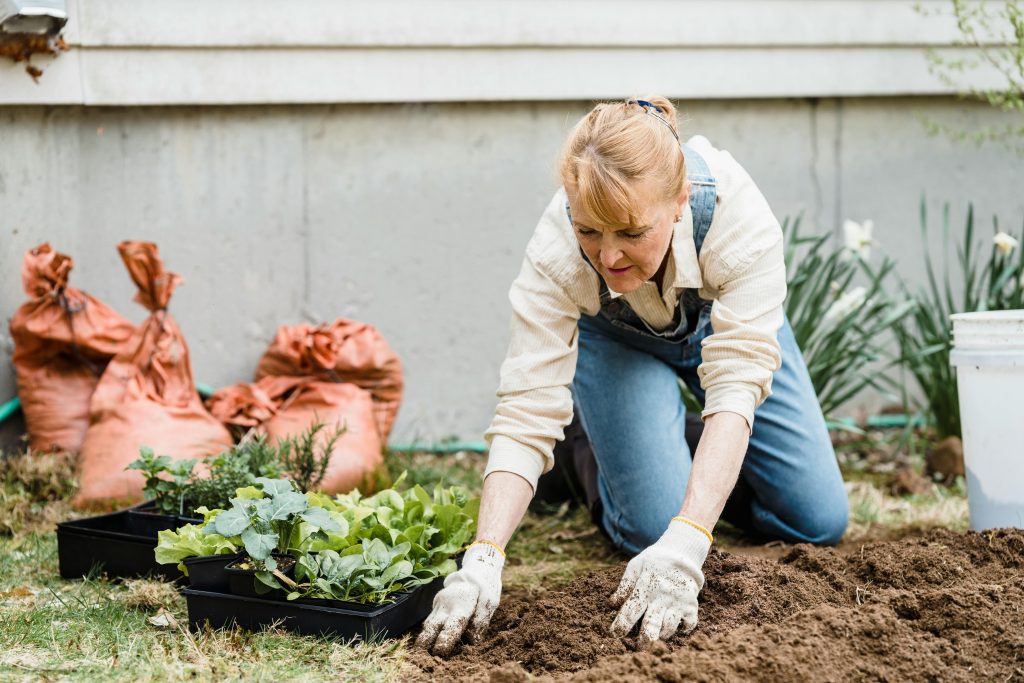
Senior woman kneeling in a garden, planting small plants in soil with protective gloves on.

One Size Does Not Fit All: Tailoring the Routine

In the world of geriatric care, the term “standardized” can often be a polite word for “ineffective.” At geriatricrehab.es, we recognize that age is a poor indicator of physical capacity. One 80-year-old might be training for a local 5k, while another might struggle to rise from a standard armchair. Personalized Rehab is the clinical process

One Size Does Not Fit All: Tailoring the Routine Read Post »
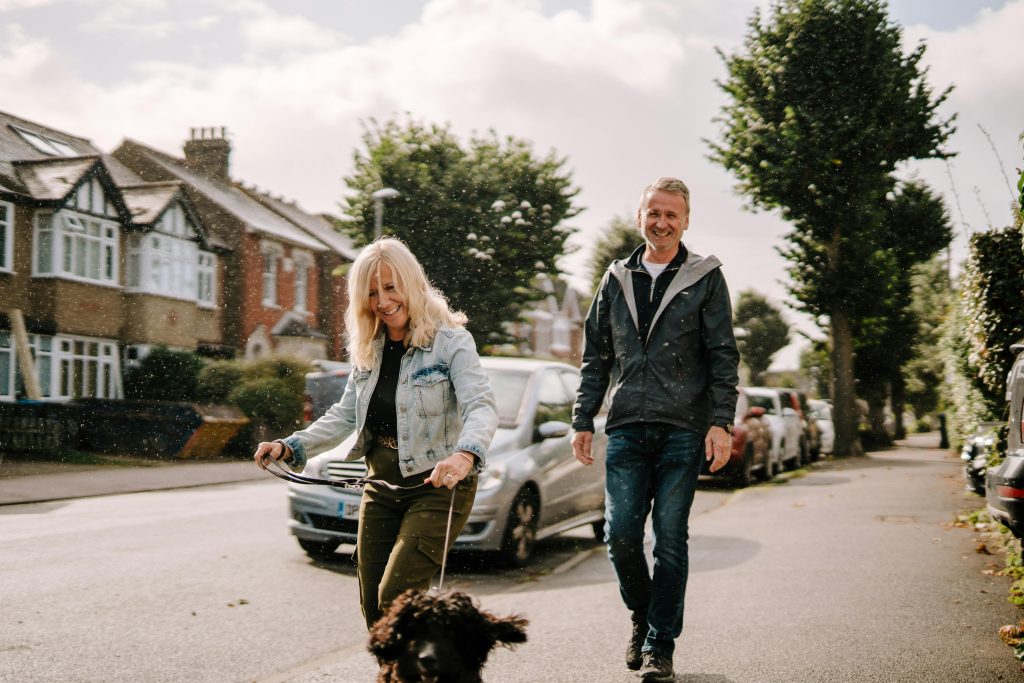
A joyous senior couple walking their dog on a sunny suburban street, enjoying the day.

It’s Never Too Late: Strength Gains in the 90s

For a long time, the clinical consensus suggested that once an individual reached their tenth decade of life, the goal of physical therapy was merely “maintenance” or “palliative comfort.” We were taught that the biological window for muscle adaptation had slammed shut. However, at geriatricrehab.es, we are witnessing a paradigm shift. The “Oldest-Old”—those aged 85

It’s Never Too Late: Strength Gains in the 90s Read Post »

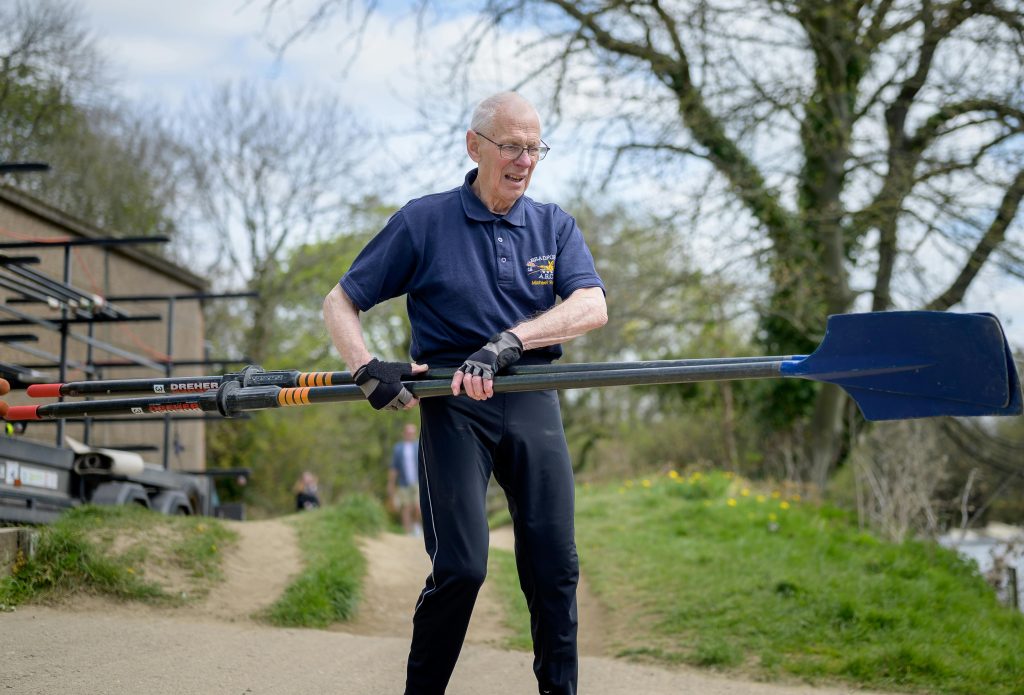
Elderly man holding a kayak oar outdoors, enjoying leisure and health benefits.

Essential Amino Acids: The Building Blocks of Rehab

In the clinical setting of geriatricrehab.es, we often say that exercise provides the “blueprints” for a stronger body, but nutrition provides the “bricks.” Without a steady supply of Essential Amino Acids, even the most scientifically sound rehabilitation program will fail to yield results. As we age, our bodies become less efficient at processing protein—a phenomenon

Essential Amino Acids: The Building Blocks of Rehab Read Post »

Creatine for Seniors: Safety and Effectiveness

For decades, creatine has been unfairly pigeonholed as a supplement exclusively for elite athletes and bodybuilders. However, as we delve deeper into the science of longevity at geriatricrehab.es, it is becoming clear that Creatine Supplementation may be one of the most effective, evidence-based tools available to the aging adult. Sarcopenia—the age-related loss of muscle mass

Creatine for Seniors: Safety and Effectiveness Read Post »

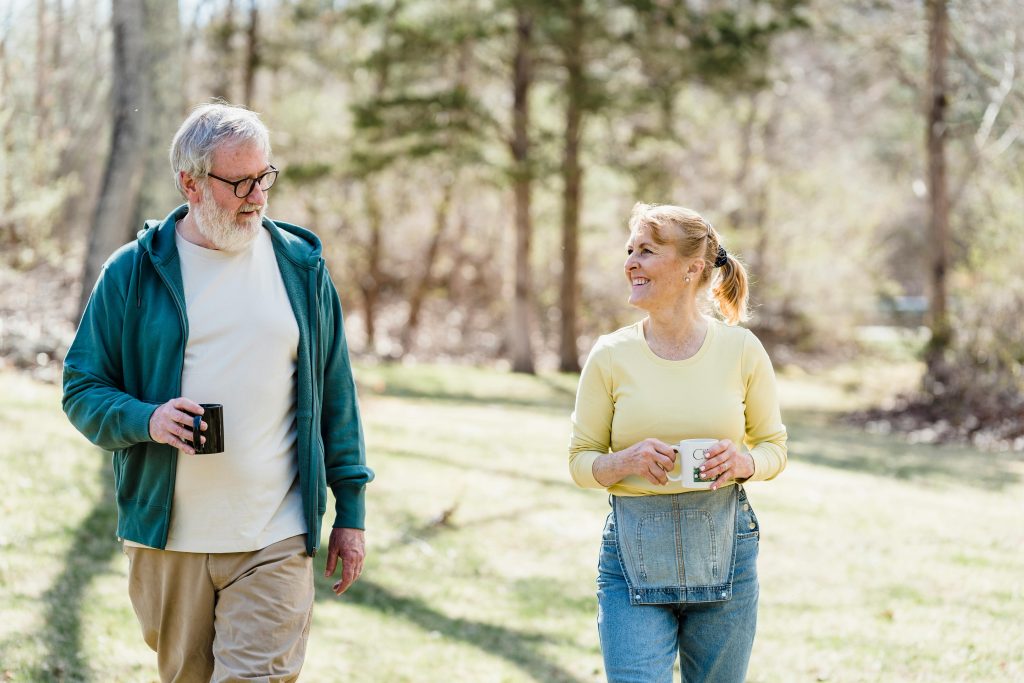
Happy elderly couple walking outdoors, sharing a joyful conversation with warm smiles.

Brain to Muscle: Improving the “Neural Drive”

In the first few weeks of a high-intensity program at geriatricrehab.es, patients often express surprise. They feel significantly stronger, they move with more “vigor,” and they find daily tasks easier—yet their muscles don’t look any larger in the mirror. This phenomenon is not an illusion; it is the result of a sharpened Neuromuscular Connection. Before

Brain to Muscle: Improving the “Neural Drive” Read Post »

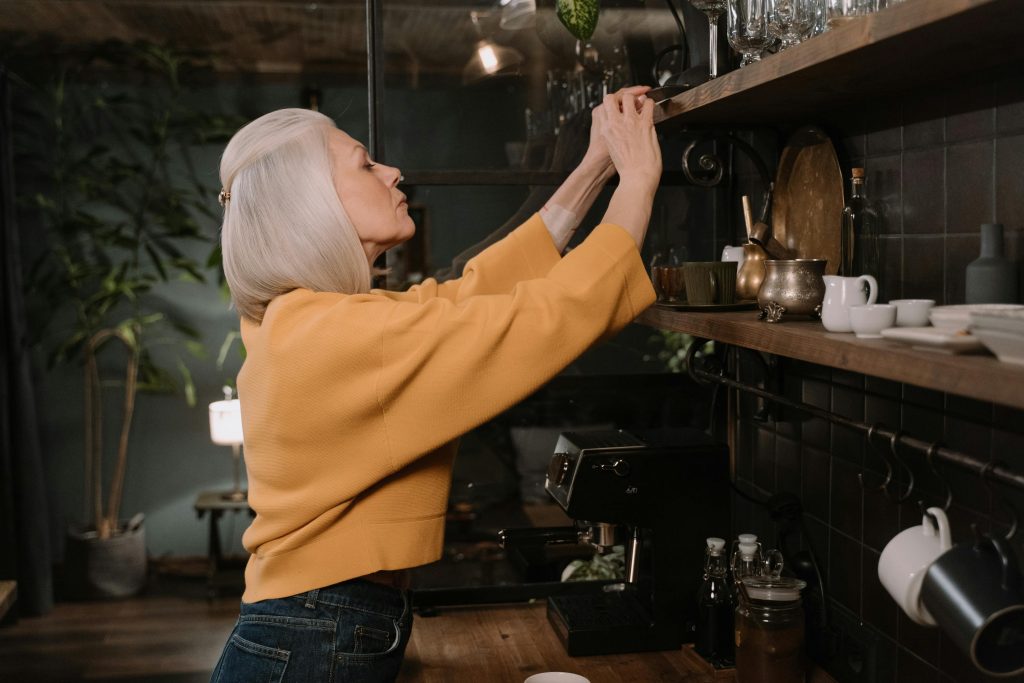
Elderly woman with white hair reaching a kitchen shelf in a cozy kitchen setting.

Reaching and Lifting: Upper Body Functional Strength

In the hierarchy of geriatric independence, we often prioritize walking and balance—and for good reason. However, the ability to interact with your environment is dictated by your Upper Body Strength. Whether it is reaching for a gallon of milk on a high refrigerator shelf, pushing open a heavy commercial door, or catching yourself during a

Reaching and Lifting: Upper Body Functional Strength Read Post »

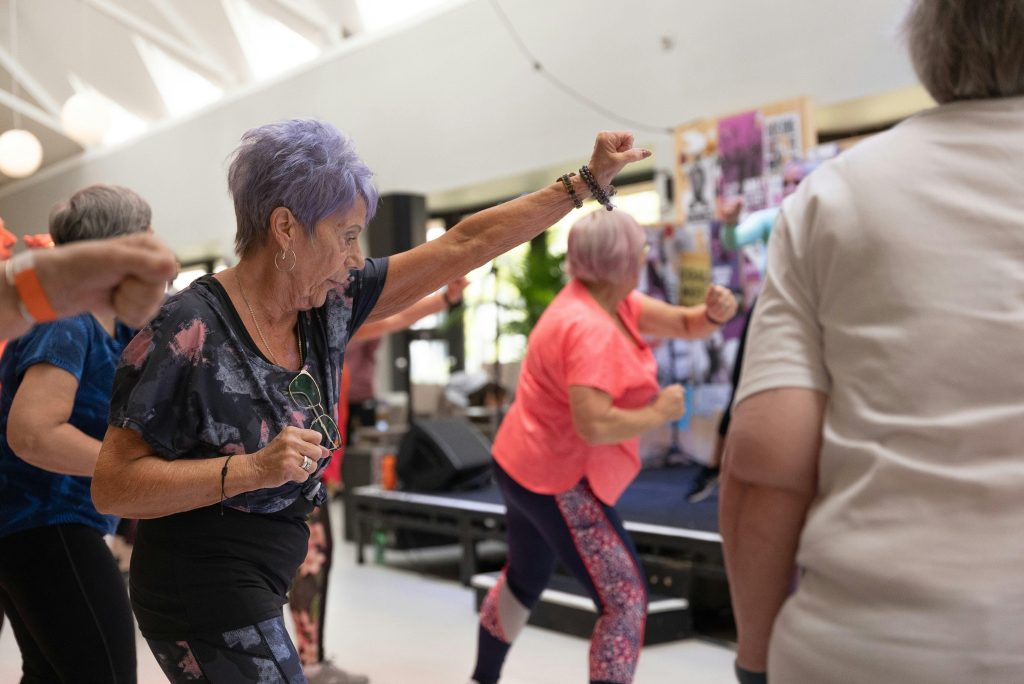
Elderly women engaging in fitness activities with exercise balls in a community center.

Master the Sit-to-Stand: The Ultimate Exercise

In the world of geriatric rehabilitation, there is one movement that stands above all others as the ultimate predictor of independence: the sit-to-stand. At geriatricrehab.es, we don’t view the Sit-to-Stand Exercise as just a warm-up; we view it as a high-stakes clinical intervention. The ability to transition from a seated position to a standing one

Master the Sit-to-Stand: The Ultimate Exercise Read Post »

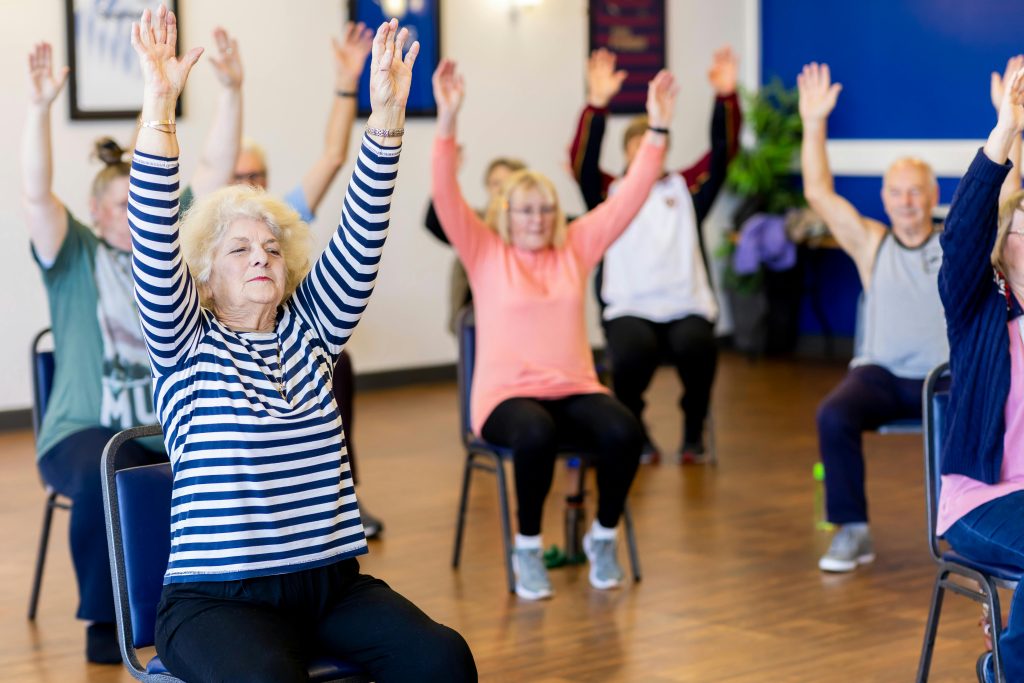
Group of senior women engaged in fitness activities indoors, promoting healthy aging.

Social Strength: The Benefits of Group Exercise

In the isolation that often accompanies aging, the gym should be more than a place for solitary movement; it should be a hub for collective resilience. At geriatricrehab.es, we have observed that the most consistent transformations occur not in isolation, but within the framework of Group Resistance Training. While the biological goals remain the same—hypertrophy

Social Strength: The Benefits of Group Exercise Read Post »

Muscle as a Metabolic Organ: Controlling Sugar

In the traditional view of aging, muscle loss is often seen as a purely physical inconvenience—a reason for slower walking or difficulty standing. However, at geriatricrehab.es, we recognize that skeletal muscle is actually the body’s largest metabolic organ. Every time you contract a muscle, you are engaging a sophisticated pharmacy that regulates blood sugar, influences

Muscle as a Metabolic Organ: Controlling Sugar Read Post »

Managing Muscle Soreness: Is It Good or Bad?

In the journey of geriatric rehabilitation, few sensations cause as much hesitation as the morning-after ache. At geriatricrehab.es, we frequently encounter patients who fear that a heavy session has “undone” their progress or caused permanent damage to their joints. However, the phenomenon of Delayed Onset Muscle Soreness is rarely a sign of catastrophe; rather, it

Managing Muscle Soreness: Is It Good or Bad? Read Post »

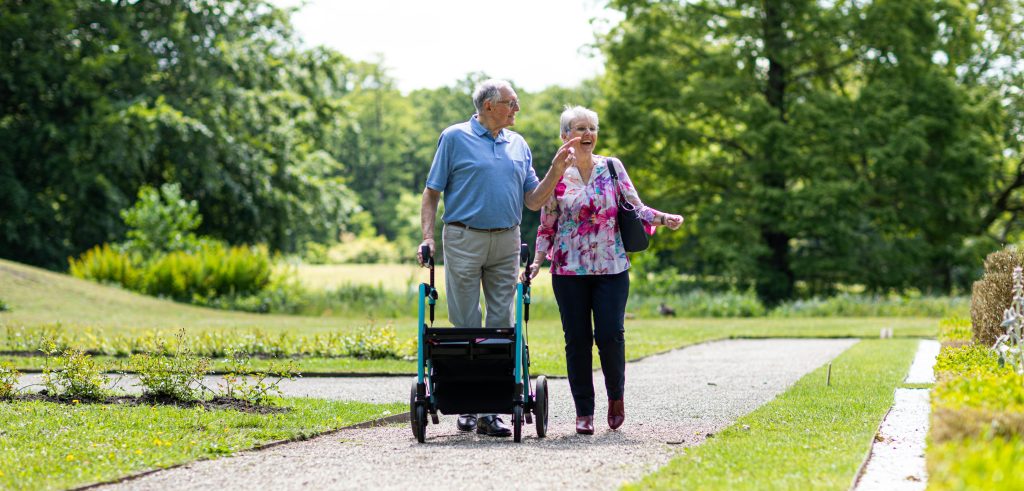
Senior couple walking in a park with a walker, enjoying a sunny day outdoors.

The Science of Rest: Why Recovery Takes Longer

In our pursuit of reversing age-related decline at geriatricrehab.es, we often emphasize the “Mechanical Shout”—that high-intensity signal that tells the body it needs to grow stronger. However, that signal is only half of the equation. For the aging adult, Muscle Recovery is not merely a break from the action; it is the active physiological phase

The Science of Rest: Why Recovery Takes Longer Read Post »

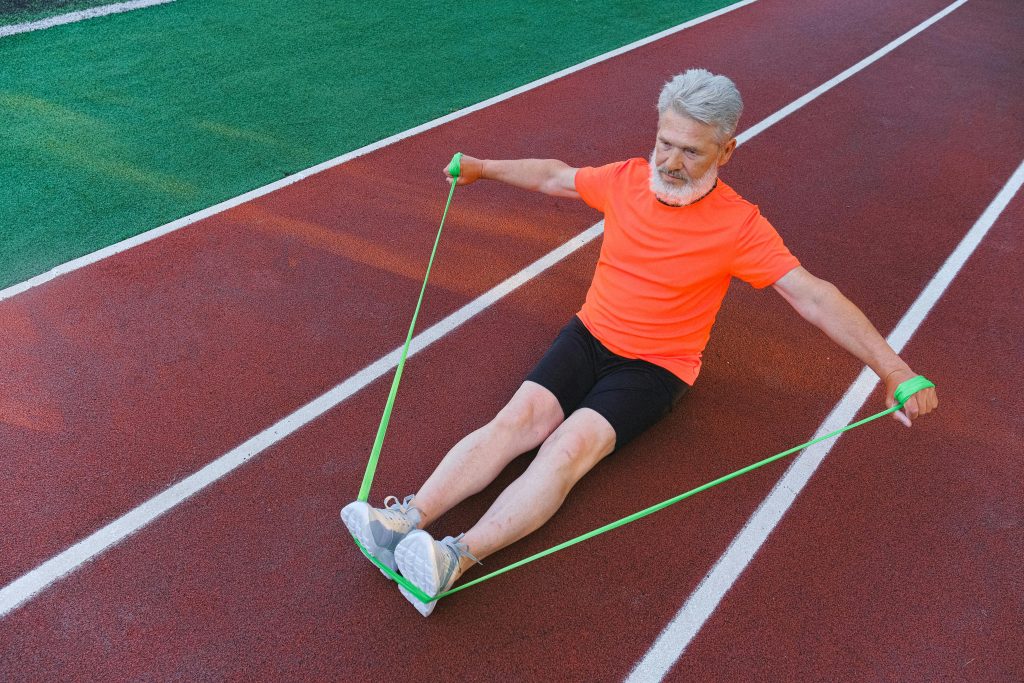
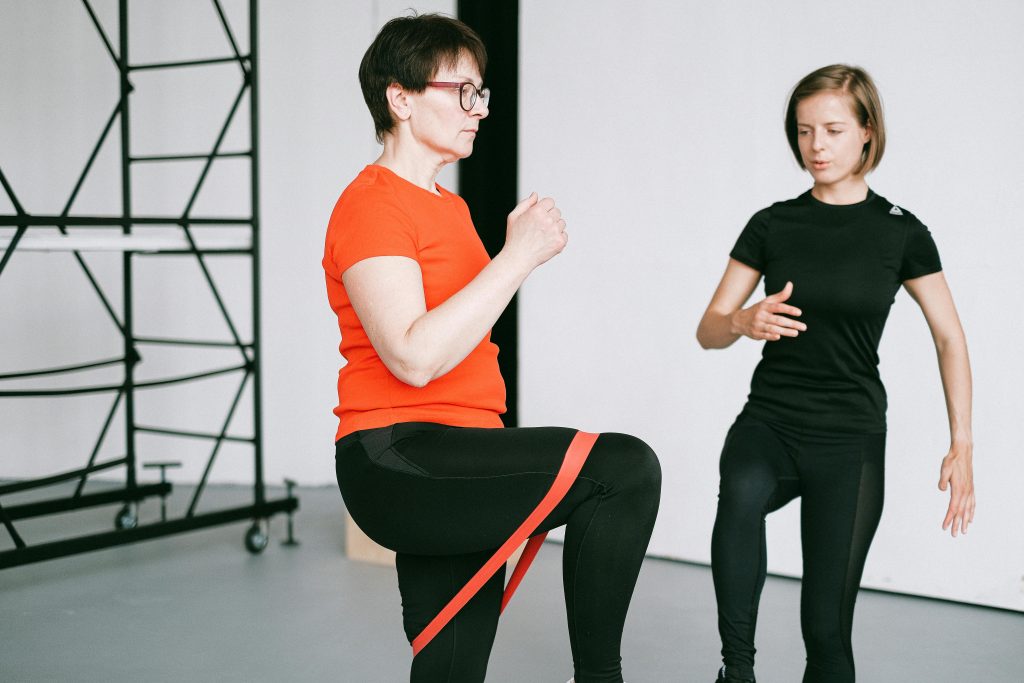
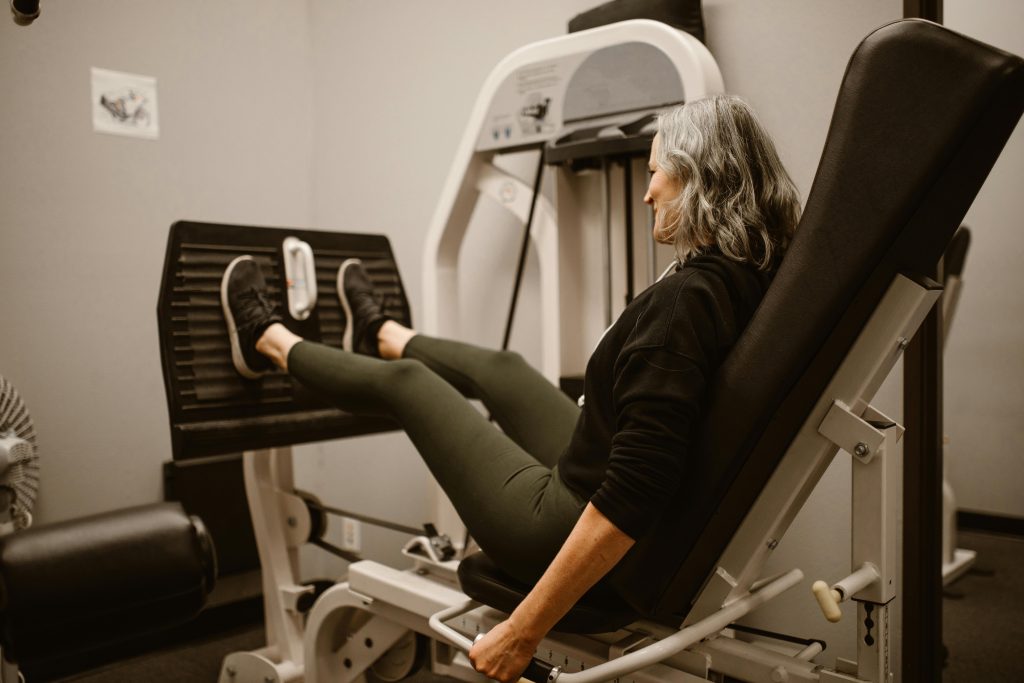
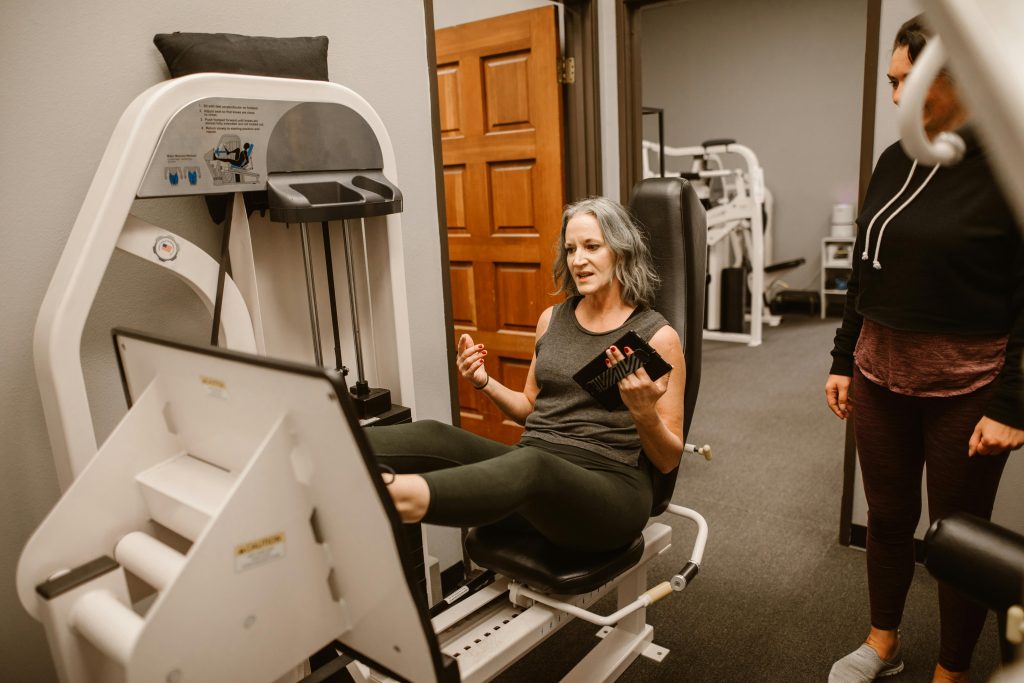
Personal trainer guiding a woman with resistance band exercise in a gym setting.

Resistance Bands vs. Free Weights for Seniors

In the pursuit of longevity and physical independence, the debate often centers on the equipment: Should a senior use the colorful elastic bands found in most physical therapy clinics, or should they reach for the “iron” usually reserved for younger athletes? At geriatricrehab.es, we argue that this is a secondary question. The primary question is

Resistance Bands vs. Free Weights for Seniors Read Post »

A joyful family scene of grandparents and grandchildren playing video games together at home.

The Power of the Quads: Key to Independence

In the hierarchy of human movement, the quadriceps stand alone as the most critical muscle group for maintaining late-life autonomy. While cardiovascular health and flexibility are important, it is the force-generating capacity of the knee extensors that dictates whether an older adult can rise from a chair, navigate a flight of stairs, or recover from

The Power of the Quads: Key to Independence Read Post »

Overcoming Anabolic Resistance in Older Adults

In the landscape of geriatric rehabilitation, we often encounter a frustrating phenomenon: a senior who “does everything right”—walks daily, uses light resistance bands, and eats a balanced diet—yet continues to lose muscle mass and strength. This is not necessarily a failure of effort, but a biological hurdle known as Anabolic Resistance. Simply put, the aging

Overcoming Anabolic Resistance in Older Adults Read Post »

loaf, ham, tighter max, egg, fried egg, egg yolk, eggs, food, meal, fried eggs, protein, enjoy the meal, fried, yummy, pickle, tomato, black bread, bread time, kitchen, cook, food photo, food photography, homemade, hunger, nourishment, egg, egg, egg, eggs, eggs, eggs, eggs, food, food, food, food, food, protein, protein, protein, protein, kitchen

Protein and the Senior Athlete: Fueling Muscle

In the world of high-intensity geriatric rehabilitation, we often say that exercise is the architect, but nutrition is the contractor. You can have the perfect blueprints for strength—incorporating high-intensity resistance training at 60-80% 1RM—but if you don’t provide the raw materials, the building will never rise. Identifying the correct intake of protein for seniors is

Protein and the Senior Athlete: Fueling Muscle Read Post »

Progressive Resistance Training (PRT) Explained

The most common error in geriatric rehabilitation is the failure to progress. Many seniors are placed on “maintenance” programs that quickly become obsolete as the body adapts to the initial stimulus. To truly reverse the trajectory of sarcopenia and frailty, we must move beyond general activity and embrace Progressive Resistance Training (PRT). This is the

Progressive Resistance Training (PRT) Explained Read Post »

Scroll to Top